Pest Control WithAsthma and Allergiesin the Family
Pest control with — Pest control asthma — if someone in your home has asthma or allergies, pest control is still safe and often necessary the key is...
For pest control asthma households, breathing easy doesn’t have to mean living with cockroaches, rodents or dust mites. With sensitive airways at home, the right approach is not only possible — it’s often the most effective way to cut flare-ups. Choose low-residue treatments, time visits carefully, ventilate well, and clear away the allergen load pests leave behind.
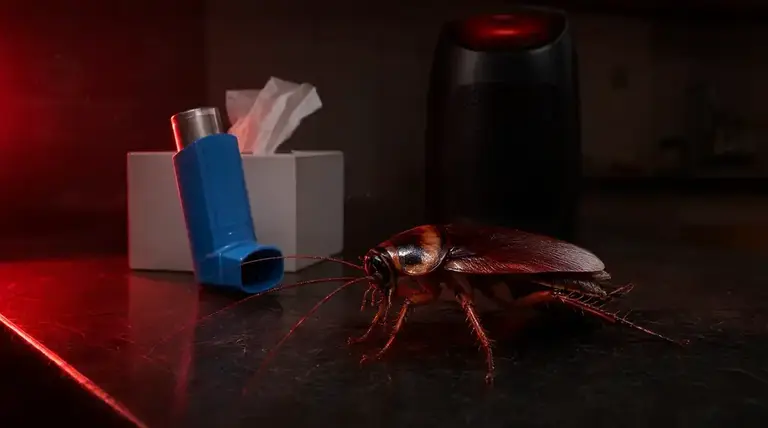
Here’s the part many families miss: the pests themselves are frequently the trigger. Cockroach droppings, shed skins and body fragments, rodent urine proteins and dust mites are all recognised asthma sensitisers. Done properly, professional pest control reduces both the pest and the exposure — which means better breathing, not worse.
- Cockroaches, rodents and dust mites are recognised asthma and allergy triggers, so treating them usually improves symptoms rather than worsening them.
- Gels, baits, void dusts and enclosed bait stations deliver near-zero airborne product compared with broadcast sprays.
- Have the asthma or allergy sufferer leave during treatment, wait for surfaces to dry, ventilate thoroughly and HEPA vacuum afterwards.
- Always disclose asthma or allergies when booking so your licensed technician can choose fragrance-free, APVMA-registered, low-odour products.
- Allergen clean-up after treatment is essential — dead pests still trigger symptoms until their residues are physically removed.
Why pest control asthma Risks Matter in Australian Homes
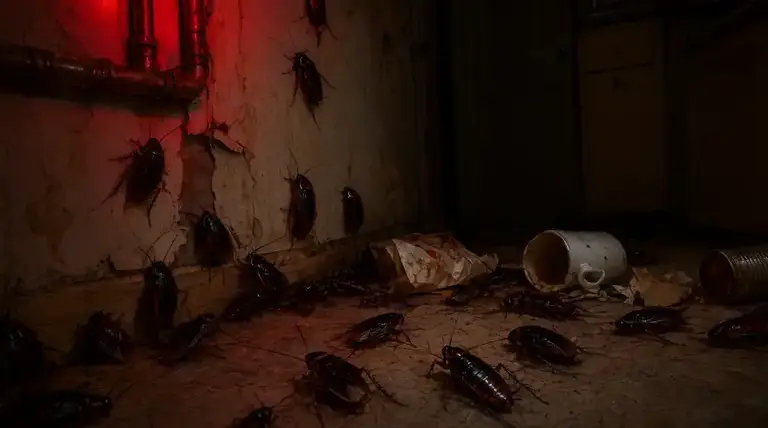
Australian housing and climate create the perfect conditions for the exact pests that aggravate asthma. Our warm, humid conditions — particularly through Queensland, northern New South Wales and the coastal fringe — let German cockroaches breed year-round, while dust mites thrive in any home where humidity sits above about 50 per cent. Older Queenslanders on stumps, brick veneer homes with weep holes, and slab-on-ground houses with garden beds hard against the walls all give pests easy entry points and hidden voids to harbour in.
Subfloor homes are a particular concern: damp, dark cavities under the floorboards are prime cockroach and rodent territory, and allergen particles migrate up through gaps and vents into living areas. For a child with allergic asthma sharing a home with an established German cockroach population, no amount of medication fully compensates for the ongoing allergen load. Australian asthma guidance consistently lists cockroach allergen among the common indoor sensitisers, alongside dust mite and pet dander. That makes careful pest management part of managing the condition itself — not an optional extra. The same low-exposure principles apply in sensitive settings, which is why our Aged Care & Healthcare Pest Control programs are built around targeted, low-residue methods.
Warning Signs Pests Are Triggering Asthma or Allergies in Your Home
The clearest sign is a pattern: symptoms that worsen at home and ease when the sufferer is away. If you notice any of the following, pests may be driving the problem and it’s time to act.
- Night-time coughing or wheezing — cockroaches are nocturnal, so allergen exposure peaks overnight, especially in bedrooms near kitchens.
- Symptoms that improve on holiday — a classic sign of an indoor allergen source rather than pollen or weather.
- Cockroach evidence — pepper-like droppings in cupboards, shed skins, egg cases or a musty, oily odour.
- Rodent signs — droppings along skirtings, gnaw marks, scratching in wall or ceiling voids; rodent urine proteins are potent airborne allergens.
- Dust mite aggravation — sneezing, itchy eyes and congestion worst in bedding, carpets and soft furnishings during humid months.
- Children constantly symptomatic — kids spend more time on floors where allergens settle, so they’re usually the first and worst affected.
Beyond allergens, pests also bring genuine disease risk into the home — our overview of diseases pests carry in Australia explains why removal, not tolerance, is the right call for vulnerable family members.
DIY vs Professional Pest Control With Asthma in the Family
DIY is where most asthma households get into trouble. Supermarket surface sprays and foggers (“bombs”) put the maximum amount of product into your breathing zone for the least effective result — foggers in particular scatter residue over every surface while barely touching pests hiding in voids. A licensed technician using integrated pest management achieves better control with far less airborne chemical. Use low-exposure DIY only for prevention (sealing, cleaning, storing food properly) and leave treatment products to professionals.
| Factor | DIY approach | Licensed professional |
|---|---|---|
| Airborne exposure | High — aerosol sprays and foggers fill living air | Low — gels, baits and void dusts placed precisely |
| Effectiveness | Kills visible pests; misses harbourages and eggs | Targets breeding sites, voids and entry points |
| Product selection | Limited to retail products, often fragranced | APVMA-registered, low-odour and fragrance-free options |
| Allergen advice | None — residues left behind keep triggering | Clean-up and re-entry guidance tailored to your family |
| Best use | Prevention: sealing gaps, cleaning, humidity control | Any active infestation in an asthma/allergy household |
Always tell your technician about asthma or allergies before booking. A good operator will select fragrance-free, low-odour, APVMA-registered products, favour gel and dust over spray, and follow integrated pest management principles that minimise chemical use from the outset — the same approach we outline in our Pest Control During Pregnancy: Safety Guide.
Timing and Air Management: The e Essentials
The essentials of low-trigger pest control asthma care are simple: keep the sufferer away during application, let everything dry and settle, then flush and clean the air before they return. Follow this sequence and respiratory exposure drops to near background levels.
| Step | Why it helps asthma/allergies |
|---|---|
| Sufferer leaves during treatment | Avoids peak airborne exposure entirely |
| Wait until surfaces dry (1–2 hrs) | Minimises skin contact and vapour inhalation |
| Ventilate thoroughly on return | Clears any residual odour before re-occupying |
| HEPA vacuum after treatment | Removes settled allergens and dead pest fragments |
Typical Costs for Low-Trigger Pest Control (AUD, 2025–26)
Budget-friendly options exist at every level, and asthma-aware treatments across the industry generally cost no more than standard services — the method changes, not the price. The figures below are typical Australian market rates for 2025–26, reflecting what the industry generally charges:
| Service | Typical market rate (AUD) | What’s included/notes |
|---|---|---|
| General pest treatment (gel/bait focus) | $180–$320 | Cockroaches, spiders, ants; low-odour products on request |
| German cockroach program | $250–$450 | Gel baiting plus follow-up; ideal for asthma households |
| Rodent control (enclosed bait stations) | $220–$400 | Lockable stations, no open product, removal visit included |
| Dust mite / allergen-reduction advice visit | $150–$250 | Inspection, humidity assessment and action plan |
| Annual pest management plan | $450–$800 | Quarterly targeted visits; prevents infestations establishing |
These are the going market rates across Australia — and Aussie Pest Strike typically comes in well under them. For an exact quote tailored to your property and pest issue, give us a call on [aps_phone] and we’ll sort you out with straightforward, honest pricing.
Seasonal Pest and Allergen Activity Across Australia
Pest pressure — and therefore allergen load — peaks from late spring through autumn in most of Australia, with humidity driving both cockroach breeding and dust mite populations. Winter brings some relief in the southern states, though heated homes keep indoor allergens active year-round.
Jan
Feb
Mar
Apr
May
Jun
Jul
Aug
Sep
Oct
Nov
Dec
Indicative indoor pest/allergen pressure across southern Australia. Northern regions stay high year-round; humid summers spike cockroach and dust mite activity, while rodents move indoors through autumn and winter.
Warmer months also lift mosquito activity, which matters for allergy-prone families sensitive to bites — see our guide to mosquito-borne diseases in Australia for the full health picture.
Reducing Allergens After the Treatment
Killing the pest is only half the job — allergen fragments remain until they’re physically removed. After a cockroach treatment, droppings and shed skins settle into carpet, skirtings and cupboard corners and keep triggering symptoms for months if left alone.
- HEPA vacuum thoroughly, then empty the machine outside immediately.
- Damp-wipe hard surfaces rather than dry-dusting, which sends allergens airborne.
- Hot-wash bedding and soft furnishings where fabric allows.
- Keep indoor humidity below 50 per cent to discourage dust mites and cockroaches alike — a dehumidifier earns its keep in subtropical homes.
Combining pest removal with allergen removal is what turns a treatment into a genuine improvement in symptoms, especially for children who spend a lot of time on the floor.
When a customer tells me someone in the house has asthma, my whole plan changes — gels and void dusts instead of sprays, fragrance-free products, and a proper re-entry briefing. Honestly, the treatment is the easy part; it’s the allergen clean-up afterwards that actually makes the family feel the difference.
Don’t delay treatment out of fear — an active cockroach or rodent infestation is doing more harm to sensitive airways than any careful, professional treatment will. Book a licensed technician, disclose the asthma or allergy upfront, request gel-and-dust methods with fragrance-free products, keep the sufferer out until surfaces are dry, and follow up with a HEPA clean. That sequence protects airways at every step.
Frequently Asked Questions
Why can pest control actually improve asthma symptoms instead of making them worse?
Cockroach droppings, shed skins and body fragments, rodent urine proteins and dust mites are all recognised asthma sensitisers, so the pests themselves are often the trigger. When treatment is done properly with low-residue methods, it reduces both the pest population and the allergen load in the home. That means less ongoing exposure for sensitive airways, which usually translates into better breathing rather than worse symptoms.
Which pests are most likely to trigger asthma or allergies in Australian homes?
Cockroaches, rodents and dust mites are the main culprits. Cockroach allergen is consistently listed among common indoor asthma sensitisers alongside dust mite and pet dander. Rodent urine proteins are potent airborne allergens, and dust mites thrive wherever indoor humidity sits above about 50 per cent. Warm, humid conditions across Queensland, northern New South Wales and coastal areas let German cockroaches breed year-round, keeping allergen levels high.
What warning signs suggest pests are triggering asthma or allergies at home?
The clearest sign is a pattern: symptoms that worsen at home and ease when the sufferer is away. Other indicators include night-time coughing or wheezing, since cockroaches are nocturnal; pepper-like droppings, shed skins or a musty oily odour from cockroaches; rodent droppings along skirtings or scratching in wall voids; and sneezing or congestion worst around bedding and carpets during humid months. Children are usually affected first because they spend more time on floors where allergens settle.
Why are foggers and supermarket sprays a poor choice for asthma households?
Aerosol sprays and foggers put the maximum amount of product into your breathing zone while delivering poor results. Foggers scatter residue over every surface but barely touch pests hiding in voids and harbourages. A licensed technician using integrated pest management achieves better control with far less airborne chemical by using gels, baits, void dusts and enclosed bait stations. Keep DIY to prevention only: sealing gaps, cleaning and proper food storage.
What should I tell my pest control technician when booking if someone has asthma?
Always disclose the asthma or allergy before booking so your licensed technician can plan accordingly. A good operator will select fragrance-free, low-odour products registered with the APVMA, favour gels and dusts over broadcast sprays, and follow integrated pest management principles that minimise chemical use from the outset. This disclosure lets them tailor both the product choice and the re-entry and clean-up guidance to your family's needs.
What steps should we take on treatment day to protect the person with asthma?
Have the asthma or allergy sufferer leave during application to avoid peak airborne exposure entirely. Wait until surfaces have dried, typically one to two hours, to minimise skin contact and vapour inhalation. On return, ventilate the home thoroughly to clear any residual odour before normal use. Afterwards, HEPA vacuum to remove settled allergens and dead pest fragments. Following this sequence drops respiratory exposure close to background levels.
Why is clean-up after pest treatment still necessary once the pests are dead?
Killing the pest is only half the job — allergen fragments remain until they are physically removed. After a cockroach treatment, droppings and shed skins settle into carpet, skirtings and cupboard corners and can keep triggering symptoms for months. HEPA vacuum thoroughly and empty the machine outside immediately, damp-wipe hard surfaces rather than dry-dusting, hot-wash bedding where fabric allows, and keep indoor humidity below 50 per cent to discourage dust mites.
When is pest and allergen pressure highest across Australia?
Pest pressure and allergen load generally peak from late spring through autumn in most of Australia, with humidity driving both cockroach breeding and dust mite populations. Northern regions stay high year-round, and humid summers spike cockroach and dust mite activity, while rodents move indoors through autumn and winter. Winter brings some relief in southern states, though heated homes can keep indoor allergens active year-round.
What does an Aussie Pest Strike inspection involve for an asthma household with a suspected pest problem?
An inspection focuses on finding the pests driving the allergen load — checking kitchens, cupboards, subfloor cavities, wall voids and entry points like weep holes for cockroach activity, rodent signs or conditions encouraging dust mites. Because you disclose the asthma or allergy upfront, the technician assesses humidity, harborage sites and access routes, then recommends targeted low-residue treatments such as gel baits and enclosed stations rather than broad spraying, along with an allergen clean-up plan tailored to your family.
How do I arrange low-trigger pest control with Aussie Pest Strike for our family's asthma needs?
Start by mentioning the asthma or allergy when you make contact, so fragrance-free, low-odour, APVMA-registered products and gel-and-bait methods can be planned from the outset. The team will discuss your property type — whether it's a subfloor home, brick veneer or slab-on-ground — and the pests involved, then recommend a suitable program such as a German cockroach gel-baiting course with follow-up visits. You'll also receive re-entry timing, ventilation and HEPA vacuuming guidance so allergens are removed after treatment.
Sources & further reading
Found Something
Dangerous?
Don’t touch it. Don’t spray it. Keep kids and pets clear, take a photo from a safe distance, and call us — or book a free inspection and we’ll come to you.
02 7235 0050