Moving House? ThePest ChecklistNobody Gives You
Moving house the — Pest checklist — the single best time to deal with pests when moving house is the day the property is empty before your furniture arrives...
moving house pests are easiest to beat in the empty-property window — after the old place is bare and before your furniture lands at the new one. When you’re weighing up option “o” — treat while empty or wait until you’ve settled — choose the vacant rooms every time, because a technician can reach every skirting board, cavity and void that couches, beds and boxes normally hide.
A moving house pest checklist is a room-by-room and perimeter-by-perimeter plan for inspecting, treating and pest-proofing a property during the brief window when it sits empty between occupants. This guide walks you through what to check when leaving your old home, what to inspect before moving into the new one, and how to lock in prevention habits from day one — so you don’t gift pests to the next occupants or drag hitchhikers along with you.
- An empty home is the best time for pest control — full access to skirtings, subfloors, roof voids and wall cavities.
- Cockroach egg cases, bed bugs and fleas readily hitchhike in boxes, furniture and linen — inspect and launder before packing.
- Renters should check lease obligations; landlords have their own duties around pest-free premises.
- A pre-move pest inspection (typically $150–$350 AUD) can reveal termite or rodent activity the sale never mentioned.
- Outdoor checks — timber piles, blocked gutters, standing water — are where many infestations start.
Why Option O Treats moving house pests While Empty in Australia
Australia’s climate and housing styles make the empty-property window especially valuable. Warm, humid conditions across much of the country mean cockroaches, ants, termites and rodents stay active for most of the year, and our housing stock gives them plenty of places to hide.
Homes on a concrete slab conceal termite entry points around the slab edge and weep holes, while older homes on stumps — including classic Queenslanders — have accessible subfloors where termites, rodents and even possums set up undetected. Brick veneer construction creates a cavity between the frame and brickwork that pests love. When the furniture is out, a technician can inspect and treat all of these zones properly. Once your sofa, fridge and bed frames are in, half the access is gone — which is exactly why “o” (the empty window) beats waiting every time.
Warning Signs to Check Before You Pack or Unpack
Walk both properties with this checklist before a single box moves. Any one of these signs warrants closer inspection or professional treatment before you commit your belongings to the space.
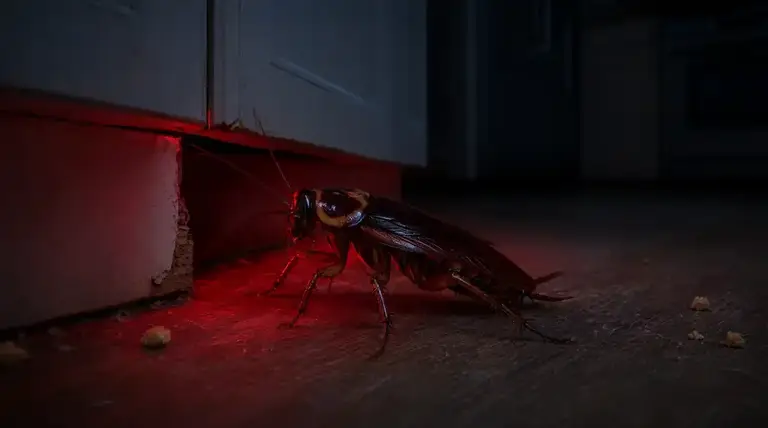
- Cockroach oothecae (egg cases) — small brown cases glued into box corners, cupboard hinges and behind appliances.
- Bed bug evidence — black spotting, shed skins or rust-coloured marks on bed frames, mattresses and linen.
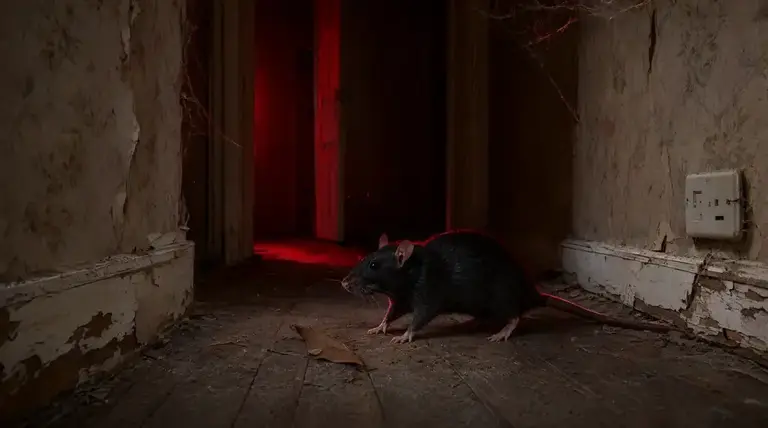
- Rodent droppings and gnaw marks — check the shed, garage, pantry and under sinks before storing anything.
- Termite mud tubes — pencil-width tunnels on foundations, stumps, walls or inside the subfloor and roof void.
- Flea activity — especially in rental properties where pets previously lived; bites around the ankles are a giveaway.
- Moisture problems — leaks and damp under sinks or in bathrooms attract termites, ants and cockroaches; our guide to bathroom pests and what lives there and why explains the link.
- Outdoor invitations — timber stacked against walls, mulch over weep holes, and standing water in pots, tyres or saucers.
Before You Leave the Old Home: Renters and Owners
Don’t gift your pests to the new occupants — or carry them with you. Inspect every box and piece of furniture for cockroach egg cases, launder linen on a hot cycle, and check bed frames before wrapping them.
If you rent, end-of-lease flea or general pest treatments are often a lease requirement, particularly if pets lived at the property. Keep the receipt — you’ll need it for your bond claim. It’s worth reading up on pest control in rentals and your rights as a tenant so you know exactly what you’re responsible for, and what falls to the owner. Conversely, if you’re moving into a rental, understanding landlord pest control obligations in Australia tells you what condition the property should legally be in when you collect the keys.
DIY vs Professional Pest Control When Moving
DIY checks and prevention are well within reach for most people, but anything involving termites, established infestations or chemical treatment belongs with a licensed technician. The empty-house window is precisely when professional help with moving house pests delivers the most value.
| Task | DIY | Professional |
|---|---|---|
| Inspecting boxes, linen and furniture | Yes — hot washes, visual checks | Not usually needed |
| Sealing entry gaps and clearing the yard | Yes — silicone, door seals, tidy perimeter | Optional for larger repairs |
| General spray treatment (empty home) | Surface sprays only; limited reach | Recommended — full void and skirting access |
| Termite inspection and treatment | No — never DIY | Essential — licensed technician with detection tools |
| Flea treatment for bond/end of lease | Risky — may not satisfy lease terms | Recommended — receipt provided for bond claims |
What Pest Control Costs When Moving House (2025–26)
Across the Australian pest control industry, most moving-related pest services typically sit between roughly $150 and $600 AUD, depending on property size, pest type and location. The figures below are typical market rates charged across the industry — always get a written quote for your specific property.
| Service | Typical cost (AUD) | What’s included/notes |
|---|---|---|
| Pre-purchase / pre-move pest inspection | $150–$350 | Visual inspection of interior, subfloor, roof void; written report |
| Combined building and pest inspection | $400–$700 | Structural plus timber pest assessment before settlement |
| General pest treatment (empty home) | $180–$350 | Cockroaches, spiders, ants, silverfish; internal and external |
| End-of-lease flea treatment | $150–$280 | Full internal treatment; receipt supplied for bond claim |
| Rodent treatment and baiting program | $200–$400 | Bait stations, entry-point advice, follow-up visit |
| Termite treatment (if activity found) | $1,500–$4,000+ | Chemical barrier or baiting system; varies widely by property |
These are typical Australian market rates — and Aussie Pest Strike typically comes in well under them. For an exact quote tailored to your property and move, give us a call on [aps_phone].
Seasonal Pest Activity: When Moves Get Risky
Pest pressure in Australia peaks through the warmer months, roughly October to April, when cockroaches, ants, mosquitoes and termite swarmers are most active. Summer moves carry the highest hitchhiker risk, while winter moves are the quietest window — but rodents often push indoors as temperatures drop.
Jan
Feb
Mar
Apr
May
Jun
Jul
Aug
Sep
Oct
Nov
Dec
Typical household pest pressure across the Australian year. Activity climbs sharply from October, peaks over summer, and dips through winter — though rodents often move indoors in the cooler months.
Settling In: Prevention From Day One
Once you’re in, lock in the habits that keep pests out: airtight food storage, fast leak repairs, and a clear perimeter. Store food in sealed containers, fix dripping taps promptly (moisture draws termites, ants and cockroaches), and keep stacked timber and mulch away from external walls. Deep-clean the kitchen before stocking the pantry, inspect under sinks and behind whitegoods, and act on any droppings, gnaw marks or mud tubes immediately.
Don’t stop at the back door. Walk the yard in week one: pull firewood and timber offcuts at least a metre from the house, clear leaf litter from gutters (blocked gutters breed mosquitoes within days in summer), tip out standing water in containers and saucers, and check the shed and garage for existing rodent droppings before you store a single box.
The jobs that stick in my memory are the ones where the owner says they wish they’d treated the place while it was empty. Once the furniture’s in, we’re working around sofas and fridges instead of treating the whole skirting line. An empty house is a pest technician’s best-case scenario — use it.
Book a pest inspection of the new property before settlement or move-in day, and schedule a general treatment for the empty window before your furniture arrives. At the old place, inspect and launder everything before packing, and arrange any end-of-lease treatment early so the receipt is ready for your bond claim. For any chemical treatment, use a licensed technician and follow APVMA-approved product directions.
Frequently Asked Questions
Why is treating pests while the house is empty better than waiting until after I move in?
The empty-property window gives a technician full access to skirting boards, subfloors, roof voids and wall cavities that couches, beds and boxes normally hide. Once your furniture is in, roughly half the access is gone, so treatments have to work around sofas and fridges instead of covering the whole skirting line. Treating while vacant means every zone can be inspected and treated properly before your belongings arrive.
What warning signs should I look for in both properties before moving?
Walk both properties checking for cockroach egg cases glued into box corners, cupboard hinges and behind appliances; bed bug spotting, shed skins or rust-coloured marks on bed frames; rodent droppings and gnaw marks in the shed, garage, pantry and under sinks; termite mud tubes on foundations, stumps or walls; flea bites around the ankles in rentals where pets lived; moisture problems under sinks; and outdoor invitations like stacked timber, mulch over weep holes and standing water.
How do I avoid carrying pests with me when I leave my old home?
Inspect every box and piece of furniture for cockroach egg cases before wrapping them, launder linen on a hot cycle, and check bed frames carefully. Cockroach egg cases, bed bugs and fleas readily hitchhike in boxes, furniture and linen, so these checks matter most at the packing stage. If you rent, arrange any end-of-lease flea or general pest treatment early and keep the receipt for your bond claim.
What are renters responsible for regarding pest control when moving out?
End-of-lease flea or general pest treatments are often a lease requirement, particularly if pets lived at the property. Renters should check their lease obligations to see exactly what they are responsible for, and what falls to the owner. Keep the treatment receipt because you will need it for your bond claim. If you are moving into a rental instead, landlord obligations cover the condition the property should be in when you collect the keys.
Which pest control tasks can I do myself during a move, and which need a professional?
DIY tasks include inspecting boxes, linen and furniture with hot washes and visual checks, sealing entry gaps with silicone and door seals, clearing the yard perimeter, and surface sprays only. Anything involving termites, established infestations or chemical treatment belongs with a licensed technician. Termite inspection and treatment should never be DIY, and end-of-lease flea treatment done yourself may not satisfy lease terms.
What does a pre-move pest inspection involve?
A pre-purchase or pre-move pest inspection typically involves a visual inspection of the interior, subfloor and roof void, followed by a written report. It can reveal termite or rodent activity that the sale never mentioned, giving you a chance to act before committing your belongings to the space. Always get a written quote for your specific property, as costs vary with size, pest type and location.
When is the riskiest time of year to move house in terms of pests?
Pest pressure peaks through the warmer months, roughly October to April, when cockroaches, ants, mosquitoes and termite swarmers are most active. Summer moves carry the highest hitchhiker risk because pests are breeding and spreading. Winter moves are the quietest window, but rodents often push indoors as temperatures drop, so check the shed, garage and pantry for droppings even in cooler months.
What prevention habits should I lock in during my first week in the new home?
Store food in sealed containers, fix dripping taps promptly since moisture draws termites, ants and cockroaches, and deep-clean the kitchen before stocking the pantry. Outside, pull firewood and timber offcuts at least a metre from the house, clear leaf litter from gutters because blocked gutters breed mosquitoes within days in summer, tip out standing water in pots and saucers, and check the shed and garage for rodent droppings before storing boxes.
Is it worth getting Aussie Pest Strike to inspect my new property specifically for this move?
Yes. A pre-move inspection tailored to your specific property can reveal termite mud tubes, rodent activity or moisture problems that a sale never disclosed, and it works best in the empty window before settlement or move-in day. Aussie Pest Strike can inspect the interior, subfloor and roof void and provide a written report, then schedule a general treatment before your furniture arrives so every skirting line and cavity is covered.
What practical next step should I take with Aussie Pest Strike once I have booked my move?
Schedule a general pest treatment for the empty window between the old occupants leaving and your furniture arriving, and arrange any end-of-lease treatment at your old place early so the receipt is ready for your bond claim. Aussie Pest Strike can quote both properties based on their size, pest type and location, and time the treatments around your moving dates so nothing gets treated around sofas and fridges.
Sources & further reading
Found Something
Dangerous?
Don’t touch it. Don’t spray it. Keep kids and pets clear, take a photo from a safe distance, and call us — or book a free inspection and we’ll come to you.
02 7235 0050