Pest Control inRentals: Your Rightsas a Tenant
Pest control in — Pest control rentals — as a tenant in Australia, you are generally responsible for pest problems you cause or introduce, while the...
Pest control in a rental property sits in a grey zone for many Australian tenants: either you or your landlord may be responsible, depending on when and why the pests showed up. As a tenant in Australia, you are generally responsible for pest problems you cause or introduce, while the landlord is responsible for pests present at the start of the tenancy or caused by property faults like structural gaps, leaks or damp.
Rental pest control responsibility hinges on this cause-and-timing test, and it varies slightly by state under each jurisdiction’s residential tenancies law. Put simply: rental pest control is the division of responsibility between tenant and landlord for preventing, treating and paying for pest infestations in a leased property. Knowing where you stand stops a small pest issue becoming a bond dispute — and it helps you act quickly when something crawls, scurries or flies across your kitchen bench.
- Pests present at move-in or caused by building faults are usually the landlord’s responsibility.
- Pests you introduce — fleas from your pet, cockroaches from poor hygiene — are usually yours.
- Termites are almost always the landlord’s problem because they damage the owner’s asset.
- Report any infestation in writing immediately and keep dated photos as evidence.
- Never withhold rent to force treatment; follow your state’s tenancy process instead.
Why rental pest control disputes are so common across Australia
Rental pest disputes are common because Australian housing and climate are ideal breeding conditions for pests, and older rental stock often has the gaps and damp that let them in. From humid Queenslanders on stumps in Brisbane to brick veneer homes in Melbourne’s suburbs and slab-on-ground builds in Perth’s outer estates, nearly every dwelling type has a pest pressure point.
Australia’s warm climate keeps pests active for most of the year. German cockroaches thrive in warm kitchens, Australian and American cockroaches come up through drains, ants trail through weep holes in brick veneer, and subterranean termites stay busy year-round in Queensland and coastal New South Wales. Subfloor ventilation issues in older homes — especially weatherboard and Queenslander-style houses — create the damp conditions that attract cockroaches, silverfish and termites alike.
Rentals add another wrinkle: tenants may not feel ownership of the problem, and landlords may assume the tenant caused it. Add pets, shared walls in apartment blocks and the high turnover of furnished short-term rentals, and it’s easy to see why bond disputes over pests keep tenancy tribunals busy. If you’re about to relocate, our guide Moving House? The Pest Checklist Nobody Gives You walks you through inspecting a new place before you sign.
The General Rule: e ach State’s Version of the Same Principle
Tenancy law differs by state, but a common principle runs through all of it: a rental property must be reasonably clean and fit to live in at the start of the lease. That means an existing infestation on move-in is usually the landlord’s problem, while an infestation you create — say fleas from your own pet — is usually yours.
Typically the landlord’s responsibility
- Pre-existing pests — infestations present before you moved in, whether or not they were disclosed.
- Fault-related infestations — pests entering through building faults such as gaps in walls, roof leaks, cracked pipes or rising damp.
- Termites and structural pests — an owner asset-protection issue, not a housekeeping one.
Typically the tenant’s responsibility
- Self-caused infestations — pests attracted by your actions, poor hygiene, stored food or uncollected rubbish.
- Pet-related pests — fleas from animals you keep, often tied to your bond, as covered in our guide to end-of-lease flea treatment for renters.
Typically, pest control is the tenant’s responsibility when an infestation results from their lifestyle, cleanliness, pets, or failure to report issues promptly. However, structural problems, pre-existing pests, or seasonal risks may fall to the landlord, so check your lease and local tenancy rules before arranging treatment.
y clean; owners must arrange treatment and prevent recurrence. See our guide to landlord pest control obligations in Australia.
Warning Signs of an Infestation in Your Rental
Catching a pest problem early makes it far easier to establish when it started — which is exactly the question that decides who pays. Watch for these signs from day one of your tenancy:
- Droppings and smear marks — cockroach frass in cupboards, behind fridges and along skirtings, or rodent droppings in pantries.
- Mud tubes or hollow-sounding timber — classic signs of subterranean termites around stumps, weep holes and skirtings.
- Discarded wings or discarded skins — termite swarmers near windowsills in spring, or cockroach egg cases behind appliances.
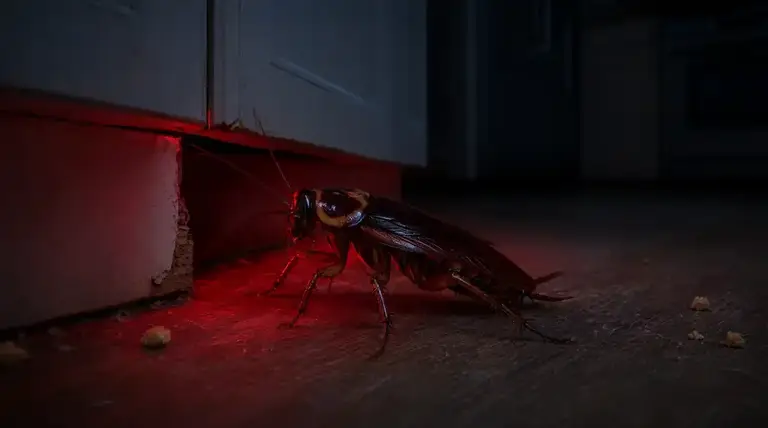
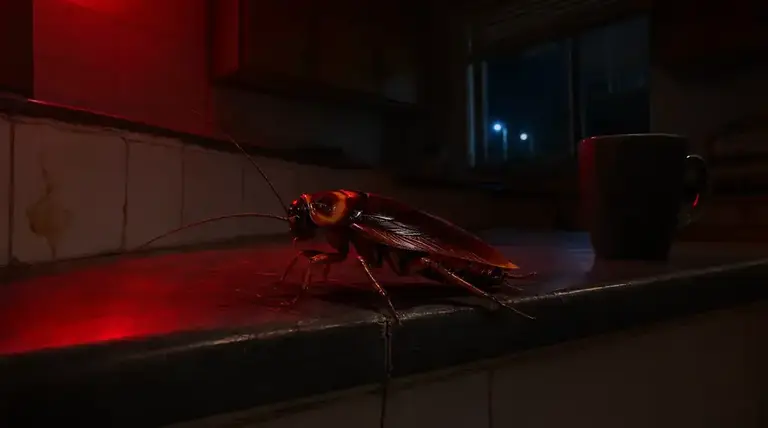
- Live sightings at night — cockroaches scattering when the kitchen light goes on indicate an established population.
- Flea bites after moving in — often a legacy of a previous tenant’s pets, especially in carpeted rooms.
- Damp odours and mould — subfloor or bathroom moisture attracts silverfish and drain flies; see Bathroom Pests: What Lives There and Why for the usual suspects.
DIY vs Professional Pest Control in a Rental
Tenants can handle minor prevention themselves — sealing food, cleaning bins, using supermarket baits — but anything established, structural or bond-related needs a licensed technician, both for effectiveness and for the itemised report that proves cause and timing. Chemical treatments should always be applied by a licensed pest control technician in line with APVMA-registered label directions; no treatment is ever guaranteed, and safety depends on correct application.
| Factor | DIY approach | Professional treatment |
|---|---|---|
| Best for | Minor ant trails, prevention, occasional spiders | Established cockroach, flea, rodent or termite issues |
| Cost | $15–$60 for sprays and baits | $150–$600+ depending on pest and property size |
| Evidence for disputes | None — no formal record | Itemised report noting likely cause and age of infestation |
| Termites | Never DIY — report to landlord immediately | Required; landlord arranges and pays |
| Safety | Low-risk products only, follow labels | Licensed technician using APVMA-registered products |
What Pest Control Costs in a Rental (2025–26)
Costs vary by pest, property size and city, but the figures below reflect typical Australian market rates — what pest control companies across the industry generally charge. For a standard rental, most general treatments sit somewhere between $150 and $350 on the open market. Tenants should agree in writing who is paying before booking anything.
| Service | Typical Australian market rate (AUD) | What’s included/notes |
|---|---|---|
| General pest spray (cockroaches, spiders, ants) | $150–$350 market rate | Internal and external treatment of a standard home |
| End-of-lease flea treatment | $120–$280 market rate | Often required under pet clauses; receipt kept for bond |
| Rodent treatment | $200–$450 market rate | Baiting and follow-up visits over several weeks |
| Bed bug treatment | $300–$800 market rate | Multiple visits; see bed bugs in apartments: who is responsible |
| Termite inspection | $200–$350 market rate | Landlord’s expense; full timber pest report |
| Termite treatment | $1,500–$5,000+ market rate | Barriers or baiting systems; owner’s asset protection |
Those are industry-wide market rates — not our price list. Aussie Pest Strike typically comes in well under these figures while still carrying out a full, thorough treatment. For an exact quote on your rental, give us a call on [aps_phone] and we’ll lock in a firm price before any work starts.
Seasonal Pest Activity in Australian Rentals
Pest pressure in Australian rentals peaks through the warmer months from October to March and dips over winter, though termites and rodents stay active year-round in warmer regions. Termite swarmers typically appear on humid spring and summer evenings, cockroaches breed fastest in summer heat, and rodents push indoors as autumn cools.
Jan
Feb
Mar
Apr
May
Jun
Jul
Aug
Sep
Oct
Nov
Dec
Indicative combined pest activity across Australia: summer heat drives cockroach, ant and flea activity, spring triggers termite swarmers, and rodents increase in autumn as they seek warmth indoors. Northern regions see higher year-round pressure than southern states.
Termites deserve a special mention because the stakes are structural rather than a nuisance. A subterranean termite colony can contain hundreds of thousands of workers and cause serious timber damage within months. Because this affects the building itself — the owner’s asset — termite management is almost always the landlord’s responsibility. If you spot mud tubes, hollow-sounding skirtings or discarded wings, report it in writing straight away; delay can turn a manageable problem into a costly one and complicate who is liable.
In most rental disputes we attend, the whole argument comes down to when the infestation started. A good technician can tell a six-month-old cockroach problem from a six-day-old one, and that itemised report usually settles the matter before it reaches a tribunal. Get it in writing early — it protects tenants and landlords alike.
What to Do If Pests Appear in Your Rental
Act fast and document everything — speed and written evidence are what protect your bond and your rights. Follow these steps in order:
- Report the problem to your agent or landlord in writing immediately.
- Keep photos and dates as evidence of when it started.
- Do not arrange your own treatment and withhold rent — follow the proper process.
- If unresolved, contact your state tenancy tribunal or fair trading body: NSW (Residential Tenancies Act 2010), Victoria (Residential Tenancies Act 1997, where rental minimum standards apply), Queensland (Residential Tenancies and Rooming Accommodation Act 2008), or the state equivalents and bond authorities in WA and SA.
Written records are your strongest asset in any dispute. A dated email to the agent, photos with visible timestamps, and a technician’s itemised report noting the likely cause and age of the infestation together make it clear whether the issue pre-dated your tenancy or arose during it — the exact question tribunals weigh up. In apartments, strata rules add another layer of complexity worth understanding before you book anything.
Report any pest sighting to your agent in writing the same day, photograph everything, and request a professional inspection with an itemised report. If the infestation pre-dates your lease or stems from a building fault, ask the landlord to arrange and fund treatment. If it’s something you introduced, book a licensed technician promptly — delays make treatments harder and disputes messier.
Frequently Asked Questions
Who pays for pest control in a rental property in Australia?
Responsibility depends on when and why the pests appeared. Pests present at move-in or caused by building faults such as gaps, leaks or damp are usually the landlord's responsibility, while infestations you cause through hygiene, stored food, rubbish or pets are usually yours. Termites are almost always the landlord's problem because they damage the owner's asset. The exact rules vary slightly by state under each jurisdiction's residential tenancies law.
Are pre-existing pests at move-in my responsibility as a tenant?
No. Tenancy law across Australia requires a property to be reasonably clean and fit to live in at the start of the lease, so an existing infestation on move-in is usually the landlord's problem, whether or not it was disclosed. Flea bites appearing shortly after moving into carpeted rooms can also be a legacy of a previous tenant's pets rather than anything you introduced.
What pests am I responsible for as a tenant?
You are typically responsible for self-caused infestations attracted by poor hygiene, stored food or uncollected rubbish, and for pet-related pests such as fleas from animals you keep. Flea treatment is often tied to your bond at the end of the lease, particularly where pet clauses apply. Failing to report issues promptly can also shift responsibility toward you, so check your lease and local tenancy rules before arranging treatment.
Who is responsible for termites in a rental?
Termites are almost always the landlord's responsibility because they damage the building itself, which is the owner's asset. A subterranean termite colony can contain hundreds of thousands of workers and cause serious timber damage within months. If you spot mud tubes, hollow-sounding skirtings or discarded wings near windowsills, report it to your landlord in writing straight away, because delay can turn a manageable problem into a costly one and complicate liability.
How do I prove who caused a pest problem in my rental?
Report any infestation in writing immediately and keep dated photos as evidence from day one of your tenancy. Watch for early signs such as droppings and smear marks, mud tubes, discarded wings or skins, live sightings at night, flea bites after moving in, and damp odours. Catching a problem early makes it far easier to establish when it started, which is exactly the question that decides who pays.
Can I do pest control myself in a rental?
Tenants can handle minor prevention themselves, such as sealing food, cleaning bins and using supermarket baits for occasional ant trails or spiders. Anything established, structural or bond-related needs a licensed technician, both for effectiveness and for the itemised report that proves cause and timing. Never attempt DIY termite work; report it to your landlord immediately so they can arrange professional treatment.
Should I withhold rent if my landlord won't fix a pest problem?
No. Never withhold rent to force treatment, as this can put you in breach of your lease and create bigger problems. Instead, follow your state's tenancy process, which may involve applying to your local tenancy tribunal. Report the issue in writing with dated photos first, agree in writing who is paying before booking any treatment, and keep records throughout the dispute.
When are pests most active in Australian rentals?
Pest pressure peaks through the warmer months from October to March and dips over winter, though termites and rodents stay active year-round in warmer regions. Termite swarmers appear on humid spring and summer evenings, cockroaches breed fastest in summer heat, and rodents push indoors as autumn cools. Northern regions see higher year-round pressure than southern states, and subfloor ventilation issues in older homes create damp conditions that attract pests regardless of season.
What should I discuss with an Aussie Pest Strike technician about a pest problem in my rental?
Expect to talk through when you first noticed the pests, what signs you have seen such as droppings, mud tubes or night-time sightings, and whether pets or building faults like leaks or damp might be involved. An Aussie Pest Strike technician can provide an itemised report noting the likely cause and age of the infestation, which helps establish whether the issue predates your tenancy or arose during it, and they will agree who is paying before any work starts.
How do I arrange treatment for my rental with Aussie Pest Strike?
Start by reporting the infestation to your landlord or agent in writing with dated photos, then confirm in writing who is paying before booking anything. Keep the receipt and report afterwards, especially for end-of-lease flea treatments tied to your bond.
Sources & further reading
Found Something
Dangerous?
Don’t touch it. Don’t spray it. Keep kids and pets clear, take a photo from a safe distance, and call us — or book a free inspection and we’ll come to you.
02 7235 0050