End-of-Lease Flea Treatment:What Australian RentersNeed to Know
End of lease flea treatment — if you kept a pet during your tenancy, most Australian residential tenancy laws require you to arrange a professional...
Moving out of a rental with a pet in tow? In Australia, an end of lease flea treatment is one of the most common conditions attached to getting your bond back. If you kept a dog or cat during your tenancy, most state tenancy frameworks and pet clauses require you to have the property professionally treated for fleas before handover — and your agent will usually want a receipt as proof.
An end of lease flea treatment is a professional pest control service, carried out by a licensed technician, that treats carpets, flooring and outdoor areas for fleas at the end of a tenancy, with a dated invoice provided as evidence for the property manager. Done properly, it protects your deposit, satisfies your lease obligations and leaves the property clean for the next tenant. This guide covers what the law expects, what a proper treatment involves, what it costs in 2025-26, and how to time it so you don’t pay twice.
- Most Australian leases with a pet clause require a professional end of lease flea treatment, with a receipt, before the bond is released.
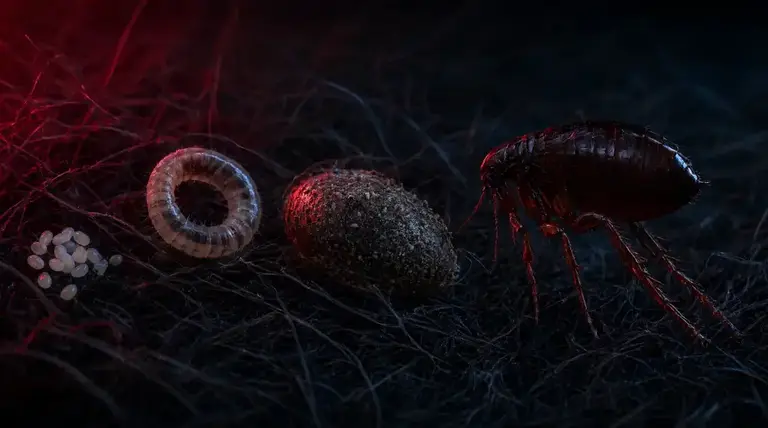
- Treatment must target all flea life stages — eggs, larvae, pupae and adults — using an insect growth regulator, not just a surface spray.
- Typical Australian pricing sits between about $120 and $350 depending on property size, with units at the lower end and large homes with yards at the higher end.
- Book treatment for your last day, after the final clean and furniture removal, so disturbed pupae are exposed.
- Always get a dated, property-specific invoice — a vague cash receipt won’t satisfy most agents.
Why End of Lease Flea Treatment Matters for Australian Renters
End of lease flea treatment matters because fleas thrive in Australian conditions, and tenancy law in every state expects a tenant who kept pets to return the property in the condition it was let. Australia’s warm climate — humid subtropical summers in Queensland and northern NSW, and mild temperate seasons further south — lets fleas breed almost year-round, so a property that housed a pet is a genuine risk of carrying a dormant infestation.
Housing style plays a role too. Older Queenslanders and weatherboard homes on stumps have subfloor voids where flea larvae survive in cool, shaded soil. Brick-veneer homes on concrete slabs funnel flea activity into carpets, skirting gaps and floor edges. Units and townhouses with shared courtyards can pass fleas between tenancies. Even if your pet never seemed to have fleas, pupae can lie dormant in carpet fibres for months and hatch when the next tenant moves in — which is exactly the dispute your agent wants to avoid.
It’s also worth knowing that infestations aren’t always pet-linked. Previous occupants, visiting animals and even wildlife under the house can seed a problem — our guide on fleas without pets explains how it happens. But where a pet clause exists, the responsibility almost always sits with the outgoing tenant.
Warning Signs of Fleas Before You Hand Back the Keys
The clearest signs of fleas are bites on ankles, black “flea dirt” in pet bedding, and pets scratching persistently — but a vacant property can still harbour dormant stages with no obvious activity. Check for these before your final inspection:
- Itchy bites around ankles and lower legs — often in small clusters, appearing after time spent on carpeted areas.
- Black specks in pet bedding or carpet — flea dirt (digested blood) that turns reddish-brown on a damp tissue.
- Pets scratching, biting or over-grooming — especially around the tail base and belly.
- Tiny insects jumping on socks or hems — walk carpeted rooms in white socks and check what lands on them.
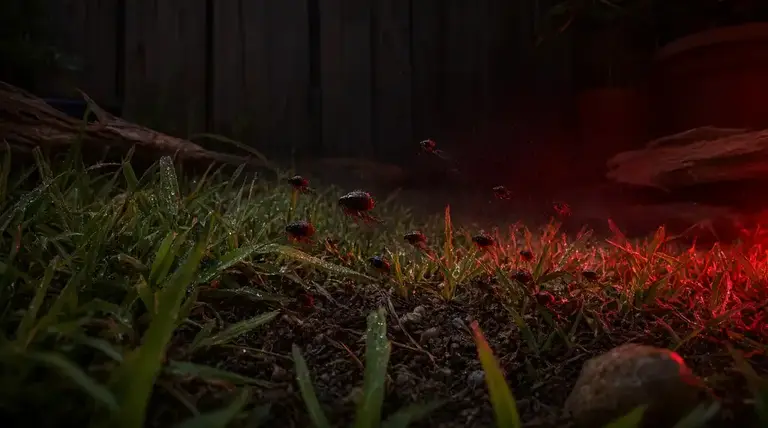
- Flea activity in shaded yard areas — under decks, along fence lines and in garden beds where the pet rested.
Fleas rarely stay where you can see them. Understanding where fleas actually hide — carpet pile, skirting gaps, lounge cushions, subfloor soil — shows why a quick supermarket spray won’t clear a property to handover standard.
DIY vs Professional End of Lease Flea Treatment
DIY flea bombs and sprays can knock down adult fleas, but they rarely satisfy a lease condition and often miss the dormant stages — a professional treatment with an insect growth regulator and a proper invoice is what agents expect. Here’s the honest comparison:
| Factor | DIY (bombs, sprays) | Licensed professional |
|---|---|---|
| Meets lease/agent requirements | Rarely — no receipt, no licensed operator | Yes — dated, property-specific invoice |
| Kills all life stages | Adults only; pupae often survive | Yes — includes insect growth regulator |
| Coverage | Open rooms only; misses skirting, subfloor | Internal edges, carpets, yard and shaded zones |
| Upfront cost | $30–$80 in products | $120–$350 typical |
| Risk of paying twice | High — agent can call you back | Low when timed correctly |
If you’re treating a home you’re staying in, the same principle applies — lasting control means treating pets, home and yard together, not just one piece of the puzzle.
End of Lease Flea Treatment Costs in Australia (2025-26)
Across Australia, the going market rate for a professional end of lease flea treatment typically sits between $120 and $350 in 2025-26, depending on property size, yard area and severity. Most operators in the industry quote on-site rather than over the phone, because a one-bedroom unit and a four-bedroom home with a large yard are very different jobs.
| Service | Typical market rate (AUD) | What’s included/notes |
|---|---|---|
| Unit / apartment (internal only) | $120–$180 | Carpets, skirting, floor edges, growth regulator, invoice |
| Standard 2–3 bedroom home | $180–$260 | Internal plus patio, paths and pet zones outside |
| Large home with yard / subfloor | $250–$350 | Full internal, external, subfloor or deck treatment |
| Severe infestation (occupied home) | $300+ | May need a follow-up visit; see our flea treatment & control service |
Be wary of a bargain “spray only” pest control job with no growth regulator. If fleas re-emerge after handover and the incoming tenant complains, the agent can call you back — and you’ll pay twice. A proper invoice naming the property, date and service is your protection.
Those figures are what the Australian industry generally charges — at Aussie Pest Strike, we typically come in well under these market rates while still including the growth regulator and a proper invoice. For an exact quote on your property, call us on [aps_phone] and we’ll sort it on the spot.
Seasonal Flea Activity Across Australia
Flea pressure in Australia peaks from late spring through autumn and eases in winter, though heated homes and warm northern climates keep activity going year-round. Timing your move-out treatment around this pattern helps you judge the risk:
Jan
Feb
Mar
Apr
May
Jun
Jul
Aug
Sep
Oct
Nov
Dec
Indicative flea activity across Australia: activity builds through spring, peaks over summer and early autumn, and dips in winter — though northern regions and heated homes stay active year-round.
December to March is peak moving season and peak flea season, so book early — end-of-lease slots fill fast. Your ideal sequence: final clean and vacuum the day before, furniture out, treatment on the last day, receipt to the agent the same day.
The biggest mistake we see is tenants treating too early, before the furniture’s out. Vacuuming and moving lounges disturbs pupae that have sat dormant for months — treat after everything’s moved and you expose the lot. Get the timing right and a single visit with a growth regulator does the job properly.
Check your lease’s pet clause first, then book a licensed technician for the final day of your tenancy — after cleaning and furniture removal. Insist on a treatment that includes an insect growth regulator and a dated, property-specific invoice, and send it to your agent the same day. Chemical treatments should always be applied by a licensed pest control technician in line with APVMA-registered label directions.
Frequently Asked Questions
Do I need an end of lease flea treatment if I had a pet during my tenancy?
In most cases, yes. Most Australian leases with a pet clause require a professional end of lease flea treatment, with a receipt, before your bond is released. Tenancy frameworks in every state expect a tenant who kept pets to return the property in the condition it was let, and your property manager will usually want proof from a licensed technician before handing back the deposit.
What does a proper end of lease flea treatment involve?
A proper treatment is carried out by a licensed pest control technician and targets all flea life stages — eggs, larvae, pupae and adults — using an insect growth regulator, not just a surface spray. It covers carpets, skirting gaps, floor edges and outdoor areas such as patios, paths, pet zones and shaded yard spots where fleas hide.
How much does an end of lease flea treatment cost in Australia?
Units and apartments generally fall at the lower end, standard two to three bedroom homes sit mid-range, and large homes with yards or subfloor areas are at the higher end. Severe infestations may cost more and need a follow-up visit.
When should I book my end of lease flea treatment?
Book treatment for your last day of tenancy, after the final clean and after all furniture has been removed. Moving lounges and vacuuming disturbs pupae that have sat dormant for months, so treating once everything is out exposes them to the product.
Can I use DIY flea bombs instead of a professional treatment?
DIY flea bombs and sprays can knock down adult fleas, but they rarely satisfy a lease condition because there is no licensed operator or proper invoice, and they often miss dormant pupae. Agents expect a professional treatment with an insect growth regulator and a dated invoice, so DIY usually risks paying twice if fleas re-emerge.
What proof do I need to give my agent for the flea treatment?
You need a dated, property-specific invoice from a licensed technician naming the property, the date and the service performed. A vague cash receipt won't satisfy most agents. Send the invoice to your property manager on the day of treatment so it's on file before your final inspection and bond release.
Why is flea treatment still needed if my pet never seemed to have fleas?
Flea pupae can lie dormant in carpet fibres for months and hatch when the next tenant moves in, even if your pet never showed obvious signs. Infestations aren't always pet-linked either — previous occupants, visiting animals and wildlife under the house can seed a problem. Where a pet clause exists, responsibility usually sits with the outgoing tenant.
Where should I check for signs of fleas before handover?
Look for itchy bites around ankles, black flea dirt in pet bedding or carpet that turns reddish-brown on a damp tissue, pets scratching around the tail base, and tiny insects jumping onto white socks walked through carpeted rooms. Also check shaded yard areas like under decks, along fence lines and garden beds where the pet rested.
How can Aussie Pest Strike tell whether my rental has fleas or another biting pest problem?
Aussie Pest Strike technicians can inspect the property and distinguish fleas from similar issues such as bed bugs or other biting insects by checking carpet edges, pet resting zones, bedding and shaded outdoor areas for flea dirt and live activity. Getting the identification right matters, because an end of lease flea treatment needs to target flea life stages specifically to satisfy your lease condition.
What should I do next to arrange an end of lease flea treatment with Aussie Pest Strike?
Start by checking your lease's pet clause to confirm what your agent requires, then plan your move-out sequence: final clean and vacuum the day before, furniture out, and treatment on the last day. Contact Aussie Pest Strike to discuss your property size and situation, and make sure any booking includes an insect growth regulator and a dated, property-specific invoice you can send straight to your agent.
Sources & further reading
Found Something
Dangerous?
Don’t touch it. Don’t spray it. Keep kids and pets clear, take a photo from a safe distance, and call us — or book a free inspection and we’ll come to you.
02 7235 0050