Fleas WithoutPets: How InfestationsStill Happen
Fleas without pets are common — rodents, wildlife and dormant pupae all cause infestations. Learn how it happens and the fix — free inspection.
Finding bites around your ankles when you don’t own a cat or dog is confusing — but “fleas no pets” infestations are one of the most common calls we take across Australia. Fleas arrive on rodents and wildlife, hitch in on shoes and second-hand furniture, or emerge from dormant pupae left by a previous tenant’s animals. No pet of your own is required.
A flea infestation without pets means fleas have entered your home through an alternative host or a hidden life stage, not through an animal you own. Understanding how that happens is the first step to getting rid of them properly — because treating the carpet while ignoring the possum in the roof void solves nothing. This guide covers where these infestations come from, how to confirm one, what treatment costs, and when to call a licensed pest control technician.
- You can absolutely get fleas without owning a pet — rodents, possums, stray cats, second-hand furniture and dormant pupae are all common sources.
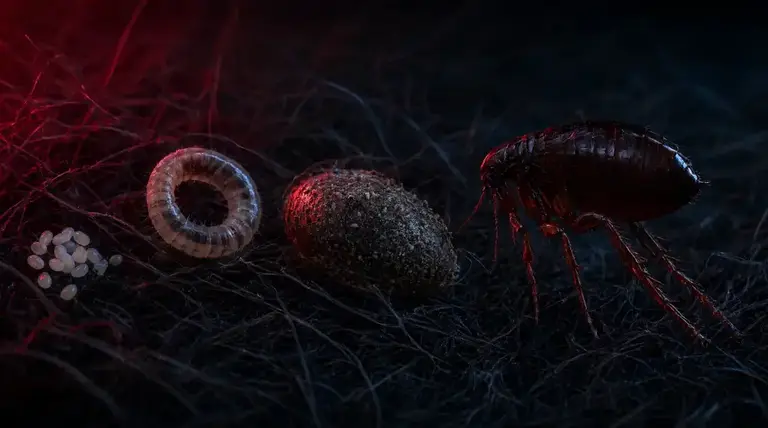
- Cat flea pupae (Ctenocephalides felis) can survive sealed in carpet for several months, waiting for the vibration and body heat of a new occupant.
- Bites clustered around ankles and lower legs, plus “flea dirt” that turns rusty red on a damp tissue, are the classic warning signs.
- If rodents or wildlife are the host, flea treatment must be paired with proofing and removal or the problem returns every breeding cycle.
- Professional flea treatment in Australia typically ranges from about $180 to $450 depending on property size and severity.
Why “Fleas No Pets” Infestations Are So Common in Australia
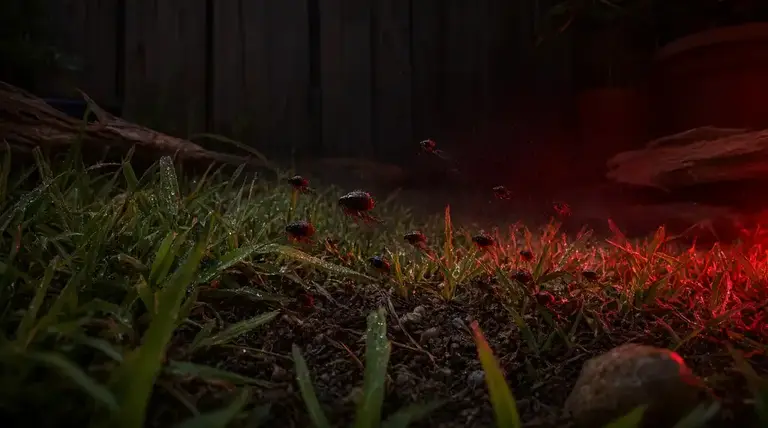
Australia’s climate and housing styles make pet-free flea infestations unusually common. Warm, humid conditions across Queensland, coastal New South Wales and the Top End let fleas breed almost year-round, while mild southern winters rarely deliver the sustained cold needed to kill off outdoor stages.
Housing design plays a big part too. Elevated Queenslanders and older weatherboard homes on stumps create shaded, sheltered subfloors where stray cats and possums rest — and drop flea eggs. Brick veneer homes on concrete slabs remove the subfloor route but still offer roof voids and wall cavities for roof rats. Even a modern townhouse can inherit a “fleas no pets” problem from the previous occupant’s dog, because pupae simply wait out the vacancy. Vacant rental properties are a classic trigger: the property sits empty for weeks, then the footsteps, warmth and exhaled carbon dioxide of a new tenant cause a mass emergence within days of moving in.
Myth vs Fact: Fleas Without Pets
Most “no pet means no fleas” assumptions are wrong. Here’s the reality, based on how flea biology actually works.
| Myth | Fact |
|---|---|
| No pet means no fleas | Fleas feed on any warm host, including you |
| Fleas die out in an empty house | Pupae survive months waiting for a host |
| Only outdoor homes get fleas | Rodents carry fleas straight into roof voids |
How Fleas Get In Without a Pet
Fleas enter pet-free homes through four main routes: wildlife hosts, dormant pupae, hitchhiking and the empty-rental scenario. Each requires a slightly different response.
Wildlife and rodents. Rats, mice and possums are prime flea taxis. A rodent nesting in your subfloor or ceiling drops flea eggs that develop into biting adults — if you also hear scratching at night, review the behaviour of roof rats in Australia. Stray cats sheltering under the house do the same.
Dormant pupae from previous occupants. Cat flea pupae can lie sealed in carpet cocoons for up to several months. Move into a home where the last tenant had a dog, and the vibration of you walking in can trigger mass emergence within days.
Hitchhiking. Fleas and their eggs travel on shoes, cuffs, bags and especially second-hand rugs, lounges and mattresses from an infested source. A tradesperson working under an infested house can transfer eggs that quietly establish in your carpet over the following weeks.
The empty-rental scenario. One of the most common “fleas no pets” cases is a fresh rental or newly purchased home. Your arrival — footsteps, body heat, carbon dioxide — is the exact trigger pupae are built to detect. If you’re a renter, see End-of-Lease Flea Treatment: What Australian Renters Need to Know for how responsibility usually falls.
Warning Signs You’ve Got Fleas but No Pet
The earliest sign of a pet-free flea infestation is usually bites on people, not sightings of insects. Check for the following:
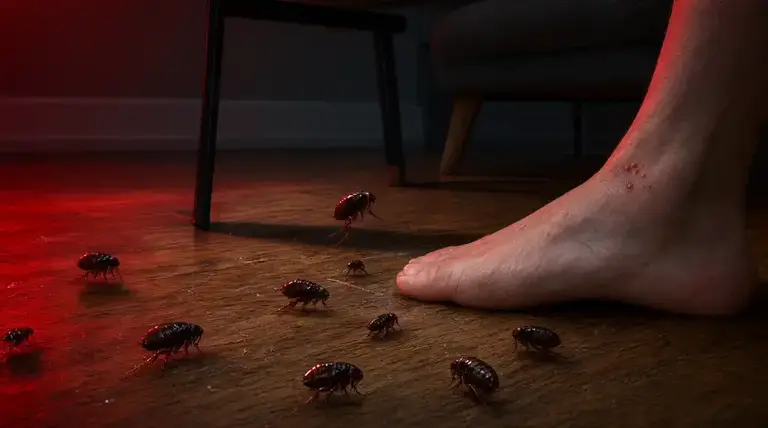
- Ankle and lower-leg bites — itchy, clustered, often in lines of two or three; fleas rarely jump above 20 cm on humans.
- Fast-moving dark specks — tiny (1.5–3 mm) insects that vanish into carpet pile when disturbed.
- Flea dirt — black pepper-like droppings on carpet or bedding that turn rusty red on a damp tissue (that’s digested blood).
- Bites that appear after moving house — a classic sign of dormant pupae emerging in a new rental or purchase.
- Rodent or wildlife evidence — scratching in the ceiling at night, droppings in the subfloor, or chew marks on stored food, pointing to a host feeding the flea population.
Because the source is often hidden wildlife, the fix combines flea treatment with sealing entry points. Understanding where fleas actually hide in your home makes the search far faster — carpets, under furniture edges, subfloor soil and pet bedding from previous occupants are the hotspots.
DIY vs Professional Flea Treatment
Light, early infestations from hitchhiking can sometimes be managed with thorough vacuuming, hot washing and a hardware-store flea bomb — but anything involving pupae in carpet or a rodent host almost always needs a licensed pest control technician with professional-grade products. Here’s how the two approaches compare.
| Factor | DIY | Professional |
|---|---|---|
| Upfront cost | $30–$80 (bombs, sprays) | $180–$450 typical |
| Effect on pupae | Poor — cocoons resist most sprays | IGR products break the breeding cycle |
| Source identification | Guesswork | Inspection finds rodents, subfloor nests, hotspots |
| Re-infestation risk | High without addressing the host | Lower — treatment paired with proofing advice |
| Safety | Over-application common | APVMA-registered products applied by licensed technicians |
For lasting results, treatment must cover pets (if any), home and yard together — see our guide to flea treatment done right.
Flea Treatment Costs in Australia (2025–26)
Across the Australian pest control industry, professional flea treatment for a standard home generally sits between $180 and $450, depending on property size, severity and whether a rodent or wildlife host also needs attention. Combined flea and rodent jobs typically attract higher market rates.
| Service | Typical market rate (AUD) | What’s included/notes |
|---|---|---|
| Internal flea treatment — unit/small home | $180–$260 | Carpet and floor treatment with IGR; prep instructions supplied |
| Internal + external — 3–4 bed house | $260–$380 | Whole-house plus yard, subfloor or deck areas |
| Severe infestation / large property | $380–$450+ | Heavy emergence, multiple visits may be quoted |
| Combined flea + rodent treatment | $400–$650 | Flea treatment plus baiting/trapping and entry-point advice |
| End-of-lease flea treatment | $150–$250 | Receipted treatment commonly required by property managers |
These figures reflect typical Australian market rates — what the industry generally charges — and they vary by state, access and property size, so treat them as guide ranges rather than fixed quotes. Our Flea Treatment & Control page outlines what’s covered in a standard service.
Here’s the good news: Aussie Pest Strike typically comes in well under these market rates for the same thorough, professional treatment. For an exact quote tailored to your property, give us a call on [aps_phone].
Seasonal Flea Activity in Australia
Flea activity in Australia peaks through the warmer months, roughly October to April, when heat and humidity speed up the egg-to-adult life cycle. In tropical Queensland activity stays high almost year-round; in southern states, winter slows outdoor breeding but heated homes keep indoor populations ticking over — and vacant-property pupae can emerge any month a new occupant arrives.
Jan
Feb
Mar
Apr
May
Jun
Jul
Aug
Sep
Oct
Nov
Dec
Indicative activity pattern for temperate southern Australia: fleas build from September, peak in the heat of December–February, and dip over winter — though heated homes and dormant pupae mean indoor bites can occur in any month.
The pet-free jobs are often the trickiest because the customer doesn’t believe it’s fleas at first. Nine times out of ten we find either a rodent nest in the subfloor or pupae left behind by the previous tenant’s dog. Treat the carpet without finding the source, and you’ll be back in six weeks.
Confirm the source first: check the subfloor and roof void for rodent or wildlife activity, and test black specks with the damp-tissue method. Vacuum daily for a week and hot-wash bedding. If bites continue beyond that — or you’ve just moved into a previously pet-occupied property — book a licensed pest control technician. Professional treatment with an insect growth regulator breaks the breeding cycle that DIY sprays can’t touch.
Frequently Asked Questions
Can you get fleas in your home if you don't have pets?
Yes. Fleas feed on any warm-blooded host, so a pet is not required. In pet-free homes, infestations usually come from rodents or wildlife such as possums and stray cats sheltering in the subfloor or roof void, from dormant pupae left behind by a previous occupant's animals, or from fleas and eggs hitchhiking in on shoes, bags and second-hand furniture.
How do fleas get into a house with no pets?
There are four main routes. Rodents, possums and stray cats act as hosts, dropping flea eggs in subfloors, ceilings and under houses. Dormant cat flea pupae can survive sealed in carpet for several months after previous occupants leave. Fleas also hitchhike on shoes, cuffs, bags and second-hand rugs, lounges and mattresses. Vacant rentals are another common trigger, with pupae emerging when a new tenant moves in.
Why do flea bites appear days after moving into an empty rental?
Cat flea pupae can lie dormant inside protective cocoons in carpet for several months while the property sits vacant. Your arrival provides exactly what they are waiting for: footsteps causing vibration, body heat and exhaled carbon dioxide. These triggers cause a mass emergence of adult fleas within days of moving in, producing bites around ankles even though no animal currently lives at the property.
What are the warning signs of fleas when I don't own a pet?
Look for itchy bites clustered around ankles and lower legs, often in lines of two or three, since fleas rarely jump above about 20 centimetres on humans. Other signs include fast-moving dark specks around 1.5 to 3 millimetres long that vanish into carpet pile, black pepper-like flea dirt that turns rusty red on a damp tissue, and scratching sounds in the ceiling suggesting a rodent host.
How do I confirm that black specks are flea dirt?
Collect some of the black, pepper-like specks from carpet or bedding and place them on a damp white tissue. Flea dirt is digested blood, so it dissolves and turns rusty red or reddish-brown on the moist tissue. Ordinary dust or debris will not produce this colour change. This simple test helps distinguish flea droppings from other household grime before you commit to treatment.
Why does flea treatment fail if rodents or possums are the source?
If rodents or wildlife are feeding the flea population, treating the carpet alone solves nothing. The host continues dropping eggs, and a new generation of fleas emerges every breeding cycle, so the problem returns. Effective control means pairing flea treatment with proofing and removal of the rodent or wildlife host, including sealing entry points to the subfloor, roof void and wall cavities.
When is DIY flea treatment enough and when should I call a professional?
Light, early infestations caused by hitchhiking fleas can sometimes be managed with thorough daily vacuuming, hot washing of bedding and a hardware-store flea bomb. However, anything involving pupae deep in carpet or a rodent or wildlife host almost always needs a licensed pest control technician using professional-grade products, because flea cocoons resist most consumer sprays and DIY efforts rarely address the hidden source.
Why are pupae so hard to kill with supermarket flea bombs?
Cat flea pupae develop inside tightly sealed cocoons that resist most over-the-counter sprays and bombs. Professional treatments use insect growth regulator (IGR) products that break the breeding cycle rather than only knocking down visible adults. Without addressing the pupal stage, newly emerged adults keep appearing for weeks. This is one reason DIY approaches show poor results against established infestations compared with licensed professional treatment.
When is it worth asking Aussie Pest Strike for an on-site assessment of a suspected flea problem?
An on-site assessment is worthwhile if bites continue after a week of daily vacuuming and hot washing, if you have just moved into a previously pet-occupied property, or if you suspect a rodent or wildlife host in the subfloor or roof void. Because pet-free infestations often hide their source, an inspection can identify whether you are dealing with dormant pupae, hitchhikers or an active host before any treatment begins.
What practical next step should I take if I suspect fleas but have no pets?
Start by confirming the source. Check the subfloor and roof void for rodent or wildlife activity, test black specks with the damp-tissue method, then vacuum daily for a week and hot-wash all bedding. If bites continue beyond that point, contact Aussie Pest Strike to discuss a licensed technician inspecting the property and treating both the fleas and any host that is sustaining them.
Sources & further reading
Found Something
Dangerous?
Don’t touch it. Don’t spray it. Keep kids and pets clear, take a photo from a safe distance, and call us — or book a free inspection and we’ll come to you.
02 7235 0050