Cat Fleas vsDog Fleas: WhatOwners Should Know
When comparing cat fleas vs dog fleas, the answer surprises most owners: nearly every flea problem in Australian homes is caused by the cat flea...
Cat fleas vs dog fleas is a question that surprises most Australian pet owners, because a flea found on your dog is almost certainly a cat flea. The cat flea (Ctenocephalides felis) causes nearly every flea infestation in Australian homes, while the true dog flea (Ctenocephalides canis) is rare here. Understanding which species you’re dealing with — and how it behaves — is the first step to getting rid of it properly.
Put simply, cat fleas and dog fleas are two distinct flea species that look almost identical, behave the same way, and are treated with exactly the same methods. That one fact should shape how you approach everything from pet treatments to professional pest control. This guide covers how to tell them apart, why the cat flea dominates in Australia, the warning signs to watch for, realistic treatment costs in AUD, and when it’s time to call a licensed technician.
- Almost every flea infestation in Australia — on cats, dogs or people — is caused by the cat flea, Ctenocephalides felis. The dog flea is rare here.
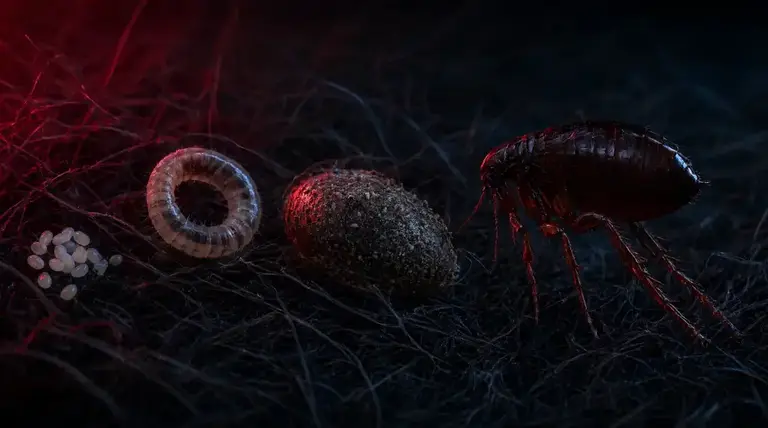
- Adult fleas on your pet are only about five per cent of the problem; eggs, larvae and pupae live in carpets, bedding and floor cracks.
- Never use a dog flea product containing permethrin on a cat — it can be fatal.
- Professional flea treatment in Australia typically costs between $180 and $450 AUD depending on property size and infestation severity.
- Year-round prevention is cheaper and far easier than repeated knockdown treatments.
cat fleas vs dog fleas: Why Flea Problems Matter Across Australia
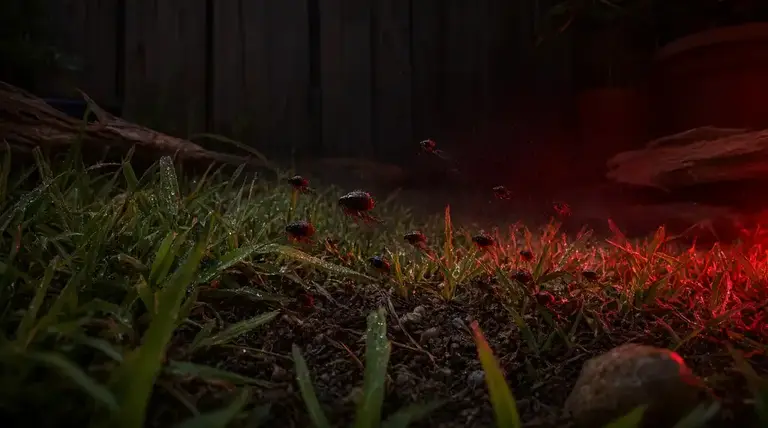
A flea infestation matters in every Australian state because our climate lets the cat flea breed aggressively for most of the year — and indoors, all year round. Whether you’re in a humid Queenslander in Brisbane, a brick veneer home in western Sydney or a weatherboard cottage in Adelaide, the conditions fleas need are easy to find.
Flea numbers build through spring and peak across summer and early autumn, particularly in the humid coastal regions of Queensland and New South Wales. Warmth and humidity speed up the life cycle from egg to adult, which is why a minor problem in October can become a full-blown infestation by Christmas. In heated homes in Melbourne, Sydney and Adelaide, fleas can breed indoors through winter as well, so southern households shouldn’t assume the cooler months offer protection.
Housing style plays a role too. Homes on a concrete slab tend to concentrate flea activity in carpets and soft furnishings, while older homes on stumps with a subfloor — including classic Queenslanders — can harbour larvae in floorboard cracks and shaded soil beneath the house. Australia also has a third species worth knowing: the stickfast flea (Echidnophaga gallinacea), which affects poultry and can bite dogs, cats and people, especially in rural and semi-arid parts of Western Australia and the Northern Territory. For a closer look at where these pests establish themselves, see our guide on flea infestations and where fleas actually hide in your home.
Health Risks for Pets and People
Fleas are more than an itchy nuisance — they carry genuine health risks for both animals and humans. Heavy infestations can cause flea allergy dermatitis, the most common skin condition seen in Australian vet clinics. Fleas also transmit the tapeworm Dipylidium caninum, and kittens or small dogs carrying severe burdens can develop anaemia. On people, flea bites typically appear as itchy red lumps around the ankles and lower legs.
Warning Signs Your Pet Has Fleas
The warning signs of fleas are identical whether cat fleas or dog fleas are involved, because both species behave the same way on the host. If you notice any of the following, act quickly — flea populations multiply fast.
- Excessive scratching, biting or licking — especially around the tail base, groin and belly where fleas congregate
- Flea dirt — black gritty specks in the coat that turn reddish-brown on damp paper (this is digested blood)
- Red, inflamed skin, scabs or hair loss — classic signs of flea allergy dermatitis
- Restlessness and irritability — particularly at night when fleas are most active
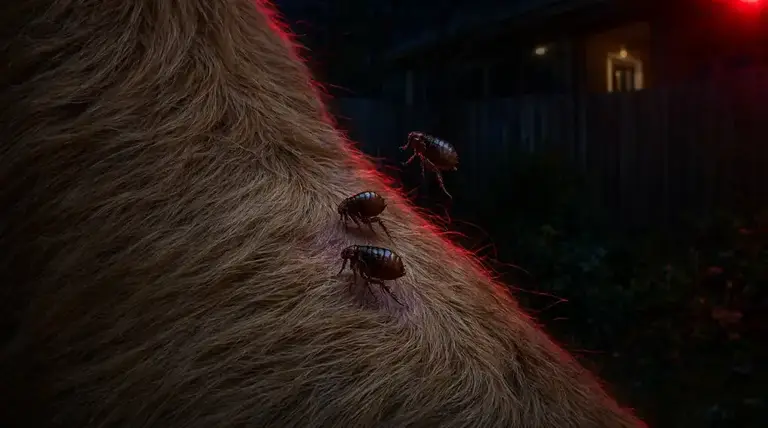
- Visible live fleas — small, dark brown, fast-moving insects seen when you part the fur
- Bites on human ankles — a strong sign the infestation has spread into carpets and soft furnishings
If bites are appearing on people but you don’t own a pet, don’t rule fleas out. Dormant pupae from a previous occupant’s animals can hatch weeks or months later, as explained in our article on fleas without pets and how infestations still happen.
DIY vs Professional Flea Treatment
DIY flea control can manage a mild, early-stage problem, but moderate to severe infestations almost always need a licensed technician with professional-grade products. The key difference is that professionals treat every life stage — adults, eggs, larvae and the stubborn pupae that can lie dormant for months.
Whatever approach you take, treat every pet in the household with an APVMA-registered product suited to its species, age and weight. Never use a dog product containing permethrin on a cat, as it can be fatal. Spot-on treatments, oral chews and flea collars are all available through Australian vets and pet shops, and most need monthly reapplication. At the same time, treat the whole home: vacuum thoroughly and often, wash pet bedding in hot water weekly, and consider an insect growth regulator spray to break the breeding cycle.
| Factor | DIY approach | Professional treatment |
|---|---|---|
| Best for | Mild, early infestations caught quickly | Moderate to severe or recurring infestations |
| Products used | Supermarket sprays, flea bombs, vet spot-ons | APVMA-registered professional insecticides and growth regulators |
| Life stages targeted | Mainly adults; pupae often survive | All life stages, with residual protection |
| Typical cost | $40–$120 AUD in products | $180–$450 AUD depending on property size |
| Likelihood of repeat problem | High if pupae are missed | Low when combined with pet treatment |
For anything beyond a minor problem, professional flea treatment and control from a licensed pest control operator is the fastest route to a flea-free home. Chemical treatments should always be applied by licensed technicians who follow APVMA label directions — no reputable operator will claim any product is 100 per cent safe, and you should be wary of anyone who does.
Flea Treatment Costs in Australia
Across the Australian pest control industry, professional flea treatment generally ranges between $180 and $450 AUD in 2025-26. These are typical market rates rather than any single operator’s pricing — what you’ll actually pay depends on property size, construction type and the severity of the infestation. Larger homes, properties with subfloors, and jobs requiring follow-up visits sit at the higher end of the industry range.
| Service | Typical market rate (AUD) | What’s included/notes |
|---|---|---|
| Standard internal flea treatment (unit or small home) | $180–$260 | Internal spray with insect growth regulator; carpets, skirtings and soft furnishings |
| Full house treatment (3–4 bedroom) | $260–$380 | Internal plus external perimeter and subfloor treatment where accessible |
| Severe infestation with follow-up visit | $350–$450+ | Initial treatment plus return visit to catch emerging pupae |
| End-of-lease flea treatment | $150–$280 | Treatment plus receipt for property manager; often required under pet clauses |
If you’re renting, a professional spray with documentation is often the simplest way to meet your lease obligations — our guide to end-of-lease flea treatment for Australian renters explains what’s typically required. For everyone else, remember that year-round prevention with vet-recommended pet products costs far less than even one professional callout.
Worth knowing: while the figures above reflect what the Australian pest control industry typically charges, Aussie Pest Strike generally comes in well under these market rates. For an exact quote tailored to your property, give us a call on [aps_phone] — we’ll sort you out quickly and affordably.
Seasonal Flea Activity in Australia
Flea activity in Australia rises sharply from late spring, peaks through summer and early autumn, and drops off over winter — though indoor populations can persist year-round in heated homes. Humid coastal regions of Queensland and New South Wales see the longest and most intense seasons.
Jan
Feb
Mar
Apr
May
Jun
Jul
Aug
Sep
Oct
Nov
Dec
Indicative outdoor flea activity across Australia. Activity builds through spring, peaks from January to April, and dips over winter — though heated indoor environments allow breeding to continue in every month of the year.
Nine times out of ten, when a customer tells me their dog has dog fleas, it’s the cat flea we’re actually treating. The species doesn’t change the job — what matters is hitting the eggs, larvae and pupae in the carpet, not just the adults on the animal. Miss the pupae and you’ll see the problem bounce back in a fortnight.
Don’t waste time trying to identify the species — treat it as a cat flea problem, because it almost certainly is. Put every pet on an APVMA-registered preventative, vacuum daily for two weeks, wash bedding in hot water, and book a professional treatment if fleas persist beyond a week or bites are appearing on people. If you’re moving into a new home in a warm state such as Queensland, treat the property before bringing pets in — dormant pupae from previous occupants’ animals can hatch with the vibration of footsteps.
Frequently Asked Questions
Are cat fleas and dog fleas different species?
Yes. Cat fleas (Ctenocephalides felis) and dog fleas (Ctenocephalides canis) are two distinct flea species, but they look almost identical, behave the same way, and are treated with exactly the same methods. In practice, this distinction rarely matters for Australian households because nearly every infestation is caused by the cat flea.
What kind of flea does my dog have in Australia?
Almost certainly a cat flea. The cat flea causes nearly every flea infestation in Australian homes, on cats, dogs or people, while the true dog flea is rare here. The good news is that both species respond to the same treatments, so identification at species level doesn't change how you get rid of them.
Why are most flea infestations in Australia caused by cat fleas?
Australia's warm, humid climate lets the cat flea breed aggressively for most of the year, and indoors it can breed all year round. Activity builds through spring, peaks across summer and early autumn — especially in humid coastal Queensland and New South Wales — and heated homes allow breeding to continue through winter as well.
How can I tell if my pet has fleas?
Watch for excessive scratching, biting or licking around the tail base, groin and belly; black gritty flea dirt that turns reddish-brown on damp paper; red inflamed skin, scabs or hair loss; restlessness, especially at night; visible dark brown fast-moving insects when you part the fur; and itchy bites on human ankles.
Why do fleas keep coming back after treatment?
Adult fleas on your pet are only about five per cent of the problem. Eggs, larvae and pupae live in carpets, bedding and floor cracks, and pupae can lie dormant for months before hatching. If treatment only targets adults, emerging pupae restart the infestation, which is why all life stages must be addressed.
Can I use a dog flea product on my cat?
No. Never use a dog flea product containing permethrin on a cat, as it can be fatal. Treat every pet with an APVMA-registered product suited to its species, age and weight. Spot-on treatments, oral chews and flea collars are available through Australian vets and pet shops, and most need monthly reapplication.
Do cat fleas and dog fleas behave differently on pets and in the home?
Professional flea treatment costs vary with property size, construction type and how severe the infestation is. A small unit or apartment usually sits at the lower end of the price range, a full house treatment falls in the middle, and heavy infestations that need follow-up visits cost more. Many pest controllers offer free quotes, so comparing a few local providers helps owners find fair pricing for their situation.
Do I need professional flea treatment or can I do it myself?
DIY methods using supermarket sprays, flea bombs and vet spot-ons can manage mild, early-stage infestations, but they mainly target adults and pupae often survive. Moderate to severe or recurring infestations almost always need a licensed technician who treats every life stage with APVMA-registered insecticides and growth regulators for lasting residual protection.
What should I discuss with an Aussie Pest Strike technician about cat fleas versus dog fleas?
Expect to talk about where flea activity is concentrated in your home, such as carpets, soft furnishings, skirtings and any subfloor, since eggs, larvae and pupae live there rather than on your pet. Mention every pet in the household, their current flea products, and whether bites have appeared on people, so the technician can plan treatment across all life stages.
What's a practical next step if I suspect cat fleas in my home?
Start by checking your pets for flea dirt and live fleas, then treat every animal with an APVMA-registered product suited to its species, age and weight. Vacuum thoroughly and wash pet bedding in hot water weekly. If the problem is moderate, severe or keeps returning, contact Aussie Pest Strike to arrange a professional treatment covering all life stages.
Sources & further reading
Found Something
Dangerous?
Don’t touch it. Don’t spray it. Keep kids and pets clear, take a photo from a safe distance, and call us — or book a free inspection and we’ll come to you.
02 7235 0050