Flea Infestations: WhereFleas Actually Hidein Your Home
Flea infestations where — in a flea infestation, only about 5% of the population is the adult flea you see — the other 95% are eggs, larvae and pupae hidden...
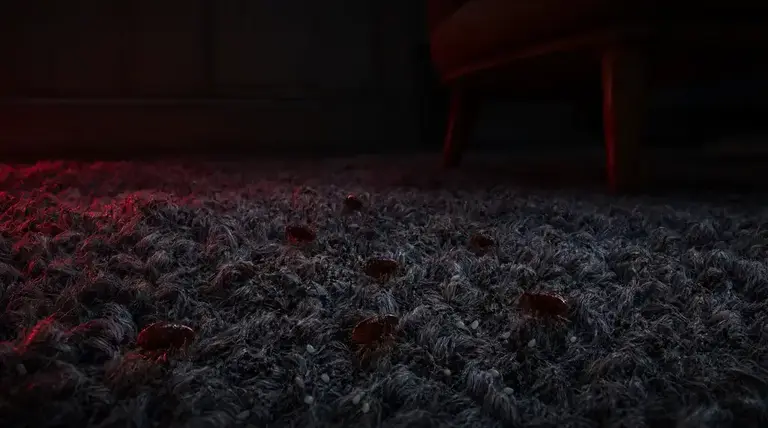
In any established flea infestation in Australia, only about 5% of the population is the adult flea you can see — the other 95% is eggs, larvae and pupae hidden deep in carpet fibres, along skirting boards, under lounge cushions and in pet bedding. Flea infestations hide where warmth, humidity and hosts converge (l), and that hidden majority is exactly why a single spray from the hardware store rarely shifts the problem for good.
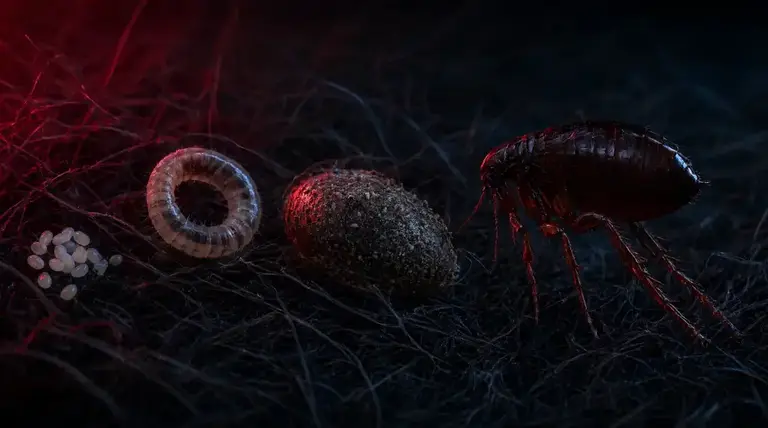
Put simply, a flea infestation is a household-wide breeding cycle, not just a few biting adults on the dog — the visible fleas are the tip of a much larger, mostly invisible population spread through your floors and soft furnishings. Knowing where each life stage actually hides (l) is the difference between a treatment that works and one that fails within a fortnight. If the numbers have already gotten away from you, a licensed technician from our Flea Treatment & Control team can map and treat every stage at once.
- Roughly 95% of any flea infestation is eggs, larvae and pupae hidden in carpet, cracks and bedding — not the adults you see jumping.
- The cat flea (Ctenocephalides felis) causes the vast majority of Australian infestations, and pupae can lie dormant for months in sealed, insecticide-resistant cocoons.
- Warm, humid regions — coastal Queensland, northern NSW and the Top End — support year-round breeding, indoors and out.
- Effective control combines an insect growth regulator, daily vacuuming and a planned follow-up; one-off sprays alone fail.
- Professional flea treatment across Australia typically ranges from about $180 to $450 depending on home size and severity.
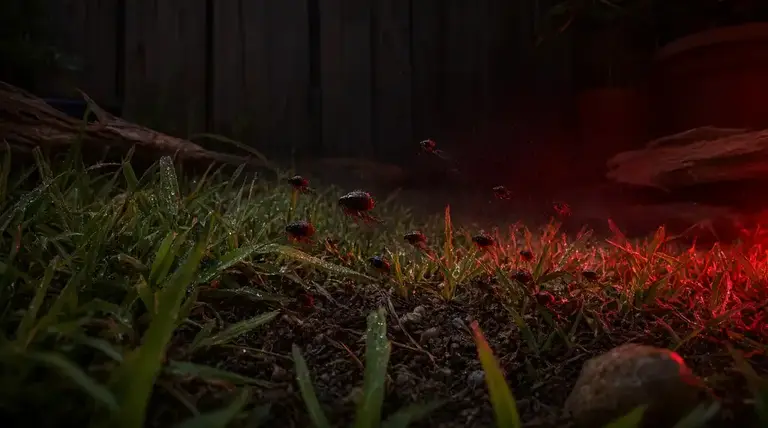
Why Flea Infestations Hit Australian Homes So Hard (l)
Fleas thrive in Australia because our climate delivers the 21–29°C warmth and moderate humidity their life cycle needs for most of the year. In the southern states flea pressure peaks through the warmer months, while in Queensland, coastal NSW and the Northern Territory breeding often never fully stops.
Housing style matters too. Older homes on stumps — including classic Queenslanders and weatherboard cottages — have shaded subfloor voids where pets and feral animals rest, creating perfect flea reservoirs directly beneath the floorboards. Brick veneer homes on concrete slabs are less exposed underneath, but their wall-to-wall carpets, rugs and soft furnishings still hold heavy larval loads. Rental properties are a particular flashpoint: dormant pupae left by a previous tenant’s pets can hatch weeks after you move in, which is why many leases now require an End-of-Lease Flea Treatment: What Australian Renters Need to Know before keys are handed back.
The 95% You Never See: Warning Signs Fleas Are Hiding in Your Home
The clearest warning sign is finding evidence of the hidden stages — flea dirt, bites and pet scratching — not just spotting the occasional adult. Check for the following before you assume a couple of fleas is all you’re dealing with.
- Flea dirt on bedding or skin — tiny black grit in pet bedding, carpet or your pet’s coat that turns reddish-brown on damp tissue (it’s digested blood, and it’s what larvae eat).
- Ankle and lower-leg bites — small, itchy red bumps on humans, typically in clusters, after walking across carpeted rooms.
- Persistent pet scratching — dogs and cats grooming or biting at the base of the tail, groin and belly even after a bath.
- Fleas appearing after vibration — adults leaping onto socks within minutes of you entering a room that’s been vacant, a classic sign of hatching pupae.
- Salt-and-pepper specks in carpet — eggs (white) mixed with flea dirt (black) along skirting boards, under sofas and in floorboard gaps.
- Recurring bites after treatment — a sure sign the pupal stage survived and is reseeding the infestation.
Room-by-Room: Where Fleas Actually Hide (l)
Fleas concentrate where pets rest, where carpet is deep and shaded, and where outdoor humidity lingers — map your effort to those zones, not just to where you saw one jump. In living areas, carpet edges, under and inside sofas, rugs and the dark gaps between floorboards hold the highest larval loads; worm-like larvae burrow 2–4 mm down into pile to avoid light and feed on flea dirt.
Pet bedding is the epicentre, but subfloor voids, the soil beneath decks and shaded garden beds where animals rest are just as important. Even homes with no current pets can harbour dormant pupae for months — our guide on Fleas Without Pets: How Infestations Still Happen explains how move-in infestations occur. Outdoors, fleas struggle in full Australian sun and dry open lawn, but they thrive under decks and patios, along the cool southern side of the house, beneath shrubs and in the sandy hollows where a dog digs to cool down. In coastal Queensland and northern NSW these outdoor reservoirs stay active all year, feeding a slow drip of fleas back indoors.
DIY vs Professional Flea Treatment
DIY products can knock down exposed adults, but they rarely reach pupae sealed in cocoons or larvae deep in carpet pile — and that’s the 95% that restarts the problem. Professional pest control combines residual insecticide with an insect growth regulator (IGR) and a structured follow-up, which is what actually breaks the cycle.
| Factor | DIY sprays & foggers | Professional treatment |
|---|---|---|
| Kills adult fleas | Yes, on contact | Yes, plus residual action |
| Stops eggs & larvae (IGR) | Rarely included | Standard in quality treatments |
| Reaches pupae in cocoons | No — neither can; requires emergence strategy | No — managed via follow-up and vacuuming plan |
| Subfloor & yard coverage | Usually missed | Inspected and treated as needed |
| Typical outcome | Relief for days, then rebound | Cycle broken over 2–4 weeks |
The classic DIY mistake is treating only the visible adults — the 5% — and declaring victory when the biting stops for a few days. Then the pupae hatch and the cycle restarts, which is why so many homeowners believe fleas are “resistant” when the real issue is an untreated hidden stage. For the full picture, see Flea Treatment Done Right: Pets, Home and Yard Together.
Flea Treatment Costs in Australia (2025–26)
Across the Australian pest control industry, professional flea treatment generally runs between $180 and $450 for a standard home, with larger properties, severe infestations or yard and subfloor work pushing the market rate higher. What the industry charges varies by state, access and whether a follow-up visit is bundled in.
| Service | Typical market rate (AUD) | What’s included/notes |
|---|---|---|
| Interior flea treatment (unit/small home) | $180–$260 | Residual spray plus IGR to carpets, skirtings and soft furnishings |
| Interior treatment (3–4 bedroom home) | $250–$380 | Whole-of-house treatment with growth regulator; vacuuming plan advised |
| Interior + yard/subfloor package | $350–$550 | Adds shaded outdoor hotspots, decks and subfloor voids |
| End-of-lease flea treatment | $150–$300 | Meets standard tenancy clauses; receipt provided for the agent |
| Follow-up visit | $90–$180 | Timed 2–3 weeks later to catch emerging pupae |
These figures reflect typical Australian market rates — what the industry generally charges for this work. Aussie Pest Strike typically comes in well under these rates, so give us a call on [aps_phone] for an exact quote tailored to your property.
Seasonal Flea Activity Across Australia
Flea pressure peaks from late spring through autumn in southern Australia and stays elevated year-round in the tropical and subtropical north. The chart below reflects typical national activity: a strong build from October, a summer-autumn peak, and a winter dip that never reaches zero indoors thanks to heated, carpeted homes.
Jan
Feb
Mar
Apr
May
Jun
Jul
Aug
Sep
Oct
Nov
Dec
Indicative national flea activity. Pupae develop fastest at 21–29°C, so activity peaks through summer and early autumn; in Queensland and northern NSW the curve stays near the top all year, and heated homes keep indoor breeding alive through winter (l).
Most call-outs we attend have already had two or three supermarket bombs thrown at them. The adults die, everyone relaxes, and then the pupae hatch ten days later and the phone rings. Treat the hidden stages with a growth regulator and a proper follow-up, and the problem actually ends.
Treat your pet with a vet-approved flea product on the same day your home is treated, vacuum daily for two weeks to trigger pupae to hatch into the treated zone, and book a follow-up visit rather than expecting one spray to do everything. Chemical treatments should be applied by a licensed pest control technician using APVMA-registered products, and no treatment can be honestly called 100% safe or guaranteed — but a staged approach breaks the cycle reliably. Start with our Flea Treatment & Control service page to see what’s involved.
Frequently Asked Questions
Why do fleas keep coming back after I spray?
Because a spray only kills the roughly 5% of the population that are visible adults. The other 95% — eggs, larvae and pupae — hide deep in carpet fibres, skirting boards, lounge cushions and pet bedding. Pupae in sealed cocoons survive insecticide and hatch days later, restarting the cycle. Breaking it requires an insect growth regulator, daily vacuuming to trigger pupae to hatch into treated zones, and a planned follow-up visit.
Where do flea larvae actually live inside my home?
Larvae concentrate where pets rest and where carpet is deep and shaded. In living areas they burrow 2–4 mm down into carpet pile to avoid light, feeding on flea dirt. Hotspots include carpet edges, under and inside sofas, rugs, gaps between floorboards, pet bedding, subfloor voids, soil beneath decks and shaded garden beds where animals rest.
What is flea dirt and how do I identify it?
Flea dirt is digested blood passed by adult fleas, appearing as tiny black grit in pet bedding, carpet or your pet's coat. The test is simple: dab it on damp tissue and it turns reddish-brown because it's blood. It matters because larvae eat flea dirt, so finding it signals that hidden stages are developing nearby, not just a few biting adults.
Can my home have fleas if we don't have pets?
Yes. Dormant pupae can lie sealed in cocoons for months and hatch when vibration from people moving around triggers emergence. This commonly happens after moving into a rental where a previous tenant's pets left pupae in carpets. Even homes with no current pets can harbour these dormant stages for months before adults suddenly appear on socks and ankles.
Which flea species causes most infestations in Australia?
The cat flea (Ctenocephalides felis) causes the vast majority of Australian household infestations, affecting both cats and dogs. Its pupae are particularly troublesome because they can lie dormant for months inside sealed cocoons that resist insecticides. This combination of prevalence and dormancy is why infestations persist without treatment targeting every life stage, not just the adults you see jumping.
Does Australia's climate affect how bad flea season gets?
Pupae develop fastest at 21–29°C with moderate humidity, which much of Australia provides for most of the year. Southern states see pressure peak from late spring through autumn, while coastal Queensland, northern NSW and the Top End support near year-round breeding indoors and out. Heated, carpeted homes also keep indoor breeding alive through winter, so activity never truly reaches zero.
Why do older homes on stumps have worse flea problems?
Older homes on stumps, such as Queenslanders and weatherboard cottages, have shaded subfloor voids where pets and feral animals rest. These voids become flea reservoirs directly beneath the floorboards, continuously feeding adults up into living areas. Brick veneer homes on slabs are less exposed underneath but their wall-to-wall carpets, rugs and soft furnishings still hold heavy larval loads.
How long does it take to break a flea cycle properly?
A staged approach typically breaks the cycle over two to four weeks. One-off sprays alone usually fail within a fortnight. The practical next step is to note the signs, inspect the relevant area carefully, and seek property-specific advice if the issue continues.
How does Aussie Pest Strike find hidden flea hotspots during a home inspection?
An on-site assessment is worthwhile when bites recur after DIY sprays, when you've found flea dirt or salt-and-pepper specks in carpet, or when your home has risk factors like a stump subfloor, wall-to-wall carpets or outdoor resting spots under decks. A technician can map where each life stage is hiding across interiors, subfloors and yard hotspots, then recommend whether an interior-only treatment or a combined package suits your situation.
What's the best next step after treating my home for fleas?
Aussie Pest Strike can schedule that follow-up as part of a structured program, since emerging pupae are what typically restart infestations that looked solved after the first spray. The practical next step is to note the signs, inspect the relevant area carefully, and seek property-specific advice if the issue continues.
Sources & further reading
Found Something
Dangerous?
Don’t touch it. Don’t spray it. Keep kids and pets clear, take a photo from a safe distance, and call us — or book a free inspection and we’ll come to you.
02 7235 0050