Possum-Proofing YourRoof: Entry Pointsand Exclusion
Possum-proofing roof — Possum entry points — possum-proofing your roof works by finding every gap larger than about 5 cm, evicting any resident possum with...
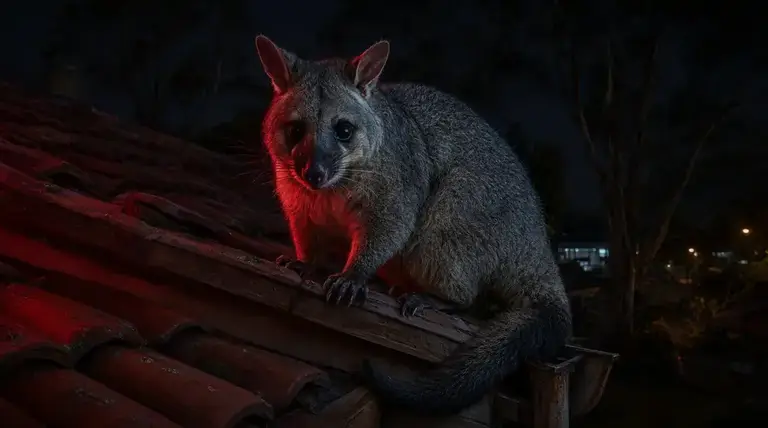
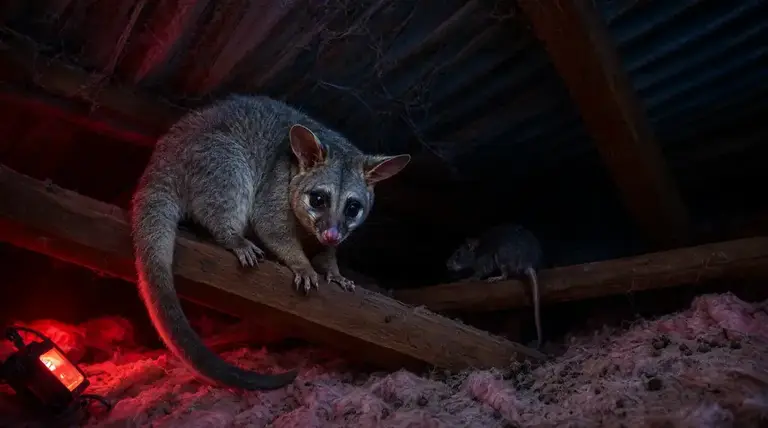
Thumping overhead at 2am, droppings in the ceiling space and a faint smell of urine through the downlights — if that sounds familiar, you almost certainly have a possum in the roof. Effective possum proofing is the only lasting fix for Australian homes, from Brisbane Queenslanders to Melbourne brick veneer, and it means more than patching one hole: it is a methodical process of evicting the animal legally, sealing every entry point and removing the access routes that led it there in the first place.
Possum proofing is the permanent exclusion of possums from a roof void by evicting any resident animal with a one-way door, sealing all gaps larger than about 5 cm with metal materials, and cutting back the branches that provide access. Done in the wrong order, it traps a protected native animal inside your ceiling — the single most common and cruellest mistake homeowners make. This guide walks you through entry points, the correct exclusion sequence, realistic costs and the seasonal timing that makes the job stick.
- Brushtail possums squeeze through gaps as small as 5–8 cm — every opening that size or larger around the roofline needs sealing.
- Always evict with a one-way door before sealing; possums are protected native wildlife and trapping one inside is illegal.
- Use heavy-gauge galvanised mesh, not plastic or foam — brushtails chew through soft fillers within a season.
- Prune branches back at least 2 metres from the roof and fit metal collars to downpipes and trees.
- Professional possum proofing in Australia typically costs $450–$1,500 depending on roof size and the number of entry points.
Why Possum Proofing Matters for Australian Homes
Possum proofing matters because brushtail possums are thriving in every Australian capital city, and our housing stock gives them exactly what they want: warm, dry roof voids with dozens of small gaps. Once established, a possum damages insulation, chews wiring, stains ceilings with urine and keeps the whole household awake.
Australian conditions make the problem worse. Queenslanders with stumps, gabled roofs and mature surrounding trees are possum magnets, while tile-and-brick-veneer homes in Sydney, Melbourne, Perth and Adelaide develop lifted tiles and perished eave linings as they age. Warm, humid summers push possums to breed twice a year in the north, and autumn cold snaps drive them into roof voids across the southern states. Because all possums are protected under state wildlife laws, you cannot simply trap and dump one in a park — what Australian law says you can do about a possum in the roof is tightly defined, which is why exclusion done properly the first time is so valuable.
Possum Entry Points: Warning Signs and Where They Get In
The clearest warning signs of a possum in your roof are heavy thumping or hissing at dusk and dawn, droppings near downlights and a persistent urine odour. Possums are agile climbers that exploit surprisingly small gaps, so an effective audit covers the entire roofline, not just the obvious hole.
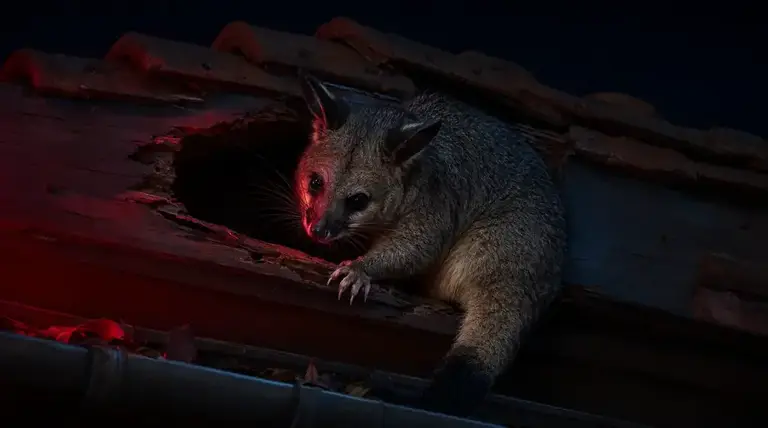
- Broken or lifted roof tiles and gaps in ridge capping, especially after storms.
- Eave and fascia gaps — brushtails squeeze through openings as small as 5–8 cm.
- Unscreened gable and eave vents, a favourite entry on older Queenslanders and Federation homes.
- Pipe and cable penetrations where gaps have opened around the flashing.
- Overhanging branches within a 2–3 metre leap — the most common launch pad onto the roof.
- Rotted or warped timber along barges and fascias that possums can widen with their claws.
If you are unsure whether the noises are possums or rodents, our guide to the signs of a possum infestation in your roof walks through the differences in sound, droppings and timing.
DIY vs Professional Possum Proofing
Handy homeowners can prune branches and clean gutters themselves, but eviction and sealing sit in regulated territory: because possums are protected, the removal-and-exclusion sequence must follow the legal possum removal process in Australia, and mistakes are both illegal and expensive. A licensed pest control technician brings ladder safety, a trained eye for hidden gaps and compliant one-way doors.
| Factor | DIY | Professional |
|---|---|---|
| Entry-point audit | Often misses hidden gaps | Full roofline inspection, inside and out |
| Eviction legality | Risk of trapping a protected animal | Compliant one-way doors and permits |
| Materials | Plastic mesh and foam get chewed through | Heavy-gauge galvanised mesh and sheet |
| Safety | Ladder and roof-work risk | Trained, insured roof access |
| Long-term result | Repeated patch-ups common | Warranty-backed exclusion |
The Correct Possum-Proofing Sequence
The correct sequence is: confirm and evict first, seal the structure second, remove the access routes third, then deter and maintain. Do these steps out of order and you either trap an animal inside or waste money on seals a possum tears open overnight.
1. Confirm and evict
Check for the signs of infestation and, if the void is occupied, fit a one-way exclusion door so the possum leaves at dusk but cannot return. Never seal a live void — a trapped possum dies slowly and the smell and damage are far worse than the original problem.
2. Seal the structure
Replace broken tiles, screen vents with heavy-gauge metal mesh (possums chew through plastic) and cap eave gaps with galvanised sheet or timber. Every gap of 5 cm or more gets treated, not just the one the possum is using tonight.
3. Remove the runway
Prune branches back at least 2 metres from the roof and fit a smooth 60–90 cm metal collar around trees and downpipes to stop climbing. This step is what separates a lasting job from a temporary one.
4. Deter, don’t harm
Possums navigate by scent and habit, so once the void is empty and sealed, clean urine-stained areas and replace fouled insulation — residual odour draws possums back to test the seals. Motion-activated lighting near the old entry reduces return visits without breaking any wildlife law.
Possum Proofing Costs in Australia (2025–26)
Across the Australian market, professional possum proofing generally sits between $450 and $1,500, with most standard homes falling around the $600–$900 mark. What the industry charges typically depends on roof size and pitch, the number of entry points, whether eviction is needed, and access difficulty on multi-storey homes.
| Service | Typical market rate (AUD) | What’s included/notes |
|---|---|---|
| Roof inspection and quote | $0–$150 | Entry-point audit; often free with booked work |
| One-way door eviction | $250–$450 | Door fitted, monitored 5–7 nights, then removed |
| Full proofing, standard home | $450–$900 | Mesh, tile repair, eave capping, entry sealing |
| Large or complex roof | $900–$1,500+ | Multi-storey, steep pitch, many gaps |
| Nest box supply and install | $150–$300 | Mounted 2–4 m up a nearby tree |
| Insulation clean-out (if soiled) | $400–$1,200 | Quoted separately based on contamination |
These figures reflect typical going rates across the Australian pest control industry. A thorough job the first time almost always costs less than repeated patch-ups after each new break-in — and far less than repairing a soaked ceiling or chewed wiring.
It’s worth noting that Aussie Pest Strike typically comes in well under these market rates while still delivering the same thorough, compliant work. For an exact quote tailored to your property, give us a call on [aps_phone].
Seasonal Possum Activity in Australia
Possum roof invasions peak in autumn (March to May), when cooler nights drive possums to seek warm harbourage indoors, with a second spike in spring as young disperse. Activity never fully stops, so proofing is worthwhile at any time of year.
Jan
Feb
Mar
Apr
May
Jun
Jul
Aug
Sep
Oct
Nov
Dec
Indicative roof-entry activity for brushtail possums across southern Australia. Peak activity runs March–May as possums seek winter harbourage, with a spring rise as juveniles disperse; northern regions see steadier year-round pressure.
Nine times out of ten, the possum didn’t make the hole — it found a gap the house already had and widened it. If we seal before we evict, we’re just building the animal a coffin and the owner a much bigger bill. Evict first, seal everything over five centimetres, and take the branches away — that order never changes.
Book a professional inspection before sealing anything. Our Possum Removal & Roof Proofing service handles the compliant eviction, full entry-point sealing with galvanised mesh, branch-trimming advice and a nest-box option — so the possum leaves legally, stays out, and you only pay for the job once.
Keeping Possums Out Long-Term
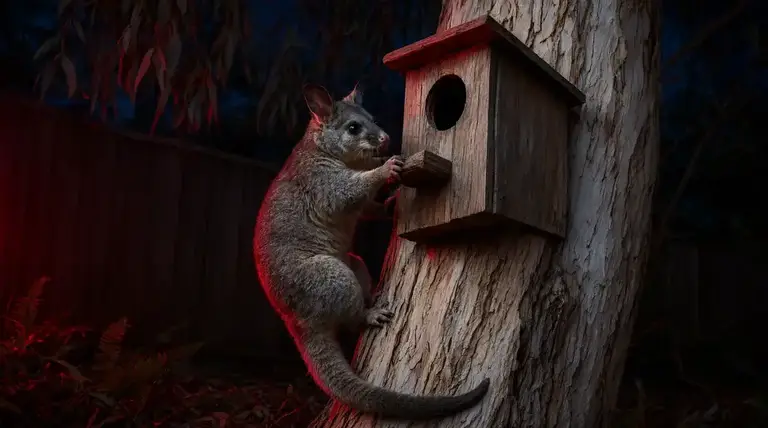
Long-term success comes down to three habits: provide an alternative nest box 2–4 metres up a nearby tree, re-check seals each autumn, and keep gutters clear so branches can’t regrow toward the roof. A quick annual roof inspection catches a lifted tile or corroded vent screen before a possum finds it.
One material rule is non-negotiable: mesh must be metal. Brushtails chew through plastic or foam fillers within a season, and even galvanised mesh should be checked for corrosion in coastal, salt-air suburbs where it degrades faster. A well-placed nest box dramatically reduces re-entry attempts because the displaced possum — which will not simply leave the area — has somewhere legal and dry to go.
Frequently Asked Questions
How small a gap can a possum squeeze through to get into my roof?
Brushtail possums can squeeze through gaps as small as 5–8 cm, which is smaller than most homeowners expect. That means an effective proofing job must cover the entire roofline, not just the obvious hole. Every opening of 5 cm or more — including eave and fascia gaps, lifted tiles, ridge capping gaps and unscreened vents — needs sealing with metal materials to keep possums out for good.
Why do I have to evict a possum before sealing the roof?
Possums are protected native wildlife under Australian state laws, so trapping one inside your ceiling is illegal and cruel. The correct sequence is to fit a one-way exclusion door first so the possum leaves at dusk and cannot return, then seal every entry point once the void is confirmed empty. Sealing a live void is the single most common and costly mistake homeowners make.
How do I seal a possum entry point without trapping the possum inside my roof?
Use heavy-gauge galvanised mesh, galvanised sheet or timber — never plastic or foam. Brushtail possums chew through soft fillers within a season, so plastic mesh and foam fillers fail quickly. Broken tiles should be replaced, vents screened with metal mesh, and eave gaps capped with galvanised sheeting. Metal is non-negotiable if you want seals that last beyond a single season.
How far back should I prune tree branches from my roof?
Prune branches back at least 2 metres from the roofline, because overhanging branches within a 2–3 metre leap are the most common launch pad onto the roof. Also fit smooth metal collars around 60–90 cm wide to trees and downpipes to stop climbing. Removing these access routes is what separates a lasting proofing job from a temporary patch-up.
What signs tell me a roof gap has been used by possums before I seal it?
Professional possum proofing costs vary widely because every roof is different. Pricing usually reflects the size and pitch of your roof, how many entry points need sealing, whether a possum must first be evicted, and how difficult the access is on multi-storey homes. Optional extras, such as installing a nest box or cleaning out contaminated insulation, are typically quoted as separate line items. A thorough inspection of your specific roof is the best way to get an accurate figure.
When are possums most likely to move into my roof?
Roof invasions peak in autumn, from March to May, when cooler nights drive possums to seek warm harbourage indoors. A second spike occurs in spring as young possums disperse. Activity never fully stops, though — northern regions see steadier year-round pressure — so proofing is worthwhile at any time of year rather than waiting for peak season.
Can I possum-proof my roof myself instead of hiring a professional?
Handy homeowners can prune branches and clean gutters themselves, but eviction and sealing sit in regulated territory because possums are protected native animals. DIY attempts often miss hidden gaps, use materials possums chew through, and risk illegally trapping a protected animal inside the ceiling. A licensed technician brings compliant one-way doors, trained inspection skills and safe roof access.
How do I stop possums coming back after the roof is sealed?
Clean urine-stained areas and replace fouled insulation, because residual odour draws possums back to test the seals. Fit motion-activated lighting near the old entry point to reduce return visits without breaking any wildlife law. Provide an alternative nest box mounted 2–4 metres up a nearby tree, re-check seals each autumn, and keep gutters clear so branches cannot regrow toward the roof.
How can Aussie Pest Strike tell whether the noises in my roof are possums or rodents?
Aussie Pest Strike can inspect your roof void and distinguish possum activity from rodent problems using differences in sound, droppings and timing. Possums produce heavy thumping or hissing at dusk and dawn, droppings near downlights and a persistent urine odour, while rodents behave differently. Getting the identification right matters, because the legal removal-and-exclusion process for protected possums differs entirely from standard rodent control.
What should I do before sealing anything if I suspect a possum in my roof?
Book a professional inspection before sealing any gaps. Aussie Pest Strike's possum removal and roof proofing service starts with a full entry-point audit inside and out, then handles compliant eviction with a one-way door before sealing with galvanised mesh. They can also advise on branch trimming and offer a nest box option, so the possum leaves legally and stays out long-term.
Sources & further reading
Found Something
Dangerous?
Don’t touch it. Don’t spray it. Keep kids and pets clear, take a photo from a safe distance, and call us — or book a free inspection and we’ll come to you.
02 7235 0050