Possum orRat? DecodingRoof Noises
Possum or rat in the roof? Decode roof noises by sound, timing and droppings to identify what's overhead and choose the right, legal response fast.
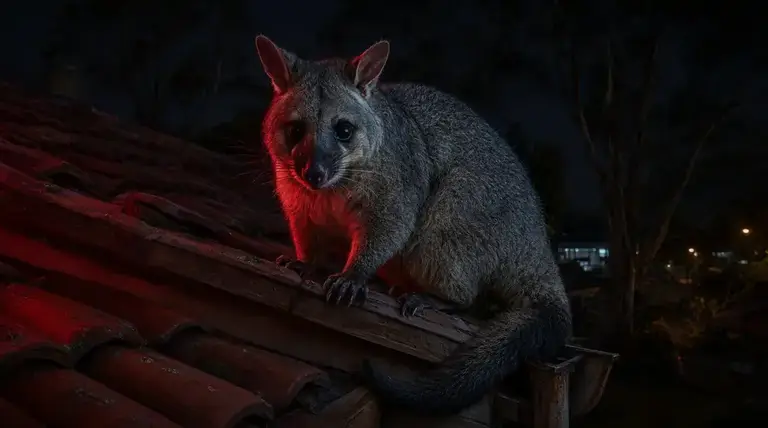
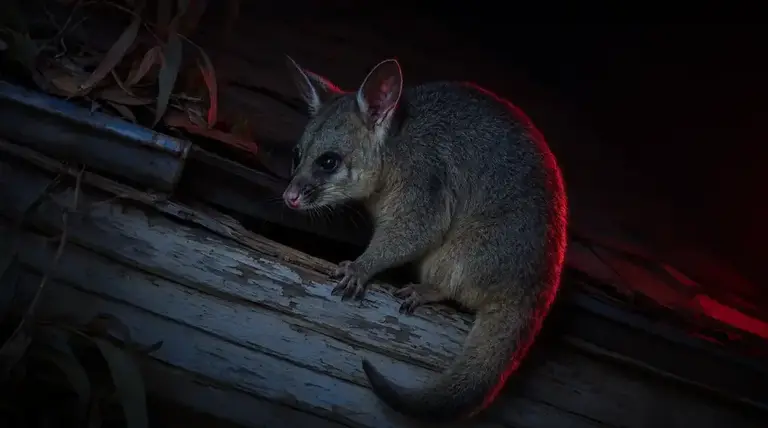
Possum or rat? Heavy, slow thumps overhead and loud noise concentrated around dusk and dawn usually mean a possum in your roof, while fast scurrying, scratching and gnawing after dark point to rats. If the letter o in “roof” is the only thing you are sure of, this guide will change that. Getting the identification right is not a trivial detail: possums are protected native wildlife and rats are an unprotected pest, so the legal and practical response is completely different for each.
This article decodes roof noises the way a licensed pest control technician would — by weight, timing, location and physical evidence. Whether you live in a Queenslander on stumps, a brick veneer in the suburbs or a newer slab home, the clues are the same, and by the end you will know exactly what is moving above your ceiling and what to do about it.
- An adult brushtail possum weighs 1.5–4 kg, so it makes heavy, slow thumps; a black rat weighs only 120–200 g and produces light, rapid scurrying.
- Possums are loudest at dusk and dawn as they leave and return; rats are active through the night and gnaw constantly on timber, wiring and plastic.
- Possums are protected under state wildlife laws — they must be excluded humanely and can never be harmed or relocated by unlicensed people.
- Never seal entry points until a professional confirms the roof void is empty; trapping an animal inside is illegal and inhumane.
- A professional inspection settles the possum-or-rat question quickly using droppings, entry-point evidence and cameras.
Why the “O” in Your Roof Matters: Australian Climate and Housing
Roof void intrusions are one of the most common pest control call-outs across Australia because our housing stock and climate suit both animals perfectly. Warm roof cavities, abundant street trees and mild winters give possums and rats year-round shelter, from tropical Brisbane to cooler Melbourne and Hobart.
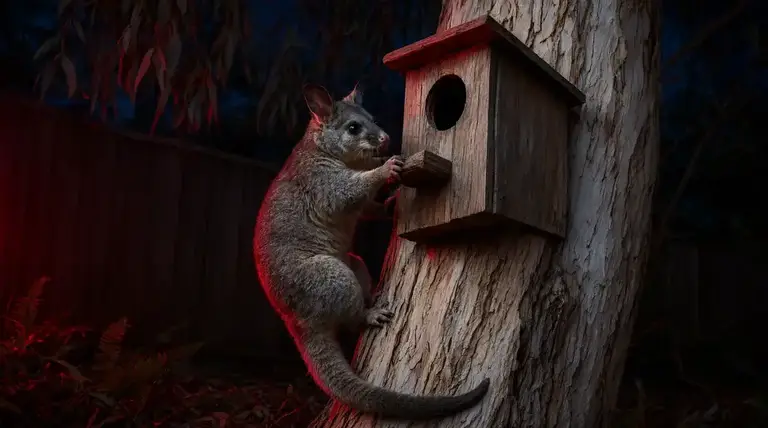
Housing style shapes the risk. Older Queenslanders on stumps have gaps at eaves and gables that invite possums, while brick veneer homes on slabs often develop weep holes and broken ridge capping that rats exploit. Homes with a subfloor give rodents an easy ground-level run into wall cavities and up into the ceiling. Overhanging branches act as a highway for brushtails, and fruit trees, compost bins and pet food keep rat populations ticking over in every capital city. Whether the intruder is a possum or a rat, the roof void — that quiet, dark space with the “o” in the middle — is prime real estate for both.
Warning Signs: Is It a Possum or a Rat?
The fastest way to tell a possum from a rat is to compare the weight, timing and physical evidence each animal leaves behind. Use this checklist before you touch anything.
- Sound character — heavy, slow thumps and shuffling suggest a possum; light, fast scurrying and scratching suggest rats.
- Vocalisations — possums hiss, cough and make clicking calls; rats are mostly silent apart from faint squeaks.
- Timing — possums are loud at dusk and dawn as they exit and return; rats are scattered through the night and sometimes active by day.
- Gnawing — constant chewing of timber, wiring or plastic is almost certainly rats; possums rarely gnaw.
- Droppings — possums leave large 1–2 cm oval pellets; rats leave small, dark, rice-grain-sized droppings.
- Smell — possum urine produces a strong ammonia odour that can stain plaster ceilings; rat odour is muskier and accompanies greasy rub marks.
- Runways and nests — rats leave dark, greasy trails along beams from oily fur; possums flatten insulation into a broad nest.
- Entry size — possums need a gap around 5–7 cm, while a rat can squeeze through a hole as small as 12–20 mm.
Two or three of these signs together usually give a confident answer. For a deeper dive on the possum side, see our guide to the signs of a possum infestation in your roof, and for the rodent side read about roof rats in Australia: behaviour and control.
DIY vs Professional Identification and Removal
Listening at dusk and checking for droppings is a sensible DIY first step, but the moment the answer points to a possum, the legal requirements make professional help the only safe path. Here is how the two approaches compare.
| Factor | DIY | Professional |
|---|---|---|
| Identification accuracy | Guesswork from sound alone; easy to confuse a large rat with a young possum | Confirmed with droppings, entry points and camera evidence |
| Legality (possums) | Trapping or relocating possums without a licence breaches wildlife law | Licensed handlers exclude possums humanely and lawfully |
| Rodent control | Supermarket baits and traps help but rarely address entry points | Proofing plus a managed baiting/trapping program by licensed technicians |
| Risk of sealing animals in | High — can trap a possum or joey inside | Low — void is confirmed empty before proofing |
The legal position is worth stating plainly: if you hear roof noises and suspect possums, remember they are protected under state wildlife legislation, so they must be excluded humanely and never harmed. Our article on what Australian law says you can do about a possum in the roof sets out the rules state by state, while the legal possum removal process explains how licensed operators comply.
What Does Identification and Removal Cost in Australia?
Across the Australian pest control industry, typical 2025–26 market rates for roof pest work range from around $150 for a basic inspection to $800 or more for combined possum exclusion and roof proofing, depending on access and building size. These are general industry figures, and what operators charge varies by state, roof pitch and the extent of entry-point repairs.
| Service | Typical market rate (AUD) | What’s included/notes |
|---|---|---|
| Roof void inspection and identification | $150–$280 | Visual inspection, droppings analysis, camera check, written findings |
| Possum exclusion (one-way door + proofing) | $350–$800 | Humane exit device, sealing of entry points, follow-up check |
| Rat baiting/trapping program | $250–$500 | Tamper-resistant stations, 2–3 visits, entry-point recommendations |
| Full roof proofing (both pests) | $600–$1,500 | Comprehensive sealing of eaves, vents, ridge capping and weep holes |
For a full breakdown of what humane possum work involves across the industry, see our Possum Removal & Roof Proofing service page. Any chemical rodent control should be applied by licensed technicians using APVMA-registered products, placed in tamper-resistant stations away from children, pets and native wildlife.
Worth knowing: Aussie Pest Strike typically comes in well under these general market rates, so the figures above are a ceiling rather than a guide to what you’ll pay with us. For an exact quote tailored to your property, give us a call on [aps_phone].
Seasonal Activity: When Roof Noises Peak
Possum roof intrusions peak in autumn and early winter, when cooler nights drive animals to seek warm cavities and the autumn breeding season increases movement. Rat activity also climbs in autumn as outdoor food sources decline, so March to June is the busiest stretch for roof-noise call-outs nationally.
Jan
Feb
Mar
Apr
May
Jun
Jul
Aug
Sep
Oct
Nov
Dec
Typical combined possum and rat roof-noise reports across Australia. Activity climbs through autumn as nights cool and food outdoors becomes scarce, peaks in May–June, then eases over summer — though the September–October bump reflects possum spring breeding and new joeys. Tropical regions see flatter, year-round activity.
“Nine times out of ten the homeowner already knows the answer — they just don’t trust it. If it sounds like a person walking across your ceiling, it’s a possum; if it sounds like a handful of marbles rolling fast, it’s rats. The mistake we see is people sealing holes the same night, which is exactly how you end up with a trapped possum and a much bigger problem.”
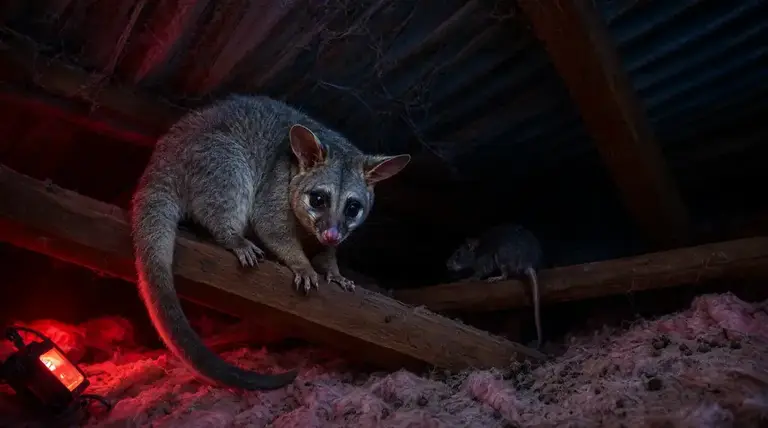
Listen for two or three nights and note the weight and timing of the noise, then book a professional inspection before touching any entry points. If it is a possum, insist on humane, licensed exclusion with proofing. If it is rats, get a proofing-plus-baiting program — and remember that rodents in the roof void can coexist with a possum, so confirm the void is fully empty before anything is sealed.
Frequently Asked Questions
What do the sounds of a possum versus a rat in my roof actually sound like?
Compare the weight, timing and evidence. A possum makes heavy, slow thumps and shuffling, loudest at dusk and dawn as it leaves and returns, and may hiss, cough or click. Rats make light, fast scurrying and scratching through the night, with constant gnawing on timber, wiring or plastic. Droppings also differ: possums leave large 1–2 cm oval pellets, while rats leave small, dark, rice-grain-sized droppings.
Why does it matter whether the animal is a possum or a rat?
The legal response is completely different. Possums are protected native wildlife under state legislation, so they must be excluded humanely by licensed handlers and can never be harmed or relocated by unlicensed people. Rats are unprotected pests that can be controlled with baiting and trapping programs. Getting the identification right determines what you are legally allowed to do about the noise above your ceiling.
What size gap can a possum or a rat squeeze through?
A brushtail possum needs a gap of around 5–7 cm to enter a roof void, so look for openings at eaves, gables or broken ridge capping of roughly that width. A rat can squeeze through a hole as small as 12–20 mm, which means weep holes, small cracks and gaps around pipes are enough for rodents to gain entry into wall cavities and ceilings.
What do possum and rat droppings look like?
Possum droppings are relatively large, oval pellets measuring about 1–2 cm. Rat droppings are much smaller — dark and rice-grain-sized. You may also notice other physical evidence: rats leave dark, greasy rub marks along beams from their oily fur, while possums tend to flatten insulation into a broad nest. Possum urine produces a strong ammonia odour that can stain plaster ceilings; rat odour is muskier.
When are roof noises from possums and rats most common?
Possum roof intrusions peak in autumn and early winter, when cooler nights drive animals into warm cavities and breeding season increases movement. Rat activity also climbs in autumn as outdoor food sources decline. Nationally, March to June is the busiest stretch for roof-noise call-outs, peaking around May–June, with a smaller spring bump in September–October linked to possum breeding and new joeys. Tropical regions see flatter, year-round activity.
Is it safe to try relocating a possum that is living in my roof?
No. Possums are protected under state wildlife laws, and trapping or relocating them without a licence breaches that legislation. They must be excluded humanely using methods such as one-way exit devices, handled by licensed operators. DIY listening at dusk and checking droppings is fine as a first step, but once the signs point to a possum, professional help is the only lawful path.
Should I seal roof entry points straight away?
No. Never seal entry points until a professional confirms the roof void is empty. Sealing too early can trap a possum — possibly with a joey — inside the cavity, which is both illegal and inhumane, and creates a much bigger problem. Rodents can also coexist with a possum in the same roof void, so the space must be fully confirmed clear before any proofing work begins.
How does housing style affect the risk of roof pests?
Older Queenslanders on stumps have gaps at eaves and gables that invite possums, while brick veneer homes on slabs often develop weep holes and broken ridge capping that rats exploit. Homes with a subfloor give rodents an easy ground-level run into wall cavities and up into the ceiling. Overhanging branches act as highways for brushtails, and fruit trees, compost bins and pet food sustain rat populations near any home.
How can Aussie Pest Strike help me confirm whether I have a possum or a rat?
Sound alone is easy to misread — a large rat can be confused with a young possum. Aussie Pest Strike technicians settle the question with a proper roof void inspection, checking droppings, entry-point evidence and using cameras where needed, then provide written findings. That confirmation matters because the lawful response differs: protected possums require humane licensed exclusion, while rats call for proofing plus a managed baiting or trapping program.
What should my next step be after hearing noises in the ceiling?
Listen for two or three nights and note the weight and timing of the noise before touching anything. Then book an inspection with Aussie Pest Strike rather than sealing holes yourself, since trapping an animal inside is illegal and inhumane. If it is a possum, insist on humane, licensed exclusion with proofing; if it is rats, ask about a proofing-plus-baiting program that addresses entry points, not just the animals.
Sources & further reading
Found Something
Dangerous?
Don’t touch it. Don’t spray it. Keep kids and pets clear, take a photo from a safe distance, and call us — or book a free inspection and we’ll come to you.
02 7235 0050