Possum NestBoxes: The Legal,Humane Alternative
Possum nest boxes — a possum nest box is a legal, humane way to give a displaced possum somewhere to live after you seal it out of your roof, and it...
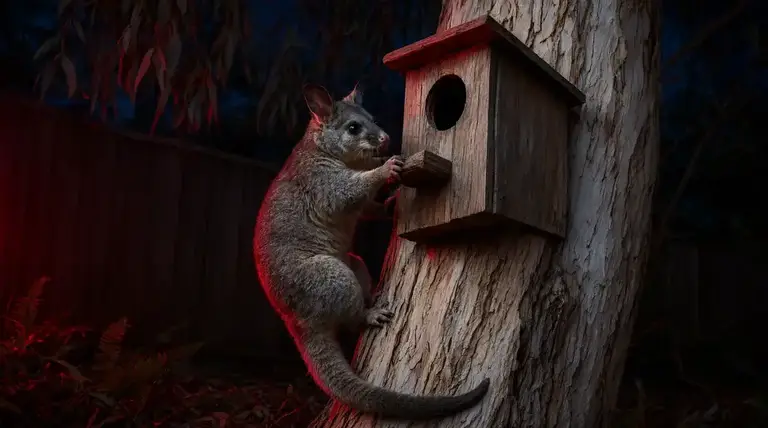
Possum nest boxes are the legal, humane way to give a displaced possum somewhere to live after it has been sealed out of your roof — and they dramatically improve the chance the animal stays out for good. A possum nest box is, in plain terms, an artificial tree hollow: a weatherproof timber den mounted high in a tree that replaces the natural hollows our suburbs have lost. Whether you found this page researching possums or with a stray search like “o”, the answer to a possum in the ceiling is almost never poison or force — it is exclusion plus an alternative home.
Because possums are protected native wildlife and cannot legally be relocated far from where they are caught under Australian law, offering an alternative den is often the missing piece that makes exclusion succeed. This guide covers why nest boxes matter in Australian suburbs, how to match a box to the species, what installation and professional help typically cost in 2025-26, and how seasonal behaviour affects your timing.
- A possum nest box replaces lost natural tree hollows, which can take 100 years or more to form, and redirects an evicted possum away from your roof.
- Possums are protected in every state; they cannot be relocated beyond the legally permitted distance, so an on-site den is usually the only lawful long-term fix.
- Match the box to the species: larger boxes (40–50 cm tall) for brushtails, smaller boxes for ringtails, always in untreated hardwood.
- Install the box at least 4 metres up, shaded from afternoon sun, before or at the same time as sealing the roof.
- Budget roughly $80–$400 for a quality box and $250–$900+ for professional exclusion and installation, depending on roof access and proofing scope.
Why Possum Nest Boxes Matter Across Australian Suburbs
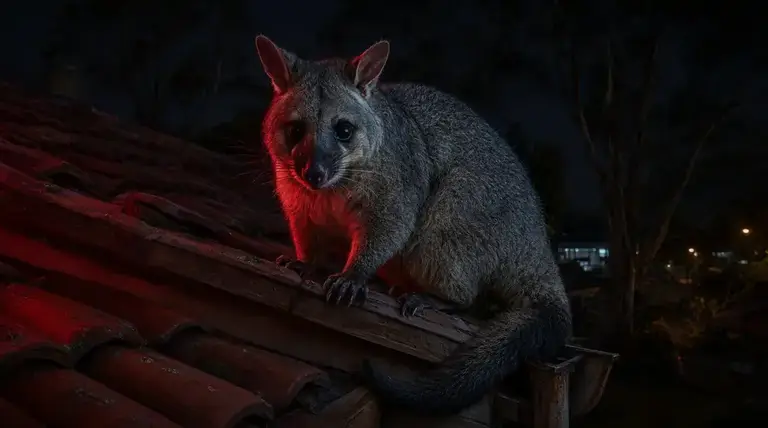
Nest boxes matter because Australian housing and Australian wildlife are on a collision course: older suburbs have lost most of their hollow-bearing trees, while our roofs offer possums the perfect warm, dry substitute. From weatherboard Queenslanders in Brisbane to brick veneer homes in Melbourne and tile-roofed houses on concrete slabs in Perth, ceiling cavities suit both the common brushtail and the smaller ringtail possum.
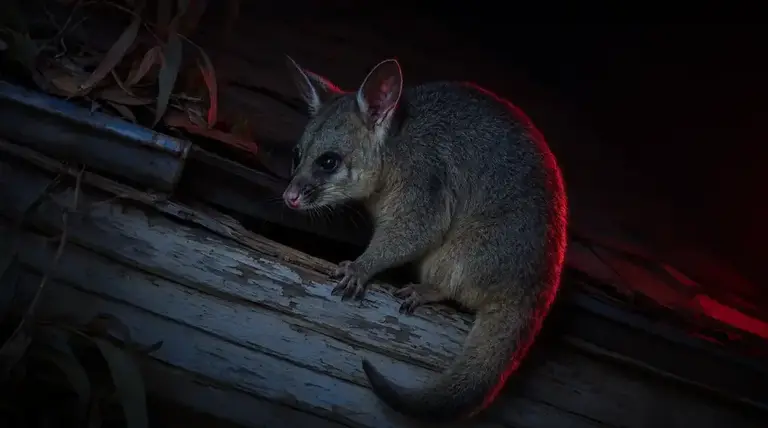
When you evict a possum from a roof, it still needs daytime shelter within its home range — possums are highly territorial and will not simply move on. In many established suburbs a hollow suitable for a possum takes a century or more to form naturally, so the animal looks for the next best cavity, which is usually straight back into your roof or your neighbour’s. A nest box replaces that lost hollow and breaks the cycle. This is why any reputable Possum Removal & Roof Proofing program treats the nest box as part of the solution, not an optional extra. It is also worth confirming your legal footing first — our guide to Possum in the Roof? What Australian Law Says You Can Do explains the state-by-state rules on trapping, release distances and permits.
Warning Signs You Need a Nest Box as Part of the Plan
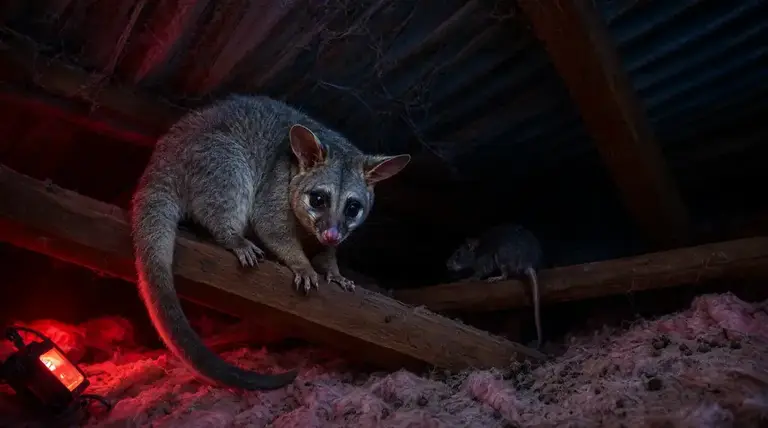
The clearest sign you need a nest box is confirmed possum activity in your roof combined with few mature trees nearby — the animal has nowhere else to go once you seal it out. Watch for these indicators before you organise exclusion work:
- Heavy thumping or scrambling at night — possums are nocturnal and far louder than rats, usually active just after dusk and before dawn.
- Strong ammonia-like odour or ceiling stains — possum urine soaks insulation and plaster over time.
- Visible entry gaps — lifted tiles, damaged eaves, uncapped chimneys or gaps around gables wider than a fist.
- Droppings in the roof cavity — larger and darker than rodent droppings, often near the entry point.
- Scratches or rub marks on downpipes and cladding — regular climbing routes leave tell-tale marks.
- Previous re-entry after sealing — a possum that keeps returning is a possum with no alternative den; this is the classic case for a box.
For a fuller diagnostic walkthrough, see our checklist of Signs of a Possum Infestation in Your Roof. If several of these apply, plan the nest box at the same time as the proofing work — not as an afterthought.
DIY vs Professional: Boxes, Exclusion and the “o” Factor of Getting It Right
Buying and mounting a nest box is a reasonable DIY job if you are confident on a ladder and have suitable trees; the exclusion and legal trapping side is where most homeowners should call a licensed pest control operator. Even a single mistimed decision — sealing the roof while a joey is inside, for instance — turns a simple job into a welfare and legal problem. Here is how the two approaches compare:
| Factor | DIY approach | Professional approach |
|---|---|---|
| Nest box supply and mounting | Buy or build a box, mount 4 m+ up a tree; suits confident DIYers | Supplied, sited and secured as part of the job, matched to species |
| Trapping and release | Restricted; permits and rules vary by state and mistakes are unlawful | Licensed operator traps and releases within the legal distance |
| Roof proofing | Possible for simple gaps; easy to miss secondary entry points | Full inspection, one-way exits, then sealing of all entry points |
| Risk of sealing animal inside | Higher, especially with joeys in spring | Checked before sealing; removal under permit if needed |
| Warranty and follow-up | None | Workmanship warranty and re-inspection typically included |
The legal steps a licensed technician follows — permits, release within the required distance, and proofing — are laid out in our explainer on Possum Removal in Australia: The Legal Process Explained. Never seal a roof if there is any chance a possum or its joey is still inside.
What Do Possum Nest Boxes and Exclusion Cost in Australia?
Across the Australian market in 2025-26, a quality hardwood possum nest box typically retails for $80–$400, while a full professional service combining removal, roof proofing and box installation generally lands between $450 and $1,200 depending on roof type and access. Market prices vary with house construction — a single-storey brick veneer on a slab is simpler than a high-set Queenslander with a steep tile roof — and with how many entry points need sealing.
| Service | Typical market rate (AUD) | What’s included/notes |
|---|---|---|
| Hardwood nest box (supply only) | $80–$250 | Untreated hardwood; brushtail boxes sit at the upper end |
| Custom or insulated nest box | $200–$400 | Insulated roof panel or ventilation for hot-climate regions |
| Box installation only | $100–$250 | Mounted 4 m+ with correct aspect and secure fixing |
| Possum removal and release | $250–$500 | Licensed trapping, release on-site per state rules |
| Roof proofing / exclusion | $300–$900+ | Entry-point audit, one-way door, sealing, minor repairs |
| Full package (removal + proofing + box) | $450–$1,200 | Best value; usually includes follow-up inspection and warranty |
These figures are typical Australian market rates — what the industry generally charges — not fixed quotes, and a free on-site inspection remains the only reliable way to price your property.
Here’s the good news: Aussie Pest Strike typically comes in well under these market rates. For an exact quote tailored to your property, give us a call on [aps_phone].
Seasonal Possum Activity in Australia
Possum pressure on roofs peaks in autumn and spring: the autumn breeding season pushes males to seek secure dens, while spring brings joeys and a surge of re-entry attempts as mothers look for safe shelter. Activity never fully stops, but winter often sees possums holding tight to existing roof dens, and summer heat can push them toward tree cavities — a good window for box adoption.
Jan
Feb
Mar
Apr
May
Jun
Jul
Aug
Sep
Oct
Nov
Dec
Indicative possum roof-entry pressure across a typical Australian year: autumn breeding (March–May) and the spring joey season (September–October) drive the sharpest spikes, while summer heat sees more possums sheltering in tree hollows and boxes.
Installing and Encouraging a Possum to Adopt the Box
Placement is everything: a poorly sited box stays empty while the possum returns to your roof. Mount the box at least 4 metres up a sturdy trunk, with the entrance facing away from hot afternoon sun and prevailing rain, within the possum’s home range but away from your roofline. Install it before or at the same time as sealing, and add a handful of dry leaves or bark as bedding. Match the build to the species — brushtails need a box roughly 40–50 cm tall with a 12–15 cm entrance, while ringtails use a smaller box and will also build a dome-shaped drey in dense shrubs. Use untreated hardwood, never treated pine, and avoid metal that overheats through the December–February summer.
Possums can take a few weeks to accept a new box, so patience helps. A little diluted honey or eucalyptus scent near the entrance can make it more inviting, and clear flight paths from nearby branches matter. In hot regions, insulate the box roof or add ventilation gaps — internal temperatures above 40 °C make a thin-walled box unusable. Check the box each season for wasps, bees or bird nests that might take it over instead. Pair the box with the deterrent measures in our guide to possum deterrents that work for the best long-term result.
Nine times out of ten, a possum that “keeps coming back” is a possum with nowhere else to go. When we pair a properly sited nest box with thorough proofing, the re-entry rate drops dramatically. Skip the box and you’re asking the animal to choose between your ceiling and the weather — and your ceiling wins.
Treat the nest box as half of the solution and roof proofing as the other half — neither works well alone. Have a licensed technician confirm the roof is clear (especially of joeys in spring), seal every entry point, and mount a species-matched hardwood box at least 4 metres up before the job is signed off.
Frequently Asked Questions
Why does a possum need a nest box after being removed from my roof?
Possums are highly territorial and will not simply move on once evicted. In many established suburbs, a natural tree hollow suitable for a possum takes a century or more to form, so the animal has nowhere else to shelter within its home range. Without an alternative den, it usually returns straight to your roof or moves into a neighbour's. A nest box replaces that lost hollow and breaks the cycle.
Is it legal to relocate a possum away from my property?
No. Possums are protected native wildlife in every Australian state, and they cannot legally be relocated far from where they are caught. Release rules and permitted distances vary by state, so an on-site den such as a nest box is usually the only lawful long-term fix. Trapping should be done by a licensed operator who follows the legal process for permits, release distance and proofing.
What size nest box suits a brushtail compared with a ringtail possum?
Brushtail possums need a larger box, roughly 40–50 cm tall with a 12–15 cm entrance. Ringtails use a smaller box and will also build a dome-shaped drey in dense shrubs if available. Whichever species you are catering for, always use untreated hardwood — never treated pine — and avoid metal boxes, which overheat through the December–February summer.
Where and how high should I install a possum nest box?
Mount the box at least 4 metres up a sturdy trunk, with the entrance facing away from hot afternoon sun and prevailing rain. Place it within the possum's home range but away from your roofline, with clear flight paths from nearby branches. Install it before or at the same time as sealing the roof, and add a handful of dry leaves or bark as bedding.
How long does it take for a possum to start using a new nest box?
Possums can take a few weeks to accept a new box, so patience helps. You can make it more inviting by placing a little diluted honey or eucalyptus scent near the entrance. Placement matters most: a poorly sited box stays empty while the possum returns to your roof. In hot regions, insulate the box roof or add ventilation gaps, because internal temperatures above 40 °C make a thin-walled box unusable.
How much do possum nest boxes and professional exclusion cost in Australia?
Costs vary widely. A basic hardwood possum nest box is usually the cheapest option, while larger, insulated or custom-built designs cost more. Installing a box yourself keeps expenses low, whereas hiring a professional to install it adds a labour fee. Full exclusion services that combine possum removal, roof proofing and box installation sit at the higher end of the price range.
When is the best time of year to install a nest box and seal my roof?
Possum pressure on roofs peaks in autumn (March–May), when breeding males seek secure dens, and in spring (September–October), when mothers with joeys look for safe shelter. Summer heat pushes possums toward tree cavities, making it a good window for box adoption. Whatever the season, install the box before or at the same time as sealing, and never seal a roof if a possum or joey may still be inside.
Should I buy and mount a nest box myself or hire a professional?
Buying and mounting a nest box is a reasonable DIY job if you are confident on a ladder and have suitable trees. The exclusion and legal trapping side is where most homeowners should call a licensed pest control operator. Mistakes such as sealing the roof while a joey is inside create welfare and legal problems, and DIY proofing often misses secondary entry points that professionals find during a full inspection.
I have followed the advice in this article but possums keep returning to my roof. How do I arrange practical help?
If a possum keeps re-entering despite your prevention steps, it likely has no alternative den nearby — the classic case for a combined approach. Aussie Pest Strike can inspect your roof, identify all entry points, carry out lawful trapping and release, complete the proofing work and site a nest box matched to your local species. Contact them to arrange an on-site inspection and receive a quote tailored to your property's roof type and access.
How do I get a quote for possum removal, roof proofing and nest box installation together?
Aussie Pest Strike offers inspections and typically comes in under typical market rates for a full package covering removal, proofing and box installation. Get in touch to book an inspection and discuss timing around seasonal possum activity.
Sources & further reading
Found Something
Dangerous?
Don’t touch it. Don’t spray it. Keep kids and pets clear, take a photo from a safe distance, and call us — or book a free inspection and we’ll come to you.
02 7235 0050