Flea Treatment DoneRight: Pets, Homeand Yard Together
Flea treatment — Flea treatment done — flea treatment only works when the pet, the home interior and the yard are treated at the same time — miss one and...
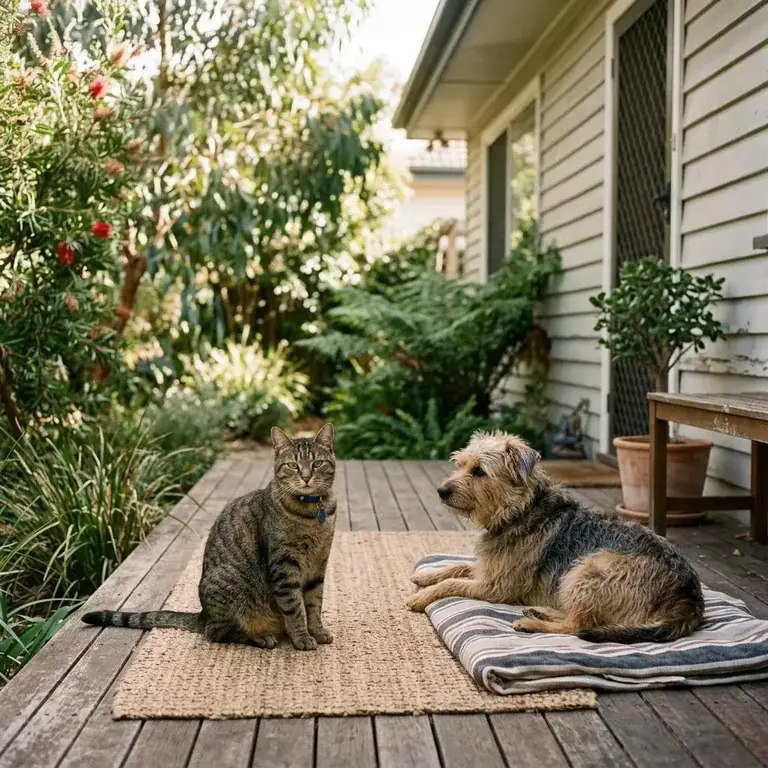
Flea treatment only works when the pet, the home interior and the yard are treated at the same time — miss one zone and survivors simply re-seed the other two. Across Australia, from humid Queensland subfloors to temperate southern brick veneer homes, fleas follow the same life cycle, and that cycle runs across all three zones at once.
In simple terms: flea treatment is the coordinated control of adult fleas and immature stages (eggs, larvae and pupae) across the animal, the building and the outdoor environment in a single treatment window. Because most of the infestation lives off the animal, spraying the dog and hoping for the best is not a strategy. This guide explains why a three-zone approach works, how to time it, what it costs in 2025-26, and when to call a licensed pest control technician.
- Treat pet, home and yard in the same 24-hour window — splitting zones across days is the most common reason flea jobs fail.
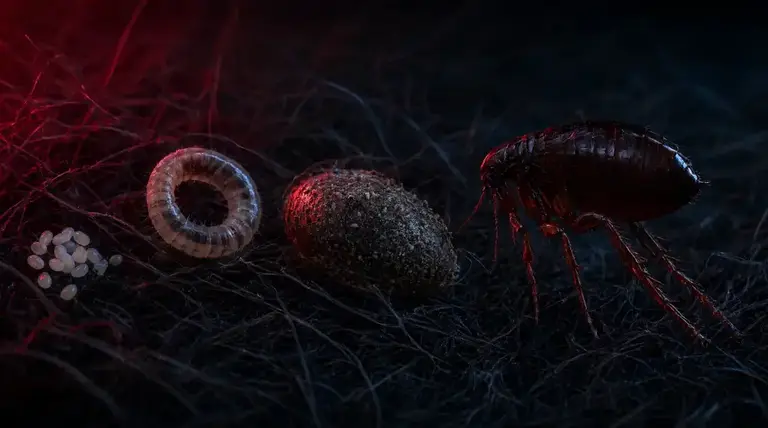
- Up to 95% of a flea infestation is eggs, larvae and pupae living in carpets, cracks and shaded yard areas, not on the animal.
- Vacuum daily for 10-14 days after treatment and wash pet bedding above 60°C weekly.
- Professional flea treatment pairs an adulticide with an insect growth regulator (IGR) so hatching stages can’t reach adulthood.
- In warm, humid parts of Australia fleas breed year-round — maintain monthly pet protection from spring through autumn at minimum.
Why Flea Treatment Matters in Australian Homes and Climates
Fleas matter across Australia because our warm climate lets the life cycle complete in as little as three weeks, and our housing styles give larvae endless hiding places. Soil and indoor temperatures of 21-29°C — common for much of the year in most states — are ideal breeding conditions.
The cat flea, which infests both cats and dogs, spends its adult life on the animal but drops eggs everywhere the pet goes. Housing type changes the risk profile: elevated Queenslanders and older homes with subfloors create cool, shaded, humid voids where larvae thrive and where wildlife hosts like possums and feral cats can nest. Slab-on-ground homes and brick veneer places shift the problem indoors, into carpet pile, floor cracks and along skirtings. In the tropical north fleas breed year-round; in southern states activity peaks from spring through autumn but heated homes can sustain infestations through winter. Treat the dog alone and carpet larvae mature into new adults within weeks; spray the carpet alone and the untreated pet reinfests it within hours.
Warning Signs You Need Flea Treatment
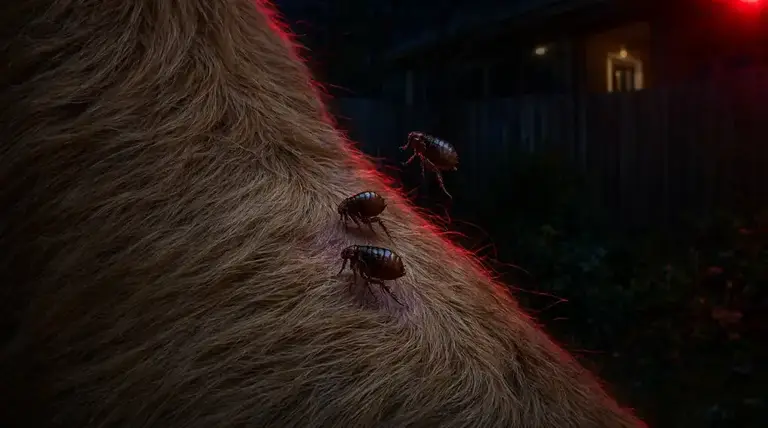
The clearest warning sign is persistent pet scratching combined with flea dirt (black grit that reddens on damp paper) in the coat. Fleas announce themselves through the pet first, then through bites on people.
- Scratching, biting or over-grooming — especially around the tail base, groin and neck, sometimes with hair loss or scabs.
- Flea dirt in the coat — fine black specks that turn reddish-brown on a wet tissue; this is digested blood.
- Bites on ankles and lower legs — small, itchy red bumps on people, often in clusters, after walking across carpeted areas.
- Fleas seen jumping on socks or furniture — white socks across carpet are a quick field test.
- Restless pets avoiding certain rooms or bedding — a sign of heavy pressure in specific hotspots.
- Bites appearing after moving in or after pets have been away — dormant pupae hatch when vibration and warmth signal a host; our guide to Flea Infestations: Where Fleas Actually Hide in Your Home maps the usual hotspots.
The Three-Zone Flea Treatment Plan: DIY vs Professional
The plan is the same either way — pet, home and yard together — but the products and thoroughness differ sharply between DIY and professional work. Vets supply the pet products; a licensed pest control technician supplies the interior and yard chemistry that actually breaks the cycle.
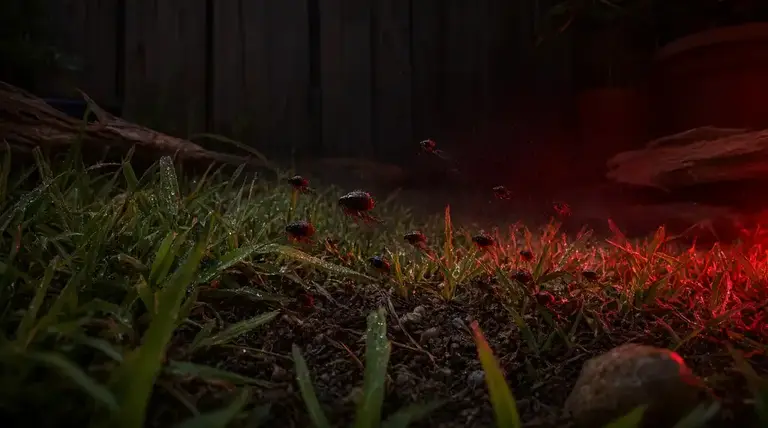
On the pet, use a vet-recommended spot-on or oral product that kills adults for weeks and often includes an egg-development blocker — treat every warm-blooded pet in the household, not just the scratcher. Inside, vacuum thoroughly first (this lifts carpet pile and triggers dormant pupae), then treat carpets, rugs, skirting, floor cracks and pet bedding. Outside, focus on shaded, moist zones where pets rest — under decks, along fence lines and in garden beds; open lawn in full sun rarely needs treatment.
| Factor | DIY approach | Professional approach |
|---|---|---|
| Pet zone | Vet spot-on or oral product on all animals | Same — coordinated with the interior treatment window |
| Home interior | Vacuuming plus supermarket sprays; rarely includes an IGR | Adulticide plus insect growth regulator across carpets, skirtings and cracks |
| Yard | Often skipped or over-sprayed across open lawn | Targeted spray of shaded rest areas, decks and fence lines |
| Residual control | Short — pupae keep hatching and re-infesting | Weeks of IGR activity stop new stages reaching adulthood |
| Typical outcome | Knocks numbers down; rebound within weeks is common | Cycle broken in one window; full clear-out in two to four weeks |
Flea Treatment Costs in Australia (2025-26)
Across the Australian pest control industry, professional flea treatment for a standard home generally costs between $180 and $450, depending on property size, yard area and infestation severity. These are typical market rates — what licensed operators around the country generally charge — not a quote from any single provider. End-of-lease flea treatments sit at the lower end of the market because they are usually preventive rather than reactive.
| Service | Typical market rate (AUD) | What’s included/notes |
|---|---|---|
| Interior-only treatment (unit/small home) | $180-$280 | Adulticide + IGR to carpets, skirtings, cracks and bedding areas |
| Interior + yard (standard house) | $260-$450 | Full three-zone job minus the vet product; shaded yard zones treated |
| Severe infestation / large property | $400-$600+ | Subfloor or multi-room pressure; may need a follow-up visit |
| End-of-lease flea spray | $150-$250 | Often required by tenancy agreements with pets — see End-of-Lease Flea Treatment: What Australian Renters Need to Know |
| Vet flea product (per pet, monthly) | $15-$35 | Spot-on or oral; ongoing protection is essential after any treatment |
Market rates vary by state and access — subfloors, heavy furnishings and large yards add time and therefore cost. Always use a licensed technician for chemical applications; products applied professionally are used in line with APVMA-approved label directions.
Here’s the good news: Aussie Pest Strike typically comes in well under these market rates for the same licensed, professional-grade work. For an exact quote tailored to your property, give the team a call on [aps_phone] — we’ll talk you through it straight up.
Seasonal Flea Activity Across Australia
Flea activity in Australia peaks from late spring through autumn and dips in winter, though northern regions stay active year-round. Warmth and humidity drive the cycle — once soil and indoor temperatures sit in the 21-29°C band, eggs to adults can take as little as three weeks.
Jan
Feb
Mar
Apr
May
Jun
Jul
Aug
Sep
Oct
Nov
Dec
Indicative national pattern: activity builds from September, peaks in the humid early-summer months, and tapers through winter — heated homes and northern regions can sustain infestations all year.
Timing the Treatment and Aftercare That Prevents a Comeback
Treat the pet on the same morning as the interior and yard treatment so any adult jumping off a re-entering pet lands on a treated surface. Coordination in one 24-hour window is everything; splitting zones across different days is the most common reason an otherwise professional job fails.
Keep pets off freshly treated wet surfaces until they dry, then let them roam normally — their movement helps distribute the growth regulator into resting spots. For aftercare, vacuum daily for 10-14 days to keep triggering pupae into the treated zone, empty the vacuum outside each time, and wash pet bedding above 60°C weekly. Where the source was wildlife rather than a pet — possums in a subfloor, feral cats under a deck — read about Fleas Without Pets: How Infestations Still Happen so you don’t miss a hidden host feeding the problem. Ongoing monthly pet protection matters most from spring through autumn.
Nine times out of ten, a failed flea job comes down to timing — the pet got treated on Monday and the house on Friday. We book everything into one window and make sure the growth regulator goes down where the larvae actually live. Do that, vacuum daily for a fortnight, and the problem finishes instead of bouncing back.
Book your vet’s pet product and a professional interior-and-yard treatment for the same 24-hour window. Use a licensed pest control technician who applies an adulticide plus insect growth regulator, vacuum daily for two weeks, and keep every pet on monthly protection. If you’re renting with pets, check whether your lease requires a documented flea spray before you hand back the keys.
Frequently Asked Questions
Why must pets, home and yard be treated at the same time for fleas?
Fleas complete their life cycle across all three zones at once, so treating only one area lets survivors re-seed the others. Most of the infestation — up to 95% — is eggs, larvae and pupae living in carpets, cracks and shaded yard areas, not on the animal. Treating the pet, interior and yard within the same 24-hour window breaks the cycle; splitting zones across days is the most common reason flea jobs fail.
What are the warning signs that my home needs flea treatment?
The clearest signs are persistent pet scratching combined with flea dirt in the coat — fine black specks that turn reddish-brown on a wet tissue because they are digested blood. Other indicators include bites on ankles and lower legs after walking across carpet, fleas jumping onto white socks or furniture, hair loss or scabs around the tail base, groin or neck, and restless pets avoiding certain rooms or bedding where pressure is heaviest.
What does professional flea treatment involve compared to DIY?
A licensed technician applies an adulticide plus an insect growth regulator (IGR) across carpets, skirtings, floor cracks and targeted shaded yard zones such as under decks and along fence lines. The IGR stops hatching stages reaching adulthood, giving weeks of residual control. DIY approaches typically use supermarket sprays without an IGR, often skip or over-spray the yard, and commonly see numbers rebound within weeks as pupae keep hatching.
How much does professional flea treatment cost in Australia in 2025-26?
Professional flea treatment pricing varies with property size, yard area and how severe the infestation is. A small unit or interior-only job generally costs less than a full home treatment, while combining indoor and outdoor work raises the total. Larger properties, subfloors, heavy furnishings and extensive yards take longer to treat, so they cost more, as do severe infestations needing extra product and repeat visits.
How do fleas move between my pet, my home and my yard during an infestation?
Flea activity peaks from late spring through autumn and dips in winter, though northern regions stay active year-round. Once soil and indoor temperatures sit in the 21-29°C band, eggs can become adults in as little as three weeks. Heated southern homes can sustain infestations through winter too, so maintain monthly pet protection from spring through autumn at minimum, and treat promptly whenever signs appear.
How should I time the treatment and what aftercare prevents fleas coming back?
Treat the pet on the same morning as the interior and yard treatment so any adult jumping off a re-entering pet lands on a treated surface. Keep pets off freshly treated wet surfaces until dry. Afterwards, vacuum daily for 10-14 days to keep triggering pupae into the treated zone, empty the vacuum outside each time, and wash pet bedding above 60°C weekly. Full clear-out typically takes two to four weeks.
Can my home get fleas even without pets?
Yes. Wildlife hosts such as possums nesting in subfloors or feral cats sheltering under decks can seed a flea infestation in homes with no pet at all. Elevated Queenslanders and older homes with subfloors create cool, shaded, humid voids where larvae thrive and wildlife can nest. If the source was wildlife rather than a pet, identifying and addressing that hidden host is essential, otherwise treatments will only deliver temporary relief.
Which areas of the yard actually need flea treatment?
Focus on shaded, moist zones where pets rest — under decks, along fence lines and in garden beds. Open lawn in full sun rarely needs treatment because larvae need shade and moisture to survive. Over-spraying the whole lawn wastes product without improving results. A licensed technician targets these resting areas specifically, which is more effective than blanket DIY spraying and reduces unnecessary chemical use across your outdoor space.
How can Aussie Pest Strike help me plan a three-zone flea treatment?
Aussie Pest Strike can coordinate the interior and yard treatment into a single window so the adulticide and insect growth regulator go down where larvae actually live — carpets, skirtings, cracks, subfloor voids and shaded yard rest areas. The team can also talk you through timing the vet's pet product alongside the visit, what preparation to do beforehand, and the daily vacuuming routine needed afterwards to finish the cycle instead of letting it bounce back.
What should I do next if I suspect fleas in my home?
Start by checking your pet for flea dirt using a damp tissue, and test carpeted areas by walking across them in white socks. Then book a vet appointment for a spot-on or oral product covering every warm-blooded pet in the household, and arrange a licensed interior-and-yard treatment for the same 24-hour window. Aussie Pest Strike can assess whether subfloor or wildlife sources are involved and recommend the right scope before quoting the work.
Sources & further reading
Found Something
Dangerous?
Don’t touch it. Don’t spray it. Keep kids and pets clear, take a photo from a safe distance, and call us — or book a free inspection and we’ll come to you.
02 7235 0050