Treating Your Yard forFleas: The OutdoorHalf of the Job
Treating your yard — Fleas — a proper yard flea treatment targets the shaded, sandy and pet-frequented zones where larvae and pupae survive, because up to...
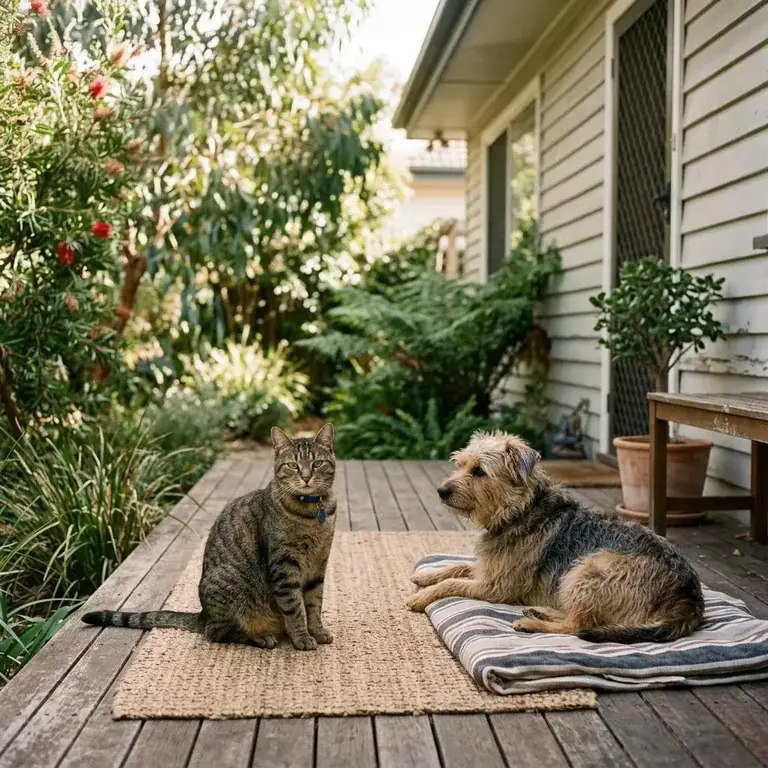
Treating your yard for fleas is the outdoor half of a job most Australian households only half-finish. Up to 80% of a flea population lives off the animal as eggs, larvae and pupae in the environment — in soil, mulch, shaded garden beds and the sandy patches where your dog naps — so treating the pet and the house while skipping the yard is the single most common reason infestations rebound within weeks.
Put simply: yard flea treatment is the targeted control of fleas in the outdoor zones where they breed — shaded, moist, pet-frequented areas — using habitat modification and, where needed, APVMA-registered insecticides, so outdoor sources stop re-seeding your home. This guide covers where fleas actually live outside, how to treat your yard step by step, when DIY falls short, what professional pest control costs in Australia in 2025-26, and the seasonal patterns that decide your timing.
- Up to 80% of a flea population lives in the environment, not on the pet — your yard is a breeding reservoir, not just a transit zone.
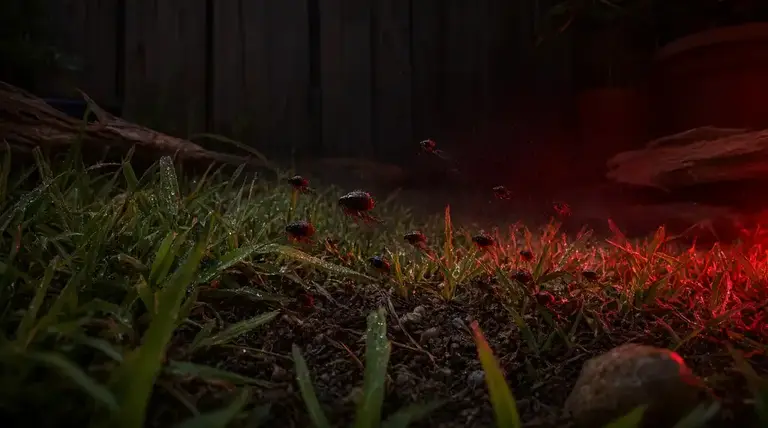
- Fleas concentrate in shaded, moist, pet-frequented spots: under decks, in mulch, along fence lines and around kennels. Full-sun lawn rarely needs treatment.
- A female cat flea lays up to 50 eggs a day, and the lifecycle can complete in as little as 14 days in warm, humid weather.
- DIY works for light activity; established or recurring infestations usually need a licensed technician combining an adulticide with an insect growth regulator.
- Treat yard, home and pet at the same time, with a follow-up 10-14 days later to catch hatching pupae.
Why Yard Fleas Are Such a Problem Across Australia
Yard fleas thrive across most of Australia because our climate gives them long warm breeding seasons and our housing gives them shade and shelter. The cat flea (Ctenocephalides felis) dominates Australian infestations on both cats and dogs, and almost every suburb offers ideal outdoor habitat.
In Queensland and northern NSW, humidity keeps larvae active for most of the year. In southern states, the risk peaks from late spring through autumn. Housing style matters too: raised Queenslanders and older pier-and-beam homes create cool, shaded sub-floor voids where pets rest and flea eggs accumulate — the same way fleas exploit indoor hiding spots covered in our guide to where fleas actually hide in your home. Brick veneer homes on slabs have fewer sub-floor issues but still harbour fleas in mulched garden beds against the walls. Even homes with no animals can cop an infestation from strays, possums or previous tenants’ pets — see how fleas appear without pets for the full picture.
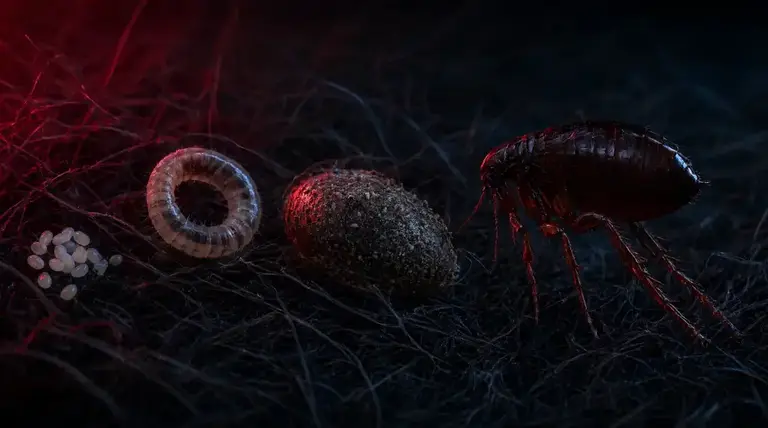
Adult fleas feed and lay eggs on the animal, but those eggs — about 0.5 mm — roll off into carpet, bedding and, outdoors, into soil and mulch. The hardy pupal stage resists most sprays and can lie dormant for months, which is why a single spray rarely finishes the job.
Warning Signs: Is Your Yard Breeding Fleas?
The clearest signs of a yard flea problem are repeated pet scratching after time outdoors, flea dirt on bedding, and bites around your ankles after walking the lawn. Run through this checklist:
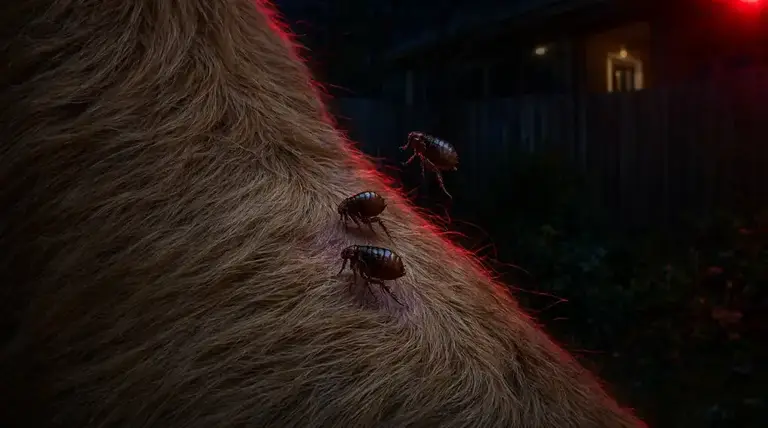
- Pets scratching or biting within minutes of coming inside, especially around the belly, groin and base of the tail.
- Flea dirt — black grit that turns reddish-brown on a wet tissue — in pet bedding or on the pet itself.
- Ankle bites on people after walking shaded paths, sitting on the lawn edge or working in garden beds.
- Pets favouring shaded resting spots under decks, verandahs, dense shrubs or the kennel — these are the likely harbourage zones.
- White socks test: walk the suspect areas in long white socks; fleas jump on and show up clearly against the fabric.
- Rebounding indoor infestations that return two to four weeks after treatment — the classic sign of an untreated outdoor source.
DIY vs Professional Yard Flea Treatment
DIY yard treatment can handle light, localised activity if you prepare the area properly and use registered products to the label, but established or recurring infestations usually need a licensed technician. The difference comes down to product strength, placement and whether the breeding cycle actually gets broken.
Whichever route you take, prep work does half the job: mow and rake first so treatments reach the soil surface, remove leaf litter and mulch from resting spots, fix leaking taps and improve drainage (larvae need humidity above roughly 50% to survive), wash kennels and bedding in hot water and dry in direct sun, and trim dense shrubs to let UV and heat in. Then concentrate any product on the 10-20% of the yard your pets actually use — fleas dislike full sun and open dry lawn, so blanket-spraying the whole block wastes money.
| Approach | Best for | Limitation |
|---|---|---|
| Retail hose-on insecticide | Light activity, small yards | Misses pupae; short residual in rain |
| Insect growth regulators (IGRs) | Breaking the breeding cycle | Slow; needs correct placement |
| Professional exterior treatment | Established or recurring infestations | Cost; still needs pet and indoor treatment |
Professionals combine an adulticide with an IGR such as (S)-methoprene or pyriproxyfen, applied to the exact harbourage zones. All products used must be registered with the APVMA for the target site, and chemical treatments should be applied by a licensed pest control technician who can match the product to your soil, pets and weather. If you’re weighing up the indoor side too, our Flea Treatment & Control service page explains the coordinated approach.
What Does a Yard Flea Treatment Cost in Australia?
In 2025-26, the typical Australian market rate for a professional yard flea treatment sits between $150 and $450, depending on block size, severity and whether it’s bundled with an indoor treatment. Across the industry, combined whole-property programs are generally better value than treating each area separately.
| Service | Typical cost (AUD) | What’s included/notes |
|---|---|---|
| DIY products (hose-on spray, IGR) | $30 – $90 (typical retail rate) | Hardware-store products; suits light activity only |
| Professional yard-only treatment | $150 – $280 (typical market rate) | Adulticide plus IGR to harbourage zones |
| Combined indoor + yard treatment | $250 – $450 (typical market rate) | Most effective option; often includes one follow-up |
| End-of-lease flea treatment | $180 – $350 (typical market rate) | With receipt for property managers — see our renters’ guide to end-of-lease flea treatment |
Because pupae can hatch over one to two weeks after the first visit, a follow-up treatment is often scheduled 10-14 days later. Whichever company you book with, confirm whether that’s included in the quoted rate before you commit.
These figures reflect what the Australian pest control industry generally charges. Aussie Pest Strike typically comes in well under these market rates, so call [aps_phone] today for an exact quote on your property.
When Are Fleas Most Active in Australian Yards?
Flea activity in Australian yards peaks from November through March and dips sharply over winter in the south, though northern regions see meaningful activity almost year-round. The full lifecycle can complete in as little as 14 days during the warm, humid December–February summer.
Jan
Feb
Mar
Apr
May
Jun
Jul
Aug
Sep
Oct
Nov
Dec
Typical outdoor flea pressure across temperate Australia. Activity peaks in the warm, humid months of December to February and troughs in mid-winter; tropical northern regions sustain higher year-round pressure.
The practical takeaway: treat in early spring before populations explode, and treat again any time you see rebound activity. Winter is a smart time for the prep work — drainage fixes, pruning, clearing litter — so the yard is hostile to larvae before the heat arrives.
Nine times out of ten, when a customer says the fleas “came back”, they never actually left — the yard was re-seeding the house the whole time. We map the shaded spots where the dog sleeps and treat those precisely, with a growth regulator in the mix. Skip the pupae and you’re just buying yourself two quiet weeks.
Start with the free prep work: mow, rake, wash bedding, fix moisture and trim shrubs. If activity is light, try a registered DIY product on the shaded zones only. If fleas have been around more than a few weeks, or keep rebounding, book a licensed technician to treat yard and home together with an adulticide plus IGR, and have your vet treat the pet on the same day. That three-way timing is what actually ends the cycle.
Frequently Asked Questions
Why does treating my yard matter if I have already treated my pet and house?
Up to 80% of a flea population lives off the animal as eggs, larvae and pupae in the environment, including soil, mulch, shaded garden beds and sandy patches where pets rest. If you treat only the pet and home while skipping the yard, outdoor fleas keep re-seeding your house, which is why infestations commonly rebound within weeks. Treating all three zones at once is what actually breaks the breeding cycle.
Where in my yard do fleas actually live and breed?
Fleas concentrate in shaded, moist, pet-frequented spots: under decks and verandahs, in mulch and leaf litter, along fence lines, around kennels and in sub-floor voids of raised homes. Full-sun lawn rarely needs treatment because fleas dislike open, dry areas exposed to UV and heat. Focus any treatment on the 10-20% of the yard your pets actually use rather than blanket-spraying the whole block.
How can I tell if my yard has a flea problem?
Warning signs include pets scratching or biting within minutes of coming inside, especially around the belly, groin and tail base; flea dirt that turns reddish-brown on a wet tissue; ankle bites after walking shaded paths or garden beds; and indoor infestations rebounding two to four weeks after treatment. A simple white socks test works too — walk suspect areas in long white socks and fleas will jump on and show clearly against the fabric.
What preparation should I do before treating my yard for fleas?
Prep work does half the job. Mow and rake first so treatments reach the soil surface, remove leaf litter and mulch from pet resting spots, fix leaking taps and improve drainage since larvae need humidity above roughly 50% to survive, wash kennels and bedding in hot water and dry them in direct sun, and trim dense shrubs to let sunlight and heat in. Doing this before applying any product makes treatments far more effective.
Can I treat yard fleas myself or do I need a professional?
DIY treatment with registered hose-on products can handle light, localised activity in small yards if you prepare properly and follow the label. Established or recurring infestations usually need a licensed technician who combines an adulticide with an insect growth regulator such as (S)-methoprene or pyriproxyfen, applied precisely to harbourage zones. All products must be APVMA-registered for the target site.
How much does professional yard flea treatment cost in Australia?
Professional yard flea treatment pricing varies with block size, infestation severity, vegetation density and whether the service is bundled with indoor treatment. Yard-only visits generally cost less than combined indoor-plus-outdoor programs, while end-of-lease treatments may differ again. Whole-property packages often work out better value than booking areas separately. Ask any provider exactly what a quote covers, including follow-up visits, before committing.
When is the best time to treat my yard for fleas?
Outdoor flea activity peaks from November through March across temperate Australia, with the lifecycle completing in as little as 14 days during warm, humid summer weather. Northern regions see meaningful activity almost year-round. Treat in early spring before populations explode, and again whenever you notice rebound activity. Winter is ideal for prep work like drainage fixes, pruning and clearing litter so the yard is hostile to larvae before the heat arrives.
Why might fleas come back after a single yard spray?
The pupal stage resists most sprays and can lie dormant for months, then hatch over one to two weeks after your first treatment. That is why a single spray rarely finishes the job and why a follow-up treatment is typically scheduled 10-14 days later to catch newly hatching adults. Skipping the follow-up often means buying yourself two quiet weeks before activity returns, especially if the yard was never treated at all.
What should I do to my yard after a flea treatment to keep fleas from returning?
Aussie Pest Strike can map the shaded, moist zones where your pets rest and treat those harbourage areas precisely, combining an adulticide with an insect growth regulator to break the breeding cycle. They can also advise whether your situation suits DIY products or needs coordinated yard, home and pet treatment, and help you time the work around seasonal flea pressure in your region. Contact them for guidance suited to your property.
How can Aussie Pest Strike help with Treating Your Yard for Fleas: The Outdoor Half of the Job?
If fleas return two to four weeks after each treatment, the likely cause is an untreated outdoor source re-seeding your home. The practical next step is to note the signs, inspect the relevant area carefully, and seek property-specific advice if the issue continues.
Sources & further reading
Found Something
Dangerous?
Don’t touch it. Don’t spray it. Keep kids and pets clear, take a photo from a safe distance, and call us — or book a free inspection and we’ll come to you.
02 7235 0050