Landlord PestControl Obligationsin Australia
Landlord pest control obligations in Australia explained by state, including termites, fleas and who pays. Know your duties and book a free inspection quote.
Landlord pest control obligations in Australia boil down to a simple rule: a landlord must hand over a property that is fit to live in and free of pre-existing infestations at the start of a tenancy, while tenants are generally responsible for pests caused by their own actions. The exact dividing line depends on which state or territory tenancy law applies, what species is involved, and what caused the problem in the first place.
Getting this wrong is expensive. Disputes over who pays for pest control regularly end up before tribunals such as NCAT in New South Wales or VCAT in Victoria, and the side with better documentation almost always wins. Whether you own a single investment unit or manage a portfolio of Queenslanders and brick veneer homes, understanding your obligations — and building a routine around them — is the cheapest insurance you can buy.
- Landlords must provide a pest-free, habitable property at the start of every tenancy — this duty cannot be signed away in a lease clause.
- Structural pests such as subterranean termites and rodents entering through building defects remain the owner’s responsibility throughout the tenancy.
- Tenants typically pay for infestations caused by their own hygiene, food storage, clutter or pets — including most end-of-lease flea treatments.
- Annual termite inspections aligned with AS 3660.2 and written condition reports are your best defence in a tribunal dispute.
- Budget roughly $180–$450 for a general pest treatment and $250–$450 for a termite inspection at typical 2025–26 Australian rates.
Why landlord pest control obligations matter across Australia
Australia’s climate and housing stock make pest pressure a year-round reality for rental properties, so landlord pest control obligations are not a technicality — they are a core part of maintaining a habitable home. From humid subtropical Brisbane to temperate Melbourne, warmth and moisture drive cockroach, ant, rodent and termite activity into every type of dwelling.
The housing mix matters too. Elevated Queenslanders with open subfloors give rodents and termites easy access. Post-war brick veneer homes on concrete slabs can hide termite entry behind weep holes and garden beds built up against walls. Older weatherboard cottages in Sydney and Melbourne often have gaps around pipes, vents and subfloor vents that invite rats in autumn. In the tropics, the wet season supercharges cockroach and ant populations, while in southern states winter drives rodents indoors seeking warmth.
Because every state expects a rental to be “reasonably fit for habitation”, a property overrun with termites, rats or cockroaches at move-in simply fails that test. These obligations sit alongside the landlord’s broader maintenance duty and cannot be removed by a special condition buried in the lease. If you are preparing a property for a new tenant, our moving house pest checklist is a practical starting point for both owners and renters.
Warning signs a rental property has a pest problem
The clearest sign of a pest problem in a rental is physical evidence — droppings, damage, mud tubes or live sightings — reported either at the entry inspection or during the tenancy. Catching these early determines who pays, because timing and cause decide responsibility. Watch for:
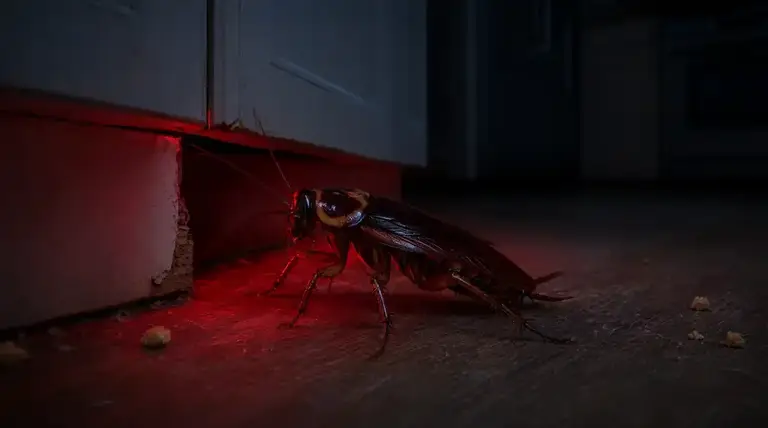
- Droppings in cupboards, pantries or along skirting boards — a classic sign of rodents or German cockroaches, often first noticed in kitchens and bathrooms (see our guide to bathroom pests and what lives there).
- Mud tubes on foundations, piers or internal walls — subterranean termite activity, which is always a landlord issue because it is structural.
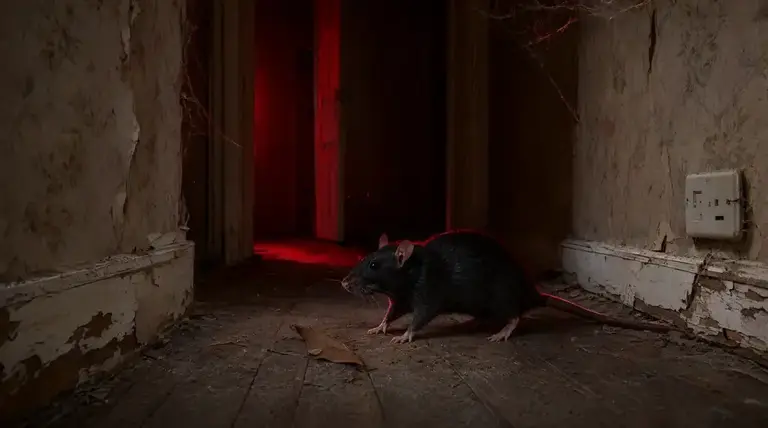
- Gnaw marks on timbers, wiring or food packaging — rats or mice, frequently entering through defects the owner must repair.
- Flea bites around ankles after moving in — common where previous tenants kept pets; check the condition report and lease.
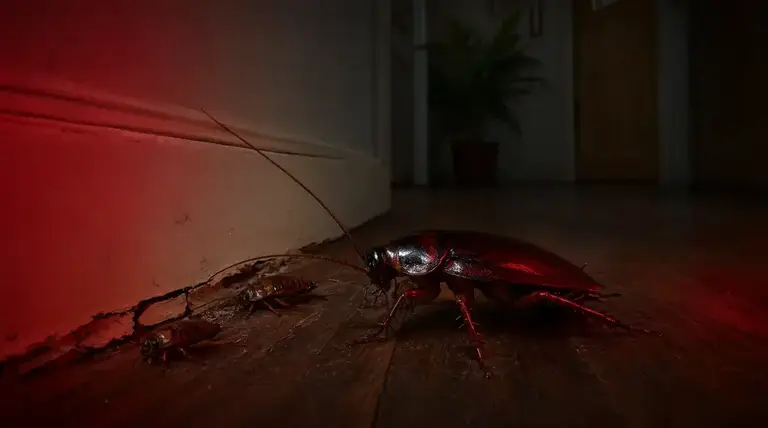
- Ant trails and cockroach sightings within the first weeks — likely pre-existing and therefore the landlord’s cost to treat.
- Musty odours, grease marks along walls, or scratching in ceilings at night — indicators of an established infestation needing professional attention.
DIY vs professional pest control in a rental
Supermarket sprays and baits can knock down a minor ant trail, but they rarely satisfy a landlord’s legal obligations or resolve an established infestation — and in a dispute, only a licensed technician’s report carries real weight at a tribunal. DIY products also carry label obligations, and any chemical treatment in a rental is best handled by a licensed pest manager using APVMA-registered products.
| Factor | DIY approach | Licensed professional |
|---|---|---|
| Effectiveness | Surface-level; often misses nests, subfloors and wall voids | Targets harbourages and entry points; suited to established infestations |
| Documentation | None — no evidence for a tribunal | Written service report proving treatment occurred |
| Cost (typical) | $20–$80 in products, repeated often | $180–$450 per general treatment with warranty options |
| Legal compliance | May not meet “fit for habitation” standard if problem persists | Demonstrates the landlord discharged their duty |
| Termites | Never appropriate — risk of structural damage | Essential; inspections aligned with AS 3660.2 |
What landlord pest control typically costs in 2025–26
Across the Australian market, a routine general pest treatment for a standard home generally sits between $180 and $450, while termite work commands higher rates because of the inspection time and chemical volume involved. Industry pricing varies with property size, construction type (slab versus subfloor) and state, but the ranges below reflect what pest control companies typically charge across metro and regional areas.
| Service | Typical market rate (AUD) | What’s included/notes |
|---|---|---|
| General pest treatment (cockroaches, ants, spiders) | $180–$350 | Internal and external spray, gel baits, written report |
| End-of-lease flea treatment | $150–$300 | Often tenant-funded where pets were kept; receipt for agent |
| Rodent treatment programme | $250–$500 | Bait stations, follow-up visit, entry-point advice |
| Annual termite inspection (AS 3660.2) | $250–$450 | Full timber pest inspection with detailed report |
| Termite treatment / barrier | $1,500–$5,000+ | Chemical barrier or baiting system; size and construction dependent |
These figures are typical industry market rates, not our pricing. Aussie Pest Strike typically comes in well under these market rates, so for an exact quote on your property, give us a call on [aps_phone].
Seasonal pest activity and when to schedule treatments
Pest pressure in Australian rentals peaks through the warm December to February period, when cockroaches, ants and spiders breed fastest, and lifts again in autumn as rodents move indoors. Timing preventive pest control before summer delivers the best value and the fewest tenant complaints.
Jan
Feb
Mar
Apr
May
Jun
Jul
Aug
Sep
Oct
Nov
Dec
Indicative pattern: activity peaks in the summer months (December–February) with cockroaches, ants and spiders, dips through winter, and climbs again from early spring. Rodent call-outs often buck the trend, rising in April–May as temperatures fall.
The smart landlord’s routine is simple: book a professional inspection between tenancies and keep the report, arrange annual termite inspections in line with AS 3660.2 (especially for timber-framed homes), seal entry points and fix leaks that attract rodents and cockroaches, and log every treatment so responsibility is clear if a dispute reaches a tribunal. Where the property is a unit, responsibility can shift to the owners’ corporation for common areas and the building shell. Tenants unsure of their side of the ledger should read up on pest control in rentals and your rights as a tenant, and anyone changing properties can work through our moving house pest checklist to document conditions on day one.
Nine times out of ten, the disputes we get dragged into come down to missing paperwork. If a landlord can show a clean inspection report from before the tenant moved in, and the tenant can show what changed afterwards, the answer to who pays is usually obvious. Document everything and treat early — it is always cheaper than a tribunal hearing.
Book a licensed pest inspection before every new tenancy and an annual termite inspection aligned with AS 3660.2, then keep every report on file. Pair that with sealed entry points, repaired leaks and a spring general treatment, and you will meet your obligations in every Australian state while keeping tenants happy and tribunal-proof.
Frequently Asked Questions
What are a landlord's pest control obligations under Australian tenancy laws?
Landlords must provide a pest-free, habitable property at the start of a tenancy, so pre-existing infestations are their cost. Tenants generally pay for problems caused by their own hygiene, food storage, clutter or pets, including most end-of-lease flea treatments. Structural pests such as termites or rodents entering through building defects remain the landlord's responsibility throughout the tenancy.
Can a lease clause shift pest control responsibility to the tenant?
No. The landlord's duty to provide a property that is reasonably fit for habitation and free of pre-existing infestations cannot be signed away in a lease clause. Any special condition buried in the lease attempting to remove this obligation is ineffective, because the duty sits alongside the landlord's broader maintenance responsibilities under state and territory tenancy law.
What pests are always the landlord's responsibility?
Structural pests remain the owner's problem throughout the tenancy. Subterranean termites, indicated by mud tubes on foundations, piers or internal walls, are always a landlord issue because they threaten the building itself. Rodents entering through building defects such as gaps around pipes, vents and subfloor vents also fall to the landlord, who must repair those defects as part of their maintenance duty.
When are tenants responsible for paying for pest control?
Tenants typically pay for infestations caused by their own actions, such as poor hygiene, inadequate food storage, clutter or keeping pets. End-of-lease flea treatments are usually tenant-funded where pets were kept during the tenancy. Ant trails and cockroach sightings appearing within the first weeks of a new tenancy, however, are likely pre-existing and therefore the landlord's cost to treat.
How do tribunals decide who pays in a pest control dispute?
Tribunals such as NCAT in New South Wales and VCAT in Victoria rely heavily on documentation. If a landlord can show a clean inspection report from before the tenant moved in, and the tenant can show what changed afterwards, the answer to who pays is usually obvious. The side with better written records almost always wins, which is why every treatment should be logged.
Why should landlords arrange annual termite inspections?
Annual termite inspections aligned with AS 3660.2 are the best defence against structural damage and tribunal disputes, especially for timber-framed homes. Elevated Queenslanders with open subfloors and older weatherboard cottages are particularly vulnerable, while slab homes can hide termite entry behind weep holes and garden beds built up against walls. A detailed written report proves the landlord discharged their duty.
Is DIY pest control enough to meet a landlord's obligations?
Supermarket sprays and baits may knock down a minor ant trail, but they rarely satisfy legal obligations or resolve an established infestation. DIY products often miss nests, subfloors and wall voids, produce no documentation for a tribunal, and may not meet the fit-for-habitation standard if the problem persists. Only a licensed technician's report carries real weight in a dispute.
When is the best time of year to schedule preventive pest control on a rental?
Pest pressure peaks through the warm December to February period, when cockroaches, ants and spiders breed fastest, so booking a general treatment before summer delivers the best value and fewest tenant complaints. Rodent call-outs often rise in April and May as temperatures fall and rats move indoors seeking warmth. A spring general treatment combined with sealed entry points works well.
When should I ask Aussie Pest Strike for an on-site assessment of my rental property?
An on-site assessment from Aussie Pest Strike is most useful before a new tenancy begins, when you need documented proof the property is pest-free, or when you spot warning signs such as droppings, mud tubes, gnaw marks or scratching in ceilings. Because responsibility between landlord and tenant hinges on timing and cause, a professional inspection report establishes exactly what was present and when.
What practical next step should landlords take after reading about pest control obligations?
Build a routine: book a licensed inspection before every new tenancy, arrange an annual termite inspection aligned with AS 3660.2, seal entry points, repair leaks that attract rodents and cockroaches, and keep every report on file. Aussie Pest Strike can help you put this schedule in place across your portfolio, giving you clear records that stand up if a dispute ever reaches a tribunal.
Sources & further reading
Found Something
Dangerous?
Don’t touch it. Don’t spray it. Keep kids and pets clear, take a photo from a safe distance, and call us — or book a free inspection and we’ll come to you.
02 7235 0050