Pest Control Costsby ServiceType: 2026 Guide
Pest control costs — pest control cost in Australia varies widely by service type: a general treatment for ants, spiders and cockroaches typically runs from...
Wondering what pest control will set you back in 2026? Across Australia, pest control costs by service type vary enormously — a general treatment for ants, spiders and cockroaches typically runs from around $150 to $350, while specialist jobs like termite barriers can reach several thousand dollars. This guid
e breaks down realistic 2025-26 price ranges for every common service, from general sprays and rodent baiting to bed bug eradication and termite protection, so you can budget with confidence. Every figure here is an industry-wide estimate only, because no two properties or infestations are identical.
Put simply, pest control costs by service type refers to the typical price Australians pay for each category of treatment — general pest sprays, termite inspections and barriers, rodent, bed bug and flea work — with general treatments averaging $150-$350 and termite barriers $2,500-$5,000 or more. Whether you own a brick veneer in Melbourne, a Queenslander in Brisbane or a unit in Perth, the sections below will help you understand what drives each quote and how to get genuine value rather than just the lowest number.
- A general pest treatment for ants, cockroaches and spiders typically costs $150-$350 and often includes a 3-6 month warranty.
- Termite work sits at the top of the scale: inspections run $250-$600, while full barriers commonly reach $2,500-$5,000+.
- Property size, infestation severity, access (subfloors, roof voids), season and warranty length are the five biggest price drivers.
- Regular annual treatments are usually cheaper per visit than emergency call-outs for established infestations.
- The cheapest quote is rarely the best value — look for full coverage (internal, external, roof void, subfloor) and a written warranty.
Why pest control costs vary so much across Australia
Typical Australian pest control market rates differ across the country because climate, housing style and pest pressure differ. A humid Gold Coast summer generates far more cockroach, ant and termite activity than a cool Tasmanian winter, and that pressure directly shapes how often homes need treatment and what the industry generally charges for those treatments.
Housing construction plays a major role too. Older Queenslanders on stumps have open subfloors that give termites, rodents and spiders easy access, adding labour time — and therefore cost at standard market rates — to any job. Brick veneer homes on concrete slabs — the standard across much of Sydney, Melbourne and Adelaide — are quicker to treat but still need perimeter drilling for termite barriers, which is reflected in typical industry pricing. Homes with dense landscaping, steep Colorbond roofs or tight crawl spaces all attract additional labour charges across the market. Typical market rates for metro jobs in Sydney, Melbourne and Brisbane often run slightly higher than regional work because of travel, demand and business overheads, while tropical Queensland generally attracts more termite and cockroach spending than cooler southern states.
Understanding these variables helps you read any quote sensibly. For a nationwide overview of what the industry generally charges, see our guide on how much pest control costs in Australia, which breaks down typical market pricing by state and dwelling type.
One more thing worth knowing: Aussie Pest Strike typically comes in well under these general market rates, without cutting corners on treatment quality. For an exact quote tailored to your property, give us a call on [aps_phone].
Warning signs you need a professional treatment
You likely need professional pest control when you see repeated pest activity despite cleaning and store-bought products. One or two sightings can be normal in an Australian summer, but the signs below suggest an established problem that will only grow — and grow more expensive to fix.
- Droppings or egg casings — cockroach droppings in kitchen cupboards, German cockroach egg cases behind the fridge, or rodent droppings along skirting boards.
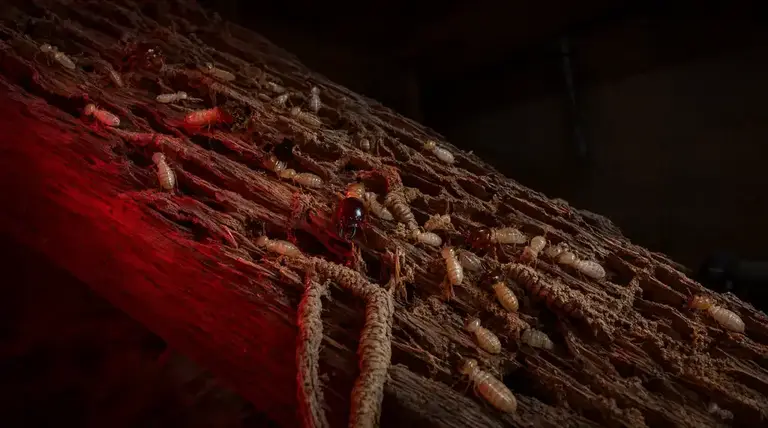
- Mud tubes or hollow-sounding timber — classic termite indicators on stumps, walls, door frames and subfloor bearers.
- Ant trails that keep returning — especially trails leading into wall cavities or the roof void.
- Unexplained bites or blood spots on bedding — potential bed bug or flea activity that DIY sprays rarely resolve.
- Scratching in walls or the ceiling at night — a strong sign of rodent activity requiring baiting and proofing.
- Webbing and egg sacs in eaves and garages — heavy spider pressure that a general treatment will knock back for months.
DIY vs professional pest control: what’s actually cheaper?
DIY products are cheaper upfront, but professional treatment is usually cheaper overall for anything beyond a minor, localised problem. A $30 surface spray might handle a few ants on the bench, yet it won’t touch a German cockroach harbourage behind the dishwasher or rodents nesting in the roof void — and repeated failed attempts add up fast.
| Factor | DIY | Professional |
|---|---|---|
| Upfront cost | $20-$80 in products | $150-$350 for a general treatment |
| Coverage | Spot treatment only | Internal, external perimeter, roof void and subfloor |
| Effectiveness | Short-lived; pests often return within weeks | Typically 3-6 months of residual protection |
| Warranty | None | Written warranty periods on most services |
| Safety | Risk of misuse around kids and pets | APVMA-registered products applied by licensed technicians |
If you have young children or animals at home, it’s worth reading our article on whether pest control is safe for pets and children before deciding who treats your property. Chemical treatments should always be carried out by a state-licensed technician using APVMA-registered products according to the label.
Pest control costs by service type: 2026 price guide
When you pay for pest control, you’re paying for products, licensed labour, equipment and often a warranty period — and each service type prices differently. The ranges below reflect what Australians commonly report across metro and regional areas as broad 2025-26 estimates, not fixed quotes.
| Service | Typical cost (AUD) | What’s included / notes |
|---|---|---|
| General pest treatment | $150 – $350 | Ants, cockroaches, spiders; often includes a 3-6 month warranty |
| Termite inspection | $250 – $600 | Visual inspection to AS 4349.3 standards |
| Termite barrier / treatment | $2,500 – $5,000+ | Chemical or physical barrier around the structure; trenching and drilling often required |
| Rodent treatment | $200 – $500 | Baiting and proofing; multiple visits are common |
| Bed bug treatment | $300 – $1,500 | Depends on room count and heat vs chemical method |
| Flea treatment | $150 – $300 | Interior plus yard treatment, most common in warmer months |
Two homes with the same pest can receive very different quotes, and that’s normal. The main factors pushing a price up or down are property size (a four-bedroom home takes more product and time than a unit), severity (an established German cockroach infestation may need 2-3 visits over several weeks), access (subfloors, steep roofs and dense landscaping add labour), season, and the length of warranty priced into the job. Termite work sits at the top of the scale because a full barrier can require trenching, drilling and large volumes of termiticide around the entire structure — it’s priced as long-term structural protection for a major asset, not a routine spray.
Seasonal pest activity and when to book
Pest activity in Australia peaks from late spring through summer, roughly October to March, which is also when demand — and sometimes scheduling pressure — is highest. Booking in late winter or early spring often secures better availability and keeps populations down before they explode.
Jan
Feb
Mar
Apr
May
Jun
Jul
Aug
Sep
Oct
Nov
Dec
Indicative general pest activity (ants, spiders, cockroaches) across most of Australia. Activity builds from September, peaks December-February, and eases through the cooler months — though rodents often move indoors in autumn and winter, and tropical regions stay active year-round.
Timing your booking around this curve matters for both cost and results. Our guide on how often you should book pest control in Australia explains why most homes do well with an annual pre-summer treatment, while warm, humid properties may need two visits a year.
Most of the expensive jobs we see started as small, cheap ones that were put off. A general spray in spring costs a fraction of what a summer cockroach infestation or an unchecked termite colony will. Book early, ask what’s covered, and always get the warranty in writing — that alone separates a professional job from a quick splash-and-dash.
Budget $150-$350 for an annual general treatment booked before summer, and add a termite inspection every 12 months if you’re in a medium-to-high risk area. When comparing quotes, confirm the technician is state-licensed, ask what warranty applies and what voids it, and check whether follow-up visits are included or charged separately. One thorough job with full internal, external, roof void and subfloor coverage beats two cheap repeat visits every time.
Frequently Asked Questions
For Pest Control Costs by Service Type: 2026 Guide, how do treatment costs differ between common household pests?
A general pest treatment targeting common household pests such as ants, cockroaches and spiders usually falls in the lower-to-mid range of pest control pricing. The final cost depends on your property size, the extent of the infestation, the treatment method used, and whether follow-up visits are needed. Interior and exterior coverage, plus any additional services like gel baiting or dusting, can also influence what you pay.
What does termite protection cost compared with other pest services?
Termite protection sits at the higher end of pest control spending. An inspection is a modest one-off cost, while a full chemical or physical barrier is a major investment because it involves trenching, drilling and applying large volumes of termiticide around the entire structure. Unlike routine sprays for common pests, barriers are priced as long-term structural protection, which is why they cost considerably more than general treatments.
What factors make one pest control quote higher than another?
A four-bedroom home needs more product and time than a unit, an established German cockroach infestation may need two or three visits over several weeks, and subfloors, steep roofs or dense landscaping add labour hours.
For Pest Control Costs by Service Type: 2026 Guide, is DIY pest control cheaper than hiring a professional?
DIY products are cheaper upfront but usually cost more overall for anything beyond a minor, localised problem. A surface spray might handle a few ants on the bench, yet it will not reach a German cockroach harbourage behind the dishwasher or rodents nesting in the roof void.
How much do rodent, bed bug and flea treatments typically cost?
These treatments vary by pest and property. Rodent work usually involves baiting and proofing and often needs multiple visits. Bed bug treatment depends heavily on how many rooms are affected and whether heat or chemical methods are chosen, making it one of the more variable services. Flea treatment typically covers both interior spaces and the yard, with demand peaking during warmer months when flea populations thrive.
When is the best time of year to book pest control?
Pest activity peaks from late spring through summer, roughly October to March, which is also when demand is highest. Booking in late winter or early spring often secures better availability and keeps populations down before they build. Rodents are an exception, often moving indoors during autumn and winter, while tropical regions stay active year-round. An annual pre-summer treatment suits most homes.
For Pest Control Costs by Service Type: 2026 Guide, what warning signs suggest I need professional pest control?
Signs of an established problem include droppings or egg casings in cupboards or along skirting boards, mud tubes or hollow-sounding timber that indicate termites, ant trails that keep returning into wall cavities or the roof void, unexplained bites or blood spots on bedding suggesting bed bugs or fleas, scratching in walls at night pointing to rodents, and heavy webbing or egg sacs in eaves and garages.
Why do pest control prices vary so much across Australia?
Humid regions such as the Gold Coast generate far more cockroach, ant and termite activity than cooler southern states, increasing treatment frequency. Older Queenslanders on stumps have open subfloors that add labour time, while brick veneer homes on slabs are quicker to treat but need perimeter drilling for termite barriers. Metro rates often run slightly higher than regional ones due to travel and overheads.
What happens during a professional pest inspection at my home?
Aussie Pest Strike technicians start by assessing your property type, construction and access points such as subfloors, roof voids and crawl spaces, since these heavily influence the scope of any job. For termites, inspections follow AS 4349.3 standards.
How should I compare quotes before booking a treatment?
Aussie Pest Strike recommends looking beyond the lowest number: a thorough quote should cover internal, external perimeter, roof void and subfloor areas in writing. Booking an annual general treatment before summer, plus a yearly termite inspection in medium-to-high risk areas, offers good value.
Sources & further reading
Found Something
Dangerous?
Don’t touch it. Don’t spray it. Keep kids and pets clear, take a photo from a safe distance, and call us — or book a free inspection and we’ll come to you.
02 7235 0050