How Often ShouldYou Book PestControl in Australia?
How often should — Often should book — How often pest control — most Australian homes should book a general pest control treatment once a year, with a...
If you’re wondering how often pest control should be booked for an Australian home, the short answer is once a year for a general treatment, plus a separate annual termite inspection — but climate, pest pressure and property type can push that to twice-yearly or more. In simple terms, “how often pest control” is needed means the ideal interval between professional treatments to keep common pests suppressed before they breed up and become a costly problem.
How often you book pest control ultimately depends on where you live, what you’re up against, and how your home is built. This guide breaks down the recommended schedules for general pests and termites across Australia, the warning signs that mean you should book sooner, what a sensible servicing plan costs in 2025-26, and how pest activity shifts month by month — so you can set a calendar and stop guessing.
- Most Australian homes need a general pest control treatment once a year, ideally timed for spring before the summer population boom.
- Termites run on a separate clock: a professional termite inspection at least every 12 months, and every 6 months in high-risk zones.
- Tropical and subtropical homes (QLD, NT, northern coastal NSW) typically benefit from six-monthly general treatments.
- Food businesses usually need monthly to quarterly servicing to meet compliance requirements.
- Preventative servicing is almost always cheaper than emergency call-outs and structural repairs.
Why Pest Control Frequency Matters Across Australia
Australia’s climate spans tropical to cool temperate, so the right servicing schedule in Cairns is very different from the right one in Hobart — but no region is pest-free. Warm, humid conditions let cockroaches, ants, spiders and termites breed year-round, while cooler southern winters naturally knock insect numbers back for a few months.
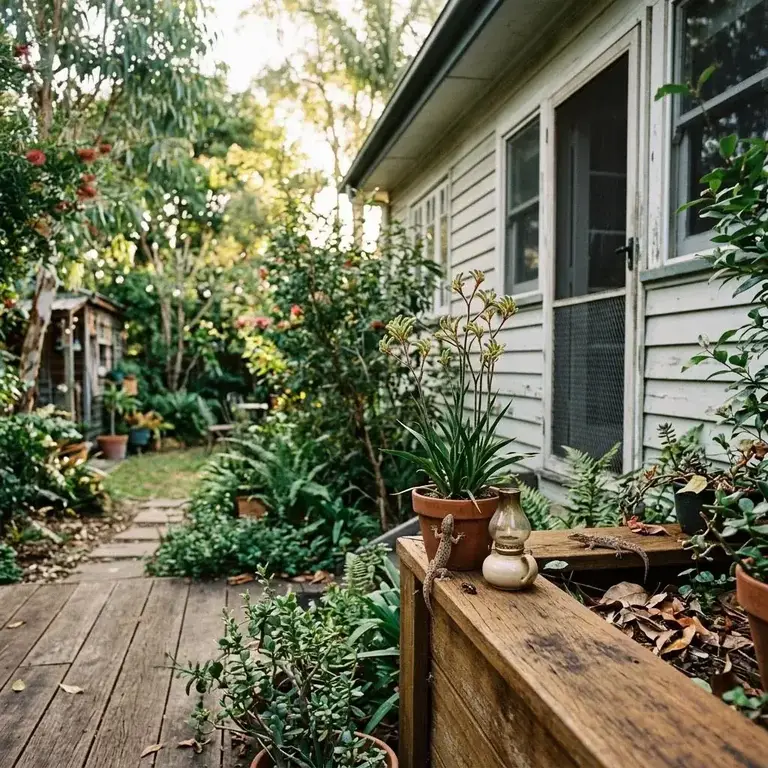
Housing style matters just as much as postcode. Elevated Queenslanders with open subfloors give termites and rodents easy access. Brick veneer homes on concrete slabs can hide termite entry around the slab edge, and older weatherboard places with timber stumps are prime targets for subterranean species like Coptotermes. If your property backs onto bushland or a reserve, or you’ve got mulched garden beds hard against the walls, treat yourself as a higher-risk home regardless of which city you’re in — the harbourage on your block drives pest pressure as much as the climate does.
That’s why a single national answer to how often pest control should happen doesn’t exist. There are sensible baselines, though, and they’re worth following.
The Baseline: How Often Pest Control Should Be Booked
For a typical suburban home, one general treatment per year — timed for spring — is the industry-standard baseline across Australia. Spring treatment gets ahead of the summer (December to February) breeding surge, keeping ants, spiders and cockroaches in check before populations explode.
This is the sweet spot for how often pest control visits make sense: frequent enough to interrupt breeding cycles, without unnecessary chemical use. Residual treatments typically remain effective for several months, so an annual application maintains a near-continuous protective barrier around the home.
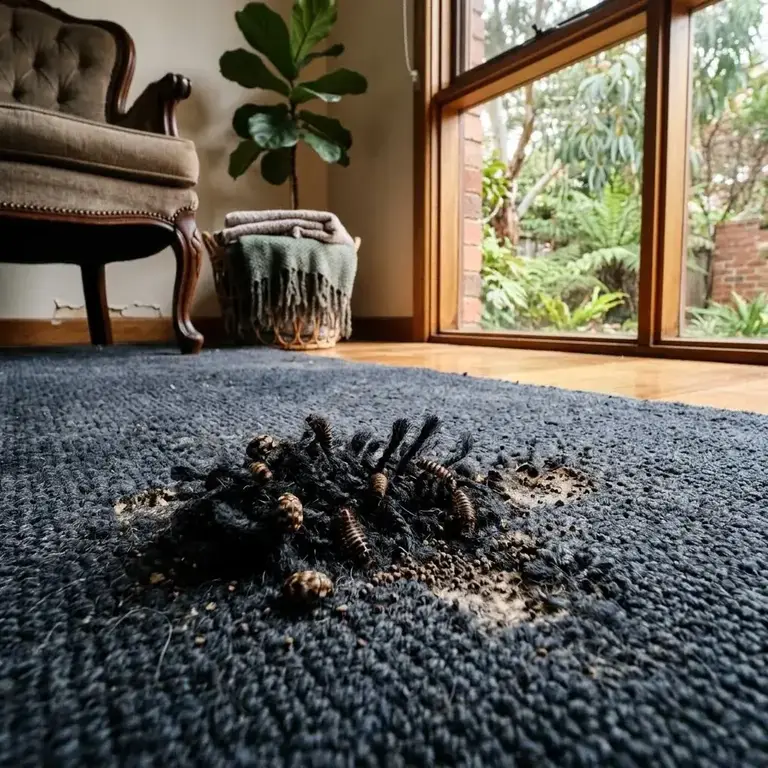
Termites are the exception to the annual rule. Australian Standards and industry practice recommend a professional termite inspection at least every 12 months, and every 6 months in high-risk regions such as coastal Queensland, the NT and bushland-fringe suburbs. Skipping the termite clock is where most expensive surprises come from, because subterranean termites can cause serious structural damage between inspections that are spaced too far apart.
Warning Signs You Should Book Pest Control Sooner
Don’t wait for your scheduled visit if you spot active signs of pests — these indicators mean a population is already established and will only grow. Book an inspection promptly if you notice any of the following:
- Fresh droppings, gnaw marks or scratching in the roof — classic signs of rats and mice moving in, especially through autumn and winter.
- Live cockroaches seen during the day — cockroaches are nocturnal, so daytime sightings usually indicate a large, overcrowded population.
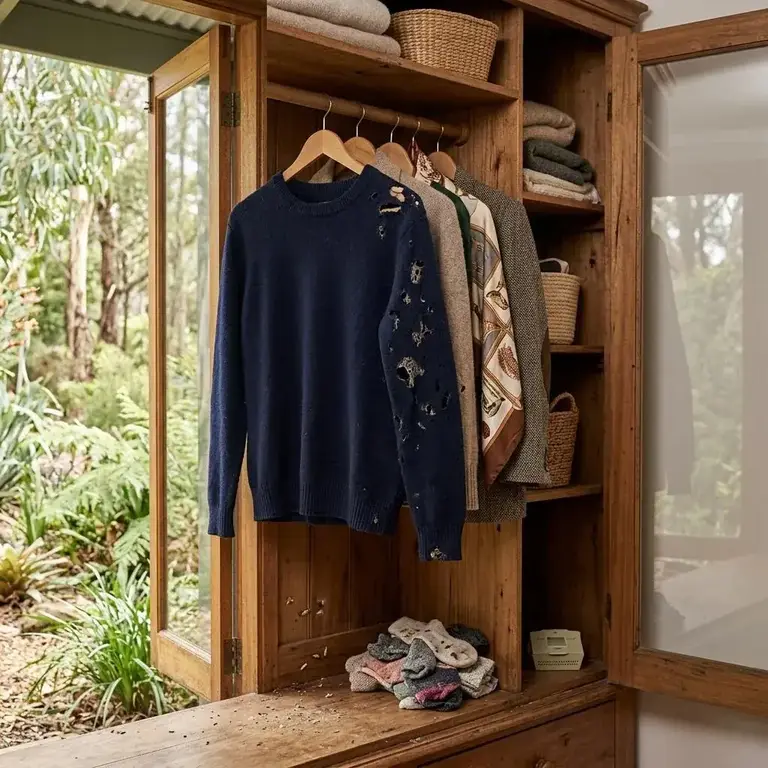
- Mud leads on piers, stumps or foundations, or hollow-sounding skirting boards — strong evidence of subterranean termite activity that needs urgent professional assessment.
- Ant trails persisting inside despite surface sprays — the nest is established nearby and over-the-counter products are only killing the foragers.
- A neighbour is being treated — disturbed pests relocate next door, so a treatment two doors down is a cue to check your own defences.
DIY vs Professional Pest Control: Which Keeps the Schedule Honest?
DIY sprays and baits can knock down a minor ant trail, but they don’t replace a scheduled professional program — products wear off faster, nests stay intact, and there’s no warranty or inspection record. Licensed technicians use APVMA-registered products applied at the correct rates, and they know where pests actually harbour. For a deeper breakdown, see DIY Pest Control vs Professional: The Real Comparison.
| Factor | DIY approach | Professional service |
|---|---|---|
| Residual protection | Days to a few weeks | Typically 3-12 months |
| Nest and source treatment | Rarely located or treated | Identified and targeted directly |
| Termite detection | Not realistic without training and tools | Licensed inspection to Australian Standards |
| Warranty / re-treatment cover | None | Common on annual programs |
| Annual cost (typical) | $80-$200 in products, repeated | $200-$400 for a general treatment |
What a Sensible Pest Control Schedule Costs in Australia
A regular pest control schedule is genuinely affordable for most households across the Australian market — industry pricing typically runs to a few hundred dollars a year, well under what one emergency call-out or termite repair will set you back. The table below shows typical 2025-26 market rates across the Australian pest control industry; for full detail, read How Much Does Pest Control Cost in Australia?.
| Service | Typical Australian market rate (AUD) | What’s included / notes |
|---|---|---|
| Annual general treatment (standard home) | $200-$400 industry-wide | Internal and external spray for ants, spiders, cockroaches; often 3-12 month warranty |
| Six-monthly general treatment (tropical homes) | $180-$350 per visit at typical market rates | Same scope, scheduled twice yearly for year-round pressure |
| Annual termite inspection | $250-$400 across the industry | Licensed inspection with written report to Australian Standards |
| Quarterly cockroach program | $150-$300 per visit is the going market rate | Gel baits and targeted treatment until the infestation is resolved |
| Commercial food premises | $100-$250 per monthly visit, industry-wide | Compliance documentation for food safety audits |
Many providers across the industry back annual treatments with a service warranty of 3-12 months, so if pests reappear between visits the return call is typically covered rather than charged as a fresh job. Skipping years lets populations rebuild, which usually means a bigger, costlier treatment later at prevailing market rates — regularity genuinely saves money.
It’s worth noting that Aussie Pest Strike typically comes in well under these general market rates, without cutting corners on products, licensing or warranty. For an exact quote tailored to your property, give us a call on [aps_phone] — we’ll talk you through the schedule that actually suits your home.
Seasonal Pest Activity Across the Year
General pest pressure in Australia peaks through the warm months (October to March) and dips over winter, though tropical regions stay active year-round. The chart below shows typical relative activity for common household pests across a temperate-to-subtropical year.
Jan
Feb
Mar
Apr
May
Jun
Jul
Aug
Sep
Oct
Nov
Dec
Typical seasonal pattern: activity builds from September, peaks across summer, and eases over winter in southern states. In tropical QLD and the NT, expect bars closer to 70-100% all year — which is why six-monthly servicing is standard there.
After twenty-odd years of crawling under houses and through roof voids, I can tell you the homes with the worst infestations are almost never the dirty ones — they’re the ones that skipped two or three years of treatment. A spring spray and an annual termite check is cheap insurance. Wait until you see termites or a cockroach at midday, and the job’s twice the size.
Book a general pest control treatment every spring and a termite inspection every 12 months as your baseline. Move to six-monthly general treatments if you’re in the tropics or subtropics, and six-monthly termite inspections if you’re near bushland or have a history of activity. Households with children or pets should ask about product choices and re-entry times — our guide Is Pest Control Safe for Pets and Children? covers what to expect.
Frequently Asked Questions
How often should I book general pest control for my Australian home?
For a typical suburban home, the industry-standard baseline is one general pest control treatment per year, ideally timed for spring. This gets ahead of the summer breeding surge from December to February, keeping ants, spiders and cockroaches in check before populations explode. Residual treatments usually remain effective for several months, so an annual application maintains a near-continuous protective barrier around the home without unnecessary chemical use.
How often do tropical and subtropical homes need pest control?
Homes in tropical and subtropical regions such as Queensland, the Northern Territory and northern coastal NSW typically benefit from six-monthly general treatments rather than annual ones. Warm, humid conditions in these areas let cockroaches, ants, spiders and termites breed year-round, so pest pressure never really dips. A twice-yearly schedule keeps populations suppressed continuously instead of allowing them to rebuild between longer gaps.
How often should termite inspections be done?
Termites run on a separate clock from general pest treatments. Industry practice recommends a professional termite inspection at least every 12 months for most homes, and every 6 months in high-risk regions such as coastal Queensland, the Northern Territory and bushland-fringe suburbs. Skipping this schedule is where expensive surprises come from, because subterranean termites can cause serious structural damage between inspections that are spaced too far apart.
What warning signs mean I should book pest control sooner than scheduled?
Book an inspection promptly if you notice fresh droppings, gnaw marks or scratching in the roof; live cockroaches seen during the day, which suggests an overcrowded population; mud leads on piers or foundations or hollow-sounding skirting boards indicating termites; ant trails persisting inside despite surface sprays; or a neighbour being treated, since disturbed pests relocate next door. These signs mean a population is already established and will only grow.
Does property type affect how often pest control is needed?
Yes. Elevated Queenslanders with open subfloors give termites and rodents easy access, brick veneer homes on concrete slabs can hide termite entry around the slab edge, and older weatherboard homes with timber stumps are prime targets for subterranean species like Coptotermes. Properties backing onto bushland or with mulched garden beds against the walls also carry higher pest pressure, regardless of which city they are in.
Can DIY pest control replace a regular professional schedule?
DIY sprays and baits can knock down a minor ant trail, but they do not replace a scheduled professional program. Consumer products wear off within days to a few weeks, nests are rarely located or treated, there is no inspection record, and realistic termite detection requires training and tools. Licensed technicians use APVMA-registered products at correct rates and know where pests actually harbour, providing residual protection typically lasting three to twelve months.
How does seasonal pest activity change through the year?
General pest pressure in Australia builds from September, peaks across the warm months from October to March, and eases over winter in southern states as cooler temperatures knock insect numbers back. Tropical regions such as QLD and the NT stay active year-round, which is why six-monthly servicing is standard there. Timing your annual treatment for spring positions it ahead of the summer population boom.
Why does regular servicing save money compared to waiting?
Preventative servicing is almost always cheaper than emergency call-outs and structural repairs. A regular schedule typically runs to a few hundred dollars a year, while skipping years lets populations rebuild, meaning a bigger, costlier treatment later. Termite damage discovered between overdue inspections can require serious structural repairs. Regularity interrupts breeding cycles early, keeping jobs small and predictable rather than letting infestations become established.
I have followed the advice in this article but still need help arranging a treatment — what should I do?
If you have set up your calendar, checked for warning signs and still want professional help, Aussie Pest Strike can talk you through a schedule suited to your home and region. They will discuss whether an annual spring treatment, six-monthly servicing or a termite inspection makes sense for your situation, and provide a quote tailored to your property rather than a generic package.
How can I get a pest control plan matched to my specific property and location?
Because the right frequency depends on your climate zone, housing style and surrounding environment, the practical next step is a tailored assessment. Aussie Pest Strike can review factors such as whether you back onto bushland, have timber stumps or an open subfloor, and whether you are in a high-risk termite area, then recommend the appropriate interval between general treatments and inspections for your home.
Sources & further reading
Found Something
Dangerous?
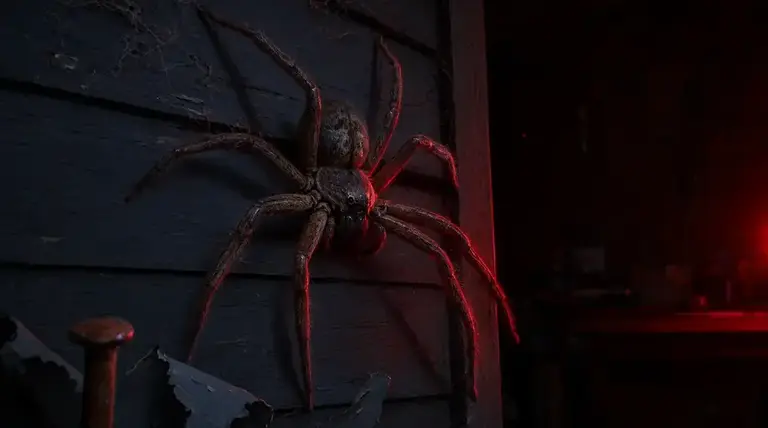
Don’t touch it. Don’t spray it. Keep kids and pets clear, take a photo from a safe distance, and call us — or book a free inspection and we’ll come to you.
02 7235 0050