How Often ShouldYou Get a TermiteInspection in Australia?
How often should — Often should get — Termite inspection frequency — You should get a termite inspection at least once every 12 months in Australia , and...
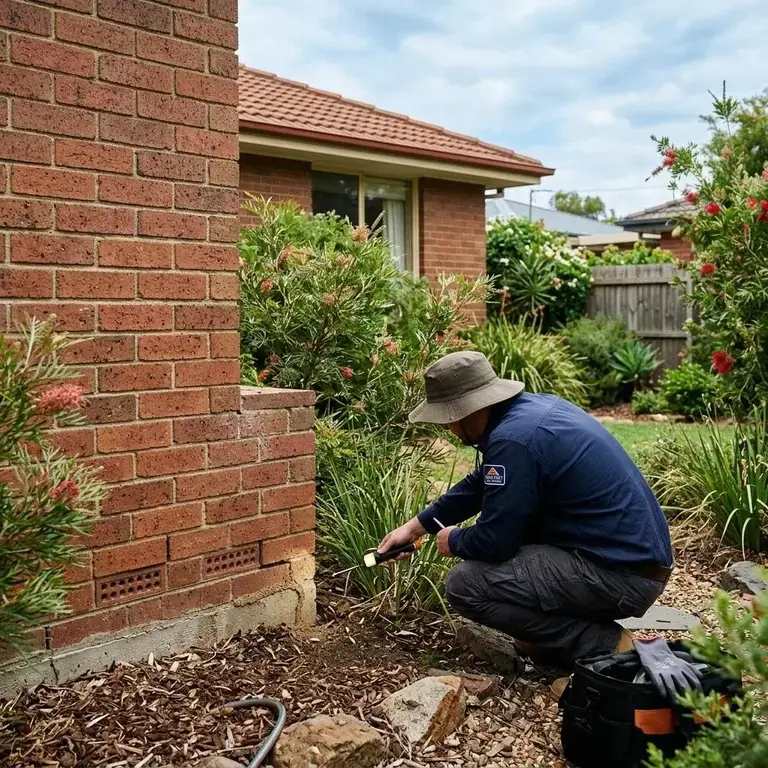
If you own an Australian home, the short answer to termite inspection frequency is this: at least once every 12 months, and every 3 to 6 months for high-risk properties. That annual interval is the minimum recommended under Australian Standard AS 3660 and is required by most termite treatment warranties. Whether you live in a Brisbane Queenslander, a Sydney brick veneer or a Melbourne weatherboard, skipping inspections is gambling with your biggest asset.
Termite inspection frequency simply means how often a licensed pest control technician should professionally examine your property for termite activity and conducive conditions. Get it right and you catch infestations early, when treatment is cheaper and damage is minimal. Get it wrong and you may not discover a problem until the repair bill runs into the tens of thousands of dollars. This guide explains the baseline schedule, when you need more frequent checks, what inspections cost in 2025–26, and how Australia’s seasons affect termite pressure.
- Every Australian home needs a professional termite inspection at least once every 12 months — this is the AS 3660 baseline and a condition of most treatment warranties.
- High-risk properties (humid climates, older timber homes, previous activity, treed blocks) should be inspected every 3 to 6 months.
- Termites can cause serious structural damage within 3 to 6 months, so gaps longer than a year carry real risk.
- Typical inspection costs in 2025–26 range from $250 to $450 AUD for a standard home — far less than repair bills.
- A barrier or baiting system reduces risk but never removes the need for regular professional inspections.
Why Termite Inspection Frequency Matters in Australia
Australia has some of the most aggressive termite pressure in the world, which is why termite inspection frequency here is stricter than in many other countries. Subterranean species such as Coptotermes acinaciformis and Schedorhinotermes thrive across the mainland, and activity is essentially year-round in warm, humid regions.
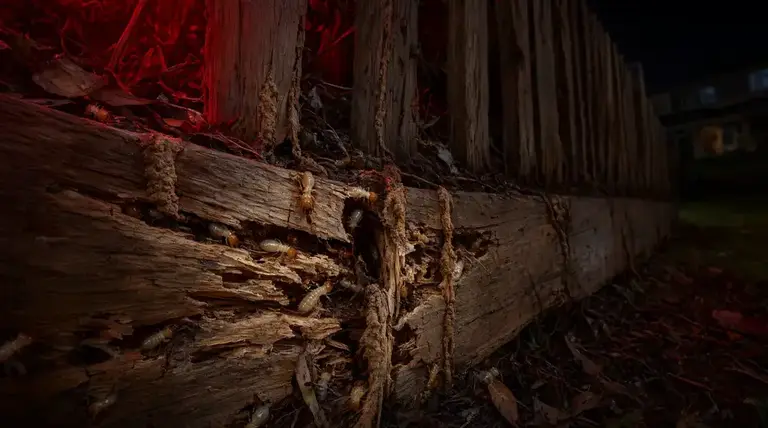
Climate is the biggest driver. Brisbane, the Gold Coast, Darwin and coastal northern NSW support continuous foraging, so colonies can establish and spread quickly. Housing style matters too. Elevated Queenslanders and older weatherboard homes have exposed timber stumps and bearers; slab-on-ground homes can be breached through cracks, plumbing penetrations and concealed slab edges; brick veneer construction hides timber framing behind a masonry skin where damage goes unnoticed. Because termites eat timber from the inside out, a home can look perfectly sound while its structural members are being hollowed. Regular professional inspections are the only reliable way to detect activity before it becomes expensive.
Warning Signs of Termites to Watch Between Inspections
Professional inspections do the heavy lifting, but knowing the warning signs helps you catch trouble early between visits. Do a quick monthly walk-around and look for the following:
- Mud tubes — pencil-width tunnels (roughly 5–8 mm wide) running up brick piers, stumps, slab edges or foundation walls; subterranean termites build these to travel while staying moist.
- Hollow-sounding timber — tap skirting boards, door frames and architraves, especially in wet areas; a papery or hollow sound suggests internal damage.
- Winged swarmers (alates) — flying termites around windows, light fittings or vents in spring and early summer indicate a mature colony nearby.
- Discarded wings — small piles of identical wings on sills or floors after a swarm.
- Bubbling or uneven paint — moisture from termite activity can blister paint and distort plaster.
- Tight-fitting doors and windows — warped frames can signal termite damage or the moisture they introduce.
- Damp subfloors and poor drainage — pooling water after heavy rain creates exactly the conducive conditions termites seek.
For a fuller rundown, read our guide to the 10 warning signs of termites in Australian homes. One golden rule: if you find suspected activity, do not disturb it or spray it with a hardware-store product — disturbing a colony can cause termites to relocate and makes professional treatment harder. Call a licensed pest control technician instead.
DIY Checks vs Professional Inspections: How Often and How Thorough?
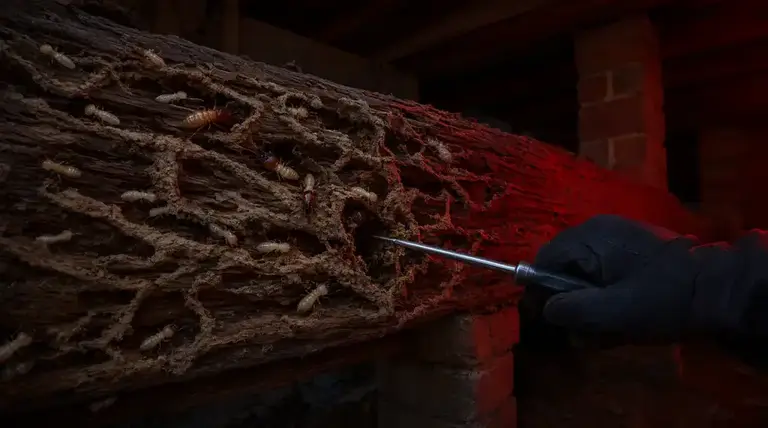
DIY checks are a valuable monthly habit, but they can never replace a professional inspection — the right termite inspection frequency combines both. Licensed technicians use moisture meters, thermal imaging cameras and movement-detection technology to find activity behind plaster, inside wall cavities and under floors that a torch-and-ladder walkaround simply cannot reach. They also assess conducive conditions and verify that any existing protection system is still intact.
| Factor | DIY check | Professional inspection |
|---|---|---|
| Frequency | Monthly walk-around | Every 3–12 months depending on risk |
| Equipment | Torch and your eyes | Moisture meters, thermal cameras, movement sensors |
| Areas covered | Visible surfaces only | Roof void, subfloor, wall cavities, fences, outbuildings |
| Warranty compliance | Does not count | Satisfies AS 3660 and most warranty conditions |
| Cost | Free | $250–$450 AUD typical |
To understand exactly what a licensed visit covers, see our breakdown of what a termite inspection includes and why it matters, or book directly through our Termite Inspections & Reports service page.
Termite Inspection and Treatment Costs in Australia (2025–26)
Across the Australian market, a standard termite inspection generally costs between $250 and $450 AUD in 2025–26, depending on property size, construction type and location. Combined inspection-and-treatment programs cost more across the industry, but usually include scheduled follow-up inspections, which can be better value for high-risk homes.
| Service | Typical cost (AUD) | What’s included/notes |
|---|---|---|
| Standard termite inspection | $250–$450 | Full visual and instrument inspection, written report, conducive-conditions assessment |
| Pre-purchase timber pest inspection | $300–$600 | Often combined with building inspection for buyers |
| Chemical soil barrier installation | $2,000–$5,000+ | Perimeter treatment by licensed technicians; annual inspections usually required for warranty |
| Baiting and monitoring system | $2,000–$4,000 installed, plus monitoring fees | Stations checked every 3–12 months per program |
Compare those typical market figures with repair costs: significant structural termite damage commonly runs from several thousand dollars into the tens of thousands. Seen that way, an annual inspection is cheap insurance. If activity is found, our Termite Treatment & Barrier Systems team can design a program around your property, and our explainer on what a termite barrier is and how it protects your home walks through the options. Any chemical treatment should always be applied by a licensed pest control technician in line with APVMA-registered product labels.
It’s worth noting that the figures above reflect typical Australian market rates — Aussie Pest Strike typically comes in well under these prices. For an exact quote tailored to your property, give us a call on [aps_phone] today.
Seasonal Termite Activity Across Australia
Termite activity in Australia peaks in the warmer, wetter months from October through March, when colonies forage hardest and swarmers take flight. Activity dips in southern winters but never fully stops in tropical northern regions — another reason termite inspection frequency should stay consistent all year.
Jan
Feb
Mar
Apr
May
Jun
Jul
Aug
Sep
Oct
Nov
Dec
Indicative termite activity levels across a typical Australian year. Spring and summer bring peak foraging and swarming; winter slows activity in the south, but tropical regions stay active year-round.
Spring and early summer are ideal times to schedule an inspection because activity is easiest to detect, but consistency matters more than the exact month — any regular schedule beats none at all.
“The worst damage we see is almost never in homes that get checked regularly — it’s in the ones that haven’t been looked at for three or four years. Termites work quietly, and by the time you see a sagging floor or a crumbling door frame, the colony has been feeding for months. A yearly inspection is a small cost compared to what we end up repairing.”
Book a professional termite inspection every 12 months as a non-negotiable baseline. If your home is in a humid or tropical region, is older or timber-framed, has a history of termite activity, or sits on a treed block, step that up to every 3–6 months. Pair professional visits with a monthly DIY walk-around, and keep your barrier or baiting system inspections current so your warranty stays valid.
Frequently Asked Questions
How often should an Australian home get a termite inspection?
Every Australian home should have a professional termite inspection at least once every 12 months. This annual interval is the minimum recommended under Australian Standard AS 3660 and is a condition of most termite treatment warranties. Because termites can cause serious structural damage within 3 to 6 months, letting gaps stretch beyond a year carries real risk to your property.
When should termite inspections be done more frequently than annually?
High-risk properties should be inspected every 3 to 6 months. This includes homes in humid or tropical climates such as Brisbane, the Gold Coast, Darwin and coastal northern NSW, older timber homes like Queenslanders and weatherboards, properties with a history of termite activity, and houses on treed blocks. These conditions support faster colony establishment and spread.
Does having a termite barrier or baiting system remove the need for inspections?
No. A chemical soil barrier or baiting and monitoring system reduces risk but never removes the need for regular professional inspections. Annual inspections are usually required to keep barrier warranties valid, and baiting stations are typically checked every 3 to 12 months depending on the program. Inspections also verify that your existing protection system is still intact.
What warning signs of termites should I look for between inspections?
Do a monthly walk-around checking for mud tubes about 5–8 mm wide on piers, stumps or slab edges; hollow-sounding skirting boards and door frames; winged swarmers around windows and lights in spring and early summer; piles of discarded wings; bubbling paint; tight-fitting doors and windows; and damp subfloors with poor drainage after rain. If you find suspected activity, do not disturb it or spray it — call a licensed technician instead.
Why can't DIY checks replace a professional termite inspection?
DIY checks are a valuable monthly habit but only cover visible surfaces with a torch and your eyes. Licensed technicians use moisture meters, thermal imaging cameras and movement-detection technology to find activity behind plaster, inside wall cavities and under floors.
How does Australia's climate affect how often termites are active?
Termite activity peaks in the warmer, wetter months from October through March, when colonies forage hardest and swarmers take flight. Activity dips during southern winters but never fully stops in tropical northern regions, where foraging is essentially year-round. Spring and early summer are ideal times to schedule an inspection because activity is easiest to detect, though consistency matters more than the exact month.
How do different Australian housing styles affect termite risk?
Housing style matters because each construction type hides damage differently. Elevated Queenslanders and older weatherboard homes have exposed timber stumps and bearers. Slab-on-ground homes can be breached through cracks, plumbing penetrations and concealed slab edges. Brick veneer homes hide timber framing behind a masonry skin, so damage goes unnoticed while termites hollow out structural members from the inside.
Is a termite inspection worth the cost compared to repairs?
Yes. An annual inspection is a small, routine expense compared with the cost of repairing established termite damage, which can involve replacing structural timbers, flooring and wall linings over many weeks of work. Regular checks catch activity early, when treatment and minor repairs are far simpler, so the inspection pays for itself by preventing long-term structural damage.
Can Aussie Pest Strike tailor an inspection schedule to my property's risk level?
Yes. The right frequency depends on your situation — a humid coastal site, an older timber-framed home, a treed block or previous termite activity all point toward inspections every 3 to 6 months rather than annually. Aussie Pest Strike can assess your property's specific risk factors and recommend a schedule that suits its construction style, location and history, alongside a monthly DIY walk-around between visits.
What is a practical next step if I haven't had a termite inspection in over a year?
Book a professional termite inspection as soon as practical, since gaps longer than 12 months carry real risk of undetected activity. Aussie Pest Strike can carry out a full visual and instrument inspection with a written report and conducive-conditions assessment, then advise whether your home needs the standard annual interval or more frequent checks every 3 to 6 months based on what is found.
Sources & further reading
Found Something
Dangerous?
Don’t touch it. Don’t spray it. Keep kids and pets clear, take a photo from a safe distance, and call us — or book a free inspection and we’ll come to you.
02 7235 0050