Termite Inspection: WhatIt Includes andWhy It Matters
Termite inspection what — a termite inspection is a systematic examination of a property for signs of termite activity and conditions that attract them,...
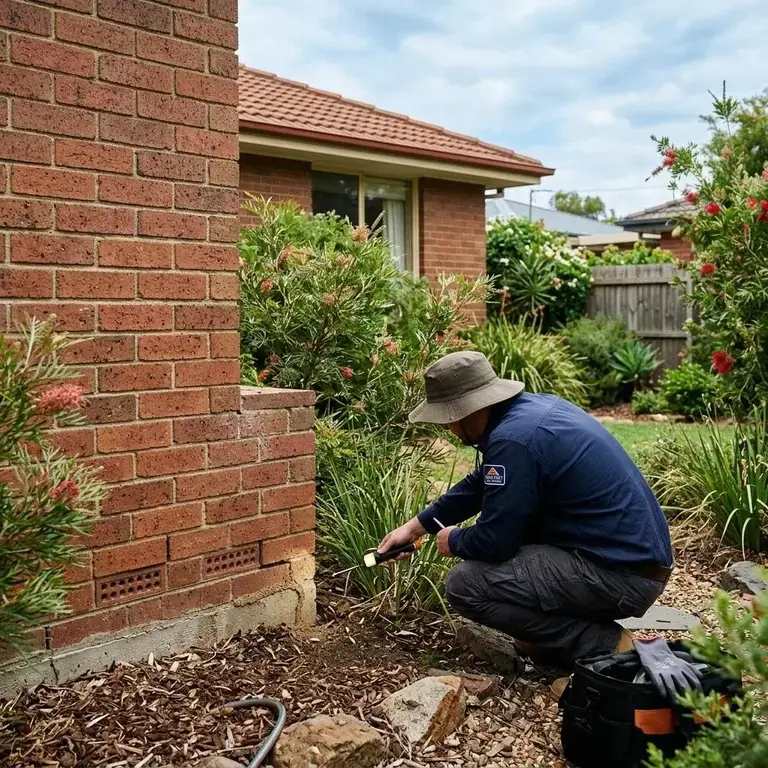
A termite inspection is one of the smartest investments an Australian homeowner can make — and it should happen long before you ever see damage. Whether you own a Queenslander on stumps in Brisbane, a brick veneer on a concrete slab in Melbourne, or a fibro cottage in regional New South Wales, termites are a genuine, year-round risk across this country, and a professional termite inspection is the only reliable way to know where you stand.
A termite inspection is a systematic, non-invasive examination of a property for live termite activity, existing damage, and the conditions that attract termites, carried out to Australian Standard AS 3660.2 and AS 4349.3. It matters because termites cause an estimated hundreds of millions of dollars in damage to Australian homes every year — and standard home insurance almost never covers it. This guide walks through exactly what an inspection includes, what it costs, when to book, and how to act on the findings.
- A proper inspection covers the interior, roof void, sub-floor, exterior and grounds within about 30 metres of the home, following AS 3660.2 and AS 4349.3.
- Expect to pay roughly $250–$450 for a standard inspection in 2025–26, depending on property size and access.
- Annual inspections are the minimum across most of Australia; humid, high-risk regions warrant checks every six months.
- Tools like thermal cameras and moisture meters find concealed activity without demolition — but no inspection can see through every wall.
- If activity is found, the next step is usually a chemical barrier, baiting program, or targeted treatment by a licensed technician.
Why a termite inspection matters so much in Australia
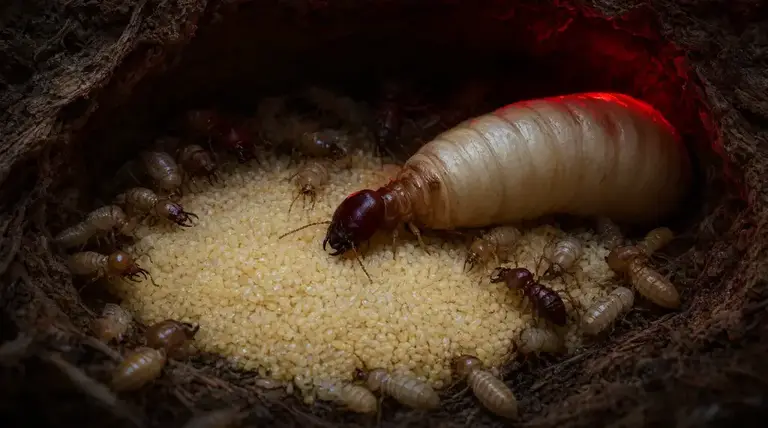
Australia has some of the most aggressive termite pressure in the world, and every mainland state has active species capable of destroying structural timber. Warm, humid conditions in Queensland, the Northern Territory and northern New South Wales let termites forage all year, while southern states still face serious risk from species like Coptotermes acinaciformis, which is responsible for the bulk of structural damage nationwide.
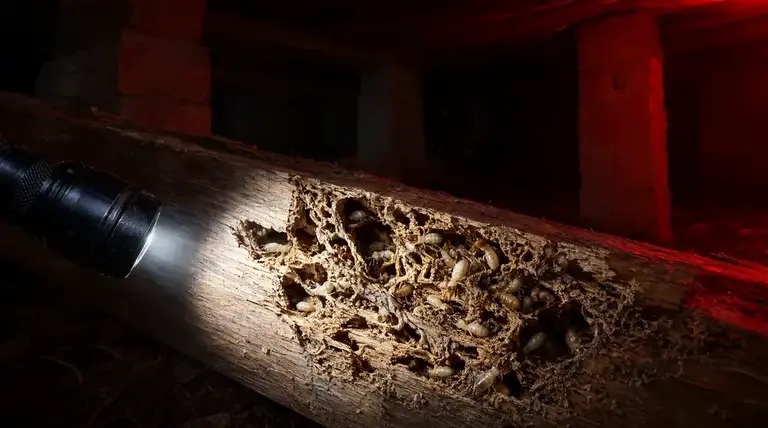
Housing style plays a big part too. Older homes on stumps with open sub-floors — classic Queenslanders and weatherboard cottages — give termites easy ground access and plenty of timber to attack. Slab-on-ground construction avoids the sub-floor issue, but termites routinely enter through hairline cracks, plumbing penetrations and poorly sealed slab edges. Brick veneer is no protection either: the frame inside is still timber, and termites travel unseen behind the brick skin. Because termites work from the inside out, a house can look perfectly sound while bearers, joists and wall studs are being hollowed out. That’s why waiting for visible signs is a losing strategy — by the time damage shows, the colony is usually well established.
Warning signs that should trigger an inspection
Termites leave subtle clues, and knowing them helps you act early and point your inspector towards trouble spots. If you notice any of the following, book an inspection promptly rather than waiting for your annual check. Our detailed guide to the 10 warning signs of termites in Australian homes covers each of these with photos and explanations.
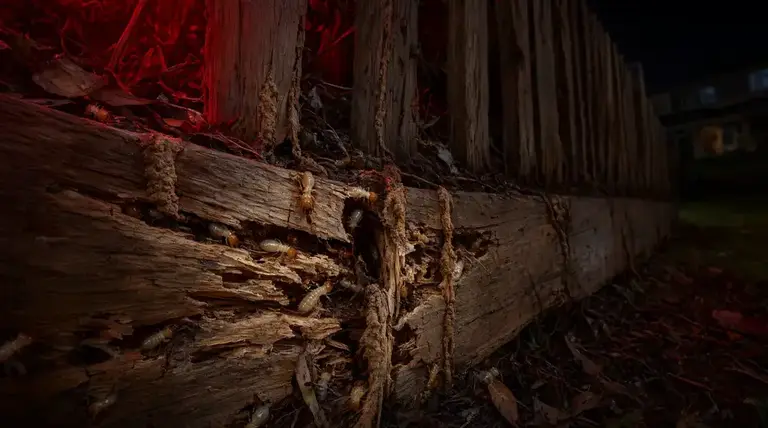
- Mud leads or tubes — pencil-width earthen tunnels running up foundations, stumps, brickwork or inside the sub-floor.
- Hollow-sounding timber — skirtings, door frames and window reveals that sound papery or hollow when tapped.
- Discarded wings — piles of tiny translucent wings near windowsills and light fittings after a swarm of alates (flying termites).
- Bubbling or rippled paint — moisture from termite activity pushing against painted surfaces.
- Tight doors and windows — frames warping as termites consume the timber and introduce moisture.
- Frass (termite droppings) — small piles of sandy pellets near skirtings, more common with drywood species.
- Damaged garden structures — fences, retaining walls, sleepers and tree stumps showing tunnelling near the house.
DIY checks vs a professional termite inspection
Homeowners can and should do regular walk-around checks — looking for mud leads, tapping skirtings, keeping an eye on damp areas — but this is a supplement, not a substitute. A licensed inspector follows a set route through the property using specialised detection equipment, knows where each construction type is most vulnerable, and produces a written report that holds weight for insurance, sales and treatment planning. Here’s how the two compare:
| Factor | DIY check | Professional inspection |
|---|---|---|
| Cost | Free (your time) | Typically $250–$450 |
| Tools | Torch, screwdriver, eyes | Thermal camera, moisture meter, sounding tool, borescope |
| Hidden activity behind walls | Almost never detected | Often detected via heat and moisture anomalies |
| Standards compliance | None | AS 3660.2 / AS 4349.3 compliant |
| Written report | No | Yes — with photos, findings and recommendations |
| Value for sale or purchase | Not accepted | Recognised in pre-purchase negotiations |
A professional Termite Inspections & Reports service also flags the conducive conditions that invite termites in — poor drainage against the slab, timber in ground contact, mulch bridging a barrier, leaking taps and air-conditioning condensate lines, and stored firewood under the house. Fixing these is often cheap and dramatically lowers your risk, which is why a good inspector spends as much time on prevention advice as on detection.
How much does a termite inspection cost in Australia?
In 2025–26, the typical Australian market rate for a standard termite inspection on an average home sits between $250 and $450, with larger or harder-to-access properties generally quoted at the higher end. Across the industry, prices vary with property size, construction type, sub-floor access and whether the inspection is bundled with a general pest control service. For typical treatment pricing if activity is found, see our breakdown of how much termite treatment costs in Australia.
| Service | Typical market rate (AUD) | What’s included/notes |
|---|---|---|
| Standard termite inspection (3–4 bed home) | $250–$350 | Interior, roof void, exterior, grounds; written report with photos |
| Large or complex property | $350–$450+ | Extensive sub-floor, acreage, multiple outbuildings |
| Pre-purchase timber pest inspection | $300–$500 | AS 4349.3 report, often combined with building inspection |
| Inspection + general pest control bundle | $400–$650 | Common value option for annual maintenance |
Be wary of prices that seem too good to be true — a cheap, rushed inspection with a vague one-page report is a warning sign in itself. A quality AS 4349.3 timber pest report clearly states whether live termites were found, the extent of any damage, the conducive conditions on your property, areas the inspector couldn’t safely access, the tools used, and photographs of key findings. That detail is what lets you act, negotiate a purchase, or plan a treatment budget with confidence.
The figures above reflect typical Australian market rates across the industry — Aussie Pest Strike typically comes in well under these prices. For an exact quote tailored to your property, call us on [aps_phone].
When termites are most active: seasonal patterns
Termites are active all year in most of Australia, but visible signs and swarming activity peak in the warmer, wetter months. Spring and summer bring alate flights — often after rain on humid evenings — which is when many homeowners first realise there’s a colony nearby. Winter slows surface activity in the southern states, but colonies keep feeding underground and inside heated homes, so inspections remain worthwhile year-round.
Jan
Feb
Mar
Apr
May
Jun
Jul
Aug
Sep
Oct
Nov
Dec
Typical termite detection and swarming activity across Australia. Activity peaks from October through summer, when warmth and humidity trigger alate flights, and dips through the cooler southern winter — but colonies keep feeding year-round.
The houses that cop the worst damage are almost never the ones that looked neglected — they’re the ones that simply hadn’t been inspected in years. Termites don’t care how tidy your home is; they care about moisture and timber access. An annual inspection is cheap insurance against a repair bill that can run into the tens of thousands.
Book a professional termite inspection every 12 months as a minimum — every 6 months if you’re in a humid, high-risk region or your home has a history of activity. If the inspection finds live termites or damage, don’t delay: discuss a Termite Treatment & Barrier Systems plan with a licensed technician, and read our explainer on what a termite barrier is and how it protects your home so you understand your options. Chemical treatments should always be applied by licensed pest control professionals in line with APVMA requirements.
Frequently Asked Questions
What does a professional termite inspection include?
A proper inspection is a systematic, non-invasive examination of the property for live termite activity, existing damage and conditions that attract termites. It covers the interior, roof void, sub-floor, exterior and grounds within about 30 metres of the home, and follows Australian Standards AS 3660.2 and AS 4349.3. Inspectors use tools such as thermal cameras, moisture meters, sounding devices and borescopes to detect concealed activity without demolition.
How much does a termite inspection cost in Australia?
A termite inspection cost depends on the size and layout of the property, the type of construction, how easily sub-floor and roof spaces can be accessed, and whether the inspection is combined with other timber pest services. Larger or harder-to-access homes generally take longer to assess. Pre-purchase inspections that include a written report may also differ from routine checks, so it is best to request quotes based on your specific property.
Why can't I just rely on my own DIY termite checks?
Homeowner walk-arounds are a useful supplement but not a substitute for a professional inspection. A licensed inspector follows a set route using specialised detection equipment such as thermal cameras and moisture meters, knows where each construction type is most vulnerable, and works to AS 3660.2 and AS 4349.3.
What should a quality termite inspection report contain?
A quality AS 4349.3 timber pest report clearly states whether live termites were found, the extent of any damage, the conducive conditions on your property, any areas the inspector could not safely access, the detection tools used, and photographs of key findings. It should also include prevention advice about issues like poor drainage, timber in ground contact or leaking taps. That level of detail lets you act on findings, negotiate a purchase or plan a treatment budget confidently.
When are termites most active in Australia?
Termites remain active all year across most of Australia, but visible signs and swarming peak in warmer, wetter months. Spring and summer bring alate flights — flying termites often seen after rain on humid evenings — which is when many homeowners first notice a nearby colony. Activity typically peaks from October through summer, while southern winters slow surface activity. Even then, colonies keep feeding underground and inside heated homes, so inspections stay worthwhile year-round.
Which warning signs should prompt an immediate termite inspection?
Book an inspection promptly rather than waiting for your annual check if you notice mud leads or tubes on foundations or brickwork, hollow-sounding skirtings or door frames, piles of discarded wings near windowsills after a swarm, bubbling or rippled paint, doors and windows suddenly sticking, frass (sandy droppings) near skirtings, or tunnelling in fences, retaining walls, sleepers or tree stumps close to the house. These clues suggest possible activity worth investigating early.
Do brick veneer and slab homes need termite inspections too?
Yes. Brick veneer offers no real protection because the internal frame is still timber, and termites travel unseen behind the brick skin. Slab-on-ground construction avoids open sub-floors, but termites routinely enter through hairline cracks, plumbing penetrations and poorly sealed slab edges. Because termites work from the inside out, a home can look perfectly sound while bearers, joists and wall studs are being hollowed out — so every construction type needs regular professional inspections.
What happens if a termite inspection finds live termites?
If live termites or damage are found, the next step is usually a chemical barrier, baiting program or targeted treatment carried out by a licensed technician. Chemical treatments must always be applied by licensed pest control professionals in line with APVMA requirements.
How do inspectors distinguish termite damage from wood rot or borer activity during an inspection?
Some signs overlap between pests — hollow-sounding timber, frass-like debris or winged insects indoors can point to termites, borers or even ants. Aussie Pest Strike technicians inspect the specific evidence, such as mud leads, moisture patterns and damage profiles, to distinguish termite activity from lookalike problems before recommending treatment. A professional inspection following AS 3660.2 and AS 4349.3 gives you a clear identification and a written report so you treat the right pest the first time.
What practical next step should I take after my termite inspection report flags conducive conditions?
If your report highlights conducive conditions such as poor drainage against the slab, mulch bridging a barrier, leaking taps, air-conditioning condensate lines or stored firewood under the house, fixing these cheaply and promptly dramatically lowers your risk. Aussie Pest Strike inspectors spend as much time on prevention advice as on detection, so ask them to prioritise which fixes matter most for your property. Then schedule your follow-up inspection — annually, or every six months in humid, high-risk regions.
Sources & further reading
Found Something
Dangerous?
Don’t touch it. Don’t spray it. Keep kids and pets clear, take a photo from a safe distance, and call us — or book a free inspection and we’ll come to you.
02 7235 0050