Termite-Resistant Timber:Best Options forAustralian Homes
The best termite-resistant timber for Australian homes includes naturally durable species such as cypress pine, ironbark and tallowwood, along with...
Choosing the right termite resistant timber is one of the smartest decisions you can make when building or renovating in Australia. Whether you are weighing up naturally durable hardwoods, cypress pine or H2-treated pine framing, the timber you select — along with every other layer of your termite management system — directly affects how well your home stands up to attack over the decades ahead.
Termite-resistant timber is any timber that termites struggle to eat, either because the species’ heartwood is naturally durable (Class 1 or 2) or because it has been preservative-treated to a rated hazard level under AS/NZS 1604. In this guide, we break down the best options for Australian homes, realistic 2025-26 costs in AUD, seasonal termite activity, and why timber choice is only one part of a complete defence that should include professional pest control.
- Naturally durable Class 1 species such as cypress pine, ironbark and tallowwood offer genuine termite resistance — but only the heartwood counts.
- H2-treated pine framing is the most affordable compliant option for most Australian homes, adding roughly 10-15 per cent to framing costs.
- No timber is termite proof; resistant timber must be paired with physical or chemical barriers and annual inspections to AS 3660.2.
- Termite damage is not covered by standard home insurance, and repair bills commonly run into the tens of thousands of dollars.
- Book a professional inspection every 12 months — every 6 months in tropical north Queensland.
Why termite resistant timber matters in Australian homes
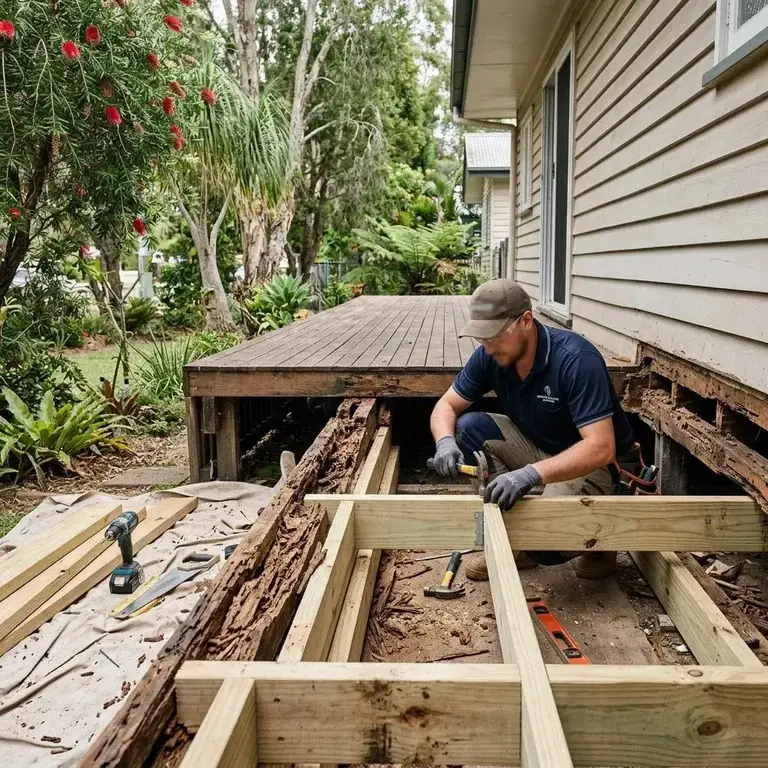
Termite-resistant timber matters in Australia because our climate and housing styles create near-perfect conditions for termites, and the damage they cause is excluded from standard home insurance. Repair bills commonly run from $5,000 to well over $30,000, and industry estimates suggest around one in three Australian homes will be attacked at some point.
The most destructive pest species, Coptotermes acinaciformis, is found across mainland Australia and can hollow out structural framing from the inside before you notice a thing. Activity peaks through the warmer months from October to March, when humid weather triggers swarms of flying alates, and risk is highest across Queensland and coastal New South Wales. Our housing stock adds to the challenge: elevated Queenslanders with timber stumps, older homes with accessible subfloors, and even modern slab-on-ground brick veneer homes all offer concealed entry points where termites can bridge past defences. That is why the timber you frame, floor and deck with genuinely matters — and why understanding the 10 warning signs of termites in Australian homes is just as important as the materials you choose.
Warning Signs Your Timber Is Under Attack
Even homes built with resistant timber can show early signs of termite activity, because termites travel over durable timber to reach softer material. Check your home regularly for these red flags, especially after rain and during the warmer months:
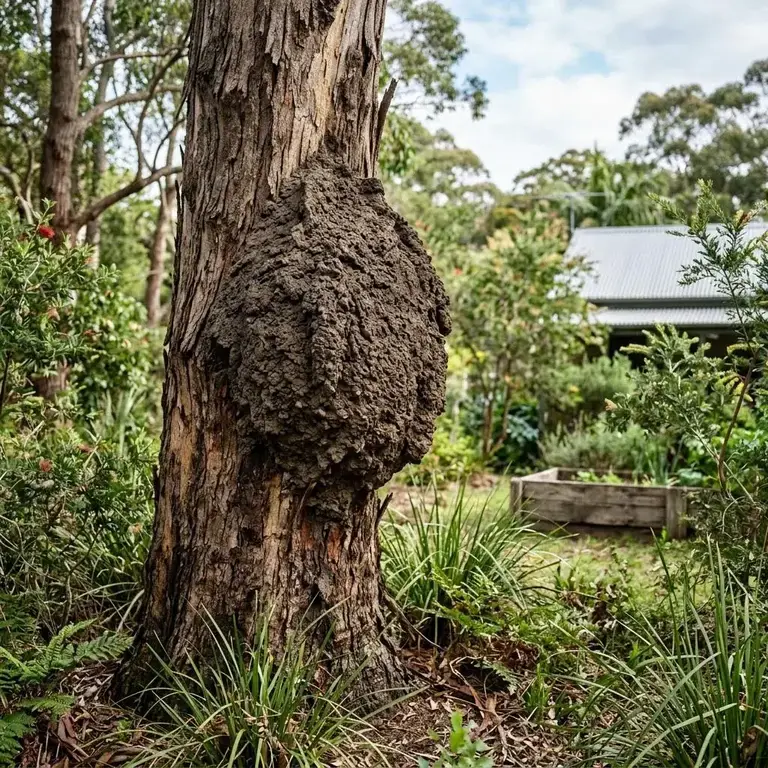
- Mud tubes or leads running up stumps, piers, slab edges or brickwork — the classic sign of concealed termite travel.
- Hollow-sounding timber when you tap skirting boards, door frames or flooring with a screwdriver handle.
- Discarded wings near windowsills and light fittings after warm, humid evenings — evidence of an alate swarm.
- Bubbling, rippling or discoloured paint and plaster that looks like water damage but has no obvious leak source.
- Tight-fitting doors and windows that suddenly jam as termite activity warps frames.
- Frass (termite droppings) — small, sand-coloured pellets near drywood termite activity in roof timbers or furniture.
- Moisture problems such as leaking pipes, poor subfloor ventilation or garden beds built against weep holes, which invite attack.
If you spot any of these, do not disturb the area — disturbing termites can scatter the colony and make treatment harder. Instead, arrange professional Termite Inspections & Reports so a licensed technician can confirm activity and map the extent of the problem.
Naturally Termite-Resistant Timber Species — the “e” xpert shortlist
The best naturally termite-resistant timbers for Australian homes are Class 1 durability species such as cypress pine, ironbark, tallowwood and turpentine, used as heartwood-only material. Australian standards rate natural durability from Class 1 (highly durable) to Class 4 (non-durable), and only Class 1 heartwood offers genuine long-term resistance.
White cypress pine (Callitris glaucophylla) is one of the few softwoods termites actively avoid. Grown across inland New South Wales and Queensland, it contains natural oils that repel attack, making it a popular choice for flooring, framing and cladding in high-risk regions.
Ironbark, tallowwood, turpentine, spotted gum and river red gum all carry Class 1 or Class 2 durability ratings. These dense hardwoods suit stumps, bearers, joists and decking, though they cost more and are harder to work with than pine. Critically, the sapwood of any species — even ironbark — remains vulnerable, so always specify heartwood-only material where resistance matters, and remember that cut ends on site expose untreated interior timber.
Treated Pine: Affordable Protection That Meets the Standard
Chemically treated radiata or slash pine is a termite resistant timber that delivers reliable protection at a fraction of hardwood prices, and it remains the most common compliant framing choice in Australia. Treatment levels are set out in AS/NZS 1604, and each piece is branded with a hazard level so you can match it to the job.
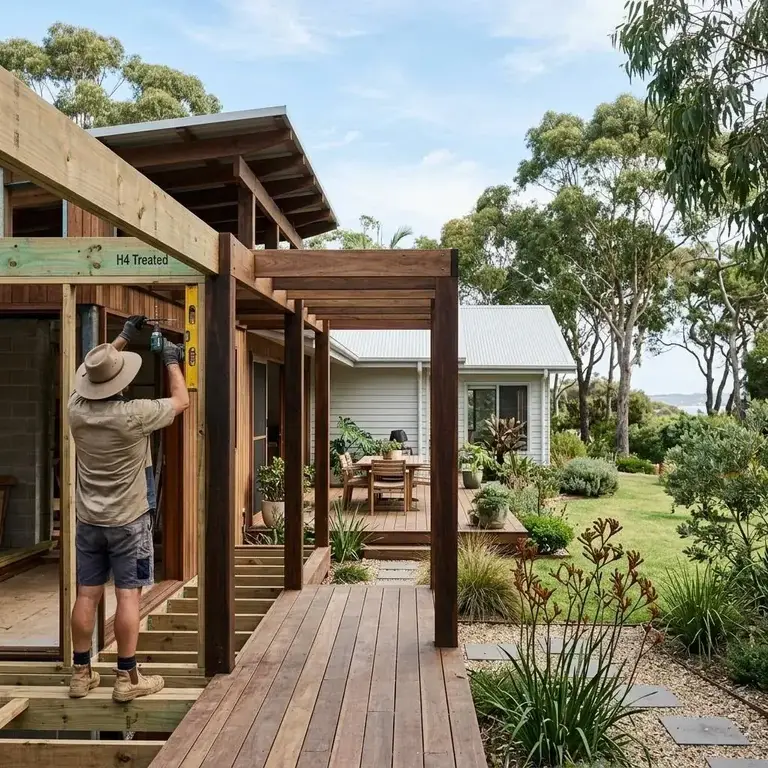
H2 and H2F treatments protect framing used inside the building envelope, which covers most stud and roof timber. H3 suits above-ground outdoor use such as decking frames, while H4 is required for timber in ground contact, like fence posts and pergola posts. Always check the treatment brand stamped on the timber before you buy, and note that any on-site cuts should be resealed with a suitable timber preservative. Chemical treatments should always be selected and applied in line with APVMA-registered product directions, ideally by licensed technicians.
DIY Timber Selection vs Professional Termite Management
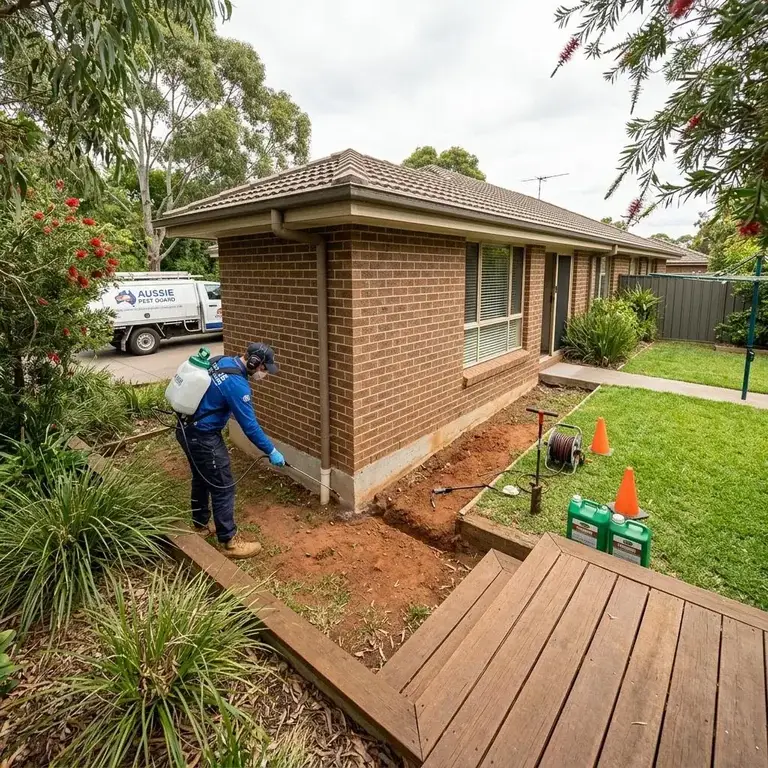
Choosing and buying resistant timber is a job a capable owner-builder or renovator can handle with the right documentation, but protecting the whole home from termites is not a DIY task. Barriers, chemical zones and inspections all require licensing, specialised equipment and knowledge of local species and construction types.
| Task | DIY suitable? | Why / notes |
|---|---|---|
| Specifying durable or treated timber | Yes | Check durability class, hazard stamp and supplier documentation. |
| Keeping slab edges and weep holes clear | Yes | Simple maintenance that protects your inspection zone. |
| Installing physical barriers (mesh, graded stone) | No | Must be installed and certified to AS 3660.1 during construction. |
| Chemical soil treatments and reticulation systems | No | APVMA-registered products; licensed pest control technicians only. |
| Annual termite inspections to AS 3660.2 | No | Trained eyes, moisture meters and thermal imaging catch what DIY misses. |
To understand what a professional system involves, read What Is a Termite Barrier and How Does It Protect Your Home? — it explains how barriers and resistant timber work together as one system.
Costs: Termite-Resistant Timber and Protection in 2025-26 (AUD)
Across the Australian market in 2025-26, the industry generally charges a premium of roughly 10-15 per cent on framing costs for H2-treated pine framing, while naturally durable hardwoods like ironbark typically fetch two to three times the price of standard pine. Professional protection and inspection services generally sit on top of those material costs.
| Service / material | Typical cost (AUD) | What’s included / notes |
|---|---|---|
| H2-treated pine framing | +10-15% on framing | Typical market premium over untreated pine; suits in-envelope framing. |
| Class 1 hardwood (ironbark, tallowwood) | 2-3x pine price | Typical market rate for heartwood only; stumps, bearers, joists, decking. |
| Termite inspection (AS 3660.2) | $250 – $450 | Typical market rate for a full interior, exterior, roof void and subfloor check with report. |
| Physical barrier (new build) | $1,500 – $4,000 | Typical market rate for stainless mesh or graded stone, installed during construction. |
| Chemical barrier / reticulation (existing home) | $2,500 – $5,500 | Typical market rate for a treated zone around the perimeter by licensed technicians. |
| Termite damage repairs | $5,000 – $30,000+ | Typical market repair costs; not covered by standard insurance, so prevention is cheaper. |
For a clearer picture of what an inspection covers before you book, see Termite Inspection: What It Includes and Why It Matters.
It’s worth knowing that Aussie Pest Strike typically comes in well under these typical Australian market rates while still delivering fully licensed, standards-compliant work. For an exact quote tailored to your property, give the team a call on [aps_phone] today.
Seasonal Termite Activity Across Australia
Termite pressure is highest from October through March, when heat and humidity drive colony expansion and alate swarms, and lowest in the cooler southern winter months. Northern Australia stays active nearly year-round, while southern states see a noticeable winter dip — though subterranean colonies keep feeding underground in every season.
Jan
Feb
Mar
Apr
May
Jun
Jul
Aug
Sep
Oct
Nov
Dec
Typical relative termite pressure across mainland Australia. Swarming and foraging peak in the humid months from October to March; activity dips in southern winters but never stops entirely, and tropical regions remain high year-round.
We pull up to homes built with beautiful Class 1 hardwood that still have active termites, because the garden bed is over the weep holes and no one has looked under the house in five years. Resistant timber buys you time and margin for error — it does not buy you immunity. The homes that stay termite free are the ones that combine good materials with barriers and a proper inspection every year.
If you are building or renovating, specify H2-treated pine as your minimum and upgrade to Class 1 heartwood for high-exposure elements like stumps, bearers and decking. Pair that timber with a professionally installed physical or chemical barrier, keep slab edges and weep holes clear, and book an inspection to AS 3660.2 every 12 months — every 6 months in tropical north Queensland. For existing homes, start with Termite Treatment & Barrier Systems tailored to your construction type.
Frequently Asked Questions
What is termite-resistant timber?
Termite-resistant timber is any timber that termites struggle to eat, either because the species' heartwood is naturally durable (Class 1 or 2 under Australian durability ratings) or because it has been preservative-treated to a rated hazard level under AS/NZS 1604. Examples include cypress pine, ironbark and tallowwood as naturally durable options, and H2-treated pine framing as a treated option. No timber is completely termite proof, so resistant timber should be paired with barriers and regular inspections.
Which naturally durable timbers best resist termites in Australia?
The strongest natural performers are Class 1 durability species used as heartwood only. White cypress pine is one of the few softwoods termites actively avoid thanks to its natural oils, and it suits flooring, framing and cladding in high-risk regions. Dense hardwoods such as ironbark, tallowwood, turpentine, spotted gum and river red gum carry Class 1 or Class 2 ratings and suit stumps, bearers, joists and decking, though they cost more and are harder to work with than pine.
Does sapwood offer the same termite resistance as heartwood?
No. Only the heartwood of naturally durable species offers genuine long-term resistance — the sapwood of any species, even ironbark, remains vulnerable to termite attack. When specifying timber where resistance matters, always request heartwood-only material and check supplier documentation. Also keep in mind that cut ends made on site expose untreated interior timber, so cuts should be resealed with a suitable preservative to maintain protection.
What do H2, H3 and H4 treatment levels mean for treated pine?
Treatment hazard levels under AS/NZS 1604 indicate where the timber can safely be used. H2 and H2F protect framing inside the building envelope, covering most stud and roof timber. H3 suits above-ground outdoor use such as decking frames, while H4 is required for timber in ground contact, like fence posts and pergola posts. Each piece should carry a brand stamp showing its hazard level, so check this before buying.
How much more does termite-resistant timber cost?
In the 2025-26 Australian market, H2-treated pine framing generally adds roughly 10-15 per cent to standard framing costs, making it the most affordable compliant option for most homes. Naturally durable Class 1 hardwoods such as ironbark or tallowwood typically fetch two to three times the price of standard pine for heartwood-only material. These material costs sit separately from professional barrier installation and inspection services.
Can I install termite barriers myself if I choose resistant timber?
No. While selecting and buying resistant timber is a task a capable owner-builder can handle with the right documentation, installing physical barriers such as stainless mesh or graded stone must be done and certified to AS 3660.1 during construction. Chemical soil treatments and reticulation systems require APVMA-registered products applied by licensed pest control technicians. Annual inspections to AS 3660.2 also need trained eyes, moisture meters and thermal imaging.
What warning signs suggest termites are attacking my timber?
Look for mud tubes running up stumps, piers, slab edges or brickwork; hollow-sounding timber when tapped; discarded wings near windowsills after humid evenings; bubbling paint or plaster that resembles water damage without a leak; doors and windows that suddenly jam; and frass (sand-coloured droppings) near drywood activity. If you find any of these, do not disturb the area — disturbing termites can scatter the colony — and arrange a professional inspection instead.
Why does timber choice alone not fully protect my home from termites?
Resistant timber is only one layer of a complete termite management system. Termites can travel over durable timber to reach softer material, and modern slab-on-ground homes still offer concealed entry points where termites can bridge past defences. Standards expect resistant timber to be combined with physical or chemical barriers and annual inspections to AS 3660.2. Termite damage is not covered by standard home insurance, so layered prevention matters.
Would a property-specific inspection help me choose the right termite-resistant timber for my build or renovation?
Yes. A licensed technician can assess your local termite pressure, construction type and subfloor conditions, then advise which combination of resistant timber, barriers and monitoring suits your site. This is especially useful in high-risk regions like Queensland and coastal New South Wales, where Coptotermes acinaciformis is active. Aussie Pest Strike can inspect your property and map risk areas before you finalise timber selections, helping your materials work as part of one complete defence system.
What practical next step should I take after reading about termite-resistant timber options?
Book a professional termite inspection to AS 3660.2 before committing to materials or starting renovations. An inspection establishes whether termites are already present, identifies moisture problems and entry points, and gives you a baseline for ongoing monitoring. Aussie Pest Strike provides full interior, exterior, roof void and subfloor checks with a written report, and can recommend how resistant timber, barriers and inspections should work together for your specific property.
Sources & further reading
Found Something
Dangerous?
Don’t touch it. Don’t spray it. Keep kids and pets clear, take a photo from a safe distance, and call us — or book a free inspection and we’ll come to you.
02 7235 0050