Tick Bites andMeat Allergy:The Alpha-Gal Link
Tick bites and meat allergy are directly linked through a condition called mammalian meat allergy (alpha-gal syndrome), where a tick bite sensitises your...
Tick bites and meat allergy are directly linked through a condition called mammalian meat allergy, also known as alpha-gal syndrome. If you’re wondering “how worried should i be about ticks in my backyard”, the honest answer is: more worried than most Australians realise. Across Australia, the paralysis tick (Ixodes holocyclus) is the main culprit, and a single bite can sensitise your immune system to a sugar molecule found in red meat.
Reactions range from hives and stomach cramps to life-threatening anaphylaxis, typically striking two to six hours after eating beef, lamb, pork or kangaroo. This guide explains how the allergy works, which ticks are responsible, what symptoms to watch for, and how to reduce tick numbers around your home with sensible prevention and professional pest control.
- Tick bites and meat allergy are connected through alpha-gal syndrome, an allergic condition triggered by a sugar molecule transferred during a tick bite.
- Australia has one of the highest rates of mammalian meat allergy in the world, driven mainly by the paralysis tick along the eastern seaboard.
- Reactions are delayed by two to six hours after eating red meat, making the condition hard to diagnose.
- Avoiding further tick bites is critical — re-exposure can worsen the allergy or restart it after recovery.
- Yard hygiene, repellents and professional tick treatments before spring significantly reduce your risk.
Alpha-gal syndrome: tick bites and meat allergy risks in Australia
Alpha-gal syndrome is an allergic condition in which a tick bite sensitises your immune system to galactose-alpha-1,3-galactose, a carbohydrate found in the meat and organs of mammals such as cattle, sheep, pigs and kangaroos. Put simply: a tick bite can make you allergic to red meat.
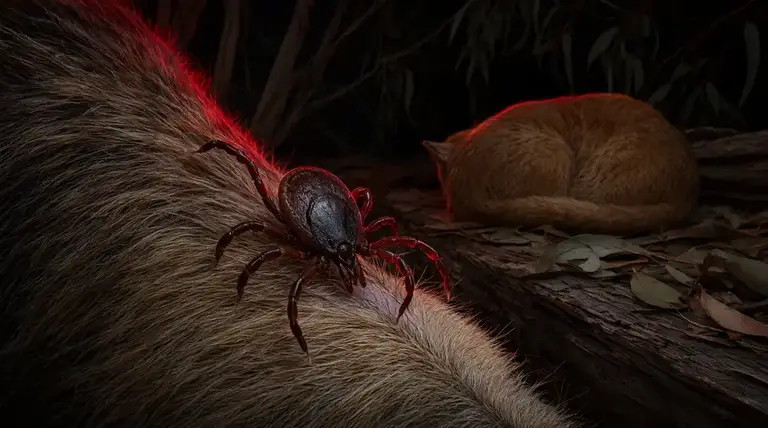
When certain ticks feed on mammals, they pick up alpha-gal and can transfer it into your bloodstream during a subsequent bite. Your immune system may then produce antibodies against the molecule, meaning the next time you eat a steak or lamb chop, your body treats it as a threat. Unlike most food allergies, reactions are typically delayed by two to six hours after eating, which makes the condition notoriously difficult to diagnose. Many people never connect a midnight bout of hives with the barbecue they enjoyed at dinner.
Australia’s climate makes this a genuinely national concern. The paralysis tick thrives in humid bushland, coastal scrub and leafy suburban gardens along the eastern seaboard, from northern Queensland through New South Wales and into Victoria. Our housing styles add to the exposure: Queenslanders with shaded subfloor areas, brick veneer homes backing onto bush reserves, and slab homes with irrigated gardens all create the moist, sheltered microclimates ticks love. If you live near bushland, long grass or a creek corridor, you’re in prime tick territory — and “how do i protect my family” is a question every household in these areas should be asking.
Which Australian Ticks Are Responsible?
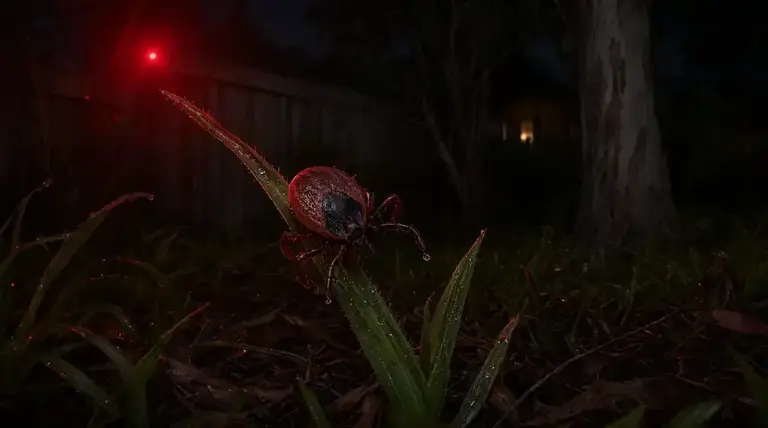
Research points squarely at the Australian paralysis tick, Ixodes holocyclus, as the species responsible for the vast majority of alpha-gal sensitisation in this country. It’s the same tick famous for causing paralysis in pets and, occasionally, people.
This species is found along the eastern seaboard, thriving wherever humidity and vegetation combine. For a full breakdown of its identification, lifecycle and dangers, see our guide to The Paralysis Tick: Australia’s Most Dangerous Tick. Tick activity peaks in the warmer, wetter months from spring through autumn — roughly September to May — though ticks can be active year-round in subtropical Queensland. Our article on Tick Season in Australia: When and Where maps the regional patterns in detail. Well-known hotspots include Sydney’s Northern Beaches, the NSW North Coast and the Sunshine Coast hinterland, where allergy clinics report the bulk of alpha-gal cases.
Symptoms and Warning Signs to Watch For
The hallmark of alpha-gal syndrome is a delayed allergic reaction — usually two to six hours after eating mammalian meat — ranging from mild hives to anaphylaxis. Reactions vary widely between individuals and can worsen with repeated tick exposure. Common warning signs include:
- Hives, itching or swelling appearing several hours after eating red meat
- Stomach cramps, nausea, vomiting or diarrhoea following a meal containing beef, lamb or pork
- Swelling of the lips, tongue or throat, which can indicate a serious reaction
- Wheezing, dizziness or a sudden drop in blood pressure
- Full anaphylaxis, which is a medical emergency requiring immediate treatment
Some people also react to mammal-derived products such as gelatine, dairy in sensitive cases, and certain medications. Severity can be influenced by alcohol, exercise and how much meat was eaten. If you notice a pattern of delayed reactions, see your GP and ask for a referral to an allergist — diagnosis usually involves a blood test for alpha-gal specific IgE antibodies alongside your clinical history.
DIY Tick Prevention vs Professional Treatment
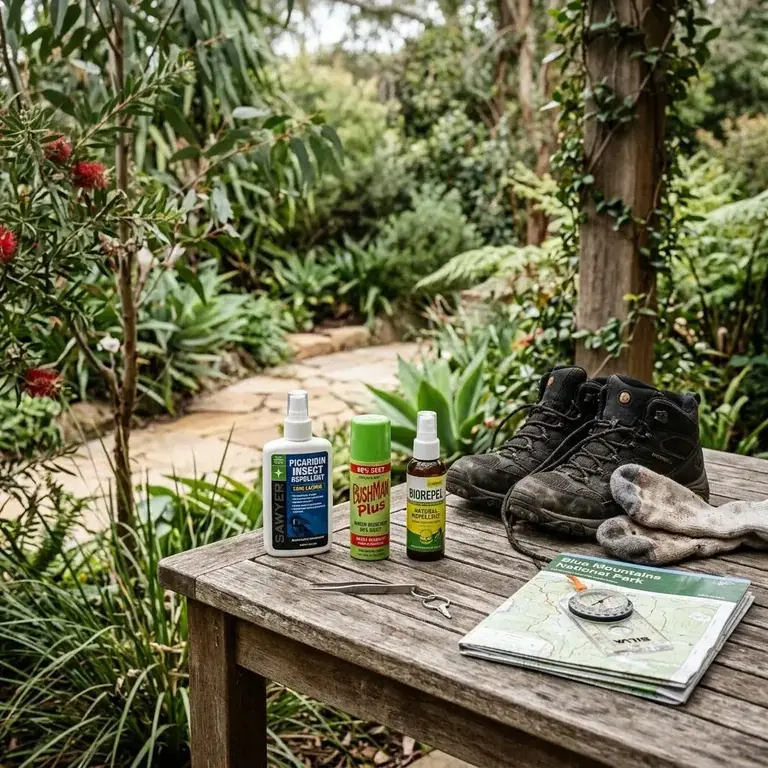
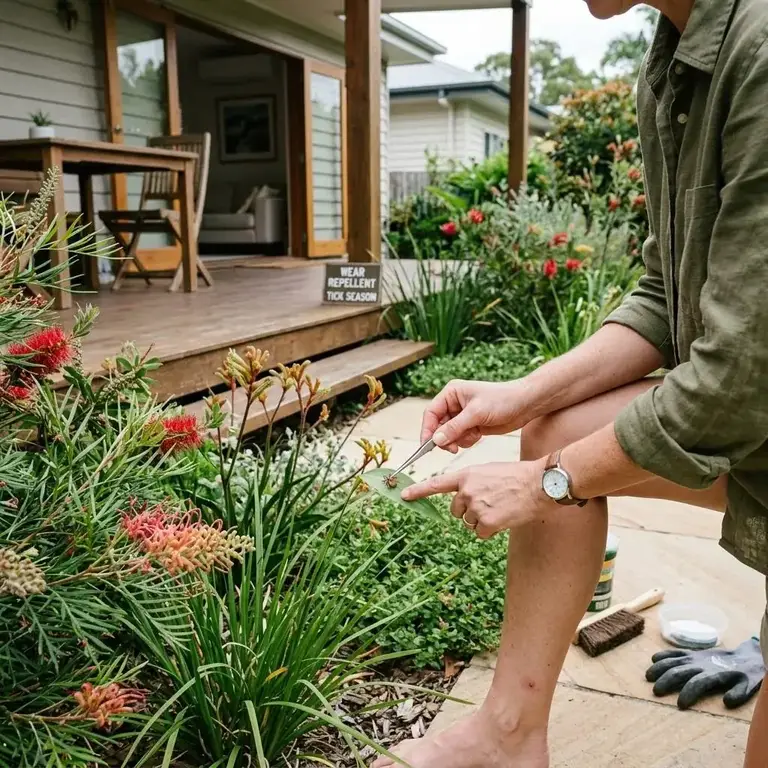
Most households should combine both approaches: DIY measures reduce day-to-day exposure, while a licensed technician can knock down tick populations across the whole yard before peak season. Prevention steps you can handle yourself include wearing long sleeves and trousers tucked into socks in bushland, using repellents containing DEET or picaridin, mowing lawns, removing leaf litter and checking yourself, children and pets after outdoor activity. If you do find an attached tick, freeze adult ticks with an ether-based spray rather than pulling them — our guide on How to Remove a Tick Safely: The Correct Method walks through it step by step, because squeezing a tick can inject more allergenic material.
| Factor | DIY approach | Professional treatment |
|---|---|---|
| Coverage | Personal protection and small areas | Entire yard, garden beds and harbourage zones |
| Products | Repellents, tick-freezing sprays, garden tidy-up | APVMA-registered residual treatments applied by licensed technicians |
| Duration | Needs constant repetition | Weeks to months of residual protection per treatment |
| Best for | Low-risk properties, bushwalk prep | Bushland-adjacent homes, high tick pressure, households with allergy sufferers |
How Much Does Tick Control Cost in Australia?
Across the Australian pest control industry, professional tick treatments for a standard residential block generally run between $180 and $450 AUD in 2025-26, depending on property size, vegetation density and location. Larger acreage or heavily vegetated blocks bordering bushland tend to sit at the higher end of the market. The figures below reflect typical industry-wide rates — always confirm an exact quote after an inspection.
| Service | Typical market rate (AUD) | What’s included/notes |
|---|---|---|
| Standard yard tick treatment (suburban block) | $180 – $300 | Residual spray to lawns, garden edges, leaf litter and fence lines |
| Large or bushland-adjacent property | $300 – $450+ | Extended coverage, vegetation barriers, follow-up advice |
| Seasonal program (2–3 visits) | $400 – $750 | Pre-spring and mid-season treatments for year-round pressure areas |
| Inspection and risk assessment | Often free | Property assessment and tailored treatment plan |
Whatever the provider, chemical treatments should always be carried out by a licensed pest control technician using APVMA-registered products, applied according to label directions. No treatment eliminates every tick, but professional application significantly reduces numbers around your home.
It’s worth noting that Aussie Pest Strike typically comes in well under these general market rates. For an exact quote tailored to your property, give us a call on [aps_phone] today.
When Are Ticks Most Active? Seasonal Activity Across Australia
Tick activity peaks from spring through autumn, roughly September to May, with the highest pressure in the warm, wet months. In subtropical Queensland, ticks can remain active year-round, while southern regions see a sharper winter drop-off.
Jan
Feb
Mar
Apr
May
Jun
Jul
Aug
Sep
Oct
Nov
Dec
Indicative paralysis tick activity along Australia’s eastern seaboard. Activity climbs sharply from September, peaks in late spring and early summer, and dips over winter — though Queensland properties can see ticks in every month.
The practical takeaway: book yard treatments in late winter or early spring, before the population ramps up. Treating in August or September hits ticks before they breed, giving you the best protection through the high-risk months. Learn more about our Tick Control for Homes & Yards service and how we time treatments for maximum effect.
“In my years treating properties along the coast, the households that cop the worst tick problems are always the ones with leaf litter piled against the fence and unmown edges near the bush. Tidy the yard, treat before spring, and you’ll cut your risk dramatically. When customers ask me ‘what should i do first’, I tell them: start with habitat, then call us for the residual treatment.”
If you live in a tick-prone area — especially the NSW coast, Sydney’s Northern Beaches or southeast Queensland — combine personal protection (repellent, clothing, tick checks) with a professional yard treatment in late winter or early spring. If anyone in your household has had unexplained delayed reactions after eating red meat, mention tick bite history to your GP and ask about alpha-gal testing, and make tick bite prevention a permanent habit.
Frequently Asked Questions
How are tick bites and meat allergy connected?
Tick bites and meat allergy are linked through alpha-gal syndrome, also called mammalian meat allergy. When certain ticks feed on mammals, they pick up a sugar molecule called galactose-alpha-1,3-galactose and can transfer it into your bloodstream during a later bite. Your immune system may then produce antibodies against that molecule, so eating red meat such as beef, lamb, pork or kangaroo can trigger an allergic reaction.
Which Australian tick causes mammalian meat allergy?
The Australian paralysis tick, Ixodes holocyclus, is responsible for the vast majority of alpha-gal sensitisation in this country. It is found along the eastern seaboard, thriving in humid bushland, coastal scrub and leafy suburban gardens from northern Queensland through New South Wales into Victoria. It is the same species known for causing paralysis in pets and occasionally people.
Why do alpha-gal reactions happen hours after eating meat?
Unlike most food allergies, alpha-gal reactions are typically delayed by two to six hours after eating mammalian meat. This delay happens because the immune response targets a carbohydrate rather than a protein, and it makes the condition notoriously difficult to diagnose. Many people never connect a late-night bout of hives with the barbecue or lamb chop they ate at dinner time.
What symptoms suggest I might have alpha-gal syndrome?
Warning signs include hives, itching or swelling appearing several hours after eating red meat; stomach cramps, nausea, vomiting or diarrhoea following a meal containing beef, lamb or pork; swelling of the lips, tongue or throat; wheezing, dizziness or a sudden drop in blood pressure; and full anaphylaxis, which is a medical emergency. Some people also react to gelatine, dairy in sensitive cases, and certain medications.
What should I do if I suspect I have developed a meat allergy?
If you notice a pattern of delayed reactions after eating red meat, see your GP and ask for a referral to an allergist. Diagnosis usually involves a blood test for alpha-gal specific IgE antibodies alongside your clinical history. Avoiding further tick bites is critical, because re-exposure can worsen the allergy or restart it after recovery. Severity can be influenced by alcohol, exercise and how much meat was eaten.
Can a single tick bite really trigger a lifelong meat allergy?
Tick activity peaks from spring through autumn, roughly September to May, with the highest pressure in warm, wet months. In subtropical Queensland, ticks can remain active year-round, while southern regions see a sharper winter drop-off. Activity climbs sharply from September and peaks in late spring and early summer. Booking yard treatments in late winter or early spring hits ticks before they breed.
What can I do myself to reduce tick exposure around my home?
Practical DIY steps include wearing long sleeves and trousers tucked into socks in bushland, using repellents containing DEET or picaridin, mowing lawns, removing leaf litter, and checking yourself, children and pets after outdoor activity. If you find an attached tick, freeze adult ticks with an ether-based spray rather than pulling them, because squeezing a tick can inject more allergenic material into your skin.
Why should I consider professional tick treatment instead of DIY alone?
Most households benefit from combining both approaches. DIY measures reduce day-to-day personal exposure, but a licensed technician using APVMA-registered residual treatments can knock down tick populations across the entire yard, including garden beds and harbourage zones. Professional application offers weeks to months of residual protection per treatment, which suits bushland-adjacent homes, high tick pressure properties and households with allergy sufferers. No treatment eliminates every tick, but it significantly reduces numbers.
Is a property-specific inspection useful if I live near tick habitat?
Yes. Tick pressure varies enormously depending on property size, vegetation density, proximity to bushland, long grass or creek corridors, and even housing style — shaded subfloors and irrigated gardens create moist microclimates ticks love. Aussie Pest Strike can assess your property and identify harbourage zones before recommending a treatment plan tailored to your situation, which is far more effective than guessing at coverage based on general market averages.
What is the best next step to protect my household from tick bites?
Start with habitat: clear leaf litter piled against fences, mow unmown edges near bushland and tidy garden beds, since these sheltered spots harbour the worst tick problems. Then arrange professional treatment timed before spring, ideally in August or September, to hit ticks before they breed. Aussie Pest Strike times pre-spring and mid-season treatments for maximum effect through the high-risk months, particularly for bushland-adjacent homes and households with allergy sufferers.
Found Something
Dangerous?
Don’t touch it. Don’t spray it. Keep kids and pets clear, take a photo from a safe distance, and call us — or book a free inspection and we’ll come to you.
02 7235 0050