Ticks inYour Backyard: Habitatand Reduction
Ticks in Your Backyard — Ticks in your — ticks in the garden thrive in shaded, humid spots long grass, leaf litter, dense shrubs and the boundary where lawn...
If you’re dealing with ticks in garden beds, shaded lawns and leaf litter, the fix usually starts with habitat rather than chemicals. Ticks in your backyard thrive where long grass, dense shrubs and the lawn-meets-bushland edge stay cool and humid, so open these spots up, keep growth low and let sun and air do the first pass before you reach for sprays.
Put simply, backyard tick reduction is the practice of modifying your garden’s moisture, shade and vegetation so ticks cannot survive or quest there, backed up by targeted professional treatment where needed. You will never remove every tick near bushland, but sensible yard management can dramatically cut how many your family and pets encounter. Here is a practical, myth-versus-fact look at what actually works across Australia.
- Ticks need humidity — they concentrate in long grass, leaf litter, mulch and shaded garden edges, not on open sunny lawn.
- Mowing low, raking debris, pruning for sunlight and creating a dry gravel buffer are the highest-impact DIY steps.
- Properties backing onto bushland with bandicoot traffic will always carry some tick pressure; management beats elimination.
- Professional yard treatments typically cost $180–$450 and work best combined with habitat changes and vet-recommended pet prevention.
- On the humid east coast, different tick life stages keep some risk almost year-round — plan around peak months.
Why ticks in garden matter across Australian backyards
Backyard ticks matter because the Australian paralysis tick (Ixodes holocyclus) is the most medically significant tick in the country, and it lives exactly where Australians spend their leisure time — the garden. Found along the eastern seaboard from Far North Queensland to Victoria, it injects a toxin while feeding that can cause paralysis in pets and, occasionally, serious illness in people.
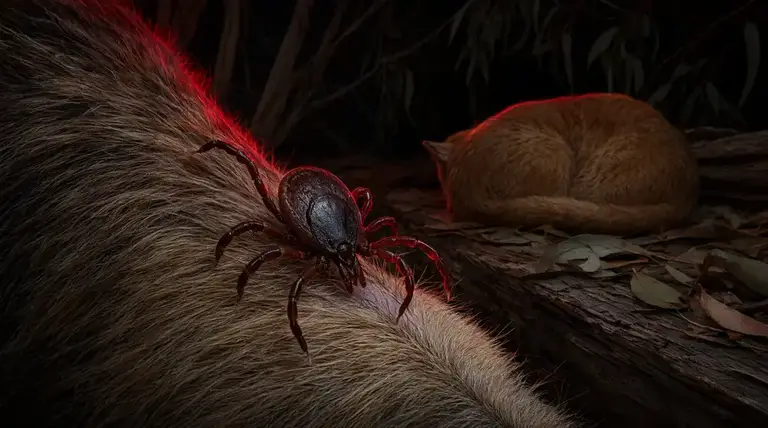
Our climate and housing styles make the problem worse. Humid coastal regions — Brisbane, the Sunshine and Gold Coasts, Sydney’s northern beaches and bush-fringed suburbs — give ticks the moisture they need for most of the year. Many Australian homes sit on bushland edges, and classic features like shaded subfloor areas on Queenslanders, dense lilly pilly hedging around brick veneer homes, and irrigated garden beds all create ideal tick microhabitats. Yards visited by bandicoots, possums and other native animals carry heavier tick loads, because ticks depend on these wildlife hosts to complete their life cycle. For a deeper look at the species itself, read The Paralysis Tick: Australia’s Most Dangerous Tick.
Warning signs: where ticks live in your yard
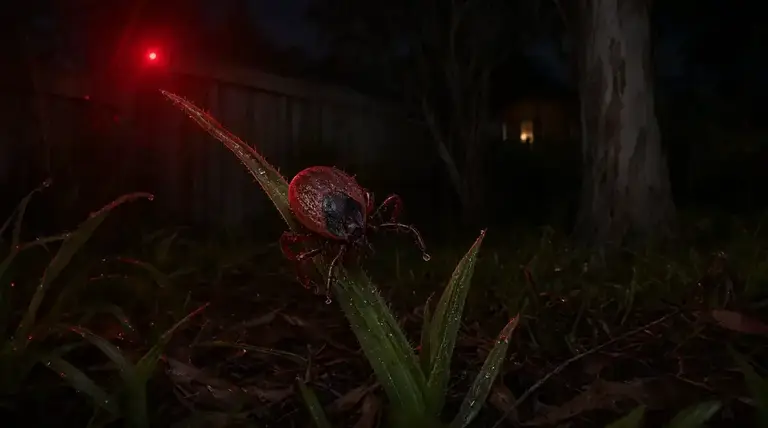
The clearest warning sign of a tick-friendly yard is a combination of shade, moisture and wildlife activity in the same zones where people and pets walk. Paralysis ticks do not sunbathe on open lawn — they dry out in exposed, sunny areas, so they gather in the “tick zones” of a typical Australian backyard. Check these spots first:
- Long or unmown grass — overgrown lawn edges and neglected garden beds hold humidity at ground level.
- Leaf litter and mulch piles — fallen leaves, prunings and deep mulch build-up give ticks shelter from sun and wind.
- Shaded, damp corners — the base of dense shrubs, south-facing walls and under-deck areas stay moist for days after rain.
- The transition strip — where lawn meets bush, fence-line vegetation or a retaining wall garden is prime questing territory.
- Wildlife pathways — bandicoot diggings, possum routes along fences and pet resting spots often coincide with tick hotspots.
- Repeat pickups — family members or pets picking up ticks after time in the garden is the definitive sign you have an established local population.
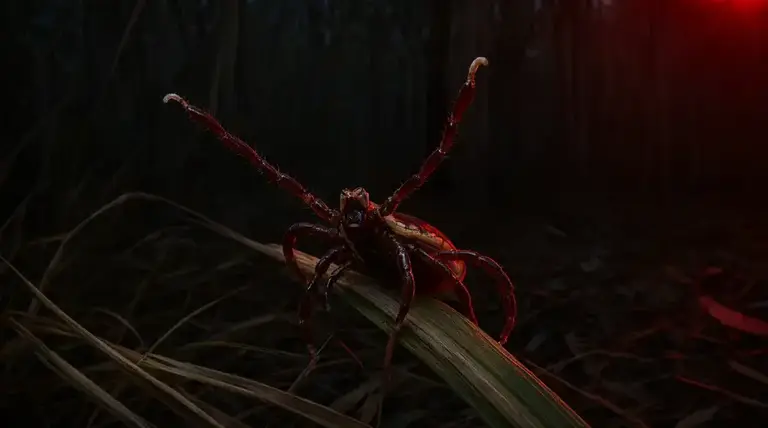
Ticks quest low on grass and shrubs, waiting with front legs outstretched to grab a passing host. They climb up — they do not drop from trees, despite the persistent myth.
DIY vs professional pest control for ticks
DIY habitat management handles the majority of tick reduction and should always come first; professional pest control adds a targeted knockdown of tick zones when yard hygiene alone isn’t enough. The two approaches work best in combination, not as substitutes. Here’s how they compare:
| Factor | DIY habitat management | Professional treatment |
|---|---|---|
| What it does | Removes the shade and moisture ticks need to survive | Applies targeted residual treatment to tick harbourage zones |
| Typical cost | Your time plus basic tools ($0–$150 for gravel, mulch, pruning gear) | $180–$450 per visit for an average suburban yard |
| Speed of results | Gradual — improves over weeks as the yard dries out | Faster knockdown of active ticks in treated zones |
| Limitations | Can’t offset heavy wildlife traffic from adjoining bush | Needs reapplication; not a fix for poor habitat |
| Best for | Every property, as the foundation of control | Bush-adjacent homes with persistent tick encounters |
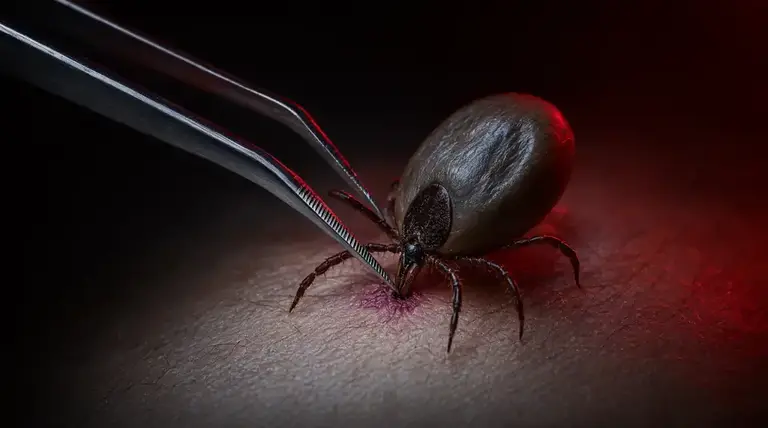
The five DIY steps that deliver the most value: mow regularly and low so grass dries faster; rake up leaf litter, prunings and mulch build-up; lay a dry buffer of gravel, paving or wood chips between lawn and bush; prune dense shrubs to let sunlight and airflow reach ground level; and secure compost and food scraps that draw bandicoots close to the house. Because ticks in garden beds favour the same warm, wet conditions as biting insects, the same yard hygiene helps on multiple fronts — our backyard mosquito control guide covers the moisture-reduction side in detail. When you do find an attached tick, technique matters — follow How to Remove a Tick Safely: The Correct Method rather than reaching for tweezers and kerosene.
How much does tick treatment cost in Australia?
Across the Australian pest control industry, professional tick treatment for a typical backyard generally runs between $180 and $450 per visit in 2025–26, depending on yard size, terrain and the extent of tick harbourage. Larger bush-adjacent blocks, steep sites and properties needing combined pest control treatments typically sit at the higher end of the market. Typical industry ranges:
| Service | Typical market rate (AUD) | What’s included/notes |
|---|---|---|
| On-site inspection and quote | Free–$90 | Assessment of tick zones, wildlife pressure and treatment plan; the industry often waives this with a booking |
| External tick treatment — standard yard | $180–$300 | Targeted spray of garden edges, fence lines, leaf litter zones and lawn margins |
| External tick treatment — large or bush-adjacent block | $300–$450 | Extended coverage of transition strips, under-deck and subfloor perimeter areas |
| Seasonal program (2–3 visits) | $400–$900 | Timed to peak season; the market generally offers better per-visit value for high-pressure properties |
These figures reflect typical Australian market rates, not any one company’s pricing. Chemical treatments should always be applied by a licensed technician using APVMA-registered products, with advice on re-entry times for children and pets. See what’s involved on our Tick Control for Homes & Yards page.
Here’s the good news: Aussie Pest Strike typically comes in well under these market rates, without cutting corners on product quality or coverage. For an exact quote tailored to your property, give us a call on [aps_phone] today.
Seasonal tick activity in Australia
Tick activity peaks from late winter through summer on the humid east coast, but different life stages keep some risk almost year-round in warm regions. Adult paralysis ticks are most abundant from about July to December, while larvae and nymphs appear in other windows — which is why “tick season” is longer than most people expect. The chart below shows typical relative activity across the year for coastal eastern Australia:
Jan
Feb
Mar
Apr
May
Jun
Jul
Aug
Sep
Oct
Nov
Dec
Indicative pattern for humid coastal regions: activity builds from mid-winter, peaks in spring and early summer when adult ticks quest heavily, then tapers through autumn. Inland and southern areas run lower overall; tropical zones stay active for longer. Time yard clean-ups for late winter, before the peak. For regional detail, see Tick Season in Australia: When and Where.
Nine times out of ten, when we walk a tick property the problem is the same: a beautiful shaded garden that never dries out and a bandicoot highway along the back fence. Get the sun and airflow in first, and whatever treatment we apply after that works twice as well. Habitat beats product every single time.
Start with a late-winter yard reset: mow low, rake out every leaf-litter pocket, prune dense shrubs and lay a gravel buffer along bush edges. Keep pets on vet-recommended tick prevention year-round. If ticks keep appearing after four to six weeks of good maintenance — especially on bush-adjacent blocks — book a licensed technician for a targeted external treatment timed to the September–November peak.
Frequently Asked Questions
Where do ticks live in a typical Australian backyard?
Ticks concentrate in cool, humid zones rather than open sunny lawn, because they dry out in exposed areas. Check long or unmown grass, leaf litter and mulch piles, shaded damp corners such as the base of dense shrubs and under-deck areas, the transition strip where lawn meets bush or fence-line vegetation, and wildlife pathways like bandicoot diggings and pet resting spots. Repeat tick pickups on family members or pets after garden time is the clearest sign of an established local population.
Do ticks drop from trees onto people and pets?
No. Despite the persistent myth, ticks climb up rather than dropping from trees. They quest low on grass blades and shrubs, waiting with their front legs outstretched to grab a passing host. This behaviour matters for prevention: keeping grass mown low and pruning shrubs so sunlight and airflow reach ground level removes the low vegetation ticks rely on, which is far more effective than worrying about overhanging branches.
What DIY steps reduce ticks in my garden most effectively?
The five highest-impact steps are: mow regularly and low so grass dries faster; rake up leaf litter, prunings and mulch build-up; lay a dry buffer of gravel, paving or wood chips between lawn and bush; prune dense shrubs to let sunlight and airflow reach ground level; and secure compost and food scraps that draw bandicoots close to the house. Results are gradual, improving over weeks as the yard dries out, but these habitat changes form the foundation of all tick control.
Why does yard habitat matter more than spraying for tick control?
Ticks need humidity to survive, so they thrive where long grass, dense shrubs and leaf litter stay cool and moist. Modifying your garden's moisture, shade and vegetation removes the conditions ticks need to survive and quest, letting sun and air do the first pass before any product is used. Habitat work also makes professional treatments more effective — technicians report that opening up a shaded, damp garden means whatever treatment follows works considerably better.
Can I completely eliminate ticks from a property backing onto bushland?
No. Properties adjoining bushland with bandicoot traffic will always carry some tick pressure, because ticks depend on native wildlife hosts such as bandicoots and possums to complete their life cycle. Management beats elimination in these situations. Sensible yard maintenance — mowing, raking, pruning and buffer strips — can dramatically cut how many ticks your family and pets encounter, but you should expect some ongoing risk on bush-adjacent blocks.
When is tick season in Australia and when should I clean up my yard?
On the humid east coast, activity builds from mid-winter and peaks in spring and early summer when adult paralysis ticks quest heavily, then tapers through autumn. Adults are most abundant from about July to December, while larvae and nymphs appear in other windows, so warm coastal regions keep some risk almost year-round. Time your major yard clean-up for late winter, before the peak, so the garden has dried out before adult ticks become most active.
Which areas of Australia have the worst backyard tick problems?
Humid coastal regions along the eastern seaboard carry the heaviest pressure, because they give ticks the moisture they need for most of the year. The Australian paralysis tick ranges from Far North Queensland to Victoria. Inland and southern areas run lower overall activity, while tropical zones stay active for longer periods.
How much does professional tick treatment cost in Australia?
Professional tick treatment costs vary with yard size, terrain and the extent of tick harbourage on your property. Standard suburban yards usually fall at the lower end of a provider's pricing range, while large or bush-adjacent blocks cost more due to extra product and labour. Seasonal programs covering multiple visits often reduce the per-visit rate. Inspections may be free or charged, and are frequently waived when you proceed with a booking.
I've tried the prevention steps in this article but still find ticks — how do I arrange further help?
If ticks keep appearing after four to six weeks of good maintenance — especially on bush-adjacent blocks — it's time to book a licensed technician for a targeted external treatment timed to the September to November peak. Aussie Pest Strike can assess your tick zones, wildlife pressure and harbourage spots, then apply treatment that complements the habitat changes you've already made. Contact us to arrange an inspection and a quote tailored to your property.
What's the best next step before booking a tick treatment for my yard?
Start with a late-winter yard reset: mow low, rake out every leaf-litter pocket, prune dense shrubs and lay a gravel buffer along bush edges, and keep pets on vet-recommended tick prevention year-round. Once that foundation is in place, Aussie Pest Strike can walk your property to identify the shaded, damp zones and bandicoot pathways driving your tick problem, then recommend whether targeted treatment is needed alongside your maintenance routine.
Found Something
Dangerous?
Don’t touch it. Don’t spray it. Keep kids and pets clear, take a photo from a safe distance, and call us — or book a free inspection and we’ll come to you.
02 7235 0050