Mosquito Control forYour Backyard:What Actually Works
Mosquito control for — effective backyard mosquito control starts with eliminating standing water where larvae breed, then layers on barrier treatments to...
Effective mosquito control o for your backyard comes down to three things: eliminate standing water where larvae breed, treat the shaded resting spots where adults hide, and back it up with personal protection. Citronella candles and coils alone won’t cut it — they mask you within a metre or two and do nothing about the breeding cycle happening in your gutters and pot saucers.
Backyard mosquito control is the practice of breaking the mosquito breeding cycle on your property and treating adult resting sites, so biting pressure drops for weeks rather than hours. Mosquitoes need only a bottle-cap of water to breed, and some Australian species complete the egg-to-adult cycle in as little as seven days in summer heat — which is why a layered approach, not a single product, is what actually works.
- Source reduction — tipping out standing water weekly — is the foundation of all lasting mosquito control.
- Professional barrier sprays to shaded foliage knock down resting adults for several weeks at a time.
- Container-breeding species like Aedes notoscriptus live and bite in your yard, so what you do on your own property makes a visible difference.
- Citronella candles and coils offer only short-range, short-lived relief — treat them as a minor extra, not a solution.
- Budget roughly $180–$450 per professional mosquito treatment in Australia in 2025-26, depending on yard size and method.
Why Mosquito Control o Matters in Australian Backyards
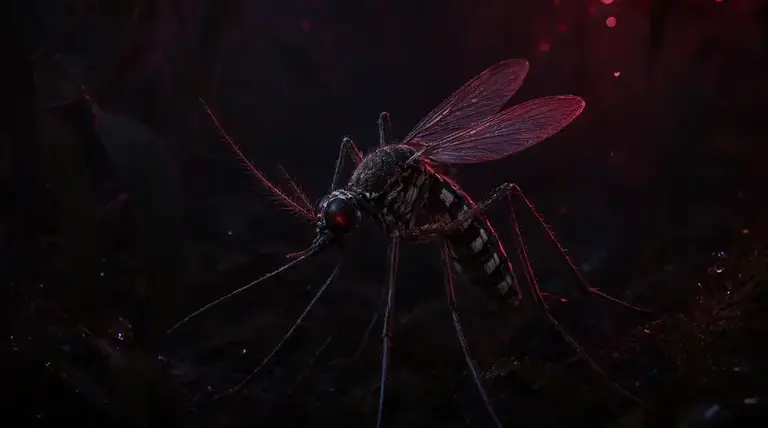
Mosquitoes aren’t just a nuisance in Australia — several local species carry Ross River virus and Barmah Forest virus, and our long warm seasons mean breeding pressure for six months or more in most regions. From tropical Queensland to temperate Victoria, the combination of summer rainfall, humidity and outdoor living makes backyards prime mosquito territory.
Housing style plays a part too. Elevated Queenslanders create cool, shaded subfloor areas where adults rest by day; brick veneer homes on slabs often have garden beds and dense plantings hard against the walls; and older properties with subfloor vents, blocked gutters and ageing drainage give water endless places to pool. Coastal and estuarine suburbs cop the saltmarsh mosquito (Aedes vigilax), which can fly many kilometres from tidal breeding sites, while suburban yards everywhere deal with the container breeder Aedes notoscriptus, which lives and bites right where you live. The health stakes are real — our guide on Ross River virus and what Australian families should know covers symptoms and prevention in detail.
Warning Signs Your Backyard Has a Mosquito Problem
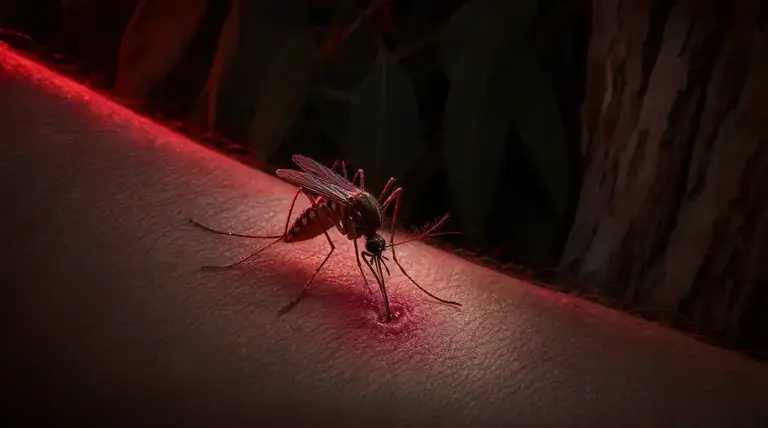
The clearest sign is being bitten at dawn or dusk within minutes of stepping outside, but there are earlier indicators that breeding is underway on your property. Check for these before the population explodes.
- Bites at dawn and dusk — regular bites around outdoor dining areas, decks or the washing line during low-light hours.
- Wrigglers in water — tiny larvae hanging near the surface of birdbaths, pot saucers, buckets or bromeliad leaf axils.
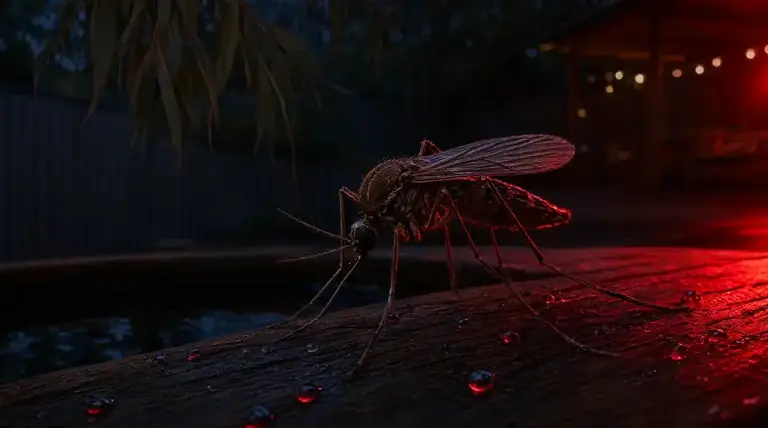
- Standing water that lingers — puddles, blocked gutters, tarp pools or clogged drains still holding water 48 hours after rain.
- Daytime biters in the garden — being bitten while gardening near dense shrubs suggests container breeders are established on-site.
- Swarming near shaded vegetation — adults rising from long grass, under decks or along fence lines when disturbed.
- Itchy bites with no visible mozzie — you may actually be dealing with biting midges; see Midges vs Mosquitoes: What’s Actually Biting You? to tell them apart.
If you tick more than a couple of these, work through our complete standing water breeding checklist — it walks every hidden source room by room and yard zone by yard zone, and it’s worth doing before you spend a cent on treatment.
DIY vs Professional Mosquito Control o
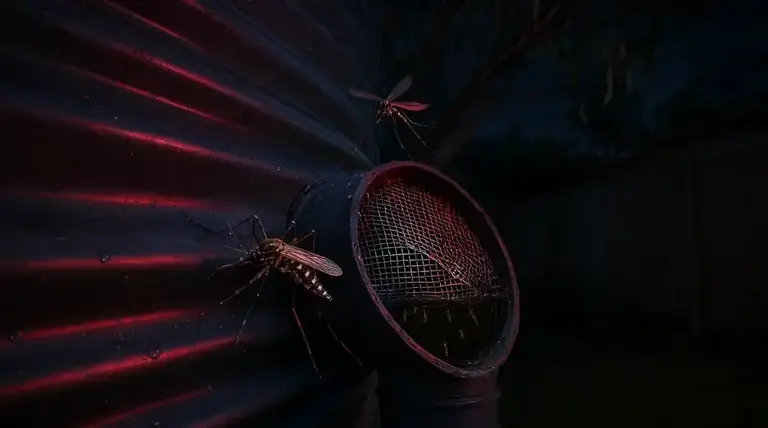
DIY source reduction — tipping water, screening rainwater tank inlets, mowing and thinning vegetation — is genuinely effective and costs nothing but time. Where DIY falls short is treating adult harbourages at scale: professional pest control technicians apply APVMA-registered residual barrier products to exactly the shaded resting sites mosquitoes use, with calibrated equipment and licensed application that keeps working for weeks.
| Approach | What it does | Effectiveness |
|---|---|---|
| DIY source reduction | Removes breeding water weekly | High — the foundation |
| Professional barrier spray | Residual treatment of shaded resting sites | High for several weeks |
| Larvicide in ponds/dams | Kills larvae in water you can’t drain | High, targeted |
| Screens and repellents | Personal and home protection | Moderate, ongoing |
| Citronella candles and coils | Masks you within a small radius | Low, short-lived |
The sweet spot for most households is a hybrid: you handle the weekly water walk and garden hygiene, and a licensed technician handles barrier treatments, larviciding and advice on stubborn sources. Our Mosquito & Midge Control service is built around exactly that layered model.
What Does Mosquito Control Cost in Australia?
Across the Australian market in 2025-26, pest control companies generally charge between $180 and $450 per professional mosquito treatment, with seasonal programs offering better per-visit value. Industry rates vary with block size, vegetation density, access and whether larviciding of ponds or dams is required.
| Service | Typical market rate (AUD) | What’s included / notes |
|---|---|---|
| Inspection and treatment plan | $0–$120 | Site assessment, breeding-source identification; the industry often waives this with a treatment booking |
| Single barrier treatment (average suburban yard) | $180–$300 | Residual spray to foliage, fence lines, under decks; lasts several weeks |
| Barrier treatment (large or dense block) | $280–$450 | Acreage, heavy vegetation or difficult access |
| Larvicide treatment (pond/dam/water feature) | $80–$180 add-on | Targeted larvicide for water that can’t be drained |
| Seasonal program (3–5 visits, spring–autumn) | $550–$1,400 | Scheduled treatments through peak season; best per-visit value in the market |
These figures reflect typical Australian market rates — what the industry generally charges — not any single company’s price list. Chemical treatments should always be applied by a licensed pest control technician using APVMA-registered products, following label directions — particularly around vegetable gardens, fish ponds and waterways.
Here’s the good news: Aussie Pest Strike typically comes in well under these market rates, without cutting corners on products or thoroughness. For an exact quote tailored to your property, give us a call on [aps_phone] today.
Seasonal Mosquito Activity in Australia
Mosquito activity peaks from late spring through early autumn in most of Australia, with the highest pressure in the warm, wet months of December to March. Northern regions stay active nearly year-round, while southern states see a sharper winter lull.
Jan
Feb
Mar
Apr
May
Jun
Jul
Aug
Sep
Oct
Nov
Dec
Indicative national pattern: activity climbs from September, peaks December–March, and eases through late autumn. Tropical northern Australia sustains higher activity through winter; southern states see a deeper cold-season lull. Rain events can spike activity at any time of year.
Because eggs can reach biting adults in about 7–10 days in warm weather, timing matters: do a five-minute water walk every weekend through the warm months, re-check within 48 hours of rain or irrigation, and schedule barrier treatments before the peak — not after the mozzies are already swarming.
Nine times out of ten, the worst mosquito yards we treat have a breeding source the owner walks past every day — a pot saucer, a tarp, a gutter that hasn’t been cleared in years. Fix the water first, then a barrier treatment does the heavy lifting on the adults. Do those two things and most families get their backyard back within a fortnight.
Start this weekend with a full standing-water sweep using our breeding checklist, keep up a weekly tip-out routine, and book a professional barrier treatment in early spring before the population builds. If your yard backs onto bushland, wetlands or tidal areas, a seasonal treatment program will outperform one-off sprays every time.
Frequently Asked Questions
What actually works for controlling mosquitoes in a backyard?
A layered approach works best: eliminate standing water where larvae breed, treat the shaded resting spots where adults hide, and use personal protection. Source reduction — tipping out water weekly — is the foundation, while professional barrier sprays to shaded foliage knock down resting adults for several weeks. Citronella candles and coils alone won't cut it, as they only mask you within a metre or two and do nothing about the breeding cycle.
How much standing water do mosquitoes need to breed?
Mosquitoes need only a bottle-cap of water to breed, which is why even small sources like pot saucers, blocked gutters and tarp pools matter. Some Australian species complete the egg-to-adult cycle in as little as seven days in summer heat, so water that lingers more than 48 hours after rain can quickly produce biting adults. A five-minute water walk every weekend through the warm months is the recommended routine.
What are the warning signs my backyard has a mosquito problem?
Key signs include bites at dawn or dusk within minutes of stepping outside, wrigglers hanging near the surface of birdbaths or pot saucers, standing water still holding 48 hours after rain, daytime bites while gardening near dense shrubs, swarms rising from long grass or under decks when disturbed, and itchy bites with no visible mosquito — which may indicate biting midges instead. Ticking several of these suggests breeding is underway on your property.
Which mosquito species breed in Australian backyards?
The container breeder Aedes notoscriptus lives and bites right where you live, making what you do on your own property genuinely effective. Coastal and estuarine suburbs also deal with the saltmarsh mosquito (Aedes vigilax), which can fly many kilometres from tidal breeding sites. Housing style matters too — elevated homes create shaded subfloor resting areas, while dense plantings against walls give adults daytime harbourage.
Why are citronella candles and coils not enough on their own?
Citronella candles and coils offer only short-range, short-lived relief — they mask you within a metre or two but do nothing about the breeding cycle happening in gutters and pot saucers. Treat them as a minor extra rather than a solution. Lasting control comes from breaking the breeding cycle through source reduction and treating adult resting sites, so biting pressure drops for weeks rather than hours.
When is mosquito season in Australia and when should I treat?
Activity peaks from late spring through early autumn, with the highest pressure from December to March. Northern regions stay active nearly year-round, while southern states see a sharper winter lull. Because eggs can reach biting adults in about seven to ten days in warm weather, schedule barrier treatments before the peak — ideally in early spring before the population builds — and re-check water sources within 48 hours of rain.
DIY versus professional mosquito control — which should I choose?
DIY source reduction — tipping water, screening tank inlets, mowing and thinning vegetation — is genuinely effective and costs nothing but time. Where DIY falls short is treating adult harbourages at scale. The sweet spot for most households is a hybrid: you handle the weekly water walk and garden hygiene, while a licensed technician applies APVMA-registered residual barrier products to the exact shaded resting sites mosquitoes use, keeping working for weeks.
Why do some yards back onto bushland need seasonal treatment programs?
If your yard backs onto bushland, wetlands or tidal areas, migrating mosquitoes will keep arriving from external breeding sites that you cannot eliminate. In these situations, a seasonal program of scheduled treatments through spring to autumn will outperform one-off sprays every time, because each visit re-treats resting sites before new waves of adults establish. Pairing this with your own weekly tip-out routine gives the best ongoing relief.
How would an Aussie Pest Strike technician assess the warning signs of a backyard mosquito problem?
A technician would look for the same indicators described in this article: checking for larvae in birdbaths, pot saucers and bromeliad axils, finding standing water lingering after rain, inspecting blocked gutters, subfloor vents and drainage, and identifying shaded vegetation where adults rest by day. They would also note whether container breeders like Aedes notoscriptus are established on-site, then build a treatment plan around the specific breeding sources and resting sites found on your property.
What's a sensible next step if I want my backyard mozzie problem sorted properly?
Start this weekend with a full standing-water sweep using a breeding checklist, then keep up a weekly tip-out routine through the warm months. From there, an Aussie Pest Strike technician can handle the adult side with a residual barrier treatment to foliage, fence lines and under decks, plus larviciding for ponds or dams that can't be drained. If your yard borders bushland, wetlands or tidal areas, ask about a seasonal program rather than one-off sprays.
Sources & further reading
Found Something
Dangerous?
Don’t touch it. Don’t spray it. Keep kids and pets clear, take a photo from a safe distance, and call us — or book a free inspection and we’ll come to you.
02 7235 0050