Ross River Virus:What AustralianFamilies Should Know
Ross River virus is Australia's most common mosquito-borne illness. Learn the symptoms, risks and how families can prevent bites. Free inspection and quote.
Ross River virus is Australia’s most common mosquito-borne infection, and if your family spends any time outdoors — backyard barbecues, camping trips, evenings on the deck — it’s a risk worth understanding. Reported in every state and territory, with thousands of cases confirmed nationally in a typical year, Ross River virus causes joint pain, fatigue and sometimes a rash that can linger for weeks or even months.
Here’s the uncomfortable truth: there is no vaccine and no specific cure. Prevention — avoiding mosquito bites in the first place — is the only reliable defence. That makes smart backyard management and, where needed, professional pest control genuinely important health measures, not just comfort upgrades. This guide covers what the virus is, who’s most at risk, and the practical steps Australian families can take right now.
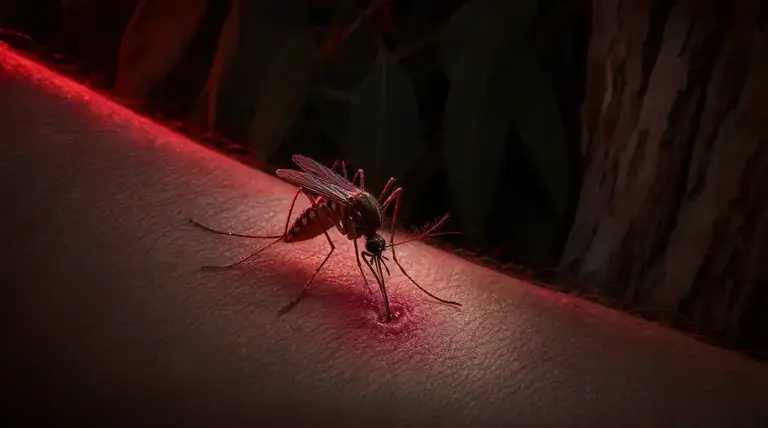
- Ross River virus is a mosquito-borne viral disease spread when mosquitoes bite infected kangaroos and wallabies, then bite people — it cannot pass directly between humans.
- Symptoms (painful swollen joints, fatigue, fever, rash) usually appear 3–11 days after a bite and can persist for months; see a GP for a blood test if you suspect infection.
- Peak risk runs from summer to autumn (roughly December–May), especially after heavy rain, floods or high tides near wetlands and coastal areas.
- There is no vaccine or cure — repellent, screens, protective clothing and removing backyard breeding water are your frontline defence.
- Professional mosquito barrier treatments during peak season typically cost $180–$450 per visit and significantly reduce biting pressure around the home.
Why Ross River Virus Matters for Australian Families
Ross River virus matters because it’s everywhere in Australia — the animal reservoir is so widespread that cases turn up in rural, coastal and increasingly suburban areas whenever wet, warm conditions boost mosquito numbers. No corner of the country is genuinely low-risk.
The virus is transmitted when a mosquito bites an infected native animal — mainly macropods like kangaroos and wallabies — and then bites a person. Because kangaroos live on the fringes of most Australian towns and suburbs, the disease isn’t confined to the bush. Suburban backyards near parkland, golf courses, rivers and wetlands all sit within range of the mosquitoes that carry it.
Australian housing adds its own complications. Elevated Queenslanders with open subfloors create cool, shaded resting spots for mosquitoes during the day. Brick veneer homes with weep holes and ageing flywire let them straight inside. And our outdoor lifestyle — verandas, decks, pools and barbecues at dusk — puts families in contact with mosquitoes at exactly the times they feed most actively. After a wet La Niña-style summer, suburban mosquito populations can explode within weeks, and that’s precisely when infection numbers climb.
Warning Signs: Symptoms of Ross River Virus to Watch For
The hallmark of Ross River virus is painful, swollen joints — often in the wrists, knees, ankles and fingers — typically appearing 3–11 days after an infected mosquito bite. Many people recover within weeks, but joint pain and tiredness can persist for months in some cases.
Check your family for these symptoms after outdoor exposure during mosquito season:
- Painful, swollen joints — wrists, knees, ankles and fingers are the classic sites, and this is the single most distinctive sign.
- Severe or prolonged fatigue — tiredness that seems out of proportion to activity levels and drags on for weeks.
- Fever, headache and muscle aches — flu-like symptoms that arrive alongside the joint pain.
- A patchy rash — appearing on the trunk or limbs in some people, sometimes before other symptoms.
There’s no antiviral cure — treatment manages symptoms — so anyone showing these signs should see a GP for a blood test rather than waiting it out. Early diagnosis helps rule out other conditions and gives your family a clear picture of what recovery looks like.
DIY Mosquito Protection vs Professional Pest Control
Most families can achieve a solid baseline of protection with DIY measures, but homes in high-risk locations — near saltmarsh, wetlands or bushland — usually need professional pest control on top. The honest answer is that the two approaches work best together, not as substitutes.
Start with the fundamentals from our guide to Mosquito Control for Your Backyard: What Actually Works, then work through our Standing Water: The Complete Mosquito Breeding Checklist to eliminate breeding sites. A professional Mosquito & Midge Control service adds residual barrier treatments that households simply can’t replicate with hardware-store products.
| Factor | DIY approach | Professional treatment |
|---|---|---|
| Personal protection | DEET or picaridin repellent, long clothing, pram nets | Not applicable — DIY handles this |
| Breeding site control | Empty containers, clean gutters, treat ponds with fish or dunks | Full property audit including subfloor, drains and hidden water |
| Adult mosquito reduction | Coils, citronella, outdoor zappers — limited effect | Residual barrier sprays on foliage, fences and shaded areas |
| Duration of effect | Hours to days, needs constant reapplication | Typically 4–8 weeks per treatment |
| Best for | Everyday family protection and light pressure | High-risk locations and peak-season pressure |
One practical note for young children: choose a repellent formulated for their age, apply it yourself rather than letting them do it, and combine it with physical barriers like pram nets and long sleeves at dawn and dusk. Chemical barrier treatments should always be applied by licensed technicians using APVMA-registered products — no treatment is without considerations, so follow the technician’s advice on re-entry times and pet safety.
How Much Does Mosquito Pest Control Cost in Australia?
Across the Australian market, professional mosquito control typically costs between $180 and $450 per visit in 2025–26, depending on property size, treatment type and location. Industry-wide, season-long programs covering the December–May peak usually offer better value than one-off treatments.
| Service | Typical cost (AUD) | What’s included/notes |
|---|---|---|
| Inspection and breeding-site audit | $0–$150 | Often free with treatment; maps standing water and resting sites |
| Single barrier spray treatment | $180–$350 | Residual spray to foliage, fences, shaded areas; lasts 4–8 weeks |
| Large or acreage property treatment | $300–$450+ | Larger blocks, rural properties, heavy vegetation |
| Season program (Dec–May) | $600–$1,200 | 4–6 scheduled treatments through peak mosquito season |
These market rates vary between metro and regional areas, and properties backing onto wetlands or bushland often sit at the upper end of the typical range. Compared with the potential months of joint pain and lost productivity from infection, most families in high-risk areas find seasonal pest control money well spent.
It’s worth noting that Aussie Pest Strike typically comes in well under these general market rates — we keep our pricing sharp without cutting corners on treatment quality. For an exact quote tailored to your property, give us a call on [aps_phone] and we’ll sort you out.
When Is Mosquito Season in Australia?
Mosquito activity — and with it the risk of Ross River virus — peaks from summer through autumn, roughly December to May, and surges sharply after heavy rain, floods or high tides. The chart below shows typical national activity, though tropical regions can see year-round pressure.
Jan
Feb
Mar
Apr
May
Jun
Jul
Aug
Sep
Oct
Nov
Dec
Typical national mosquito activity: pressure builds from November, peaks March–April after summer rain, and tapers through winter. Northern Australia may see elevated activity year-round, and any month can spike after flooding or king tides.
Risk climbs sharply for homes backing onto saltmarsh, mangroves, floodplains and freshwater wetlands, where breeding is intense after high tides and heavy rain. Families in coastal Queensland, northern NSW, and river regions of WA, SA, Victoria and the NT should treat prevention as a seasonal routine rather than a one-off. Many local councils in high-risk areas run mosquito monitoring and public alerts through summer and autumn — worth following if you’re near the water. And if you’re getting bitten but can’t see mosquitoes, our article on Midges vs Mosquitoes: What’s Actually Biting You? can help you identify the culprit, since the control approach differs.
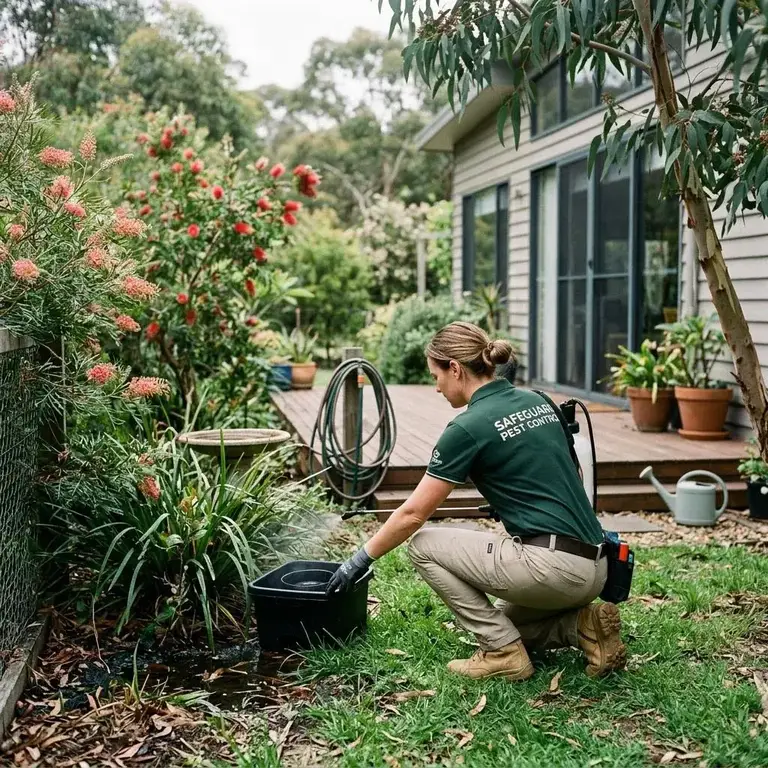
The jobs I remember are the ones where a family thought the odd mozzie bite was no big deal — then someone ended up with months of joint pain. Nine times out of ten, when we inspect, we find breeding sites they’ve walked past every day: a pot plant saucer, a blocked gutter, a tarp full of rainwater. Knock out the water and treat the resting areas, and you take most of the risk off the table.
Make mosquito prevention a routine, not a reaction. Before December, clear every source of standing water using our breeding checklist, repair flywire screens, and stock up on DEET or picaridin repellent. If your property sits near wetlands, bushland or tidal areas, book a professional barrier treatment before the summer peak and schedule follow-ups through autumn. That combination — source reduction, personal protection and professional pest control — gives your family the strongest available defence against Ross River virus.
Frequently Asked Questions
How is Ross River virus spread?
Ross River virus is spread when a mosquito bites an infected native animal, mainly macropods such as kangaroos and wallabies, and then bites a person. It cannot pass directly between humans. Because kangaroos live on the fringes of most Australian towns and suburbs, the disease is not confined to the bush — suburban backyards near parkland, golf courses, rivers and wetlands are all within range of the mosquitoes that carry it.
What are the symptoms of Ross River virus?
The hallmark symptom is painful, swollen joints, often in the wrists, knees, ankles and fingers. Other signs include severe or prolonged fatigue that seems out of proportion to activity levels, fever, headache and muscle aches, and sometimes a patchy rash on the trunk or limbs. Symptoms usually appear 3–11 days after an infected mosquito bite, and joint pain and tiredness can persist for months in some cases.
What should I do if I think I have Ross River virus?
See a GP for a blood test rather than waiting it out. This matters most after outdoor exposure during mosquito season, roughly December to May, especially if you have been near wetlands, coastal areas or bushland.
When is mosquito season in Australia?
Mosquito activity peaks from summer through autumn, roughly December to May, and surges sharply after heavy rain, floods or high tides. Pressure typically builds from November and peaks around March–April after summer rain before tapering through winter. Northern Australia may see elevated activity year-round, and any month can spike after flooding or king tides, so prevention should be a seasonal routine rather than a one-off.
Is there a vaccine or manage for Ross River virus?
No. That means avoiding mosquito bites through repellent, screens, protective clothing and removing backyard breeding water. Because symptoms such as joint pain and fatigue can linger for weeks or months, smart backyard management and professional pest control are genuinely important health measures, not just comfort upgrades.
What DIY steps can my family take to reduce mosquito risk?
Start with personal protection: use DEET or picaridin repellent, wear long clothing at dawn and dusk, and use pram nets for young children. Then eliminate breeding sites by emptying containers, cleaning gutters and treating ponds with fish or dunks. Coils, citronella and outdoor zappers offer only limited effect against adult mosquitoes. For homes near saltmarsh, wetlands or bushland, DIY measures work best alongside professional barrier treatments.
Why are Australian homes attractive to mosquitoes?
Australian housing creates ideal conditions for mosquitoes. Elevated Queenslanders with open subfloors offer cool, shaded resting spots during the day, while brick veneer homes with weep holes and ageing flywire let mosquitoes straight inside. Our outdoor lifestyle — verandas, decks, pools and barbecues at dusk — puts families in contact with mosquitoes at exactly the times they feed most actively, increasing exposure to diseases like Ross River virus.
Where in Australia is Ross River virus risk highest?
Risk climbs sharply for homes backing onto saltmarsh, mangroves, floodplains and freshwater wetlands, where breeding intensifies after high tides and heavy rain. Families in coastal Queensland, northern NSW, and river regions of WA, SA, Victoria and the NT face elevated pressure. However, cases turn up in rural, coastal and increasingly suburban areas across every state and territory whenever wet, warm conditions boost mosquito numbers, so no corner of the country is genuinely low-risk.
How can Aussie Pest Strike help me tell whether mosquitoes or midges are biting my family?
If your family is getting bitten but you cannot see mosquitoes, midges may be the culprit, and the control approach differs between the two. Aussie Pest Strike technicians can identify what is actually biting you during an inspection, checking resting sites, breeding water and vegetation around your property. Getting the identification right matters because treatments targeting mosquitoes will not necessarily address a midge problem, and vice versa.
What practical next step should I take to prepare my home for mosquito season?
Make prevention a routine rather than a reaction. Before December, clear every source of standing water around your property using a breeding checklist — common culprits include pot plant saucers, blocked gutters and tarps holding rainwater. If your home backs onto wetlands, bushland or saltmarsh, consider booking a professional property audit with Aussie Pest Strike to map hidden breeding sites and arrange residual barrier treatments through the peak season.
Sources & further reading
Found Something
Dangerous?
Don’t touch it. Don’t spray it. Keep kids and pets clear, take a photo from a safe distance, and call us — or book a free inspection and we’ll come to you.
02 7235 0050