Japanese Encephalitisin Australia: Whatto Know
Japanese encephalitis is a rare but serious mosquito-borne virus now present in parts of Australia, including Queensland, New South Wales, Victoria and...
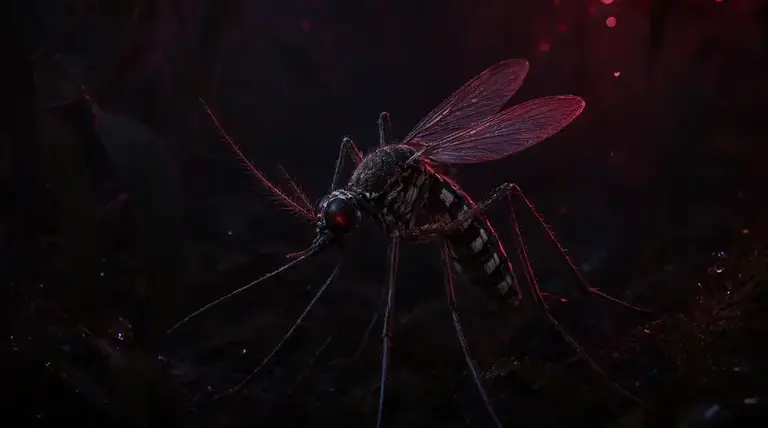
Japanese encephalitis is a rare but serious mosquito-borne virus now established in parts of Australia, and it has changed the way a lot of households think about mosquito control. If you’ve been following the news since 2022, you’ll know this is no longer a problem confined to the Torres Strait — the virus has been detected across Queensland, New South Wales, Victoria and South Australia, and it isn’t going away.
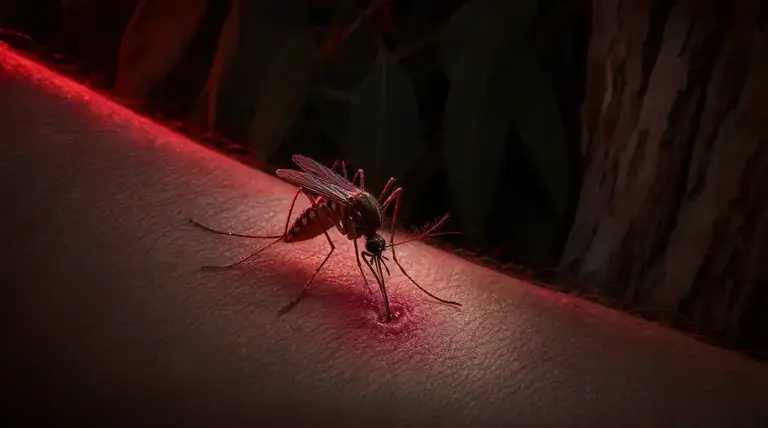
Japanese encephalitis virus (JEV) is a flavivirus spread to humans through the bite of an infected mosquito, and while most infections cause no symptoms at all, severe cases can be life-threatening. There is no specific cure, so vaccination and avoiding mosquito bites remain the best protection. This guide explains how the virus spreads, who’s at risk, what warning signs to watch for, and the practical steps — from repellents to professional pest control — that genuinely reduce your exposure.
- Japanese encephalitis is a mosquito-borne virus now present in QLD, NSW, VIC and SA, declared a Communicable Disease Incident of National Significance in 2022.
- More than 99 per cent of infections are mild or symptom-free, but around one in 250 can progress to severe brain inflammation.
- The virus cannot spread from person to person — only through the bite of an infected mosquito, mainly Culex annulirostris.
- Vaccination (Imojev or JEspect) is available and recommended for higher-risk groups; speak to your GP about eligibility.
- Removing standing water, using repellent and organising professional mosquito treatments are the most effective household defences.
Why Japanese Encephalitis Matters in Australia
Japanese encephalitis matters in Australia because a virus once confined to the far north is now circulating in mosquitoes, waterbirds and pigs across four states, putting regional and even peri-urban communities at risk. Until recently, JEV was detected only occasionally in the Torres Strait and far north Queensland. That changed in early 2022, when the virus was found in piggeries across south-eastern Australia and in human cases in four states, prompting health authorities to declare a Communicable Disease Incident of National Significance.
The virus circulates naturally between mosquitoes, waterbirds such as herons and egrets, and pigs, which act as amplifying hosts. Humans and horses are dead-end hosts — they can become ill but do not pass enough virus back to mosquitoes to continue the cycle, and the disease cannot spread from person to person. JEV is related to dengue, West Nile and Murray Valley encephalitis viruses, so if you’ve read our guide to Ross River Virus: What Australian Families Should Know, the transmission pattern will feel familiar — different virus, same culprit.
Australian conditions make this a genuine household issue, not just a rural one. La Niña summers bring flooding and widespread standing water; our mix of Queenslanders on stumps, brick veneer homes with subfloor voids, and slab-on-ground builds with lush irrigated gardens all create breeding habitat. In Australia, the primary vector is Culex annulirostris, a common freshwater-breeding mosquito found across the mainland. It feeds mostly at dusk and overnight and breeds in wetlands, floodwaters, irrigation channels, rice paddies and neglected backyard containers. Other Culex species may also contribute to transmission.
Warning Signs: Symptoms and Health Risks
Most people infected with Japanese encephalitis show no symptoms at all, but a small number develop severe encephalitis — inflammation of the brain — which is a medical emergency. More than 99 per cent of infections cause either no illness or only a mild, flu-like illness with fever and headache. However, around one in 250 infections can progress to severe disease.
Symptoms of severe disease usually appear five to fifteen days after a bite. Seek urgent medical care if any of the following develop, especially after time spent in affected regional areas:
- Sudden high fever — an abrupt spike in temperature that doesn’t settle with rest and fluids.
- Severe headache — intense, persistent and different from an ordinary headache.
- Neck stiffness — difficulty or pain when bending the neck forward.
- Vomiting — particularly when combined with fever and headache.
- Confusion or disorientation — trouble thinking clearly, agitation or unusual behaviour.
- Seizures — fits or convulsions require immediate emergency attention.
- Weakness — new muscle weakness or difficulty moving normally.
Globally, up to 30 per cent of people with severe disease die, and around half of survivors are left with lasting neurological damage. Anyone developing these symptoms should seek urgent medical care — don’t wait and see.
DIY vs Professional Mosquito Control
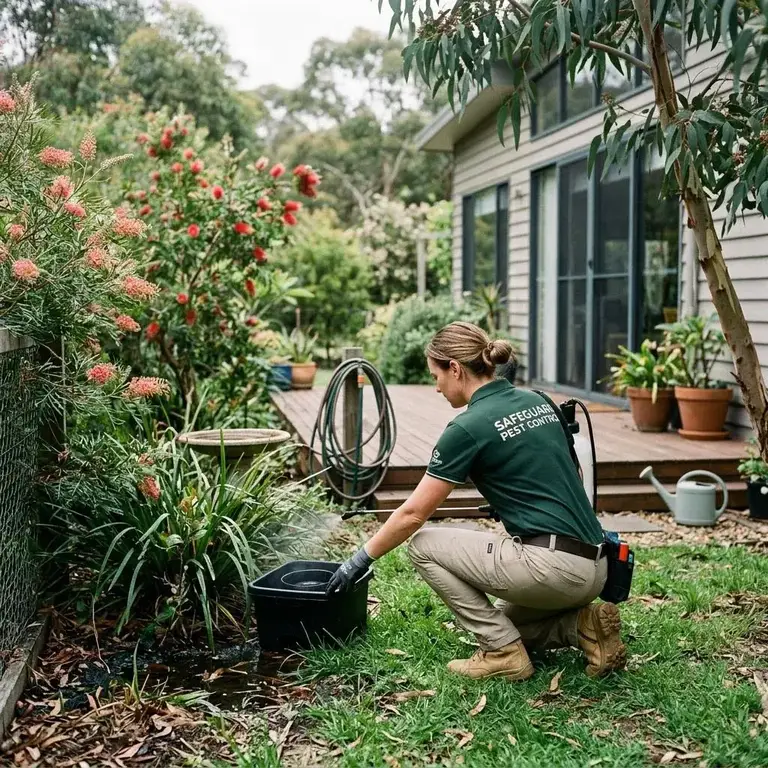
DIY measures — repellents, flyscreens, tipping out containers — are your essential first line of defence, while professional pest control adds residual barrier treatments and expert breeding-site identification for a heavier, longer-lasting knockdown. For most households, the smart approach is layering both.
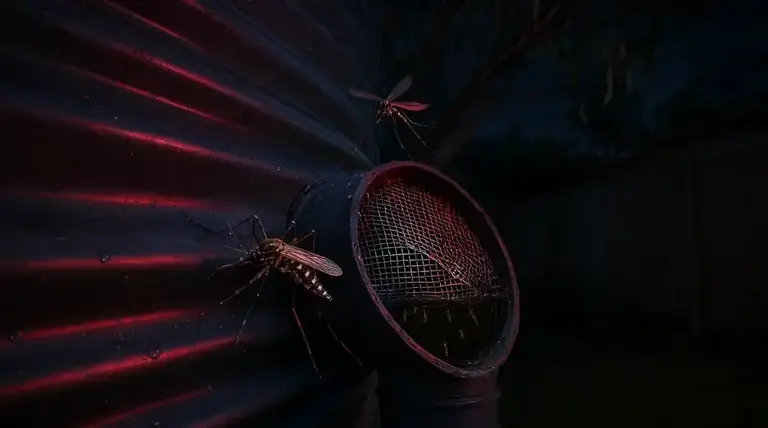
There is no specific treatment for Japanese encephalitis, so prevention matters enormously. A safe, effective vaccine is available in Australia and is recommended for people at higher risk, including those living or working in affected regional areas, piggery workers and some laboratory staff. Speak with your GP or local public health unit about eligibility. Whether or not you are vaccinated, avoiding bites is essential: apply a repellent containing DEET, picaridin or oil of lemon eucalyptus and reapply as directed; wear long, loose-fitting, light-coloured clothing at dawn and dusk; keep flyscreens in good repair and use mosquito nets over beds and prams; and empty or cover water-holding items — pot plant bases, buckets, old tyres, birdbaths and blocked gutters — at least weekly. Our Standing Water: The Complete Mosquito Breeding Checklist walks you through every hiding spot, and Mosquito Control for Your Backyard: What Actually Works separates the gimmicks from the genuine fixes.
| Factor | DIY approach | Professional treatment |
|---|---|---|
| Upfront cost | Low — repellents, coils and screens under $100 | Higher per visit, typically $180–$450 |
| Duration of protection | Hours to days; needs constant reapplication | Weeks per barrier treatment |
| Breeding-site detection | Limited to obvious containers | Trained inspection of subfloors, gutters, drains and gardens |
| Chemical application | Supermarket aerosols and coils only | APVMA-registered products applied by licensed technicians |
| Best for | Low-pressure suburban homes, personal protection | Regional properties, homes near wetlands or water, high-pressure seasons |
One important note: no repellent or treatment can be described as 100 per cent effective, and chemical applications should always be carried out by licensed technicians using APVMA-registered products according to the label.
Mosquito Control Costs in Australia (2025–26)
Across the Australian pest control industry, professional mosquito control generally sits between $180 and $450 per treatment for a standard residential block, with larger or high-risk regional properties attracting higher market rates. Industry pricing varies with property size, vegetation density, access (subfloors and sprawling Queenslanders take longer) and the treatment program chosen.
| Service | Typical cost (AUD) | What’s included/notes |
|---|---|---|
| Free inspection & quote | $0 | Breeding-site identification and risk assessment |
| One-off barrier spray (standard block) | $180–$300 | Residual treatment to foliage, fences, eaves and resting areas |
| Large/rural property treatment | $300–$550 | Acreage, dams and outbuildings; priced on inspection |
| Seasonal program (Nov–Apr) | $450–$900 | Multiple scheduled visits across peak season |
| Event/outdoor function treatment | $200–$350 | Pre-event knockdown for weddings and gatherings |
The figures above reflect what Australian pest control companies generally charge in 2025–26 — they’re industry-wide market rates, not a quote. Our Mosquito & Midge Control service page outlines exactly what’s involved, and every job starts with a free, no-obligation inspection so you know the cost before any work begins.
Here’s the good news: Aussie Pest Strike typically comes in well under these general market rates, without cutting corners on treatment quality. Call us on [aps_phone] for an exact quote tailored to your property.
Seasonal Activity: When Is Japanese Encephalitis Risk Highest?
Risk peaks during the warmer, wetter months — roughly November to April — and rises sharply after heavy rain and flooding, as seen during the La Niña years of 2021 and 2022. Regional communities near piggeries, rivers, wetlands and irrigation districts in Queensland, New South Wales, Victoria and South Australia face the highest risk.
Jan
Feb
Mar
Apr
May
Jun
Jul
Aug
Sep
Oct
Nov
Dec
Indicative mosquito activity and JEV risk across a typical Australian year. Activity climbs from October, peaks over the humid summer months of December to March, and drops away through the cooler, drier winter. Wet years push every bar higher.
After the big wet years, the call-outs changed — people weren’t just annoyed by bites, they were genuinely worried about what the mozzies might be carrying. The properties that cope best are the ones that deal with standing water early and book a barrier treatment before summer hits, not after. Prevention always beats reaction with mosquitoes.
Layer your defences: check your vaccination eligibility with your GP if you live or work in an affected regional area, run through a weekly standing-water audit of your yard, use DEET or picaridin repellent at dawn and dusk, and book a professional mosquito treatment in early spring so your property is protected before peak season begins.
Frequently Asked Questions
What is Japanese encephalitis and how does it spread?
Japanese encephalitis is a rare but serious mosquito-borne virus caused by Japanese encephalitis virus (JEV), a flavivirus related to dengue, West Nile and Murray Valley encephalitis. It spreads to humans only through the bite of an infected mosquito — mainly Culex annulirostris in Australia. The virus circulates between mosquitoes, waterbirds such as herons and egrets, and pigs, which act as amplifying hosts. It cannot spread from person to person.
Where in Australia is Japanese encephalitis now found?
Japanese encephalitis virus has been detected across Queensland, New South Wales, Victoria and South Australia. Until recently it was confined to the Torres Strait and far north Queensland, but in early 2022 the virus was found in piggeries across south-eastern Australia and in human cases in four states, prompting health authorities to declare a Communicable Disease Incident of National Significance.
What are the symptoms of severe Japanese encephalitis?
More than 99 per cent of infections cause no illness or only a mild flu-like illness with fever and headache. Around one in 250 infections can progress to severe brain inflammation, with symptoms usually appearing five to fifteen days after a bite. Warning signs include sudden high fever, severe headache, neck stiffness, vomiting, confusion or disorientation, seizures and new muscle weakness. Anyone developing these symptoms should seek urgent medical care rather than waiting to see if they improve.
Is there a vaccine for Japanese encephalitis in Australia?
Yes. A safe, effective vaccine is available in Australia under the brand names Imojev or JEspect, and it is recommended for people at higher risk, including those living or working in affected regional areas, piggery workers and some laboratory staff. Because eligibility varies, the best next step is to speak with your GP or local public health unit about whether vaccination is appropriate for your circumstances.
How can I protect my household from mosquito bites that could transmit JEV?
Apply a repellent containing DEET, picaridin or oil of lemon eucalyptus and reapply as directed; wear long, loose-fitting, light-coloured clothing at dawn and dusk; keep flyscreens in good repair and use mosquito nets over beds and prams; and empty or cover water-holding items such as pot plant bases, buckets, old tyres, birdbaths and blocked gutters at least weekly. No repellent or treatment is 100 per cent effective, so layering these measures works best.
When is the risk of Japanese encephalitis highest?
Risk peaks during the warmer, wetter months, roughly November to April, and rises sharply after heavy rain and flooding, as seen during the La Niña years of 2021 and 2022. Mosquito activity climbs from October, peaks over the humid summer months of December to March, then drops away through autumn and winter. Regional communities near piggeries, rivers, wetlands and irrigation districts face the highest risk.
Which mosquito spreads Japanese encephalitis in Australia?
The primary vector is Culex annulirostris, a common freshwater-breeding mosquito found across the Australian mainland. It feeds mostly at dusk and overnight and breeds in wetlands, floodwaters, irrigation channels, rice paddies and neglected backyard containers. Other Culex species may also contribute to transmission. Because this species thrives after flooding and in standing water, removing water-holding containers around your property is an important preventive step.
Should I use DIY measures or professional pest control against mosquitoes?
For most households, layering both works best. DIY measures such as repellents, flyscreens and tipping out containers are the essential first line of defence and provide personal protection lasting hours to days. Professional treatment adds residual barrier sprays applied by licensed technicians using APVMA-registered products, protecting foliage, fences, eaves and resting areas for weeks, plus expert breeding-site detection in subfloors, gutters, drains and gardens. Regional properties near wetlands benefit most from professional help.
How can Aussie Pest Strike help me reduce Japanese encephalitis risk around my home?
Aussie Pest Strike starts every job with a free, no-obligation inspection that identifies breeding sites and assesses your property's risk, so you know what's involved before any work begins. For households concerned about Japanese encephalitis, technicians can inspect subfloors, gutters, drains and gardens for hidden breeding habitat, then apply residual barrier treatments using APVMA-registered products according to the label. This complements your own repellent and standing-water efforts rather than replacing them.
What should I do first if I live near a wetland or piggery in an affected area?
Start with the basics: walk your property weekly and empty or cover anything holding water, from pot plant bases and buckets to old tyres and blocked gutters, and check flyscreens for gaps. Then consider booking a free inspection with Aussie Pest Strike, where a technician can identify breeding sites you may have missed and discuss whether a seasonal barrier treatment program through the peak November-to-April months suits your property's risk level.
Sources & further reading
Found Something
Dangerous?
Don’t touch it. Don’t spray it. Keep kids and pets clear, take a photo from a safe distance, and call us — or book a free inspection and we’ll come to you.
02 7235 0050