March Fliesin Australia: Bitesand Repellents
March flies, also called horse flies, are stout, fast-flying insects found right across Australia, and it is the females that deliver a painful bite to...
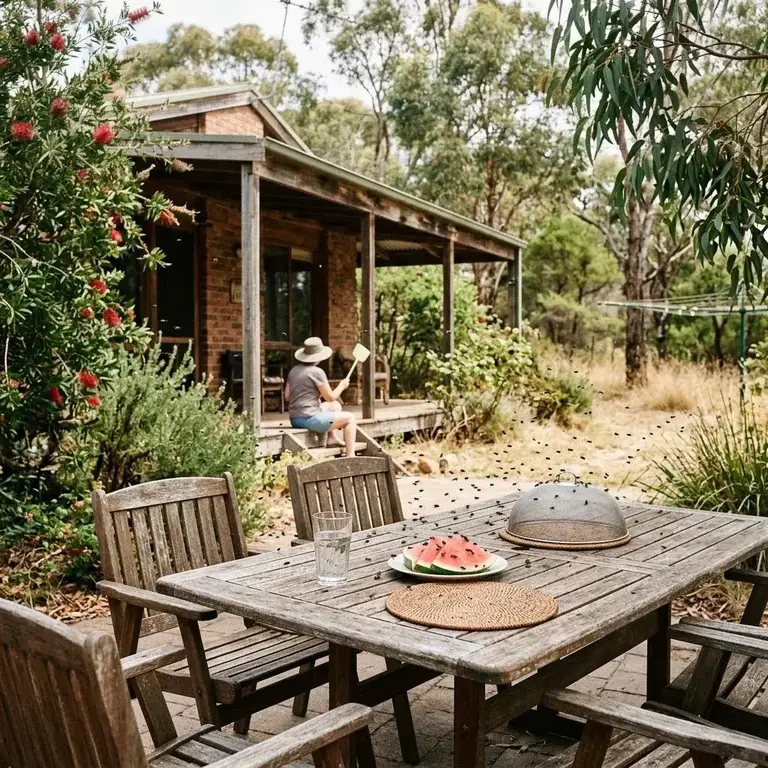
March flies — better known to most Australians as horse flies — are among the most painful biters in our skies. Found right across the country, from coastal New South Wales to the Top End, it’s the females that slash the skin and feed on blood, leaving a welt that can itch for days. If you’ve ever been chased off a beach, a fishing spot or your own veranda by one, you’ll know a March fly isn’t a pest you simply ignore.
March flies are stout, fast-flying insects in the family Tabanidae that bite humans and animals during daylight hours, with females using blade-like mouthparts to cut the skin and lap up the pooling blood. The good news: repellents, protective clothing, smart timing and, where breeding conditions persist, professional pest control can keep them well under control. This guide covers identification, bite treatment, repellents that actually work, realistic costs in AUD, and when to call a licensed technician.
- Only female March flies bite — they need a blood meal to develop eggs, while males feed harmlessly on nectar.
- Bites are immediately painful and can swell and itch for several days; severe allergic reactions require urgent medical attention.
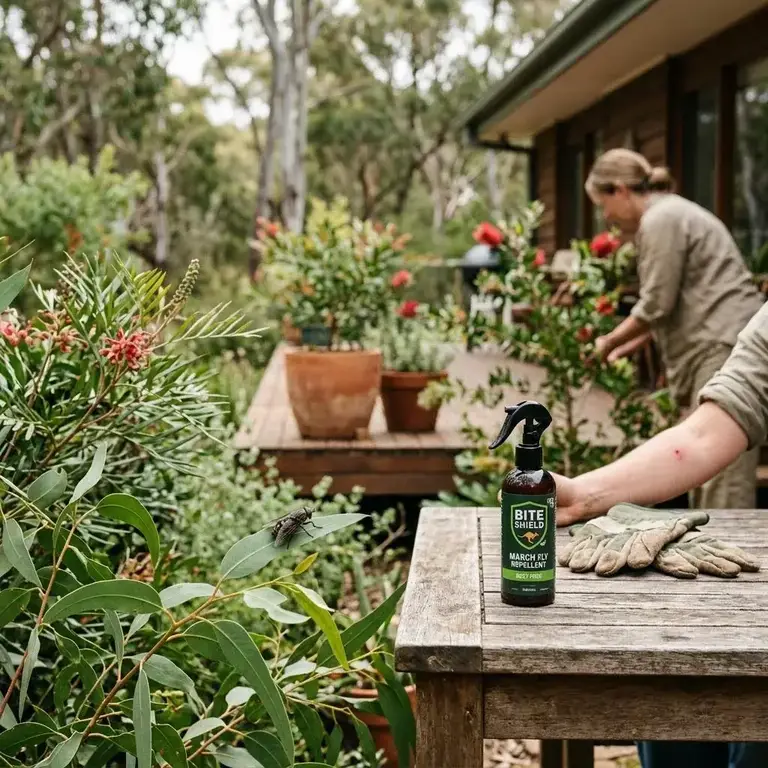
- APVMA-registered repellents containing DEET or picaridin, light-coloured clothing and fans are the most reliable protection.
- Persistent numbers around your home usually mean nearby breeding habitat such as damp soil, boggy ground or septic seepage.
- A licensed pest controller can inspect, identify contributing conditions and apply targeted, regulation-compliant treatments.
Why March Flies Matter Right Across Australia: A Persistent Summer Pest
March flies matter Australia-wide because their painful bites, aggressive persistence and sheer numbers can make outdoor living, farm work and recreation miserable through the warmer months. More than 200 species are recorded in Australia, including the common genera Scaptia and Tabanus, and despite the name they’re not restricted to March.
In most of the country they’re worst from late spring through summer; the name is thought to come from their autumn peak in southern states such as Victoria, South Australia and Tasmania. In northern Australia — coastal Queensland and the Top End — they can be present nearly year-round thanks to the warm, wet conditions their larvae need.
Housing and landscape play a real role. March fly larvae develop in damp soil, mud or shallow water, so properties near creek lines, estuaries, coastal heath, irrigated pasture or poorly drained yards see the worst pressure. Older homes on subfloor stumps — including classic Queenslanders — often sit above damp ground that suits larvae, while poorly graded slab-on-ground blocks can pond water after summer storms. Adults are stout-bodied, strong fliers, often 6 to 25 millimetres long, with large, sometimes brightly coloured eyes, and they’re visual hunters drawn to dark colours, movement and carbon dioxide on warm, still, sunny days.
They’re not the only fly causing grief around Australian homes. If you’re also seeing swarms over the fruit bowl, our guide Fruit Flies in the Kitchen: Source Control That Works covers indoor breeding, while House Flies: More Than Just Annoying explains the hygiene risks of the flies that get inside.
Warning Signs of a March Fly Problem
The clearest warning sign of a March fly problem is repeated daytime bites on people or animals around your property during warm, still weather. An occasional fly is normal in the Australian outdoors, but the following checklist suggests a local breeding source worth investigating:
- Repeated painful bites — household members or pets bitten outdoors on consecutive warm days, especially mid-morning to late afternoon.
- Multiple flies in one area — several March flies circling the same veranda, pool area, stable or yard rather than a single passing insect.
- Damp or boggy ground nearby — poorly drained lawn, septic seepage, leaking irrigation, creek banks or pond edges on or near the property.
- Livestock or horses being harassed — animals stamping, twitching or bunching up; March flies can mechanically spread infections between animals.
- Activity after summer rain — a surge in flies a week or two after heavy rain or flooding, as saturated soil suits larval development.
- Flies entering through gaps — damaged or missing fly screens letting day-flying biters inside, similar to how drain flies exploit indoor moisture (see Drain Flies: ID, Breeding Sites and Elimination).
March Fly Bites: Symptoms and Treatment
A March fly bite causes immediate, sharp pain followed by localised swelling, redness and itching that can last several days. Unlike a mosquito, which pierces the skin with a fine, needle-like proboscis, a female March fly uses blade-like mouthparts to slash the skin, then laps up the pooling blood — which is exactly why the bite hurts so much more than most insect bites.
Compounds in the fly’s saliva can trigger significant local reactions. To treat a bite, wash the area with soap and water, apply a cold pack to reduce swelling, and use an oral antihistamine or soothing cream if itching persists. Avoid scratching: broken skin can become infected, a real risk in humid Queensland and northern New South Wales summers.
Seek urgent medical attention if you notice spreading redness, hives, facial swelling or breathing difficulty, as some people experience severe allergic reactions. If you experience dizziness or difficulty breathing after a bite, treat it as an emergency and call 000 immediately.
How to Repel March Flies: DIY vs Professional Pest Control
The most effective approach combines personal repellents and physical barriers for day-to-day protection with professional treatment when breeding conditions on or near the property keep numbers high. No single trick will stop March flies entirely, but layered measures give solid protection.
| Approach | Best for | Limitations |
|---|---|---|
| APVMA-registered repellent (DEET or picaridin) | Personal protection outdoors; bushwalking, fishing, farm work | Needs reapplication as directed; only protects the wearer |
| Light-coloured, loose long sleeves and trousers; permethrin-treated clothing | Extended outdoor work and recreation | Hot in summer; doesn’t reduce fly numbers |
| Fans, fly screens, timing activities outside peak biting hours | Verandas, entertaining areas, keeping flies out of the home | Only works in fixed locations; screens need maintenance |
| Drainage fixes — removing standing water and boggy patches | Reducing on-site breeding over time | Can’t control habitat beyond your boundary (creeks, estuaries) |
| Professional inspection and targeted treatment | Persistent numbers; rural, acreage and horse properties | Costs more upfront; may need an integrated, ongoing program |
March Fly Treatment Costs in Australia (2025–26)
Across the Australian pest control industry, professional fly treatment generally ranges from around $180 for a basic residential inspection and treatment through to $600 or more for large acreage or livestock properties. The final charge depends on property size, access and the treatment program required. The ranges below reflect what the market typically charges in 2025–26; every property is different, so a thorough inspection is the best way to get an accurate quote.
| Service | Typical cost (AUD) | What’s included/notes |
|---|---|---|
| Property inspection and assessment | Free–$120 | Identifies breeding conditions, entry points and contributing habitat; often free with treatment booking |
| Standard residential fly treatment | $180–$350 | Targeted APVMA-registered treatments to harbourage and breeding areas, plus prevention advice |
| Acreage, rural or horse property program | $350–$650+ | Integrated approach for stables, yards and livestock areas; larger treated areas and follow-up visits |
| Seasonal maintenance plan | $45–$90/month | Scheduled visits through the warmer months for high-pressure locations |
At Aussie Pest Strike, we typically come in well under these market rates. To get an exact quote for your property, give us a call on [aps_phone].
When Are March Flies Most Active?
March flies are most active from October through April in most of Australia, biting during daylight hours on warm, sunny, still days — typically mid-morning to late afternoon. In northern Australia they can be present nearly year-round, while southern populations surge after spring rain and often peak again in autumn, which is where the “March” name comes from.
Jan
Feb
Mar
Apr
May
Jun
Jul
Aug
Sep
Oct
Nov
Dec
Typical relative March fly activity across southern and eastern Australia. Activity builds from October, peaks over summer (December–March), and eases through late autumn. Northern regions maintain higher year-round activity, and southern states often see a distinct autumn peak.
Nine times out of ten, when a property has a persistent March fly problem, there’s a moisture issue driving it — a boggy corner of the yard, septic seepage or a creek line next door. Repellents protect the person, but if you want fewer flies around the home, you have to deal with the breeding conditions. That’s where a proper inspection earns its keep.
For day-to-day protection, use an APVMA-registered DEET or picaridin repellent, wear light-coloured long sleeves and run fans on outdoor areas. If flies keep returning in numbers, fix drainage and boggy patches, then book a free inspection with a licensed pest controller — any chemical treatment should be applied by a licensed technician using APVMA-registered products in line with state licensing laws in New South Wales, Victoria and Queensland.
Frequently Asked Questions
Why do March fly bites hurt more than mosquito bites?
A female March fly uses blade-like mouthparts to slash the skin rather than piercing it with a fine needle like a mosquito. She then laps up the pooling blood, which causes immediate, sharp pain. Compounds in the fly's saliva can also trigger significant local reactions, with swelling, redness and itching that may last several days after the bite.
How should I treat a March fly bite?
Wash the bite area with soap and water, apply a cold pack to reduce swelling, and use an oral antihistamine or soothing cream if itching persists. Avoid scratching, as broken skin can become infected, particularly in humid Queensland and northern New South Wales summers. Seek urgent medical attention if you notice spreading redness, hives, facial swelling or breathing difficulty.
When are March flies most active in Australia?
In most of Australia, March flies are most active from October through April, biting during daylight hours on warm, sunny, still days — typically mid-morning to late afternoon. Northern regions such as coastal Queensland and the Top End can have them nearly year-round, while southern states often see a distinct autumn peak, which is where the March name comes from.
What repellents actually work against March flies?
APVMA-registered personal repellents containing DEET or picaridin are the most reliable protection for outdoor activities such as bushwalking, fishing and farm work. They need reapplication as directed and only protect the wearer. Light-coloured, loose long clothing, permethrin-treated garments, fans, well-maintained fly screens and timing activities outside peak biting hours add further layers of protection.
Why does my property keep getting March flies?
Persistent numbers usually point to nearby breeding habitat. March fly larvae develop in damp soil, mud or shallow water, so properties near creek lines, estuaries, coastal heath, irrigated pasture, septic seepage or poorly drained yards see the worst pressure. Older homes on subfloor stumps often sit above damp ground that suits larvae, and a surge often follows heavy rain.
Are all March flies capable of biting?
No. Only female March flies bite, because they need a blood meal to develop their eggs. Males feed harmlessly on nectar. The females are visual hunters drawn to dark colours, movement and carbon dioxide, which is why they aggressively pursue people and animals on warm, still, sunny days across much of Australia.
How big are March flies and how do I identify them?
March flies are stout-bodied, strong-flying insects in the family Tabanidae, generally 6 to 25 millimetres long, with large, sometimes brightly coloured eyes. More than 200 species are recorded in Australia, including the common genera Scaptia and Tabanus. They are better known to most Australians as horse flies and are found right across the country.
When should I call a professional pest controller about March flies?
If you're seeing repeated daytime bites on people or animals, several flies circling the same veranda, pool area, stable or yard, or livestock being harassed, there's likely a local breeding source worth investigating. A licensed technician can inspect the property, identify contributing conditions such as drainage problems or septic seepage, and apply targeted, regulation-compliant treatments.
Can Aussie Pest Strike help me tell March flies apart from other biting pests around my home?
Yes. Biting insects around Australian homes can be confused with one another, and the right response depends on correct identification. Aussie Pest Strike's technicians can inspect your property, identify whether you're dealing with March flies or another day-flying biter, and look for the damp soil, boggy ground or septic seepage conditions that suggest a local breeding source driving the problem.
What's the practical next step if March flies keep returning to my property?
Because nine times out of ten a persistent March fly problem traces back to a moisture issue, the sensible next step is a thorough property inspection. Aussie Pest Strike can assess breeding conditions, entry points and contributing habitat around your home, then recommend an integrated approach combining targeted treatments with drainage fixes and prevention advice suited to your situation.
Found Something
Dangerous?
Don’t touch it. Don’t spray it. Keep kids and pets clear, take a photo from a safe distance, and call us — or book a free inspection and we’ll come to you.
02 7235 0050