Standing Water:The Complete MosquitoBreeding Checklist
Standing water the — Mosquito breeding — removing standing water is the single most effective way to stop mosquitoes, because every mosquito species in...
Standing water drives mosquito breeding on almost every Australian property, because every mosquito species in this country needs still water to complete its life cycle. Remove the water and you remove the breeding — no eggs, no larvae, no biting adults circling your barbecue at dusk.
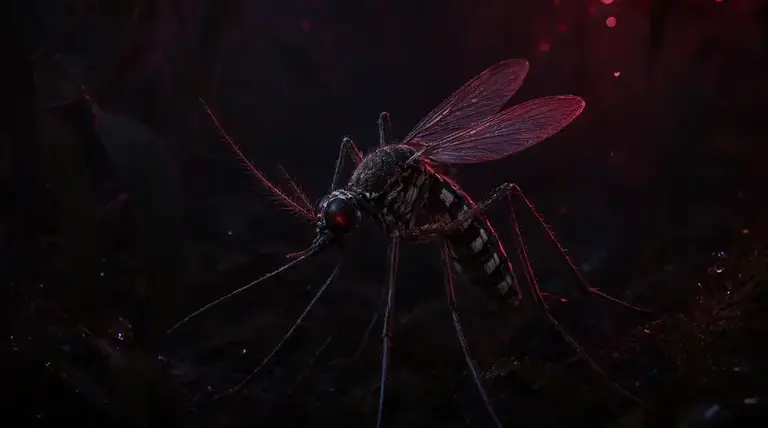
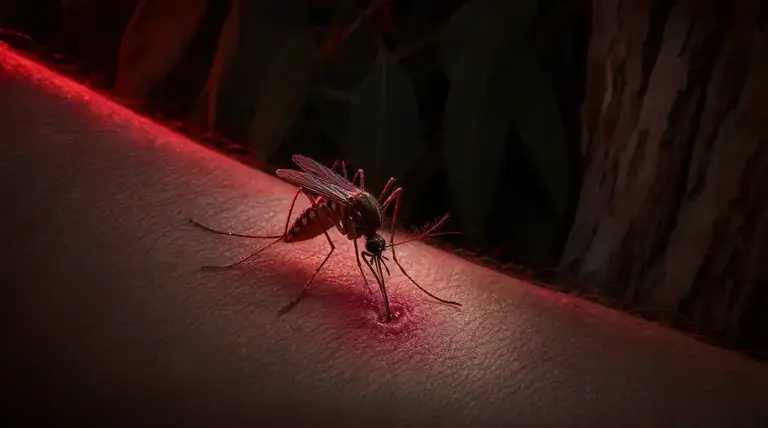
Put simply, mosquito breeding is the process by which female mosquitoes lay eggs on or near still water, where they hatch into larvae and emerge as biting adults within days. This complete checklist walks you through every hidden reservoir on a typical Australian home, the permanent fixes that actually work, and when it’s time to call in professional pest control.
- Eliminating standing water is the single most effective way to break the mosquito breeding cycle on your property.
- In summer heat above 25°C, common backyard species can go from egg to biting adult in just 7–10 days.
- Aedes eggs need only a capful of water — roughly 5 mm deep — to succeed, and can survive dry for months.
- A weekly walk-around beats a fortnightly blitz, because it catches every reservoir before larvae mature.
- When breeding sites sit off your property (neighbouring pools, council drains, saltmarsh), professional barrier treatments fill the gap.
Why Standing Water Controls Everything in the Australian Climate
Standing water controls everything because it’s the one resource mosquitoes cannot do without — and Australia’s warm climate accelerates the whole cycle. Female mosquitoes lay eggs directly on or near still water, and those eggs hatch into wrigglers within 24 to 72 hours in warm conditions.
In summer heat above 25°C, the common backyard Aedes notoscriptus can go from egg to biting adult in as little as 7 to 10 days. That means a container you emptied a fortnight ago can already be producing a fresh generation. The startling part: Aedes eggs only need a capful of water — roughly 5 mm deep — to succeed.
Australian housing adds its own risks. Queenslanders on stumps collect water in old drums and debris stored beneath the house. Brick veneer homes on slabs often have low spots along the slab edge where irrigation pools. Older homes with subfloor ventilation can hide blocked drains and sumps that stay wet for weeks. Coastal suburbs face the toughest challenge of all, because saltmarsh species such as Aedes vigilax can fly up to 10 km inland from wetlands you cannot control. And these bites aren’t just an annoyance — they carry genuine health stakes, as covered in our guide to Ross River virus and what Australian families should know.
Warning Signs: Your Standing Water Checklist
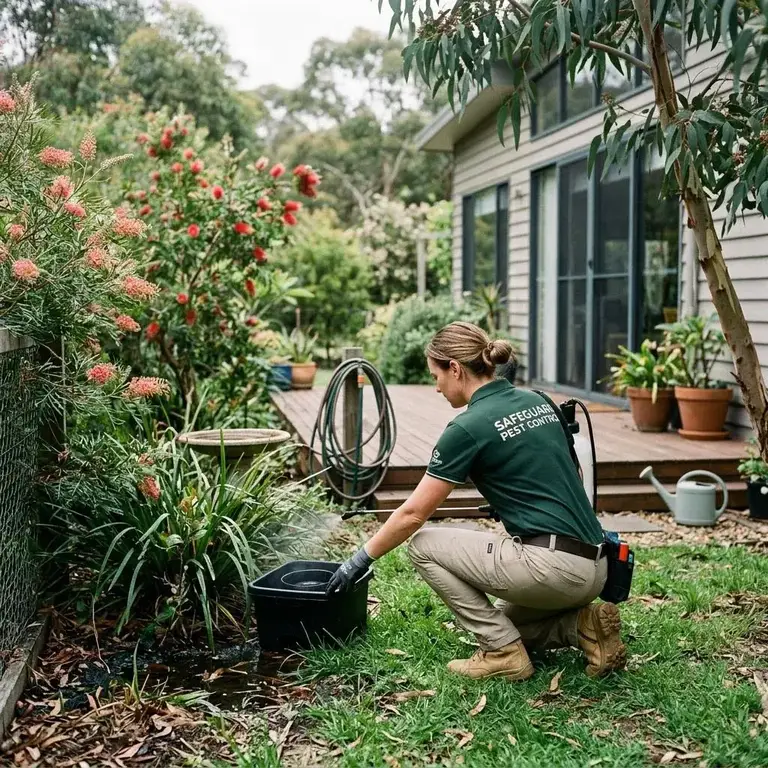
The clearest warning sign of mosquito breeding is any container, surface or plant holding still water for more than four days. Walk your property weekly and check every item below — each one is a potential live breeding site.
- Blocked roof gutters and downpipes — the number-one culprit after rain, especially on single-storey brick veneer homes with gum trees overhead.
- Pot plant saucers and self-watering trays — small, shaded and refilled constantly by watering systems.
- Bird baths, pet bowls and drip trays — refreshed often enough to stay wet, rarely scrubbed.
- Sagging tarps, trampoline covers and shade cloth — pockets that hold water for weeks unnoticed.
- Old tyres, buckets, wheelbarrows and children’s toys — classic yard clutter that fills with a single storm.
- Boat covers, tarpaulins and unused pool covers — the folds and low points pool perfectly.
- Bromeliads and water-holding plants — their leaf axils trap water you can’t easily tip out.
- Blocked drains, sumps and stalled water-feature pumps — common under Queenslanders and in subfloor areas.
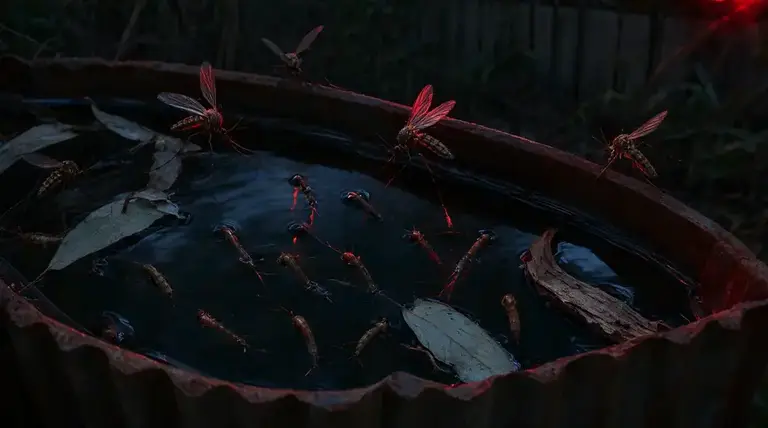
- Wrigglers in any water — tiny larvae that hang near the surface and dive when disturbed confirm an active site.
If you’re getting bitten but can’t find wrigglers anywhere, the culprit may not be mosquitoes at all — our article on midges vs mosquitoes and what’s actually biting you explains how to tell the difference.
DIY vs Professional Mosquito Breeding Control
DIY source reduction handles most properties well, but professional treatment wins when breeding sites are off your block or pressure is heavy. Tipping out water helps, but permanent fixes stop the cycle for good — and knowing where DIY ends saves you money and frustration.
| Water source / scenario | DIY approach | Professional approach |
|---|---|---|
| Rainwater tank | Fit mosquito-proof mesh (1 mm gauge) to inlet and overflow | Full tank audit plus larvicide treatment where access allows |
| Pot plant saucers | Fill with sand, or empty weekly | Identified and mapped during property inspection |
| Ponds & water features | Add native fish or keep water moving with a pump | Targeted larvicide for ornamental ponds without fish |
| Rarely used pools | Chlorinate, cover tightly, or drain fully | Treatment and monitoring for neglected or neighbouring pools (reported via council) |
| Blocked gutters | Clean seasonally and fit gutter guard | Identified as harbourage during barrier treatment inspection |
| Off-property sources (saltmarsh, drains, wetlands) | Limited — screens, repellents, fans on patios | Residual barrier treatment to fence lines, shrubs and shaded resting spots |
For a broader look at what works in the average backyard, see our guide to mosquito control for your backyard: what actually works.
What Does Professional Pest Control Cost in Australia?
Across the Australian market, professional mosquito pest control generally runs between $150 and $600 per visit, depending on property size, vegetation density and the treatment type. The figures below are typical 2025–26 industry market rates across metro and regional Australia — what pest control companies generally charge — and any individual quote will depend on the specific property.
| Service | Typical market rate (AUD) | What’s included / notes |
|---|---|---|
| Inspection & breeding-site audit | $0–$150 industry-wide | Often free with treatment; maps water reservoirs and resting harbourages |
| One-off barrier treatment | $180–$350 market average | Residual spray to fence lines, shrubs, under decks and shaded areas; lasts roughly 4–8 weeks |
| Seasonal program (3–4 visits) | $450–$900 typical industry range | Scheduled treatments across the December–February peak; best value for coastal suburbs |
| Large / acreage properties | $400–$600+ per visit market rate | Dense vegetation, dams and outbuildings increase product and labour |
Regardless of provider, chemical treatments should always be applied by a licensed technician using APVMA-registered products, following label directions. Reputable operators across the industry won’t claim any product is 100% safe or guaranteed — they’ll explain the residual life, re-entry times and what results you can realistically expect.
It’s worth knowing that Aussie Pest Strike typically comes in well under these general market rates while still delivering fully licensed, professional-grade treatment. For an exact quote tailored to your property, give the team a call on [aps_phone] — you’ll likely be pleasantly surprised.
Seasonal Mosquito Breeding Activity Across Australia
Mosquito breeding activity peaks across Australia from December to February and stays high through autumn in the tropical north. The chart below shows typical relative activity for temperate southern regions — northern Queensland and the Top End remain active nearly year-round.
Jan
Feb
Mar
Apr
May
Jun
Jul
Aug
Sep
Oct
Nov
Dec
Typical mosquito breeding pressure in temperate southern Australia, peaking December–February after summer storms. Tropical northern regions can sustain high activity (70–100%) through the wet season and into the dry.
Nine times out of ten, the worst breeding site is something the homeowner walks past every day — a tarp that’s sagged since winter, or a downpipe that quietly overflows into the garden bed. Fix the water first, then treat the resting spots, and you’ll feel the difference within a fortnight. Consistency beats any single product on the shelf.
Start with a weekly standing-water audit using the checklist above, and make permanent fixes — mesh, gutter guard, sand-filled saucers — so sites drop off your list for good. If you live near saltmarsh, wetlands or a neglected neighbouring pool, pair that habit with a professional mosquito & midge control barrier program from December to February for the strongest, longest-lasting result.
The Weekly Habit That Beats Mosquitoes
The weekly habit that beats mosquitoes is a short property walk-around, done the same day each week, because consistency matters more than effort. Since the egg-to-adult cycle can complete in about a week during summer, a fortnightly clean-up leaves a window for a full generation to emerge.
Tie your walk-around to an existing routine — bin night works well — and pay special attention after storms. A single afternoon of heavy rain can refill dozens of containers and reactivate dried eggs at once. Keep a mental map of your property’s “usual suspects”: the pot plant that always pools, the corner of the yard where the tarp sags, the downpipe that overflows. Fixing these permanently shrinks your weekly list and steadily reduces the local population around your home.
Frequently Asked Questions
How can I spot standing water that mosquitoes are using to breed around my property?
Aedes mosquitoes need only a capful of water, roughly 5 mm deep, to successfully lay eggs that hatch. This means even tiny reservoirs such as pot plant saucers, bottle caps, bromeliad leaf axils and toy crevices can support breeding. Any container, surface or plant holding still water for more than four days should be treated as a potential breeding site and emptied or removed during your weekly walk-around.
How fast can mosquitoes go from egg to biting adult in Australian summer?
In summer heat above 25°C, common backyard species such as Aedes notoscriptus can complete the full cycle from egg to biting adult in as little as 7 to 10 days. Eggs laid on or near still water hatch into wrigglers within 24 to 72 hours in warm conditions. This speed is why a weekly property walk-around beats a fortnightly blitz — a fortnight is long enough for a whole new generation to emerge from a missed container.
What are the most common hidden breeding sites around an Australian home?
The most common hidden sites include blocked roof gutters and downpipes, pot plant saucers and self-watering trays, bird baths and pet bowls, sagging tarps, trampoline covers and shade cloth, old tyres, buckets, wheelbarrows and children's toys, boat and pool covers, bromeliads and other water-holding plants, plus blocked drains, sumps and stalled water-feature pumps. Queenslanders on stumps often collect water in drums and debris stored beneath the house, while brick veneer homes can have low spots along the slab edge where irrigation pools.
How do I know if a water source has active mosquito larvae?
Look for wrigglers — tiny larvae that hang near the water surface and dive when disturbed. Their presence confirms an active breeding site. If you are getting bitten but cannot find wrigglers anywhere on your property, the culprit may not be mosquitoes at all; midges are a common lookalike, and it is worth learning how to tell the difference before treating the wrong pest.
How do I stop mosquitoes breeding in my rainwater tank?
Fit mosquito-proof mesh with a 1 mm gauge to both the inlet and the overflow of your rainwater tank. This prevents female mosquitoes from accessing the water to lay eggs while still allowing rainwater collection. For a more thorough approach, a professional tank audit can identify access points and apply larvicide treatment where access allows, ensuring no gaps remain in the tank's defences against breeding mosquitoes.
What can I do about ponds and water features without draining them?
For ornamental ponds and water features, add native fish that eat mosquito larvae, or keep the water moving with a pump, since mosquitoes need still water to breed. Where a pond has no fish, targeted larvicide treatment is the professional option. The key principle is eliminating stillness: moving water or larvae-eating fish both break the breeding cycle without needing to empty the feature.
Why is my coastal property harder to protect from mosquitoes?
Coastal suburbs face saltmarsh species such as Aedes vigilax, which can fly up to 10 km inland from wetlands you cannot control. Because these breeding sites sit off your property, source reduction alone will not solve the problem. Pairing good on-property habits — screens, repellents and fans on patios — with professional residual barrier treatment to fence lines, shrubs and shaded resting spots fills the gap left by off-property sources.
When is mosquito breeding season worst in Australia?
Mosquito breeding activity peaks across Australia from December to February and stays high through autumn in the tropical north. Temperate southern regions follow this summer peak pattern, driven by warm weather and storms that refill containers. Northern Queensland and the Top End remain active nearly year-round, sustaining high activity through the wet season and into the dry, so northern homeowners need consistent habits beyond the southern peak months.
What information should I give Aussie Pest Strike when booking help for standing water mosquitoes?
When contacting Aussie Pest Strike about mosquito breeding, describe the standing water sources you have found using the checklist — gutters, saucers, tarps, tanks, ponds or neglected pools — and note whether you have seen wrigglers. Mention how often you are being bitten, whether bites occur at dusk, and any nearby off-property sources such as saltmarsh, drains or wetlands. Details about vegetation density, shaded resting spots and property size help the team plan an appropriate inspection and barrier treatment for your situation.
What is a practical next step after completing my first standing-water audit?
Once you have walked your property and emptied every container holding water, make the permanent fixes so those sites drop off your list for good: fit 1 mm mesh to rainwater tank inlets and overflows, install gutter guard, fill pot plant saucers with sand, and add native fish or a pump to ponds. If you live near saltmarsh, wetlands or a neglected neighbouring pool, contact Aussie Pest Strike about a barrier program timed for the December to February peak to complement your weekly habit.
Sources & further reading
Found Something
Dangerous?
Don’t touch it. Don’t spray it. Keep kids and pets clear, take a photo from a safe distance, and call us — or book a free inspection and we’ll come to you.
02 7235 0050