Ant Baiting:How ProfessionalsEliminate Colonies
Ant baiting how — ant baiting eliminates a colony by using a slow-acting toxicant mixed into food that foragers carry back and feed to the queen, larvae and...
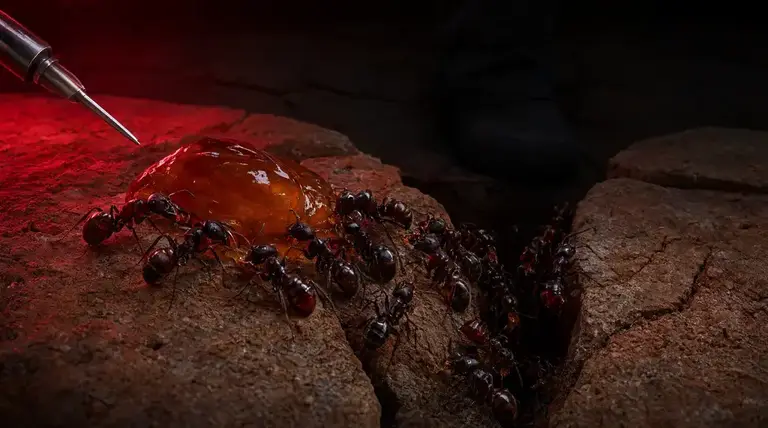
Ant baiting is a pest control method that uses a slow-acting toxicant mixed into food, which foraging ants carry back to the nest and share with the queen, larvae and other workers — collapsing the entire colony from the inside out. Unlike a surface spray that only kills the workers you can see, baiting exploits the ants’ own food-sharing behaviour to reach the parts of the colony no spray can touch.
Across Australia, from humid Brisbane Queenslanders to Melbourne brick veneer homes and Perth slab construction, ants are the most common household pest callout. This guide explains how professional ant baiting works, why it consistently outperforms DIY sprays, what a treatment program costs in 2025–26, and the mistakes that cause baiting to fail.
- Ant baiting kills the queen and brood by using foragers as unwitting couriers of a slow-acting toxicant.
- Matching the bait (sugar vs protein) to the species and season is the single biggest factor in success.
- Spraying a baited trail sabotages the program — patience for 1–3 weeks is essential.
- Professional programs typically cost $180–$450 AUD and include species identification, placement and follow-up monitoring.
- Licensed technicians place small, targeted bait amounts out of reach of children and pets, reducing exposure compared with broadcast spraying.
Why Ant Baiting Matters for Australian Homes
Ant baiting matters in Australia because our climate lets colonies stay active for most of the year, and our housing styles give nests endless places to hide. Warm, wet summers drive explosive colony growth, while mild winters in Queensland, northern NSW and coastal WA mean many species never fully shut down.
Housing design compounds the problem. Homes on concrete slabs often see ants entering through weep holes, expansion joints and cracks around plumbing penetrations. Older homes on subfloors — including classic Queenslanders — give colonies cool, protected voids beneath the floor. Brick veneer construction leaves a cavity between the frame and the brick skin where species like the black house ant happily nest for years undetected. Identifying which intruder you’re dealing with is step one, and our guide to common Australian ant species found in homes covers the usual suspects in detail.
Because nests are so often hidden in wall cavities, soil or subfloors, killing visible workers achieves nothing lasting. That’s precisely the scenario baiting was designed for — the workers themselves become the delivery system to the nest you cannot see or reach.
Warning Signs You Need Baiting, Not a Quick Spray
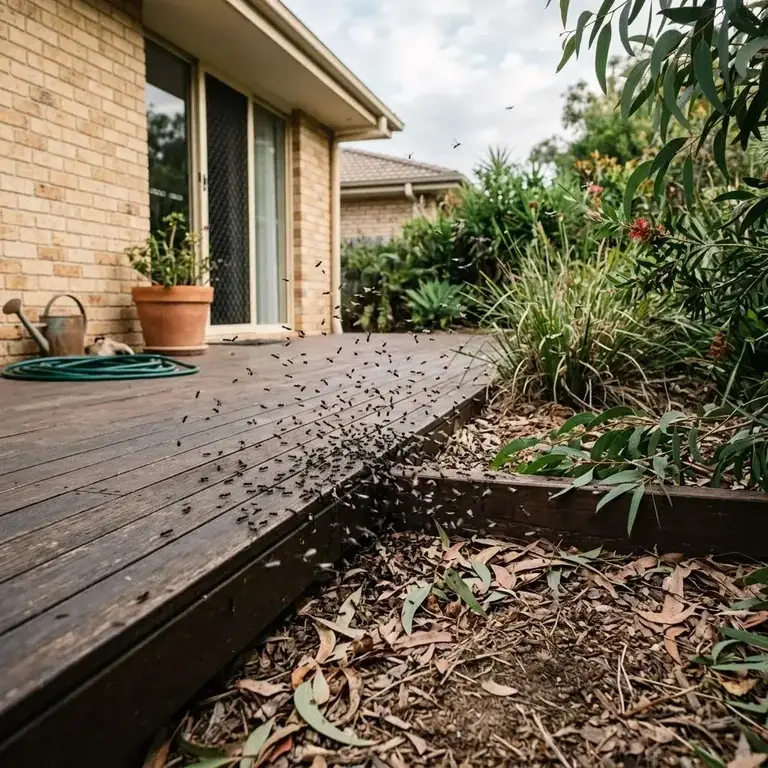
The clearest sign you need baiting is a persistent, organised trail that returns within days no matter how often you spray or wipe it. That pattern tells you a healthy, reproducing colony is nearby and workers are being replaced faster than you can kill them.
- Established trails running along benchtops, skirting boards or window frames that reappear after cleaning.
- Multiple entry points — ants emerging from power points, weep holes or gaps around pipes suggest a nest inside the structure.
- Activity in several rooms at once, indicating a large or multi-queen colony with satellite nests.
- Ants swarming pet bowls or pantry shelves overnight, a classic sign of black house ants — see our black house ants complete control guide.
- Winged ants indoors in spring or summer, which means a mature colony is producing reproductives.
- DIY sprays making things spread — new trails popping up in different rooms after treatment.
The Science Behind Ant Baiting
Ant baiting works because ants share food mouth-to-mouth through a process called trophallaxis, so one fed forager can pass the toxicant to dozens of nestmates and ultimately the queen. The critical design feature is a slow-acting active ingredient — if the bait killed instantly, the courier would die before sharing anything.
Professional-grade baits are formulated to delay their effect for hours or days, giving the active ingredient time to circulate through thousands of ants, including the larvae and the egg-laying queen. Once the queen dies or stops producing viable eggs, the colony has no future and collapses.
Matching Bait to the Species
Colonies switch between craving sugars and craving proteins depending on their brood cycle. A sugar-feeding species like the black house ant will walk straight past a protein bait, while coastal brown ants often reject sweets entirely. Technicians identify the species first and frequently offer both a sweet gel and a protein or oil-based bait, letting the ants vote with their feet. This matching is why professional results outpace one-size-fits-all retail packs.
DIY Ant Baiting vs Professional Treatment
Retail bait stations can knock over a small, single-queen colony if you match the bait correctly and leave the trail alone — but most DIY attempts fail on species identification, placement or impatience. A professional program removes that guesswork.
| Factor | DIY baiting | Professional program |
|---|---|---|
| Species identification | Guesswork | Confirmed on inspection |
| Bait choice | One generic product | Sweet gel, protein and granular options matched to species and season |
| Placement | Wherever ants are seen | On active trails and entry points, out of reach of kids and pets |
| Monitoring | Usually none | Top-ups and follow-up over 1–3 weeks |
| Multi-queen colonies | Rarely resolved | Managed program until activity ceases |
Professionals also avoid the budding trap. Repellent sprays cause colonies to split into multiple nests — the core problem explained in our article on why sprays often make ant problems worse. Non-repellent baits sidestep this entirely and use tiny quantities of active ingredient placed out of reach, reducing exposure around kitchens and living areas compared with broadcast spraying.
How a Professional Baiting Program Runs
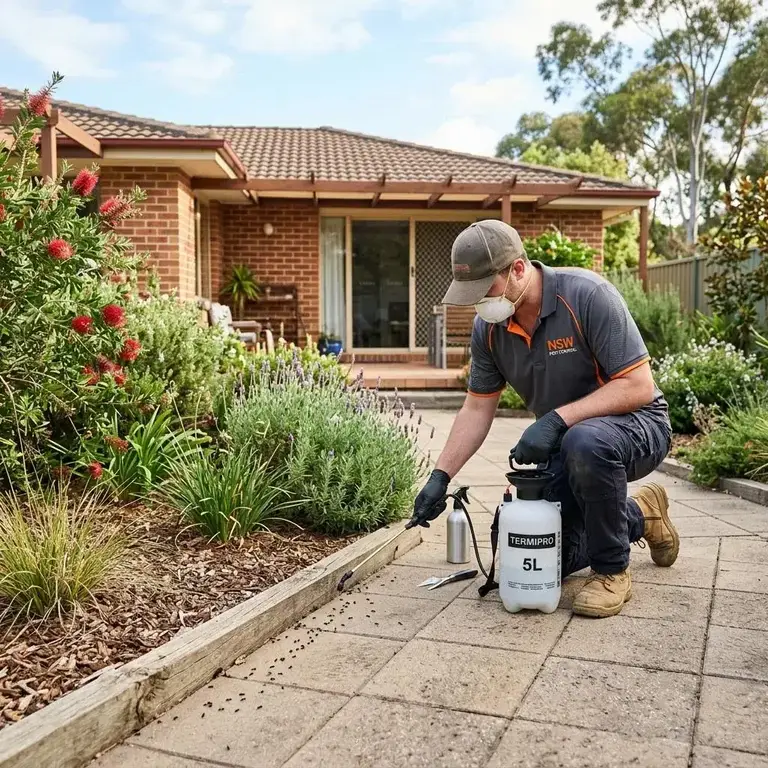
A professional ant baiting program follows four disciplined stages: inspect, place, leave alone, and monitor. Each stage exists to protect the supply line of bait travelling from the trail back to the queen.
- Inspect and identify the species, locate active trails and entry points, and trace likely nest locations.
- Place the right bait in stations or directly into cracks along trails — never scattered across open benches.
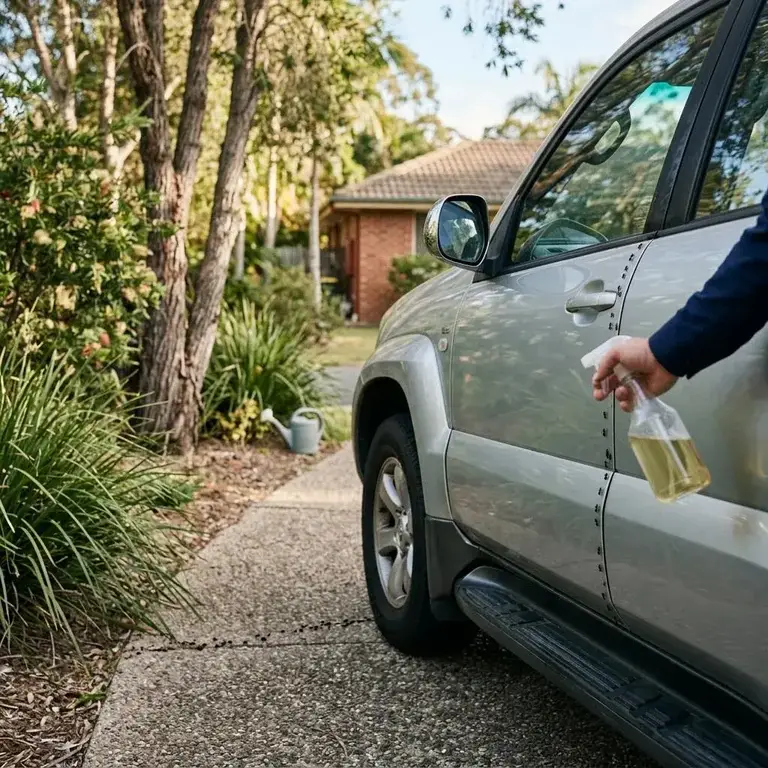
- Leave the trail alone. No spraying, bleach or wiping of treated lines while the bait circulates.
- Monitor and top up over one to three weeks until activity ceases completely.
A brief spike in visible ants in the first few days is normal and encouraging — it means foragers are recruiting to the bait in numbers. Where ants have contaminated stored food, a combined approach with our silverfish and pantry pest control service can address the broader kitchen infestation.
Ant Baiting Costs in Australia (2025–26)
Across the Australian pest control industry, professional ant baiting generally sits between $180 and $450 AUD depending on property size, species and colony complexity. Severe multi-queen infestations or commercial kitchens tend to sit at the higher end of the market, or require ongoing service plans.
| Service | Typical market rate (AUD) | What’s included/notes |
|---|---|---|
| Standard residential baiting treatment | $180–$280 | Inspection, species ID, gel and/or granular bait placement, basic follow-up |
| Severe or multi-colony program | $280–$450 | Multiple visits, bait rotation, perimeter treatment where needed |
| Outdoor granular perimeter treatment | $150–$250 | Soil and lawn colonies; often combined with internal baiting |
| Commercial/ongoing pest control plan | Quoted on inspection | Scheduled monitoring and bait top-ups for food premises |
These are general industry rates, and market prices vary with access, property size and region. Chemical treatments should always be applied by a licensed pest control technician in line with APVMA-registered label directions.
Aussie Pest Strike typically comes in well under these market rates. For an exact quote tailored to your property, give us a call on [aps_phone].
Seasonal Ant Activity in Australia
Ant activity in most of Australia peaks from October through March, driven by warmth, humidity and summer storms that flood nests and push colonies indoors. Activity dips over winter in southern states but stays moderate year-round in Queensland and the Top End.
Jan
Feb
Mar
Apr
May
Jun
Jul
Aug
Sep
Oct
Nov
Dec
Typical ant activity pattern across southern Australia. Northern regions stay closer to summer levels all year — book baiting early in spring for the fastest colony collapse.
Why Baiting Sometimes Fails
Baiting fails for avoidable reasons: the wrong bait matrix for the season, cleaned-away pheromone trails, competing food sources, or impatience. Professionals sidestep every one of these by design.
- Wrong bait for the season. A colony feeding brood may want protein one month and sugar the next; offering only one leaves bait untouched.
- Cleaning the trail. Wiping pheromone lines with bleach or detergent breaks the supply route back to the nest.
- Competing food. Crumbs, spills and open pet food give ants a tastier option — tidy up before baiting starts.
- Impatience. Switching to spray after a few days kills the very foragers meant to carry bait home.
The hardest part of my job isn’t killing ants — it’s convincing people to stop spraying while the bait does its work. Give a well-matched bait two quiet weeks and it will do what a year of aerosol never could: kill the queen.
If trails keep returning after DIY attempts, stop spraying and book a professional inspection. A licensed technician will identify the species, match the bait, and monitor the program through to colony collapse. Our ant control and nest treatment service is built around exactly this approach.
Frequently Asked Questions
How does ant baiting kill the whole colony, not just visible workers?
Ant baiting uses a slow-acting toxicant mixed into food that foraging ants carry back to the nest. Through trophallaxis — mouth-to-mouth food sharing — one fed forager passes the toxicant to dozens of nestmates, including larvae and the egg-laying queen. Because the active ingredient is delayed by hours or days, it circulates through thousands of ants before taking effect. Once the queen dies or stops producing viable eggs, the colony has no future and collapses from the inside out.
Why do surface sprays often make an ant problem worse than baiting?
Repellent sprays only kill the workers you can see while the hidden nest keeps producing replacements faster than you can eliminate them. Worse, spraying can trigger budding, where a colony splits into multiple nests and spreads to new rooms. Non-repellent baits avoid this entirely by letting foragers unknowingly deliver the toxicant deep into the nest, reaching the queen and brood that no spray can touch.
How long does professional ant baiting take to work?
A typical program runs over one to three weeks, with monitoring and top-ups until activity ceases completely. A brief spike in visible ants during the first few days is normal and actually encouraging — it means foragers are recruiting to the bait in numbers. Patience is essential: spraying or wiping treated trails during this period breaks the supply line back to the nest and can cause the program to fail.
Why does matching the bait to the ant species matter so much?
Colonies switch between craving sugars and proteins depending on their brood cycle. A sugar-feeding species like the black house ant will walk straight past a protein bait, while coastal brown ants often reject sweets entirely. Technicians identify the species first and frequently offer both a sweet gel and a protein or oil-based bait, letting the ants choose. This matching is why professional results outpace one-size-fits-all retail packs.
What warning signs suggest I need baiting rather than a quick spray?
The clearest sign is a persistent, organised trail along benchtops, skirting boards or window frames that reappears within days no matter how often you clean or spray it. Other indicators include multiple entry points such as power points or weep holes, activity in several rooms at once suggesting a large or multi-queen colony, winged ants indoors in spring or summer, and new trails appearing in different rooms after DIY treatment.
What are the main reasons ant baiting fails?
Baiting usually fails for avoidable reasons: offering the wrong bait matrix for the season, cleaning away pheromone trails with bleach or detergent, leaving competing food sources like crumbs, spills or open pet food, or simply losing patience before the colony collapses. Professionals sidestep each of these through species identification, correct placement on active trails, clear instructions to leave trails alone, and scheduled follow-up monitoring.
How much does professional ant baiting cost in Australia in 2025–26?
Professional ant baiting costs vary with property size, the ant species involved and how complex the colony is. Standard residential jobs usually sit at the lower end of the pricing range, while severe multi-queen infestations or combined indoor baiting with outdoor granular perimeter treatments cost more. Access difficulties and regional differences also affect the final figure, so an accurate quote requires an on-site inspection.
When is ant activity highest across Australia?
Ant activity peaks from October through March, driven by warmth, humidity and summer storms that flood nests and push colonies indoors. Activity dips over winter in southern states but stays moderate year-round in Queensland and the Top End, where conditions remain closer to summer levels. Booking baiting early in spring gives the fastest colony collapse, before colonies reach peak size during the warm months.
How can Aussie Pest Strike tell whether I have ants or a different pest problem?
Correct identification is the foundation of effective baiting, because sugar-feeding and protein-feeding species respond to completely different baits. Aussie Pest Strike technicians inspect active trails, entry points and likely nest locations to confirm which ant species is present, and can distinguish ant activity from lookalike pests such as termites or silverfish. That identification step determines whether baiting alone will resolve the issue or whether a combined approach is needed.
What happens when I ask Aussie Pest Strike to treat an ant problem at my home?
Aussie Pest Strike follows a four-stage program: inspect and identify the species, place matched gel or granular baits on active trails out of reach of children and pets, leave the trails undisturbed, then monitor and top up over one to three weeks until activity ceases. You will be told not to spray or wipe treated lines, and warned that a short spike in ant numbers early on is a good sign the bait is being taken back to the nest.
Sources & further reading
Found Something
Dangerous?
Don’t touch it. Don’t spray it. Keep kids and pets clear, take a photo from a safe distance, and call us — or book a free inspection and we’ll come to you.
02 7235 0050