Argentine Ants:Australia’s SupercolonyPest Problem
Argentine ants — Argentine ants australias — argentine ants ( Linepithema humile ) are a light-brown invasive species that form massive cooperating...
Argentine ants (Linepithema humile) are a light-brown invasive species now entrenched across much of southern and coastal Australia, and they’re widely regarded as one of the hardest ant pests to shift. Argentine ants form enormous cooperating supercolonies with multiple queens, which is exactly why ordinary DIY pest control methods — sprays, granules, surface dusts — tend to fail against them.
Because nests don’t fight neighbouring nests of their own kind, a single interconnected colony can stretch for kilometres along a street or through an entire suburb. This guide covers how to identify them, why they matter beyond the kitchen bench, what treatment actually works, and what professional ant control typically costs in Australia in 2025–26.
- Argentine ants form multi-queen supercolonies that can span whole suburbs — killing one nest changes nothing.
- Repellent sprays make the problem worse by splitting colonies into more nests through a budding response.
- Sustained, non-repellent baiting across all active trails is the only reliable control method.
- They displace native ants and farm aphids and scale, causing ecological damage well beyond your home.
- Professional treatment typically runs $220–$650 AUD, often needing follow-up visits and neighbour coordination.
Why Argentine Ants Matter in Australia
Argentine ants matter in Australia because they thrive in exactly the conditions our southern and coastal climates provide, and they cause both household and environmental damage. Introduced decades ago, they’re now widespread through Victoria, South Australia, New South Wales and parts of Western Australia and Tasmania, favouring the mild, temperate zones where most Australians live.
Australian housing gives them ideal harbourage. Slab-on-ground homes get trail entry at weep holes and slab edges; older weatherboard and brick veneer houses with subfloors offer cool, moist nesting soil; raised Queenslanders provide shaded ground-level nesting with direct access up stumps and pipe penetrations. After summer rain or during heatwaves, colonies push indoors in search of water, overwhelming kitchens, bathrooms and laundries within hours. For broader context on how they compare with other invaders, see our guide to common Australian ant species found in homes.
Warning Signs You Have Argentine Ants
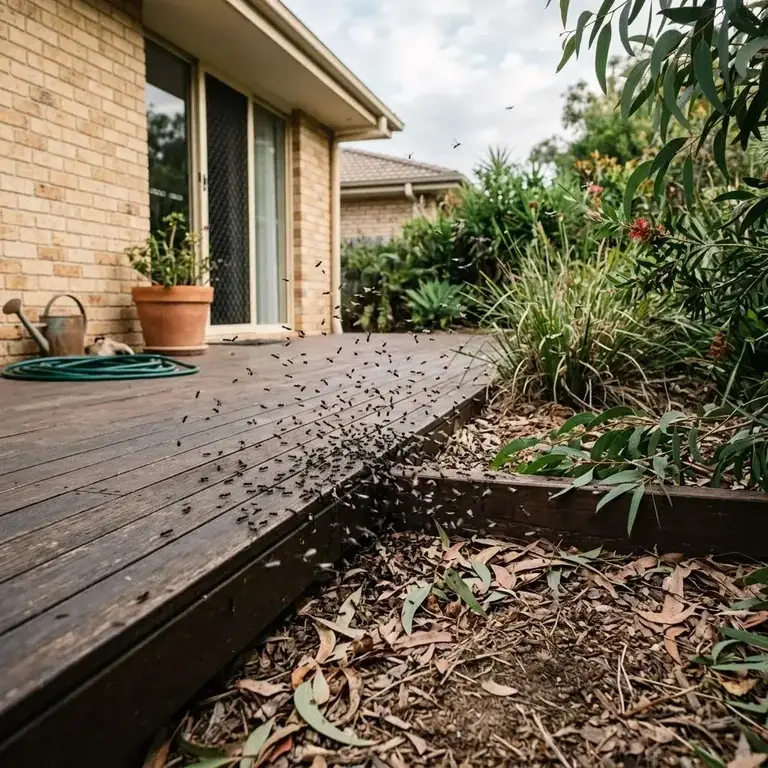
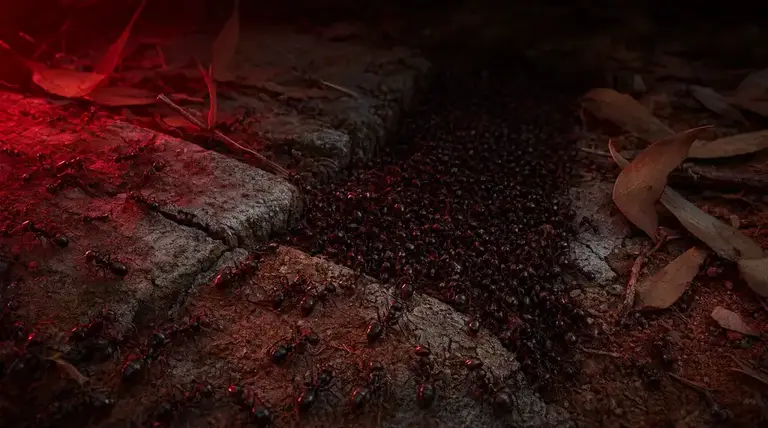
The clearest warning sign of an Argentine ant infestation is the sheer scale of the trails — sheets of ants moving in wide, fast, continuous columns rather than a single thin line. Check for these indicators:
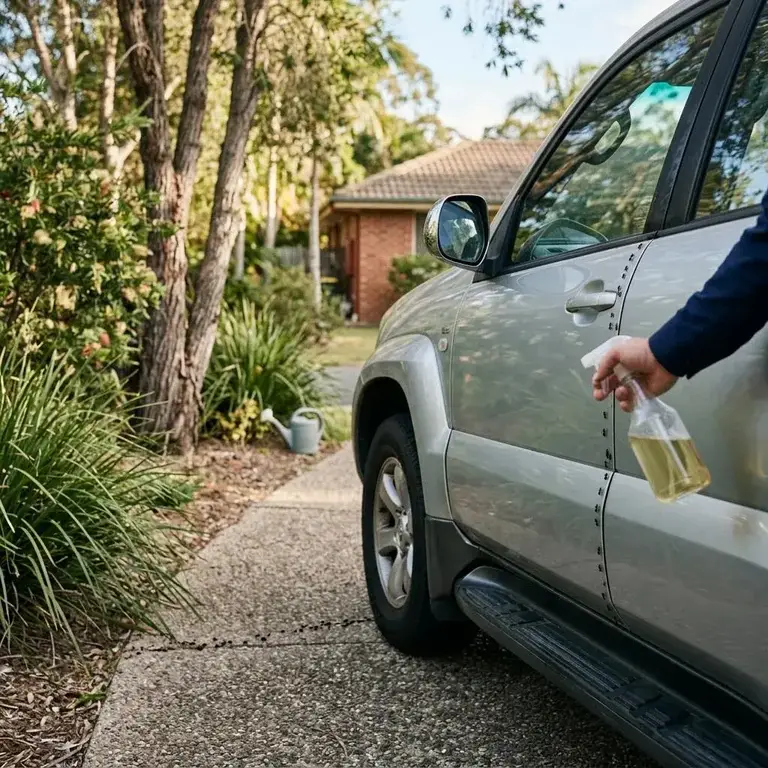
- Wide, fast trails — often many ants abreast, running along paths, fences, garden edges and into wall cavities.
- Uniform appearance — workers are all light to medium brown, 1.6–2.6 mm, with no sting and no size variation between them.
- Musty odour when crushed — a faint, greasy smell distinguishes them from many native species.
- Year-round persistence — trails that never fully disappear, unlike native ants that come and go seasonally.
- No aggression between trails — separate columns meeting without fighting is a hallmark of the supercolony.
- Sudden indoor invasion after rain or heat — mass movement indoors seeking moisture, often in overwhelming numbers.
Confirm identification before treating, since coastal brown ants look superficially similar. Our black house ant control guide also helps separate them from darker native species, and a licensed technician can confirm on site before any bait is placed.
DIY vs Professional Treatment for Argentine Ants
DIY treatment of Argentine ants almost always fails because repellent products split the colony into more nests, while professional non-repellent baiting programs circulate slow-acting bait to the many queens. Here’s how the two approaches compare:
| Factor | DIY sprays and granules | Professional baiting program |
|---|---|---|
| Colony impact | Kills visible workers only; colony buds into more nests | Bait transferred to queens; whole network suppressed |
| Re-invasion risk | High — network reroutes around treated zones | Lower — treated across all trails, often street-wide |
| Timeframe | Fast knockdown, fast rebound | 2–8 weeks for meaningful suppression |
| Typical cost | $20–$80 in products, repeated endlessly | $220–$650+ with follow-ups |
The budding trap is explained in detail in our article on why sprays often make ant problems worse. Slow, patient baiting beats fast knockdown every time with this species.
Argentine Ant Control Costs in Australia (2025–26)
Across the Australian pest control industry, professional Argentine ant control typically costs $220–$650 AUD depending on property size, infestation scale and the number of follow-up visits required. These figures represent the general market rate for the industry, not the pricing of any single provider. Because supercolonies cross property lines, multi-visit programs are the norm rather than the exception.
| Service | Typical market rate (AUD) | What’s included/notes |
|---|---|---|
| Inspection and species identification | $0–$120 | Often free with treatment; confirms species and maps trails |
| Initial non-repellent baiting treatment | $220–$380 | Bait stations and gel along all active trails, interior and perimeter |
| Follow-up visits (each) | $120–$200 | Bait refresh, monitoring, typically 2–4 visits for supercolonies |
| Severe/large-property program | $450–$650+ | Acreage, strata or neighbour-coordinated street-wide programs |
Only licensed technicians should apply professional-grade baits and non-repellent treatments, in line with APVMA-registered label directions. If ants have also pushed into your pantry, our silverfish and pantry pest control service covers contaminated food storage areas.
One thing worth knowing: Aussie Pest Strike typically comes in well under these market rates, so treat the figures above as a guide to what the industry generally charges — not what you’ll pay with us. For an exact quote tailored to your property, give us a call on [aps_phone].
Seasonal Activity of Argentine Ants in Australia
Argentine ants are active year-round in Australia, with peak foraging from late spring through autumn and mass indoor invasions triggered by summer heat and heavy rain. Unlike many native ants, their trails never fully disappear — even winter activity continues at a reduced level in mild coastal regions.
Jan
Feb
Mar
Apr
May
Jun
Jul
Aug
Sep
Oct
Nov
Dec
Indicative activity pattern across southern Australia: peaks in summer heat and post-rain periods (Nov–Mar), tapering through winter but never dropping to zero — a key difference from native ant species.
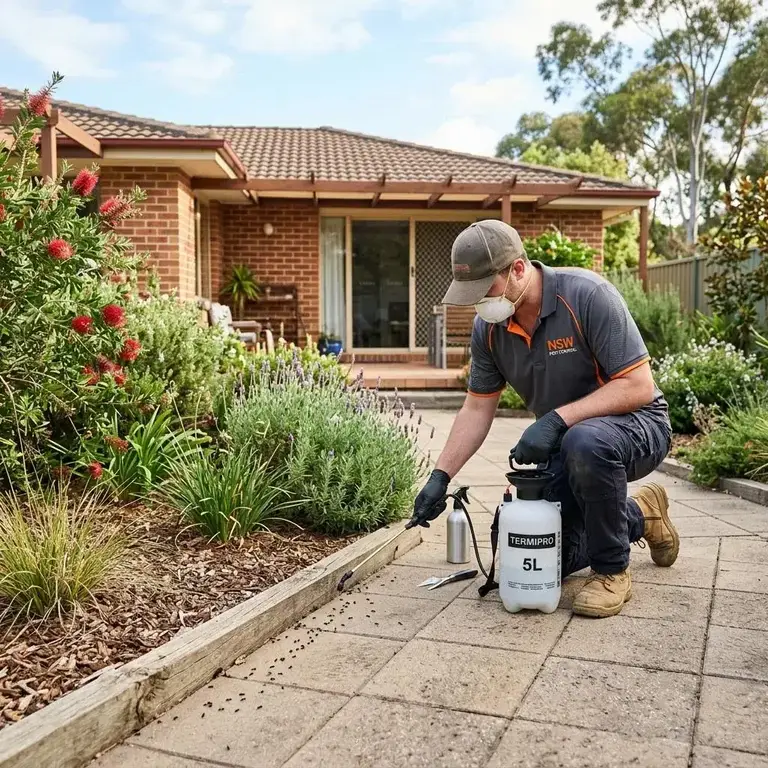
The biggest mistake we see is homeowners spraying the trail they can see. With this species, that trail is a fraction of one percent of the colony — you kill a few workers and the supercolony buds into three more nests. Baiting takes patience, but it’s the only approach that reaches the queens.
Skip the spray can entirely. Book a professional ant control and nest treatment program built on sustained non-repellent baiting, and where possible coordinate with adjoining properties. Expect 2–4 visits over 6–8 weeks for lasting suppression of a supercolony. For more on how professionals run these programs, read how we eliminate colonies at the source.
Frequently Asked Questions
Why do Argentine ants form supercolonies in Australia?
Argentine ants form supercolonies because their nests do not fight neighbouring nests of their own kind. Multiple queens coexist within one interconnected network, so a single colony can stretch for kilometres along a street or through an entire suburb. This cooperation is why killing one nest changes nothing and why the species is regarded as one of the hardest ant pests to shift.
How can I identify Argentine ants around my home?
Look for wide, fast trails with many ants moving abreast along paths, fences, garden edges and into wall cavities. Workers are light to medium brown, 1.6–2.6 mm long, uniform in size, with no sting, and give off a faint musty or greasy smell when crushed. Trails persist year-round, separate columns meet without fighting, and mass indoor invasions often follow rain or heatwaves.
Why do DIY sprays make Argentine ant problems worse?
Repellent sprays trigger a budding response: the colony splits into more nests rather than dying out. Sprays kill only the visible workers, which are a tiny fraction of the supercolony, while the many queens survive and the network reroutes around treated zones. The result is fast knockdown followed by fast rebound, often with more nests than before you started spraying.
What treatment actually works against Argentine ants?
Sustained, non-repellent baiting across all active trails is the only reliable control method. Slow-acting bait is carried back to the queens, suppressing the whole interconnected network rather than just visible workers. Meaningful suppression typically takes 2–8 weeks, and severe infestations usually need follow-up visits and coordination with adjoining properties because supercolonies cross property lines.
Where in Australia are Argentine ants found?
Argentine ants are widespread through Victoria, South Australia and New South Wales, as well as parts of Western Australia and Tasmania. They favour the mild, temperate southern and coastal zones where most Australians live. They thrive in typical Australian housing, nesting at slab edges and weep holes, in cool moist subfloor soil under older homes, and in shaded ground-level spots beneath raised houses.
When are Argentine ants most active indoors?
Argentine ants are active year-round, with peak foraging from late spring through autumn. Mass indoor invasions are triggered by summer heat and heavy rain, when colonies push inside seeking water and can overwhelm kitchens, bathrooms and laundries within hours. Unlike native ants, their trails never fully disappear — even winter activity continues at a reduced level in mild coastal regions.
What damage do Argentine ants cause beyond kitchens?
Beyond invading homes, Argentine ants displace native ant species and farm aphids and scale insects, causing ecological damage well beyond the kitchen bench. Their year-round persistence and enormous cooperating colonies let them outcompete local species across whole suburbs. This environmental impact, combined with their resistance to ordinary pest control methods, is why they are considered such a serious invasive pest in Australia.
How much does professional Argentine ant control cost in Australia?
Professional Argentine ant control pricing varies with property size, infestation severity and the number of follow-up visits needed. Because supercolonies spread across neighbouring properties, most treatments involve an initial non-repellent baiting service followed by several monitoring visits over weeks or months. Severe or large-property infestations generally require more extensive multi-visit programs, so costs are usually higher than for a single small-scale treatment.
How would Aussie Pest Strike assess the warning signs of an Argentine ant infestation?
A technician would confirm identification first, since coastal brown ants look superficially similar, then map the wide, fast trails running along paths, fences and garden edges. They would check for uniform light-brown workers, the musty odour when crushed, non-aggressive columns meeting without fighting, and year-round trail persistence. On site they would identify entry points such as weep holes, slab edges and subfloors before any bait is placed.
What practical next step should I take if I suspect Argentine ants on my property?
Skip the spray can entirely and book a professional ant control program built on sustained non-repellent baiting. Aussie Pest Strike can inspect your property, confirm the species and map active trails before treatment begins. Where possible, coordinate with adjoining properties, since supercolonies cross property lines. Expect patience rather than instant results — meaningful suppression of a supercolony typically takes several visits over 6–8 weeks.
Sources & further reading
Found Something
Dangerous?
Don’t touch it. Don’t spray it. Keep kids and pets clear, take a photo from a safe distance, and call us — or book a free inspection and we’ll come to you.
02 7235 0050