Pharaoh Ants:The Tiny PestSpreading Indoors
Pharaoh ants are tiny, light-yellow ants about 2 mm long that nest indoors across Australia, spreading through buildings by budding and contaminating food...
Pharaoh ants are tiny, light-yellow ants about 2 mm long that nest indoors across Australia, spreading through buildings by budding and contaminating food and sterile areas. If you are searching for answers on this pest — even with a query as short as “h” — the essential fact is simple: because pharaoh ants split their colonies when sprayed, targeted baiting and professional treatment are usually essential for lasting control.
These ants thrive in the warm interiors of Australian homes, hospitals, cafés and offices, from Sydney apartments to Brisbane medical centres and Melbourne workplaces. Unlike outdoor species that come and go with the weather, pharaoh ants set up permanent nests in wall voids, ceilings and appliances, which is why a few pale workers on the bench almost always signal a much bigger problem behind the plasterboard. This guide covers identification, warning signs, DIY versus professional options, realistic 2025–26 pricing, and when to call in a licensed pest control technician.
- Pharaoh ants (Monomorium pharaonis) are 1.5–2 mm, pale yellow, and nest permanently indoors in wall voids, ceilings and appliances.
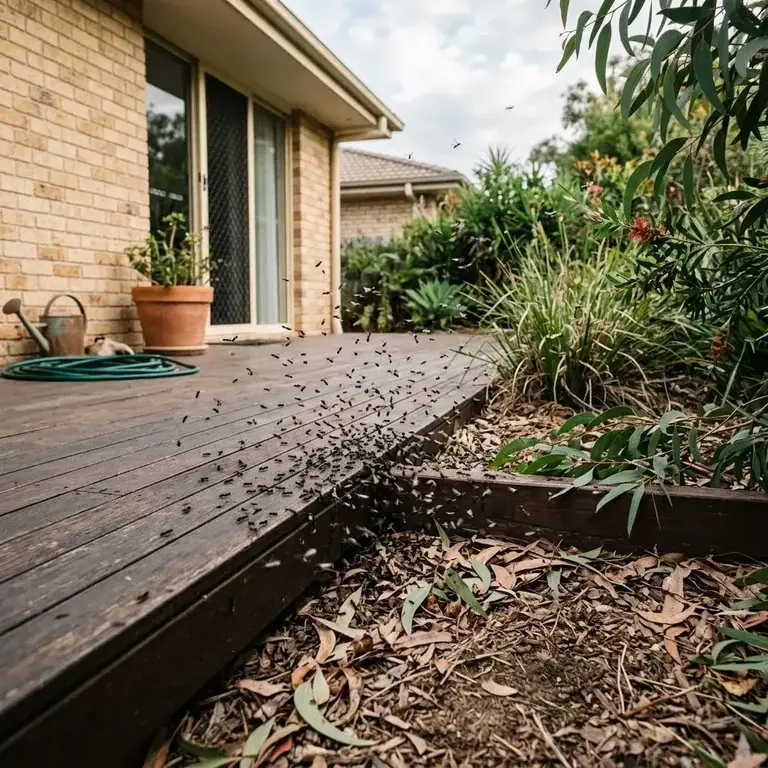
- Colonies spread by budding — one disturbed nest can split into several, which is why aerosol sprays make infestations worse.
- They can mechanically spread bacteria such as Salmonella and Staphylococcus, a real risk in kitchens, hospitals and aged care.
- Slow-acting gel baits placed by licensed technicians are the industry standard for lasting control.
- Professional pharaoh ant programs in Australia typically cost $250–$600+ (AUD) depending on property size and follow-up visits.
Why Pharaoh Ants Matter Across Australia
Pharaoh ants matter Australia-wide because our housing stock and climate give them everything they need: warmth, humidity and endless voids to nest in. Whether you live in a slab-on-ground brick veneer in western Sydney, a subfloor Queenslander in Brisbane, or a Melbourne apartment tower, heated interiors let these ants breed all year round.
Workers are just 1.5 to 2 mm long, pale yellow with a darker-tipped abdomen, while queens reach about 4 mm. They are often confused with ghost ants or big-headed ants, and our guide to common Australian ant species found in homes can help you tell them apart. But pharaoh ants are the species most likely to nest permanently indoors, with colonies holding thousands of workers and multiple queens — so infestations can persist for years untreated.
The health angle is what elevates them from nuisance to serious pest. Foraging workers move between bins, drains and food preparation surfaces, and they have been recorded carrying bacteria such as Salmonella and Staphylococcus. In hospitals and aged care facilities they can contaminate sterile equipment and dressings, and in cafés and restaurants an infestation puts food safety compliance at risk under state health regulations. They eat almost anything — sugars, grease, proteins, dead insects — so a few ants on the bench usually signal a much larger colony behind the wall.
Warning Signs of a Pharaoh Ant Infestation
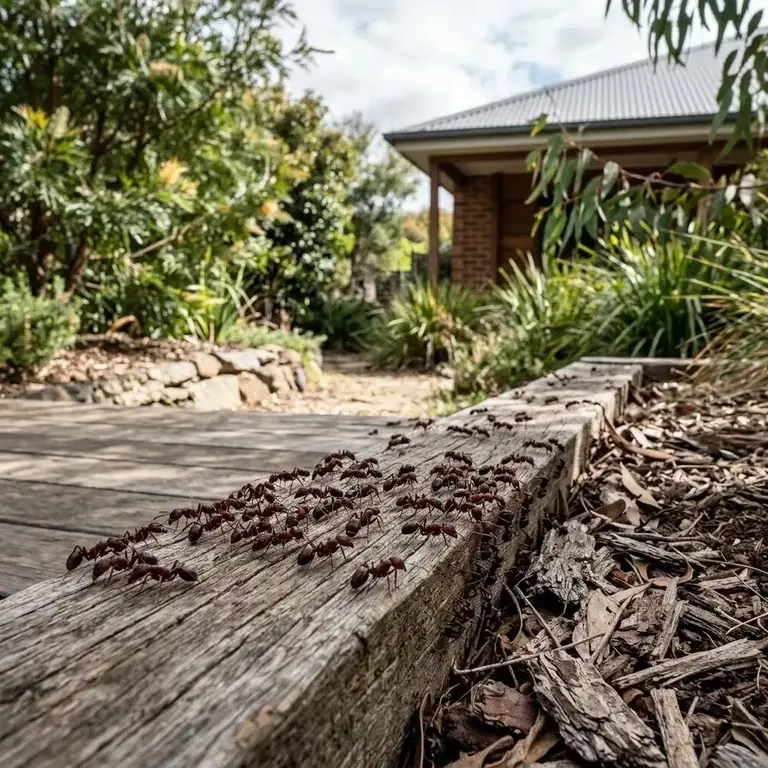
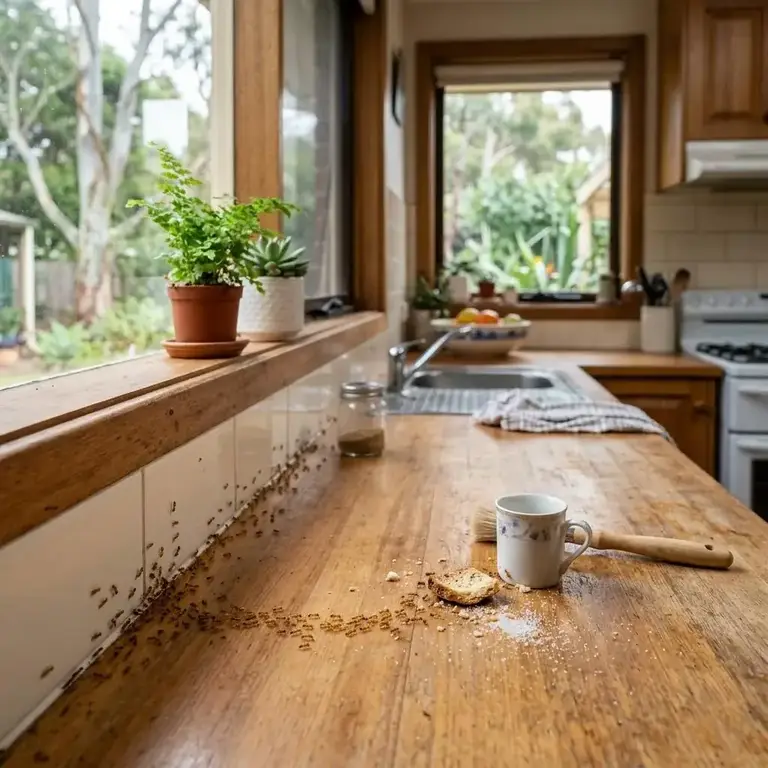
The clearest warning sign is a steady trail of very small, pale ants appearing day after day in the same warm, humid spots. Because nests are hidden, you are always seeing only a fraction of the colony.
- Persistent pale trails around sinks, kettles, dishwashers, pantry shelves and bathroom vanities.
- Ants emerging from fittings — behind skirting boards, power points, light fittings and appliance cavities.
- Activity in multiple rooms at once, which often indicates the colony has already budded into satellite nests.
- Year-round sightings in heated or air-conditioned buildings, with no winter die-off.
- Sudden increases after spraying, a classic sign the colony has split in response to repellent chemicals.
- Ants in food packaging or sterile storage, an urgent red flag in commercial kitchens and healthcare settings.
DIY vs Professional Treatment for Pharaoh Ants
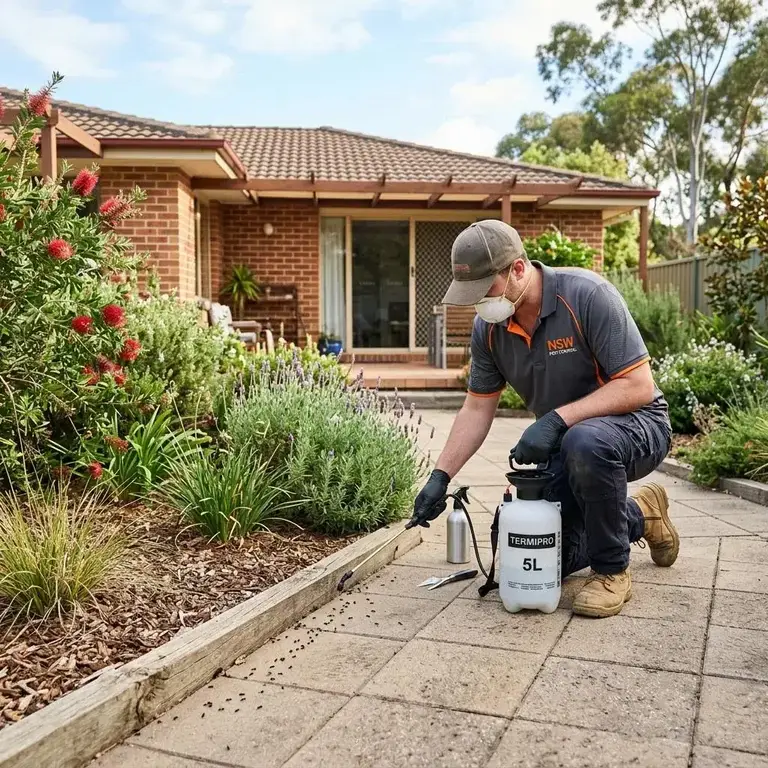
DIY hygiene steps genuinely help, but pharaoh ants are one pest where the treatment method matters more than effort. Repellent sprays and foggers kill only visible workers and trigger budding — hitting a trail with a supermarket aerosol does not kill the queens, it panics the colony into splitting, and one nest becomes three. Our article on ant control: why sprays often make the problem worse explains the behaviour in detail. Slow-acting gel baits are the industry standard because workers carry the active ingredient back to queens and brood — the catch being that pharaoh ants change their food preferences, so the wrong bait is ignored.
| Factor | DIY approach | Professional treatment |
|---|---|---|
| Method | Sprays, foggers, hardware-store baits; often wrong bait type | Slow-acting gel baits matched to current food preference |
| Effect on colony | Kills visible workers; triggers budding and spread | Active ingredient reaches queens and brood over weeks |
| Timeframe | Months of recurring activity | Typically 2–6 weeks with scheduled follow-ups |
| Strata/multi-unit | Unit-by-unit spraying pushes colonies between flats | Whole-of-building baiting programs |
| Typical cost (AUD) | $20–$80 in products, often repeatedly | $250–$600+ including follow-up visits |
Practical steps you can take that genuinely help: wipe benches and store food, including pet food, in sealed containers to remove competing food sources; fix leaking taps and reduce moisture around sinks, laundries and bathrooms; avoid spraying trails and instead note where ants are active so baits can be placed precisely; seal gaps around pipes, skirting boards and power points once treatment begins; and check groceries, boxes and second-hand appliances before bringing them inside, especially in multi-unit buildings. In strata buildings, whole-of-building baiting works best. For other household invaders, our Silverfish & Pantry Pest Control service covers stored-food pests with the same targeted approach.
Pharaoh Ant Treatment Costs in Australia (h)
Across the Australian market, professional pharaoh ant treatment typically costs between $250 and $600+ (AUD) for a residential property in 2025–26, with commercial and whole-of-building programs generally priced higher. The keyword to remember is program: pharaoh ant work almost always requires follow-up baiting visits, so one-off spray pricing is a false economy.
| Service | Typical cost (AUD) | What’s included/notes |
|---|---|---|
| Inspection & assessment | $0–$150 | Species confirmation, trail mapping, nest-site identification; some operators charge, others include it free |
| Residential baiting program | $250–$450 | Gel bait placement along active trails plus 1–2 follow-up visits |
| Large home / severe infestation | $450–$600+ | Multiple satellite nests, extended bait rotation over 4–8 weeks |
| Strata / whole-of-building | Quoted per building | Coordinated baiting across units to stop colonies shifting between flats |
| Commercial / healthcare | $80–$150 per month (ongoing) | Scheduled monitoring and baiting to meet food safety and health compliance |
For broader infestations involving other species — for instance, sugar ants alongside pharaoh ants — our Ant Control & Nest Treatment service and our Black House Ants: The Complete Control Guide cover the full picture of pest control options for Australian homes.
Those figures reflect what the industry generally charges — Aussie Pest Strike typically comes in well under these market rates while still delivering the full baiting program and follow-up visits pharaoh ants demand. For an exact quote on your property, give us a call on [aps_phone].
Seasonal Activity of Pharaoh Ants in Australia
Indoors, pharaoh ants are active all year because heated and air-conditioned buildings remove any real off-season. Outdoors and in unheated spaces, activity peaks from spring through autumn, especially in Queensland and coastal New South Wales.
Jan
Feb
Mar
Apr
May
Jun
Jul
Aug
Sep
Oct
Nov
Dec
Reported indoor sightings rise sharply from spring to a summer peak (Oct–Dec), when expanding colonies send workers further afield for food and water. Activity never drops to zero in heated buildings — the winter floor reflects baseline indoor breeding, not dormancy.
The biggest mistake we see is a homeowner hitting a pharaoh ant trail with a supermarket spray. By the time they call us, one nest has budded into three or four, and the job takes twice as long. If you leave the trails alone and let us bait precisely where they’re feeding, we can collapse the whole colony — queens included — in a matter of weeks.
Do not spray. Wipe down surfaces, seal food, note exactly where trails appear, and book a professional baiting program with licensed technicians. Chemical treatments should always be applied by licensed pest control technicians in line with APVMA-approved label directions. In apartments and commercial premises, push for a coordinated whole-of-building program — it is the only approach that stops colonies shifting from room to room.
Frequently Asked Questions
What do pharaoh ants look like and how big are they?
Pharaoh ants (Monomorium pharaonis) are very small, pale yellow ants with a darker-tipped abdomen. Workers measure just 1.5 to 2 mm long, while queens reach about 4 mm. They are often confused with ghost ants or big-headed ants, so close inspection or professional identification is worthwhile before starting any treatment.
Why does spraying pharaoh ant trails make an infestation worse?
Pharaoh ant colonies spread by budding, meaning a disturbed nest splits into several new nests. Repellent aerosol sprays and foggers kill only the visible workers, not the queens, and panic the colony into splitting — so one nest can quickly become three or four. Avoiding sprays and using slow-acting gel baits instead is essential for lasting control.
Are pharaoh ants a health risk in homes and hospitals?
Yes. Pharaoh ants move between bins, drains and food preparation surfaces, and they have been recorded mechanically carrying bacteria such as Salmonella and Staphylococcus. In hospitals and aged care facilities they can contaminate sterile equipment and dressings, while in cafés and restaurants an infestation can put food safety compliance at risk under state health regulations.
How quickly can a pharaoh ant colony spread through a building?
Key signs include persistent trails of tiny pale ants around sinks, kettles, dishwashers, pantries and bathroom vanities; ants emerging from skirting boards, power points, light fittings and appliance cavities; activity in multiple rooms at once; year-round sightings in heated buildings; sudden increases after spraying; and ants found in food packaging or sterile storage.
Where do pharaoh ants nest inside buildings?
Pharaoh ants nest permanently indoors in warm, hidden voids such as wall cavities, ceilings and appliances. Heated and air-conditioned Australian homes, hospitals, cafés and offices let them breed all year round, so unlike outdoor species there is no winter die-off. A few pale workers on a bench usually signal a much larger colony behind the plasterboard.
Why are pharaoh ants so hard to eliminate once they move indoors?
Professional pharaoh ant treatment is usually quoted after an inspection, with pricing shaped by property size, infestation severity, and how many follow-up visits the colony requires. Because pharaoh ants bud into new colonies when disturbed, programs typically involve careful gel bait placement and repeated monitoring rather than a single spray, so quotes vary widely between providers and situations.
Why is whole-of-building baiting important in apartments and strata?
Pharaoh ant colonies spread by budding, so unit-by-unit spraying simply pushes colonies between flats rather than eliminating them. A coordinated whole-of-building baiting program treats all units together, stopping colonies from shifting from room to room. In multi-unit buildings this coordinated approach is considered the only reliable way to achieve lasting control.
What practical steps can I take myself against pharaoh ants?
Wipe benches and store food, including pet food, in sealed containers; fix leaking taps and reduce moisture around sinks, laundries and bathrooms; avoid spraying trails and instead note where ants are active so baits can be placed precisely; seal gaps around pipes and power points once treatment begins; and check groceries, boxes and second-hand appliances before bringing them inside.
How can Aussie Pest Strike help me tell pharaoh ants apart from other household ants?
Pharaoh ants are easily confused with ghost ants and big-headed ants, and choosing the wrong treatment can make things worse. Aussie Pest Strike technicians can confirm the species during an inspection, map active trails and identify nest sites, then match slow-acting gel baits to the colony's current food preference — the approach the article identifies as the industry standard.
What should I do next if I suspect pharaoh ants in my home?
The article's recommendation is clear: do not spray. Wipe down surfaces, seal food, record exactly where trails appear, and book a professional baiting program with licensed technicians. Aussie Pest Strike offers baiting programs with follow-up visits designed to collapse the colony, queens included, over several weeks — contact them for a quote suited to your property.
Sources & further reading
Found Something
Dangerous?
Don’t touch it. Don’t spray it. Keep kids and pets clear, take a photo from a safe distance, and call us — or book a free inspection and we’ll come to you.
02 7235 0050