Tick Repellentsfor Bushwalking:What Works
The most effective tick repellents for Australian bushwalking contain DEET, picaridin or oil of lemon eucalyptus, applied to exposed skin before you hit...
Tick repellents for bushwalking come down to three proven active ingredients — DEET, picaridin and oil of lemon eucalyptus — backed up by permethrin-treated clothing and disciplined body checks. If you’re asking “which repellent should i use on Australian trails?”, the short answer is: an APVMA-registered product containing 20–40 per cent DEET or around 20 per cent picaridin, applied to exposed skin before you enter tick habitat.
Here’s a clean definition: a tick repellent is a topical or fabric-applied product that deters ticks from attaching to skin or clothing, using active ingredients registered with the APVMA for use against biting arthropods. In Australia, where the paralysis tick causes more medically serious bites than any other tick, choosing the right repellent — and using it correctly — is one of the simplest ways to protect yourself on the track. This guide covers what works, what it costs, when tick season peaks, and when a home tick problem needs professional pest control.
- DEET (20–40%), picaridin (~20%) and oil of lemon eucalyptus are the three repellent actives with proven performance on Australian trails.
- Permethrin is for clothing and gear only — never skin — and kills ticks on contact across several washes.
- The paralysis tick is most active from August to February along the eastern seaboard; plan repellent use around that window.
- Technique matters: apply 20 minutes before exposure, wear light-coloured long clothing, and do a full-body check within two hours of finishing.
- Ticks in the backyard are a different problem — long grass, leaf litter and bandicoots often require professional treatment.
Why Tick Repellents Matter for Australian Bushwalking
Ticks are a genuine health risk on Australian trails because two species — the paralysis tick and the bush tick — are widespread, aggressive and capable of transmitting disease or triggering allergy. Bushwalking puts you directly in their habitat: moist gullies, leaf litter, long grass and overhanging vegetation along the coast and ranges.
Australia has more than 70 tick species, but the paralysis tick (Ixodes holocyclus) is the one walkers fear most. It ranges along the eastern seaboard from far north Queensland to eastern Victoria, thriving in the humid coastal bush that overlaps our most popular walking country. The Australian bush tick (Haemaphysalis longicornis) favours moist gullies and grassy clearings and readily attaches to humans and pets.
Bites can transmit Queensland tick typhus, cause significant local reactions, and trigger mammalian meat allergy — a life-changing condition linked to tick bites. In young children and pets, paralysis tick envenomation can be far more serious. Prevention on the track is straightforward and cheap; treatment after the fact is neither.
Warning Signs You’re in Tick Habitat — and That You’ve Been Bitten
You can often predict tick risk by reading the terrain, and early signs of attachment are subtle but recognisable if you know what to look for. Use this checklist before, during and after a walk.
- Dense, moist vegetation: wet sclerophyll forest, rainforest edges, lantana thickets and ferny gullies are prime paralysis tick country.
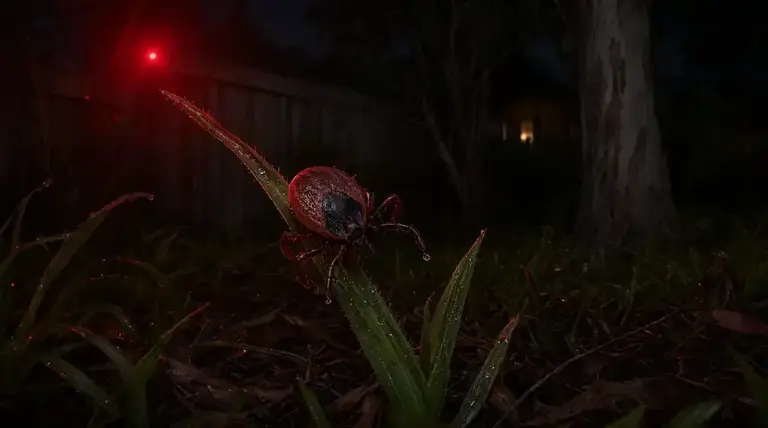
- Long grass and leaf litter: bush ticks quest from grass stems and low shrubs, latching onto legs as you brush past.
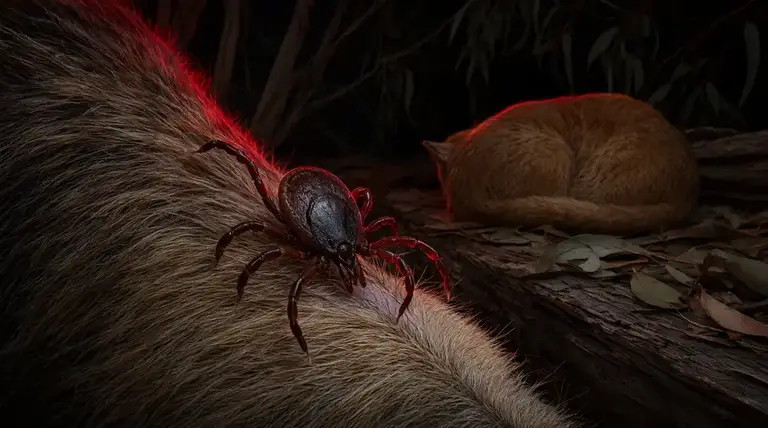
- Bandicoot or wallaby sign: diggings, droppings and animal trails mean tick hosts are active in the area.
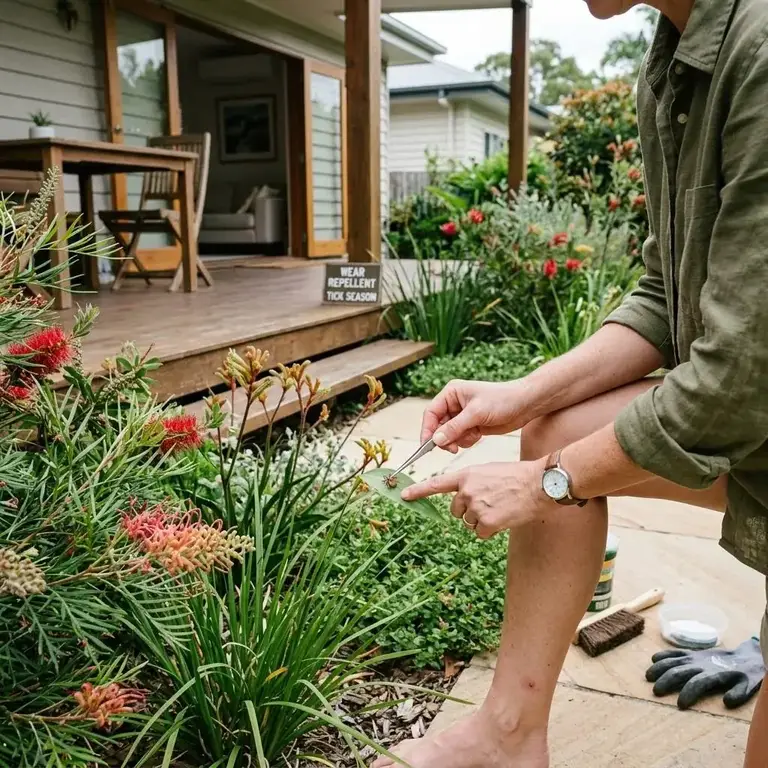
- A small dark speck that won’t brush off: attached ticks look like a sesame seed to a small pea, often behind the ears, on the scalp, in armpits, the groin or behind knees.
- Itching, redness or a raised lump: local reactions can start within hours; a spreading rash or flu-like symptoms in the days after a walk warrant a doctor’s visit.
Tick Repellents That Actually Work
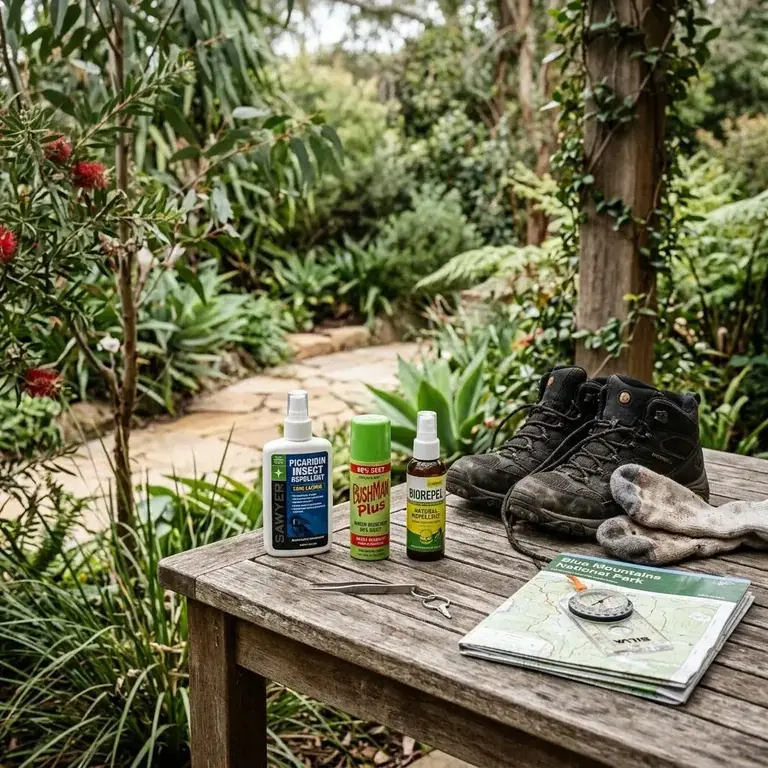
The three repellent actives worth your money are DEET, picaridin and oil of lemon eucalyptus — all available in APVMA-registered products at Australian chemists and outdoor stores. Check the active ingredient and concentration on the label before you buy, because performance varies widely between products.
DEET
DEET remains the gold standard. Concentrations of 20 to 40 per cent give four to eight hours of protection, and heavy-duty tropical formulations suit multi-day walks in Queensland and the Top End. Apply sparingly to exposed skin, avoiding eyes, lips and broken skin, and keep it off synthetic fabrics and plastics, which it can damage.
Picaridin
Picaridin at around 20 per cent performs comparably to DEET, feels lighter on the skin and won’t harm synthetic fabrics or plastics the way DEET can. It suits families and anyone who dislikes the greasy feel of older repellents.
Oil of Lemon Eucalyptus
If you prefer a plant-derived option, oil of lemon eucalyptus (PMD) gives solid protection for a few hours per application. It needs more frequent reapplication and isn’t recommended for children under three.
Permethrin for Clothing and Gear
Permethrin treats clothing and gear only—never skin—and kills ticks on contact through several washes. Spray boots, gaiters, socks, trousers and tents, let them dry fully, then pair with picaridin or DEET on exposed skin. For Blue Mountains or Daintree weekends, I’d pack permethrin-treated gaiters and trousers plus skin repellent.
How to Use Repellents Effectively on the Track
Technique matters as much as product choice — even the best repellent fails if it’s applied late, too thinly or never reapplied. Follow these field rules:
- Apply repellent to all exposed skin 20 minutes before entering tick habitat, and reapply as the label directs.
- Wear light-coloured, long-sleeved shirts and long trousers, with pants tucked into socks, so ticks are easier to spot.
- Stick to formed tracks and avoid brushing against overhanging vegetation, leaf litter and long grass.
- Treat boots, gaiters and packs with permethrin at least a day before your trip.
- Pack fine-tipped tweezers or an ether-based tick freeze spray in your first aid kit.
Do a full-body tick check as soon as you finish — especially the scalp, behind the ears, armpits, groin and backs of knees. Shower within two hours if you can, and tumble-dry clothes on high heat to kill hitchhikers. If you find an attached tick, follow the correct technique in our guide on how to remove a tick safely — freeze it with an ether spray or grip it with fine tweezers close to the skin and pull straight up.
DIY Repellents vs Professional Tick Control
Personal repellents protect you on the track, but they do nothing about ticks breeding in your backyard — that requires property treatment, which is where professional pest control comes in. Here’s how the two approaches compare.
| Factor | DIY repellents & prevention | Professional tick treatment |
|---|---|---|
| Purpose | Protect your body while bushwalking | Reduce tick populations around your home and yard |
| Products used | APVMA-registered DEET, picaridin, OLE; permethrin clothing sprays | Licensed-applicator residual sprays and yard treatments |
| Duration | Hours per application; clothing treatments last several washes | Weeks to months per treatment, depending on weather and habitat |
| Skill required | None — follow the label | Licensed technician recommended for chemical treatments |
| Best for | Walkers, campers, trail runners | Properties with long grass, leaf litter, bandicoots or repeat tick finds |
What Tick Protection Costs in Australia (2025–26)
Across the Australian market, personal repellents are inexpensive — the industry typically sells them for under $30 per product — while professional yard treatments on an average suburban block generally run to a few hundred dollars at standard market rates. The typical industry ranges are below.
| Service / product | Typical market rate (AUD) | What’s included / notes |
|---|---|---|
| DEET or picaridin repellent (100–150 mL) | $12–$25 | Typical retail rate at a chemist or outdoor store; check APVMA registration |
| Permethrin clothing spray | $20–$35 | Typical market price; treats several garments and lasts multiple washes |
| Ether-based tick freeze spray | $15–$25 | Industry-standard shelf price; a first-aid kit essential for removing attached ticks |
| Professional yard tick treatment | $180–$450 | Typical industry rate; varies with block size, vegetation density and access |
| Ongoing seasonal treatment plan | $250–$600 per season | What the market generally charges for repeat visits through peak tick months |
One important point: Aussie Pest Strike typically comes in well under these typical market rates, so the figures above shouldn’t be read as our pricing. For an exact quote tailored to your property, give us a call on [aps_phone] — we’ll sort you out in no time.
When Are Ticks Most Active in Australia?
Tick activity peaks from late winter through summer, roughly August to February, when the paralysis tick’s adult and nymph stages are questing along the east coast. Activity dips in the cooler months but never fully stops in warm coastal regions — our guide to tick season in Australia breaks it down by region.
Jan
Feb
Mar
Apr
May
Jun
Jul
Aug
Sep
Oct
Nov
Dec
Typical paralysis tick activity along the eastern seaboard: lowest in mid-winter, ramping up from August and peaking through the humid months of October to January. Exact timing shifts with rainfall and temperature each season.
Most walkers we talk to do one thing well — they put repellent on their legs but forget their arms, neck and hairline, or they never reapply after a sweaty climb. Treat your clothing with permethrin the day before, carry a small bottle in your pack, and do a proper check at the car before you drive home. Those three habits stop the vast majority of tick problems we see.
Before any walk in tick country, apply an APVMA-registered repellent with 20–40% DEET or ~20% picaridin to exposed skin, treat boots, gaiters and trousers with permethrin, and wear light-coloured long clothing with pants tucked into socks. Check your whole body within two hours of finishing. If ticks are showing up in your yard — not just on the trail — book professional tick control for homes and yards rather than relying on repellents alone.
Frequently Asked Questions
Which tick repellent works best for bushwalking in Australia?
The three proven active ingredients are DEET, picaridin and oil of lemon eucalyptus. For Australian trails, an APVMA-registered product containing 20–40 per cent DEET or around 20 per cent picaridin applied to exposed skin before entering tick habitat is the recommended choice. Check the active ingredient and concentration on the label before buying, as performance varies widely between products.
How long does DEET protect against ticks while walking?
DEET concentrations of 20 to 40 per cent give four to eight hours of protection against ticks. Heavy-duty tropical formulations suit multi-day walks in Queensland and the Top End. Apply it sparingly to exposed skin only, avoiding eyes, lips and broken skin, and keep it away from synthetic fabrics and plastics, which DEET can damage.
Is picaridin as effective as DEET for ticks?
Yes — picaridin at around 20 per cent performs comparably to DEET against ticks. It feels lighter on the skin, doesn't have the greasy feel of older repellents, and won't harm synthetic fabrics or plastics the way DEET can. These qualities make it a good option for families and anyone who dislikes DEET's texture.
Can oil of lemon eucalyptus be used as a tick repellent?
Oil of lemon eucalyptus (PMD) is a plant-derived option that gives solid protection for a few hours per application. It needs more frequent reapplication than DEET or picaridin, so plan to top up during longer walks. It isn't recommended for children under three years of age.
Can permethrin be applied directly to skin?
No — permethrin is for clothing and gear only, never skin. Spray boots, gaiters, socks, trousers and tents, then let them dry fully before wearing. Treated garments kill ticks on contact through several washes. Pair permethrin-treated clothing with a skin repellent such as picaridin or DEET on exposed skin for best protection.
What time of day are ticks most likely to latch onto bushwalkers?
Tick activity peaks from late winter through summer, roughly August to February, when paralysis tick adults and nymphs are questing along the east coast. The paralysis tick ranges from far north Queensland to eastern Victoria. Activity dips in cooler months but never fully stops in warm coastal regions, so repellent use should be planned around that peak window.
Where should I check my body for ticks after a walk?
Do a full-body tick check as soon as you finish walking, focusing on the scalp, behind the ears, armpits, groin and backs of knees. Attached ticks look like a sesame seed to a small pea. Shower within two hours if you can, and tumble-dry clothes on high heat to kill any hitchhikers.
What should I do if I find an attached tick?
Freeze the tick with an ether-based tick freeze spray, or grip it with fine-tipped tweezers close to the skin and pull straight up. Pack tweezers or an ether spray in your first aid kit before heading out. If you develop a spreading rash or flu-like symptoms in the days after a walk, see a doctor.
What information should I provide when booking Aussie Pest Strike for backyard tick treatment?
When contacting Aussie Pest Strike about backyard ticks, describe your property's conditions: long grass, leaf litter, dense vegetation, and signs of host animals such as bandicoot diggings, droppings or animal trails. Note how often you've found ticks and where they were discovered. This helps the technician assess habitat and recommend appropriate treatment for your block.
Personal repellents aren't stopping ticks in my yard — what next?
Personal repellents like DEET and picaridin protect your body on the track but do nothing about ticks breeding around your home. Long grass, leaf litter and bandicoot activity usually require property treatment by a licensed technician. Contact Aussie Pest Strike to arrange a quote tailored to your block size, vegetation density and access.
Found Something
Dangerous?
Don’t touch it. Don’t spray it. Keep kids and pets clear, take a photo from a safe distance, and call us — or book a free inspection and we’ll come to you.
02 7235 0050