Tick Seasonin Australia: Whenand Where
Tick season in Australia peaks spring to summer but lingers year-round on the coast. See our state-by-state guide and stay safe. Free quote available.
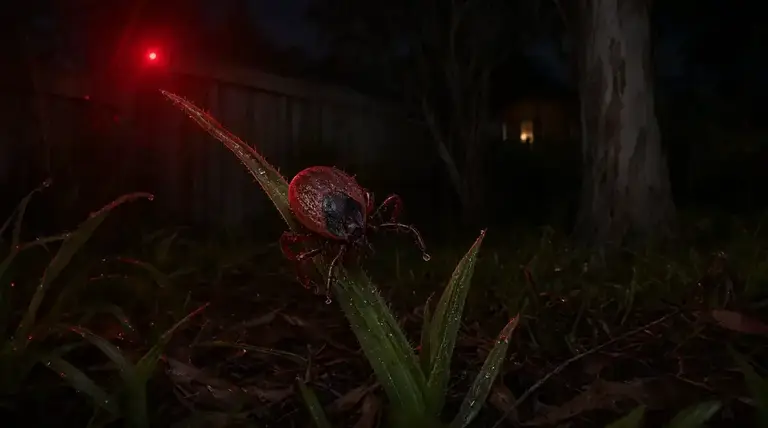
Tick season in Australia runs mainly from spring through summer — roughly September to February — when warmth and humidity are at their highest, though on the humid east coast ticks can be active almost year-round. Understanding when tick risk peaks i your region, and which life stage is active at any given time, is the first step in protecting your family and pets. The paralysis tick’s larvae, nymphs and adults peak at different times, so risk shifts across the calendar rather than switching off when cooler weather arrives.
Put simply, tick season in Australia is the period when warm, humid weather lets tick larvae, nymphs and adults quest for hosts — typically September to February, but effectively year-round along the eastern seaboard from north Queensland to eastern Victoria. This guide breaks down the season by region, explains why the weather drives tick activity, and shows you how to reduce the risk around your home.
- Tick season peaks from September to February across most of Australia, but the humid east coast carries risk almost year-round.
- Larvae peak in late summer and autumn, nymphs in winter and spring, and adults in spring and early summer — the staggered lifecycle keeps pressure on.
- Coastal Queensland and NSW have the highest paralysis tick pressure; drier inland and southern regions have far shorter windows.
- Habitat reduction (short grass, cleared leaf litter, low moisture) plus professional yard treatment offers the best protection at home.
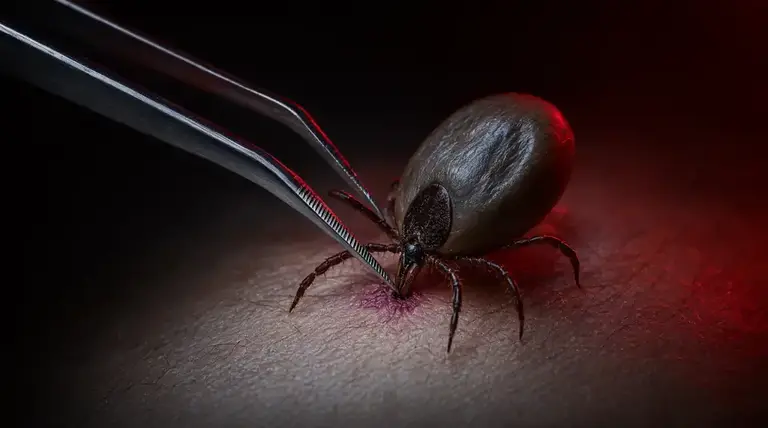
- Learn the correct removal method before tick season starts — never squeeze or irritate an attached tick.
Why tick season follows the weather i Australia
Tick season follows weather rather than fixed calendar dates because ticks depend on humidity to survive — warmth and rainfall above roughly 60% humidity are what let them quest for hosts without drying out. That is why the eastern seaboard, from north Queensland down to eastern Victoria, carries the highest and longest tick season in the country, while drier inland and southern regions see far shorter windows.
Australian housing styles also shape exposure. Leafy suburban blocks backing onto bushland, Queenslanders with shaded subfloor areas that stay damp, and older brick veneer homes with established gardens all create the moist, sheltered microclimates ticks love. Even slab-on-ground homes in newer estates can sit near revegetated corridors where ticks thrive. In practical terms, the closer your yard is to bush, long grass or heavy ground cover, the more the local climate works in the tick’s favour.
The staggered lifecycle
Ticks stagger their life stages across the calendar, so larvae, nymphs, and adults each peak in different seasons. Nymphs surge in late spring, adults become active in fall and spring, and larvae appear in late summer. This overlapping cycle means coastal residents face some tick risk during nearly every month of the year.
- Larvae (“grass ticks”): the tiny six-legged stage, typically peaking in late summer and autumn.
- Nymphs: eight-legged and more active through winter and spring.
- Adults: the largest and most dangerous stage, generally peaking in spring and early summer.
The adult stage of the paralysis tick is the most medically significant. For a full breakdown of identification, habitat and symptoms, read our guide to the paralysis tick: Australia’s most dangerous tick.
Warning signs: how to tell ticks are active on your property
Ticks are small and secretive, so most infestations reveal themselves through bites, pet symptoms and habitat clues rather than sightings. Watch for these signs during the warmer months:
- Itchy bites or small attached lumps on family members after time in the yard, especially around the scalp, behind ears, armpits and groin.
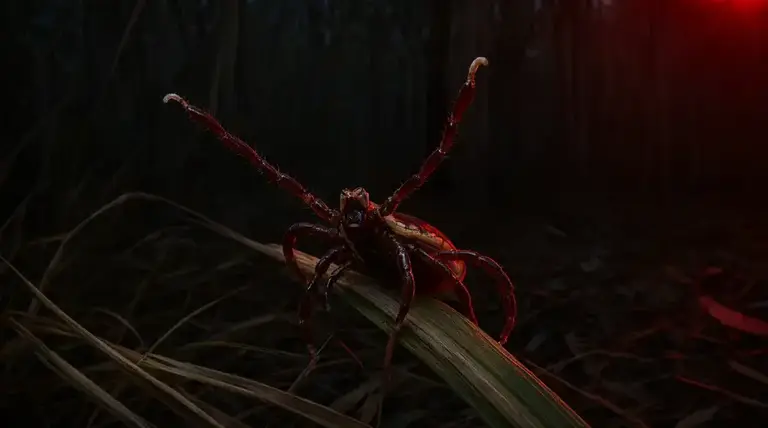
- Clusters of tiny “grass ticks” on ankles and lower legs after walking through lawn or garden beds — a sign larvae are questing.
- Pets scratching, licking or showing lumps along the neck, ears and under the collar; in severe cases, wobbly hind legs or a changed bark or meow can signal tick paralysis.
- Moist, shaded habitat around the home: long grass, deep leaf litter, dense ground covers and damp subfloor areas.
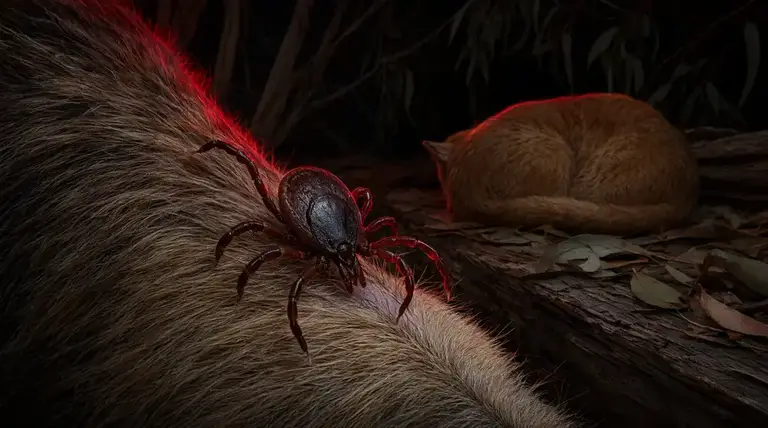
- Wildlife traffic such as bandicoots, possums and bush turkeys crossing the yard, which commonly carry ticks into suburban gardens.
- Recurring ticks despite tidying, which usually points to a neighbouring bushland source that needs professional treatment.
If any of these sound familiar, act early in the season. Our dedicated tick control for homes & yards service targets harbourage areas where ticks live and breed.
DIY vs professional tick control
DIY measures — mowing, leaf litter removal, repellents and pet preventatives — genuinely reduce risk, but they rarely control an established tick population on their own. Professional pest control combines habitat assessment with licensed-applicator treatments that reach harbourage areas DIY products miss.
| Factor | DIY approach | Professional treatment |
|---|---|---|
| Upfront cost | Low ($20–$80 for repellents and garden products) | Moderate (typically $180–$450 per treatment) |
| Effectiveness | Reduces exposure but limited residual control | Targets harbourage with longer-lasting protection |
| Coverage | Lawns and obvious areas only | Garden beds, leaf litter, subfloor, fence lines and bushland edges |
| Safety | Retail products vary; label compliance essential | APVMA-registered products applied by licensed technicians |
| Best for | Low-risk properties and prevention | Bushland-adjacent homes, recurring ticks, pet owners |
Tick control costs in Australia (2025–26)
Across the Australian pest control industry, professional tick treatments generally range from around $180 to $450 per visit, depending on block size, severity and whether the service is bundled with a general pest treatment. The table below shows typical market rates charged across the industry — your actual quote will depend on your property.
| Service | Typical market rate (AUD) | What’s included / notes |
|---|---|---|
| Inspection and risk assessment | Free–$120 | Harbourage mapping, habitat advice, treatment plan |
| Standard yard tick treatment | $180–$320 | Lawn, garden beds, fence lines; average suburban block |
| Large or bushland-adjacent block | $300–$450+ | Extended coverage, buffer zones, follow-up visit |
| Bundled general pest + tick treatment | $280–$550 | Combined seasonal spray; better value for most homes |
| Seasonal maintenance program | $150–$250 per visit | Two to three visits across spring–summer for high-risk areas |
These figures reflect what the industry generally charges as of 2025–26. Chemical treatments should always be applied by licensed technicians using APVMA-registered products — no treatment is 100% risk-free, and correct application matters for your family and pets.
Aussie Pest Strike typically comes in well under these market rates while still delivering licensed, thorough tick treatments. For an exact quote tailored to your property, give us a call on [aps_phone] today.
Tick activity by month: what to expect
Tick activity climbs sharply from September, peaks through late spring and summer, and tapers into autumn — though coastal Queensland and NSW never drop to zero. The chart below shows typical relative activity across a calendar year for the eastern seaboard.
Jan
Feb
Mar
Apr
May
Jun
Jul
Aug
Sep
Oct
Nov
Dec
Typical tick activity on Australia’s humid east coast: a steep rise from September, a November–January peak (adults plus emerging larvae), and low — but not zero — winter activity driven by nymphs.
Staying safe through the season
During peak months, take precautions whenever you enter grassy or bushy areas. Simple habits — protective clothing, repellent and routine body checks — dramatically cut your chances of an attached tick.
- Wear long sleeves and light-coloured clothing so ticks are easier to spot.
- Apply a repellent containing DEET or picaridin to skin and clothing.
- Check yourself, children and pets thoroughly after being outdoors, focusing on the scalp, behind ears, armpits and groin.
- Shower and put clothes through a hot dryer, which kills any ticks that have not yet attached.
- Stick to the centre of walking tracks and avoid brushing against roadside grass and overhanging shrubs where ticks quest.
These precautions matter most in the paralysis tick’s coastal stronghold, where warm, humid summers keep larvae and nymphs active for months. Even in a well-kept suburban yard, a single bushland walk i tick season can bring one home, so make body checks a routine between spring and late summer. Knowing how to react matters as much as prevention — read our step-by-step guide on how to remove a tick safely before you need it, and if you have dogs or cats, our article on ticks and pets: protecting dogs and cats covers preventatives and daily checks.
Reducing tick numbers at home
Since ticks thrive in the same warm, wet conditions that drive other summer pests, seasonal yard maintenance helps on several fronts. Keep grass short, clear leaf litter, trim dense ground covers and reduce moisture around the home — paying special attention to shaded subfloor spaces on Queenslanders and garden beds against brick veneer walls. Where ticks keep returning despite good hygiene, a licensed pest control technician can treat harbourage areas with residual products for season-long relief.
After years of treating properties along the east coast, I can tell you the worst tick problems are almost always within fifty metres of bushland or overgrown fence lines. Homeowners who treat in early spring — before the November peak — get through summer with far fewer issues than those who wait until the bites start. Timing is everything with ticks.
If you live within the paralysis tick’s coastal range, book a professional yard treatment in early September, keep grass and leaf litter under control year-round, maintain vet-recommended tick preventatives on pets, and run body checks after every bushwalk. Combine prevention with professional pest control for the strongest protection through the season.
Frequently Asked Questions
How long does tick season typically last across different parts of Australia?
Tick season in Australia runs mainly from spring through summer, roughly September to February, when warmth and humidity are highest. However, along the humid east coast from north Queensland to eastern Victoria, ticks can be active almost year-round. Risk shifts across the calendar because larvae, nymphs and adults each peak at different times, so cooler weather does not switch tick activity off entirely.
Which regions of Australia have the longest and worst tick season?
Coastal Queensland and New South Wales carry the highest paralysis tick pressure in the country, with risk extending almost all year due to warm, humid conditions. The eastern seaboard generally, from north Queensland down to eastern Victoria, has the longest season. Drier inland and southern regions see far shorter windows of tick activity because low humidity prevents ticks from questing for hosts.
When are tick larvae, nymphs and adults most active?
Each life stage peaks at a different time of year. Larvae, often called grass ticks, peak in late summer and autumn. Nymphs are more active through winter and spring. Adults, the largest and most medically significant stage of the paralysis tick, generally peak in spring and early summer. This staggered lifecycle means coastal residents face some level of tick risk during nearly every month.
Why does weather drive tick season rather than fixed calendar dates?
Ticks depend on humidity to survive. Warmth and rainfall keeping humidity above roughly 60 per cent allow ticks to quest for hosts without drying out. That is why the humid eastern seaboard has the highest and longest tick season, while drier inland and southern areas have much shorter windows. Local conditions such as shaded subfloors and damp gardens can also create microclimates ticks favour.
What are the warning signs that ticks are active on my property?
Look for itchy bites or small attached lumps after time in the yard, especially on the scalp, behind ears, armpits and groin. Clusters of tiny grass ticks on ankles suggest questing larvae. Pets may scratch, lick or show lumps near the neck and ears, and wobbly hind legs or a changed bark or meow can signal tick paralysis. Long grass, leaf litter, damp subfloor areas and wildlife traffic are habitat clues.
How can I protect myself during tick season?
Wear long sleeves and light-coloured clothing so ticks are easier to spot, and apply a repellent containing DEET or picaridin to skin and clothing. Check yourself, children and pets thoroughly after being outdoors, focusing on the scalp, behind ears, armpits and groin. Shower and put clothes through a hot dryer to kill unattached ticks, stick to the centre of walking tracks, and avoid brushing against roadside grass.
Can I control ticks around my home myself, or do I need professional treatment?
DIY measures such as mowing, removing leaf litter, using repellents and pet preventatives genuinely reduce risk but rarely control an established tick population on their own. Professional treatment combines habitat assessment with registered products applied by licensed technicians, targeting harbourage areas like garden beds, leaf litter, subfloor spaces, fence lines and bushland edges that DIY products often miss. Bushland-adjacent homes and properties with recurring ticks benefit most.
How do I reduce tick numbers in my yard?
Ticks thrive in warm, moist, sheltered conditions, so focus on habitat reduction. Keep grass short, clear leaf litter, trim dense ground covers and reduce moisture around the home, including damp subfloor areas common under Queenslanders and older homes. These steps make your yard less hospitable to ticks. For established populations or bushland-adjacent blocks, combining this maintenance with professional yard treatment offers the best protection.
How would Aussie Pest Strike assess the warning signs of ticks on my property?
A technician would start with an inspection and risk assessment, mapping harbourage areas where ticks live and breed. They would look for the habitat clues described in tick season: long grass, deep leaf litter, dense ground covers, damp subfloor areas and bushland edges, plus wildlife traffic such as bandicoots and possums carrying ticks into the yard. Recurring ticks despite tidying usually point to a neighbouring bushland source, which shapes where treatment is focused.
What should I do before tick season starts at my home?
Learn the correct tick removal method before the season begins, never squeezing or irritating an attached tick, and set up prevention habits for family members and pets. Then arrange a property inspection so harbourage areas can be identified early. Aussie Pest Strike provides inspections with harbourage mapping and habitat advice, and can tailor a seasonal treatment plan for high-risk yards, particularly those backing onto bushland or with pets.
Found Something
Dangerous?
Don’t touch it. Don’t spray it. Keep kids and pets clear, take a photo from a safe distance, and call us — or book a free inspection and we’ll come to you.
02 7235 0050