The ParalysisTick: Australia’s MostDangerous Tick
The paralysis tick is Australia's most dangerous tick, threatening pets and people. Learn to identify, remove and prevent it. Free inspection available.
The paralysis tick (Ixodes holocyclus) is a native Australian tick found along the humid eastern seaboard, and it is widely regarded as the country’s most medically significant tick species because its saliva carries a neurotoxin capable of causing progressive paralysis, severe allergic reactions and, in untreated pets, death. If you live anywhere from north Queensland to eastern Victoria, this is a pest your household needs to understand.
Unlike many nuisance pests, a paralysis tick problem is a genuine health issue for people and animals alike. Properties backing onto bushland, homes with resident bandicoots, and yards with long grass or deep leaf litter all carry elevated risk. This guide covers identification, the dangers, correct removal, yard prevention, realistic treatment costs and when to call in professional pest control.
- The paralysis tick (Ixodes holocyclus) is Australia’s most dangerous tick; its salivary toxin can paralyse pets and trigger serious allergic reactions in people.
- It lives within roughly 20 km of the east coast, from north Queensland to eastern Victoria, favouring humid bushland edges, long grass and leaf litter.
- Never squeeze an attached tick — freeze adult ticks with an ether-based spray and dab nymphs with permethrin cream before removal.
- Yard hygiene (short grass, cleared litter, gravel buffers, deterring bandicoots) sharply reduces tick habitat around your home.
- Professional tick treatments typically cost $180–$450 AUD for a standard residential yard in 2025-26, with severe infestations costing more.
Why the paralysis tick matters across Australia
The paralysis tick matters because it is the one Australian tick species whose bite can be life-threatening to pets and medically serious for people, and its range covers the most densely populated corridor in the country. From the tropical north of Queensland through coastal New South Wales to eastern Victoria, tens of millions of Australians live inside tick territory.
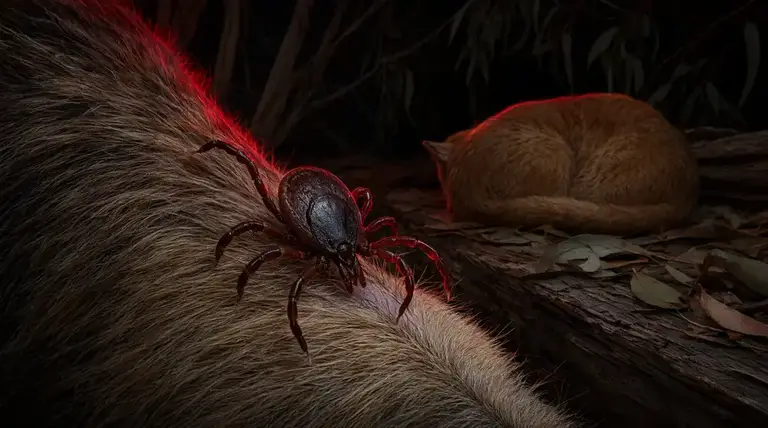
The risk is shaped by local climate and housing. The species is concentrated within about 20 km of the east coast, where rainfall and humidity support the moist microhabitats it needs. Queenslander-style homes on stumps with shaded, damp subfloor areas, older brick veneer houses with established gardens, and any property backing onto bushland or a creek corridor are classic high-risk settings. Bandicoots are the tick’s natural host, so suburbs where bandicoots, possums and other wildlife move through yards see the heaviest pressure. Slab-on-ground homes in newer estates are not immune either — a single overgrown fence line adjoining a reserve is enough to seed a yard with ticks each season.
Identifying a paralysis tick: warning signs to watch for
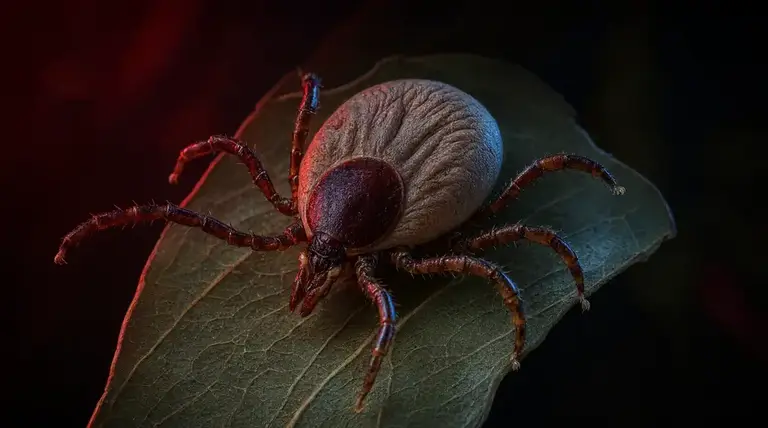
You can identify a paralysis tick by its leg pattern — legs clustered toward the front of the body, with the first and last pairs darker than the middle two — and by its dramatic size change when feeding. Unfed adults are roughly 3–4 mm, but a fully engorged female can swell to 10–13 mm and turn a pale blue-grey.
Check your family and pets after time outdoors, especially in the warmer months. Key warning signs include:
- A small grey or blue-grey lump attached firmly to skin, often behind the ears, in the hairline, along the collar line or between a pet’s toes.
- Legs bunched near the head end, with the outer pairs darker — the classic Ixodes holocyclus pattern visible under a magnifying glass.
- A wobbly gait, weakness or changed bark or meow in pets, which can progress to hind-limb paralysis and breathing difficulty as the toxin takes effect.
- Local redness, swelling or intense itching at the bite site in people, sometimes persisting for days after the tick is gone.
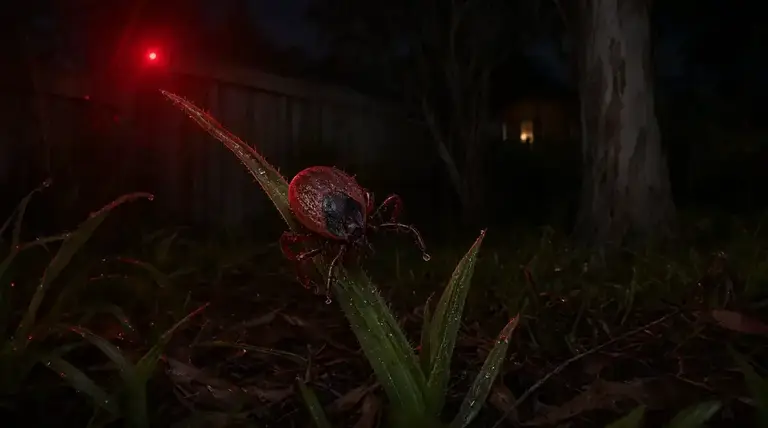
- Questing ticks on vegetation — ticks climb long grass and shrubs and wait with front legs extended to latch onto passing hosts.
- Bandicoot diggings (conical holes) in the lawn, signalling resident wildlife hosts that keep tick numbers high.
Our companion article on ticks and pets: protecting dogs and cats goes deeper on daily tick searches and preventative products for animals.
Why a paralysis tick bite is so dangerous
A paralysis tick bite is dangerous because the feeding female injects a salivary neurotoxin (holocyclotoxin) that progressively blocks nerve signals to muscles over several days. The longer the tick feeds, the more toxin enters the bloodstream.
In pets, poisoning typically begins with a wobbly back end and a changed bark or meow, then advances to hind-limb paralysis, difficulty swallowing and, in severe untreated cases, respiratory failure. In people, bites more often cause local reactions, but repeated exposure can trigger mammalian meat allergy (alpha-gal syndrome), a serious and sometimes lifelong allergy to red meat. Anaphylaxis to a tick bite, though uncommon, is a medical emergency — treat breathing trouble, swelling or collapse as a 000 call.
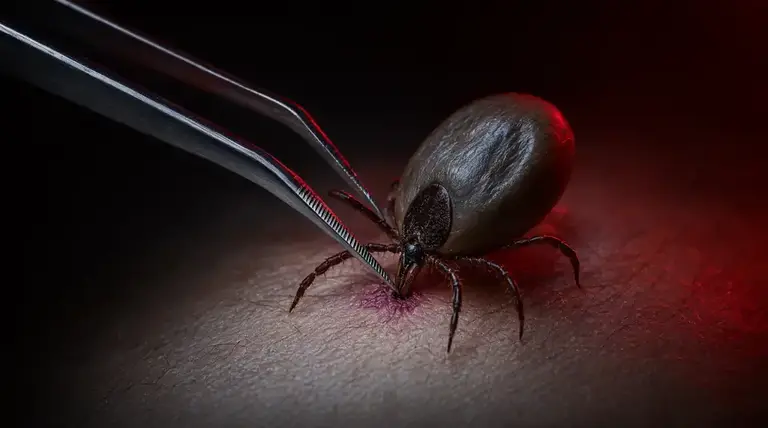
If you find an attached tick, do not scratch or grab it, because squeezing the body forces more saliva into the wound. Freeze adult ticks in place with an ether-containing spray and dab small nymphs with permethrin cream before removal. Follow the step-by-step method in our guide on how to remove a tick safely: the correct method, and keep our Australian bites and stings first aid guide bookmarked for the whole family.
DIY prevention vs professional pest control
DIY yard hygiene is an effective first line of defence for low-risk properties, but chemical treatment of tick habitat should be left to licensed technicians using APVMA-registered products. No treatment is 100% safe or guaranteed, and correct product selection, application rate and timing make a real difference to results.
| Factor | DIY approach | Professional treatment |
|---|---|---|
| Habitat reduction (mowing, litter removal, buffers) | Straightforward; do it weekly in season | Technician advises on priority zones |
| Chemical yard treatment | Not recommended; risk of misuse | APVMA-registered products applied by licensed technicians |
| Bushland-edge properties | Partial control only; reinvasion likely | Targeted barrier treatments along bush margins |
| Ongoing protection | Relies on owner diligence | Scheduled seasonal visits through peak months |
| Typical outlay | Time plus garden supplies | From around $180–$450 AUD per visit |
Tick treatment costs in Australia (2025-26)
Across the Australian pest control industry, professional tick control for a standard residential yard generally sits between $180 and $450 AUD in 2025-26, depending on block size, habitat severity and location. These are typical market rates charged by operators around the country — they vary between regions and providers, so treat them as a general industry guide rather than fixed quotes.
| Service | Typical market rate (AUD) | What’s included/notes |
|---|---|---|
| Inspection and risk assessment | $0–$120 (industry range) | Often free with treatment booking; identifies habitat and host activity |
| Standard yard tick treatment (up to ~600 m²) | $180–$300 (industry range) | Residual spray to lawn edges, garden beds, leaf litter zones |
| Large block / bushland margin treatment | $300–$450+ (industry range) | Extended barrier treatment along bush edges and fence lines |
| Seasonal program (2–3 visits) | $400–$850 (industry range) | Timed for spring–summer peak; best value for high-risk properties |
See our dedicated page on tick control for homes and yards for what a professional visit involves.
It’s worth noting that Aussie Pest Strike typically comes in well under these general market rates, so the figures above are a conservative benchmark. For an exact quote tailored to your property, give us a call on [aps_phone] and we’ll sort you out.
Paralysis tick season: month-by-month activity
Paralysis ticks are most active in the warmer, wetter months — typically late winter through summer on the east coast — but larvae, nymphs and adults peak at different times, so some risk persists almost year-round in humid regions. Adult ticks are most common from about August to February, while larvae peak in late summer and autumn.
Jan
Feb
Mar
Apr
May
Jun
Jul
Aug
Sep
Oct
Nov
Dec
Indicative paralysis tick activity along the east coast: risk climbs sharply from late winter, peaks through spring and summer, and dips in the cooler, drier months. Wet years extend the season.
Timing your prevention matters — our overview of tick season in Australia: when and where breaks down regional patterns. Mosquito-borne illnesses such as Ross River virus follow the same warm-weather curve, as covered in our Ross River virus guide for families.
Reducing tick habitat around your home
You cannot eliminate ticks entirely near bushland, but you can make your yard far less hospitable by removing the moist, shaded microhabitats they depend on. Consistent yard hygiene is the single most effective thing a homeowner can do between professional treatments.
Keep grass short, clear leaf litter from garden beds and fence lines, and create a mulch or gravel buffer between lawn and bush. Prune dense, shaded undergrowth, stack firewood off the ground and away from the house, and discourage bandicoots and other wildlife hosts from nesting close by — secure compost bins and avoid leaving pet food outside overnight. In Queenslanders, check shaded subfloor areas where pets rest; these cool, humid spots suit both ticks and the animals that carry them. Book a treatment in late winter, before the spring surge, for the strongest seasonal protection.
Most tick jobs we attend could have been halved with a tidy yard and one well-timed treatment in late winter. The properties that struggle are the ones where leaf litter builds up against the bush edge and bandicoots are basically living in the garden. Get the habitat right first, and the treatment does the rest.
If your property backs onto bushland, sits within 20 km of the east coast, or you have pets that roam the yard, combine weekly DIY habitat control with a professional tick treatment each spring. If anyone in the household has had a tick reaction — or a pet has suffered tick paralysis before — book a seasonal program rather than a one-off visit, and always use a licensed technician for chemical applications.
Frequently Asked Questions
What is the paralysis tick and why is it considered Australia's most dangerous tick?
The paralysis tick (Ixodes holocyclus) is a native Australian tick found along the humid eastern seaboard. It is regarded as the country's most medically significant tick because its saliva carries a neurotoxin, holocyclotoxin, that can cause progressive paralysis in pets, severe allergic reactions in people and, in untreated animals, death. Unlike nuisance pests, a paralysis tick problem is a genuine health issue for both households and animals.
Where in Australia are paralysis ticks found?
Paralysis ticks live within roughly 20 kilometres of Australia's east coast, from north Queensland through coastal New South Wales to eastern Victoria. They favour humid bushland edges, long grass and deep leaf litter. Properties backing onto bushland or creek corridors, homes with resident bandicoots, and yards with shaded, damp areas all carry elevated risk, though newer slab-on-ground estates near overgrown reserves are not immune.
How do I identify a paralysis tick on my family or pets?
Look for a small grey or blue-grey lump attached firmly to skin, often behind the ears, in the hairline, along the collar line or between a pet's toes. The legs cluster toward the front of the body, with the first and last pairs darker than the middle two. Unfed adults measure roughly 3–4 mm, but an engorged female can swell to 10–13 mm and turn pale blue-grey.
What are the warning signs of tick paralysis in pets?
Early signs include a wobbly gait, weakness and a changed bark or meow. As the toxin takes effect, these can progress to hind-limb paralysis, difficulty swallowing and breathing difficulty. In severe untreated cases, respiratory failure can occur. Because the neurotoxin builds up the longer the tick feeds, checking pets daily after time outdoors and removing ticks promptly is critical during the warmer months.
How should I safely remove an attached paralysis tick?
Never squeeze or grab an attached tick, because squeezing forces more saliva into the wound. Freeze adult ticks in place using an ether-containing spray before removal, and dab small nymphs with permethrin cream first. Do not scratch the site.
Can a paralysis tick bite cause long-term health problems in people?
In people, bites more often cause local reactions such as redness, swelling or intense itching, sometimes persisting for days after the tick is gone. However, repeated exposure to tick bites can trigger mammalian meat allergy (alpha-gal syndrome), a serious and sometimes lifelong allergy to red meat.
When is paralysis tick season in Australia?
Paralysis ticks are most active in warmer, wetter months, typically late winter through summer on the east coast. Adults are most common from about August to February, while larvae peak in late summer and autumn. Because larvae, nymphs and adults peak at different times, some risk persists almost year-round in humid regions, and wet years extend the season.
How can I reduce tick habitat around my home?
Keep grass short, clear leaf litter from garden beds and fence lines, and create a mulch or gravel buffer between lawn and bush. Prune dense, shaded undergrowth and deter bandicoots, which are the tick's natural host. While you cannot eliminate ticks entirely near bushland, consistent yard hygiene removes the moist, shaded microhabitats ticks depend on and is the most effective step between professional treatments.
Can I check whether Aussie Pest Strike services my area for paralysis tick problems?
Yes. Aussie Pest Strike handles tick treatments for residential yards, including properties backing onto bushland where paralysis tick pressure is highest. Availability depends on your location, so the simplest way to confirm coverage for your address is to get in touch directly. A representative can discuss your property's risk factors, such as nearby bushland or bandicoot activity, and arrange an inspection if needed.
What should I do next if I suspect paralysis ticks around my property?
Start with a careful check of family members and pets after time outdoors, and look for questing ticks on vegetation plus bandicoot diggings in the lawn. Then contact Aussie Pest Strike for advice tailored to your block. A technician can assess habitat severity, recommend targeted barrier treatments along bush margins or fence lines, and suggest a seasonal program timed for the spring–summer peak if your property is high risk.
Found Something
Dangerous?
Don’t touch it. Don’t spray it. Keep kids and pets clear, take a photo from a safe distance, and call us — or book a free inspection and we’ll come to you.
02 7235 0050