How to Removea Tick Safely:The Correct Method
How to Remove a Tick Safely — How to remove — Remove a tick — the safest tick removal method in Australia is to avoid disturbing the tick: for the dangerous...
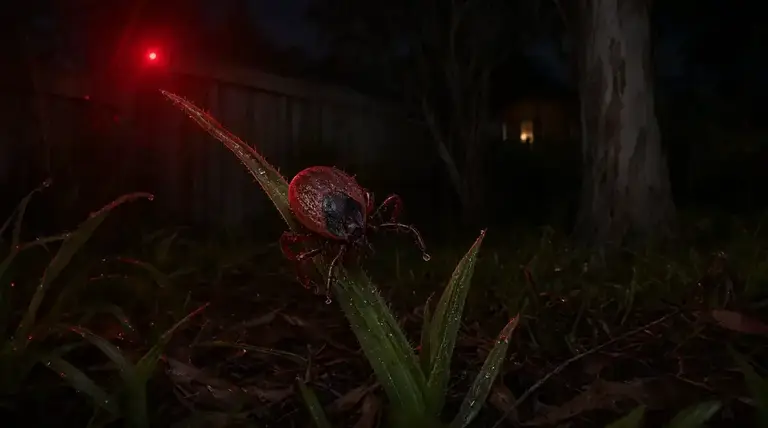
Finding a tick attached to your skin is unsettling, and the instinct to grab it and pull is exactly what current Australian medical advice warns against. Whether it’s a search like “i found a tick — what now?” or a discovery on a child or pet, knowing the correct tick removal method matters, because Australia is home to the paralysis tick (Ixodes holocyclus), one of the few ticks in the world capable of causing life-threatening allergic reactions and progressive paralysis.
Tick removal is the process of killing and detaching an embedded tick without squeezing its body, because squeezing forces allergen- and toxin-laden saliva into the wound. For adult paralysis ticks, Australian allergy authorities recommend freezing the tick in place with an ether-containing spray and letting it drop off on its own — a method summed up as “freeze it, don’t squeeze it.” This guide explains exactly how to do it, when to get medical help, and how to stop ticks from becoming a recurring problem around your home.
- Never pull, twist or squeeze a live paralysis tick — squeezing injects more saliva, worsening allergic reactions and raising the risk of anaphylaxis and mammalian meat allergy.
- Freeze adult ticks with an ether-containing spray from the pharmacy; dab permethrin-based cream on tiny larvae and nymphs.
- Breathing difficulty, facial swelling or collapse after a bite is a medical emergency — call 000 immediately.
- Keep a freezing spray in your first aid kit if you live within about 20 km of the east coast, where the paralysis tick is common.
- Recurring ticks in the yard need habitat treatment; licensed pest control technicians can treat safely around families and pets.
Why tick removal matters so much in Australia
Tick removal matters more in Australia than almost anywhere else because the eastern paralysis tick can trigger severe allergic reactions, including anaphylaxis, and its saliva carries a potent neurotoxin. The paralysis tick lives along the eastern seaboard — roughly from far north Queensland through New South Wales and into Victoria — and thrives in exactly the warm, humid, bushy conditions many Australians live alongside.
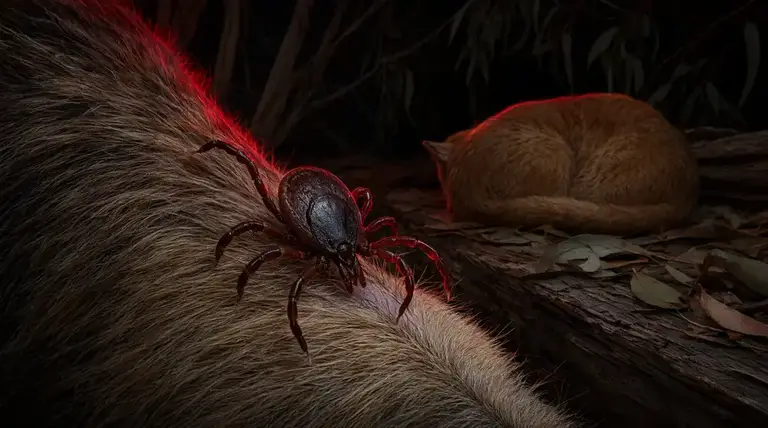
Australian housing plays a role too. Older Queenslanders with shaded subfloors, brick veneer homes backing onto bushland, and slab homes bordering long grass or leaf litter all sit close to tick habitat. Bandicoots, possums and bush turkeys move through suburban yards carrying ticks, dropping engorged females that lay thousands of eggs in moist garden beds. Add a wet spring and summer — the kind Queensland and northern NSW regularly get — and tick numbers explode right when families and pets spend the most time outdoors. Understanding the local picture starts with tick season in Australia — when and where activity peaks, and with knowing your enemy: our guide to the paralysis tick, Australia’s most dangerous tick, covers identification in detail.
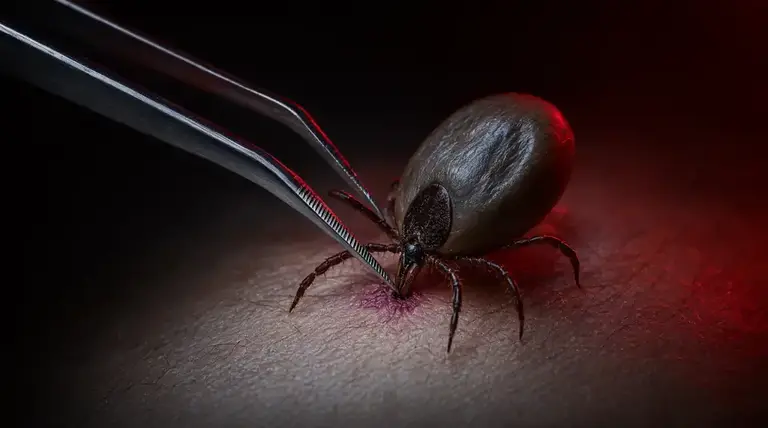
The older “grab and twist” advice persisted for decades, but Australian allergy specialists now warn that squeezing the body of a paralysis tick forces saliva — containing both neurotoxin and allergens — into the bite site. That single mistake is linked to worsening reactions, tick anaphylaxis and the development of mammalian meat allergy. The modern approach is simple: kill the tick where it sits, then let it detach naturally.
Warning signs of ticks in your home and yard
The clearest warning sign of a tick problem is finding attached ticks on people or pets more than once, because a single tick is often incidental but repeated finds point to breeding habitat nearby. Watch for these indicators around your property:
- Ticks attached to family members after time in the garden, especially around the hairline, ears, armpits and waistband.
- Repeated ticks on dogs or cats, even after using spot-on treatments — our article on ticks and pets: protecting dogs and cats explains prevention in detail.
- Wildlife traffic such as bandicoots, possums or bush turkeys moving through dense garden beds or under the house.
- Moist, shaded microhabitats — leaf litter, lantana, unmowed edges, damp mulch and shaded subfloor areas — which are classic paralysis tick breeding zones.
- Small “seed ticks” (larvae or nymphs) appearing in clusters on skin after walking through grass or scrub.
- A history of bites on the property in previous spring–summer seasons, since suitable habitat tends to produce ticks year after year.
If you tick off two or more of these, the yard itself is part of the problem and removal technique alone won’t solve it.
How to remove a tick safely, step by step
The safest way to remove a tick in Australia is to kill it in place without squeezing it, then allow it to detach on its own. Follow these steps exactly:
- Stay calm and do not scratch. Disturbing the tick increases saliva release into the wound.
- For adult ticks, freeze in place. Use an ether-containing freezing spray (sold at pharmacies for tick and wart removal) to kill the tick where it sits. Wait for it to drop off — do not pull.
- For small larvae and nymphs, use cream. Dab a permethrin-based cream on tiny ticks; they are too small to spray individually.
- Leave the mouthparts if they stay. A small remaining fragment is less harmful than gouging the skin to dig it out.
- Clean the area. Once the tick is dead and detached, wash with soap and water and apply antiseptic.
- Note the date and location. Record when and where the bite happened so you can tell a doctor if symptoms develop over the following days.
Keep an ether-containing freezing spray in the first aid kit if you live within about 20 km of the east coast. Having the right product on hand means you are not tempted to pull a tick out in a panic — which is exactly what current advice warns against.
What not to do when removing a tick
The worst thing you can do is irritate or squeeze a live tick, because a stressed tick injects more saliva. Avoid all of the following:
- Do not squeeze the body with fingers or blunt tweezers.
- Do not use methylated spirits, petrol, nail polish or a lit match — these irritate the tick and increase saliva injection.
- Do not twist or yank an embedded tick before it is dead.
DIY tick removal vs professional tick control
Removing an attached tick is a first-aid task you can and should do yourself with the freeze method, but stopping ticks from returning to your yard is a job best handled by a licensed pest control technician with APVMA-registered products. The two work together:
| Factor | DIY approach | Professional treatment |
|---|---|---|
| Best for | Single attached ticks; one-off encounters | Recurring ticks in the yard or on pets |
| Method | Ether freezing spray; permethrin cream for larvae | Habitat assessment plus targeted registered treatments |
| Cost | Roughly $10–$30 for pharmacy products | Typically $180–$450 per visit |
| Longevity | Solves the immediate bite only | Reduces population for weeks to months |
| Safety around kids & pets | Follow label directions carefully | Licensed technicians select and apply products correctly |
No chemical treatment can be described as 100% safe, which is why yard spraying should always be carried out by a licensed technician who can choose APVMA-registered products, apply them at label rates and advise on re-entry times for children and animals.
Tick control costs in Australia (2025–26)
Across the Australian pest control industry, professional tick control for a standard suburban block typically costs between $180 and $450 per visit in 2025–26, depending on block size, vegetation density and region. The going market rates generally look like this:
| Service | Typical cost (AUD) | What’s included/notes |
|---|---|---|
| Inspection & quote | $0–$90 | Habitat assessment, risk zones mapped; often free with treatment |
| Standard yard treatment | $180–$300 | Targeted spray of garden beds, lawn edges, leaf litter zones |
| Large/bushland block | $300–$450+ | Acreage or heavy vegetation; may include follow-up visit |
| Seasonal maintenance plan | $350–$700/yr | 2–3 treatments across spring and summer peak |
| DIY pharmacy products | $10–$30 | Ether freezing spray or permethrin cream for attached ticks |
Across the industry, market rates vary with access, block size and how much habitat modification is needed. A reputable tick control for homes and yards service starts with an inspection so you only pay for what your property actually needs.
Those figures are the typical market rates you’d expect to pay across Australia. Aussie Pest Strike typically comes in well under these rates while still delivering a thorough, targeted treatment — call [aps_phone] today for an exact quote tailored to your property.
Seasonal tick activity across Australia
Paralysis tick activity peaks from late winter through summer on the east coast, with adult ticks most numerous from about August to February and larvae peaking in autumn. In humid northern regions ticks can be active almost year-round, while southern areas see a sharper spring–summer spike:
Jan
Feb
Mar
Apr
May
Jun
Jul
Aug
Sep
Oct
Nov
Dec
Indicative paralysis tick activity on Australia’s east coast: adult numbers climb from late winter, peak through October–December, and stay high into late summer, with larvae most common in late summer and autumn.
When to seek medical help after a tick bite
A tick bite becomes a medical emergency the moment breathing, circulation or consciousness is affected. Treat any of the following as urgent and call 000: difficulty breathing, swelling of the face or throat, a fast or weak pulse, collapse, or a severe whole-body reaction. These signs suggest anaphylaxis.
Milder but important reasons to see a doctor include a spreading rash, flu-like symptoms in the days after a bite, unusual weakness or unsteadiness, or a bite on a child or someone with a known tick allergy. If you have a history of severe reactions, ask your GP about having ticks removed in a clinical setting. For bites from other creatures, keep our broader Australian bites and stings first aid guide and our spider bite first aid steps within easy reach.
“Most tick call-outs I attend start the same way — someone pulled a tick off with tweezers years ago, had a bad reaction, and now the whole family is anxious every spring. The freeze method takes the panic out of it, and treating the yard habitat takes the ticks out of the equation. Do both and you’ll barely think about ticks again.”
Buy an ether-containing freezing spray today and keep it in your first aid kit — it costs under $20 and could prevent a serious reaction. If ticks keep appearing on your family or pets, book a professional yard treatment before the October–December peak, and combine it with daily tick checks and vet-recommended pet prevention.
Frequently Asked Questions
What is the correct way to remove a tick in Australia?
The correct method is to kill the tick where it sits without squeezing it, then let it detach on its own. For adult ticks, use an ether-containing freezing spray from the pharmacy and wait for the tick to drop off. For tiny larvae or nymphs, dab on a permethrin-based cream instead, as they are too small to spray individually. Once the tick is dead and detached, wash the area with soap and water and apply antiseptic.
Why should I never pull, twist or squeeze a tick?
Squeezing or disturbing a live paralysis tick forces it to inject more saliva into the wound, and that saliva contains both a neurotoxin and allergens. Australian allergy specialists link this mistake to worsening reactions, tick anaphylaxis and the development of mammalian meat allergy. The older grab-and-twist advice persisted for decades but is now specifically warned against, which is why current guidance is to freeze the tick rather than squeeze it.
What should I do if mouthparts stay in my skin after the tick drops off?
Leave them alone. A small remaining fragment of mouthparts is less harmful than gouging at your skin to dig it out, so do not try to dig the fragment free. Once the tick is dead and detached, clean the area with soap and water and apply antiseptic. Note the date and location of the bite so you can tell a doctor if any symptoms develop over the following days.
Which household items should I never use to remove a tick?
Do not use methylated spirits, petrol, nail polish or a lit match on an attached tick. These substances irritate the tick and cause it to inject more saliva, which worsens allergic reactions. You should also avoid squeezing the body with fingers or blunt tweezers, and avoid twisting or yanking the tick before it is dead. The only recommended approach is killing it in place with an ether-containing spray or permethrin cream.
When is a tick bite a health emergency?
Australia's paralysis tick can trigger life-threatening reactions including anaphylaxis, and its saliva carries a potent neurotoxin capable of causing progressive paralysis. Because symptoms can develop after the bite, record when and where it happened so you can inform a doctor if problems appear over the following days.
Where should I keep a tick freezing spray, and why?
If you live within about 20 km of the east coast, where the paralysis tick is common, keep an ether-containing freezing spray in your first aid kit. Having the right product on hand means you are not tempted to pull a tick out in a panic, which is exactly what current advice warns against. The sprays are sold at pharmacies for tick and wart removal, so they are easy to source before tick season peaks.
How do I know if my yard has a tick problem rather than just one-off bites?
Repeated finds point to breeding habitat nearby. Warning signs include ticks attaching to family members after time in the garden, repeated ticks on pets even with spot-on treatments, wildlife such as bandicoots, possums or bush turkeys moving through dense garden beds, moist shaded zones like leaf litter, lantana, damp mulch and subfloors, clusters of seed ticks after walking through grass, and a history of bites in previous spring–summer seasons. Two or more indicators suggest the yard itself is part of the problem.
Why does professional tick control work better than DIY for recurring ticks?
Removing an attached tick is first aid you should do yourself, but stopping ticks from returning requires treating the habitat that breeds them. A licensed pest control technician can assess your property, identify risk zones such as garden beds, lawn edges and leaf litter, and apply APVMA-registered products at label rates. DIY pharmacy products solve the immediate bite only, while targeted treatment reduces the tick population for weeks to months around families and pets.
Can Aussie Pest Strike help me tell the difference between a tick problem and another biting pest issue?
Yes. Repeated bites, seed-tick clusters and wildlife traffic can be confused with flea, mite or ant issues, and treating the wrong pest wastes time while ticks keep breeding. Aussie Pest Strike can inspect your garden beds, lawn edges, leaf litter and shaded subfloor areas to identify whether paralysis tick habitat is present, then map the risk zones on your block so any treatment targets the actual source rather than guessing at the cause.
What is the next step if I keep finding ticks in my yard every season?
Book a professional inspection. Suitable habitat tends to produce ticks year after year, so removal technique alone will not fix recurring finds. Aussie Pest Strike starts with a habitat assessment of your property to identify the moist, shaded breeding zones supporting the population, then recommends targeted registered treatments suited to your block size and vegetation. That gives you a clear picture of what your property actually needs before any spraying begins.
Found Something
Dangerous?
Don’t touch it. Don’t spray it. Keep kids and pets clear, take a photo from a safe distance, and call us — or book a free inspection and we’ll come to you.
02 7235 0050