Ticks andPets: Protecting Dogsand Cats
Ticks and pets — ticks on dogs and cats are a genuine emergency in eastern Australia, because a single paralysis tick can cause life-threatening paralysis...
Tick paralysis is one of the most serious threats facing Australian pets, and the question owners ask most — “how do i keep my dog or cat safe?” — deserves a straight answer. In eastern Australia, a single paralysis tick can cause life-threatening paralysis in a pet within just a few days, making ticks on dogs and cats a genuine emergency rather than a minor nuisance.
Ticks and pets are a dangerous combination because the paralysis tick injects a neurotoxin as it feeds, progressively weakening the animal until breathing itself can fail. Year-round tick prevention products, combined with daily searches during the warmer months, are the most reliable way to protect your animals. This guide covers how dangerous ticks really are, the warning signs to watch for, how to protect your pets, what to do if you find a tick, and how to reduce tick habitat around your home — no matter where in Australia you live.
- One paralysis tick (Ixodes holocyclus) can be fatal to a dog or cat within days — prevention is not optional in tick-prone areas.
- Year-round, APVMA-registered preventives plus daily coat searches in warmer months offer the strongest protection.
- Wobbliness, a changed bark or meow, vomiting and laboured breathing mean an emergency vet visit — don’t wait.
- Freeze adult ticks with an ether-containing spray rather than squeezing them, and keep searching for more.
- Yard treatment by a licensed pest control technician cuts the tick population your pets are exposed to.
Why ticks on dogs are a serious risk for Australian pets
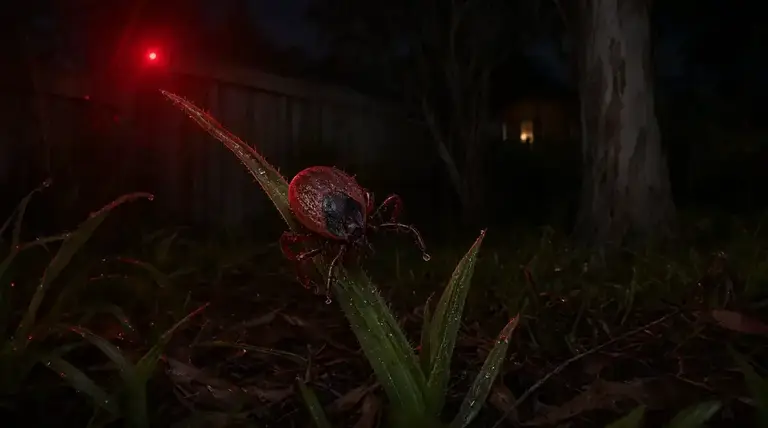
Ticks are a serious risk because the paralysis tick — the deadliest species — thrives along Australia’s eastern seaboard, and its toxin can kill an untreated pet. From coastal Queensland down through New South Wales and into Victoria, the combination of warm, humid weather, dense bushland and wildlife hosts such as bandicoots keeps tick populations high for much of the year.
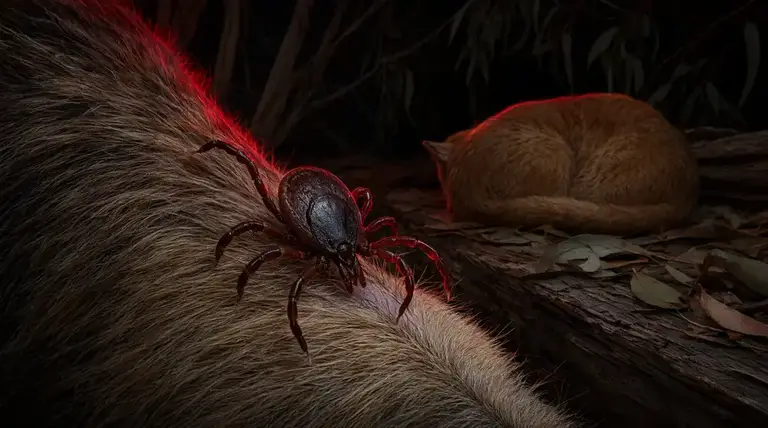
Australian housing styles also play a role. Homes backing onto bush corridors, properties with long grass and leaf litter, and subfloor spaces that stay cool and damp all create ideal tick habitat right where pets spend their time. Queenslanders with shaded under-house areas, and brick-veneer homes on bushland fringes, often sit close to the moist vegetation ticks need to survive between hosts. Pets that roam into grass, garden beds or scrubby edges pick ticks up easily — and because ticks often attach to the front half of the body, they can be hard to spot under a thick summer coat.
For a deeper look at the species behind the danger, read about the paralysis tick, Australia’s most dangerous tick, and how it differs from the bush ticks and brown dog ticks that also trouble pets.
Warning signs of tick paralysis in dogs and cats
The earliest signs of tick paralysis are subtle — a slightly wobbly back end or a strange-sounding voice — and they progress over one to several days as the toxin takes hold. Cats and dogs are affected similarly, and any of the following signs after possible tick exposure warrants an immediate vet visit. Do not wait to see if it passes.
- Wobbly back end: weakness, uncoordination or staggering in the hind legs, often the first sign owners notice.
- Changed voice: a hoarse, weakened or different-sounding bark or meow.
- Vomiting or gagging: retching, gagging or difficulty swallowing food and water.
- Laboured breathing: heavy, slow or effortful breathing, which signals advancing paralysis.
- Lethargy: reluctance to eat, drink, stand or move around as usual.
Because the toxin keeps circulating even after a tick is removed, a pet that looks “only a bit off” can deteriorate quickly. Treat any symptom as an emergency.
How i protect my dog or cat: DIY steps vs professional help
Protecting your pet combines vet-recommended products, daily physical searches and reducing tick habitat in your yard — owners handle the first two, while a licensed pest control technician handles the environmental treatment safely and effectively. The best results come from doing all three together.
DIY measures include APVMA-registered chewables, spot-ons and collars — always formulated for the correct species, because some dog products are toxic to cats — plus daily coat searches for ticks on dogs during tick season. Run your fingers through the coat checking the head, ears, neck, between the toes and under the tail, and keep coats trimmed in summer so ticks are easier to feel. Yard hygiene matters too: mow regularly, clear leaf litter and debris, and create a buffer between lawn and bushland to discourage wildlife hosts.
| Factor | DIY approach | Professional treatment |
|---|---|---|
| Pet protection | Chewables, spot-ons, collars, daily searches | Complements pet products by cutting environmental tick numbers |
| Yard treatment | Mowing, clearing litter, trimming vegetation | Licensed application of APVMA-registered products to tick habitat |
| Chemical safety | Off-the-shelf yard sprays vary in effectiveness | Technician selects and applies products per label directions, safe re-entry advice given |
| Coverage | Easy to miss harborage zones like subfloors and garden beds | Full property assessment identifies all tick hotspots |
| Ongoing results | Requires constant upkeep | Seasonal treatment plans matched to local tick pressure |
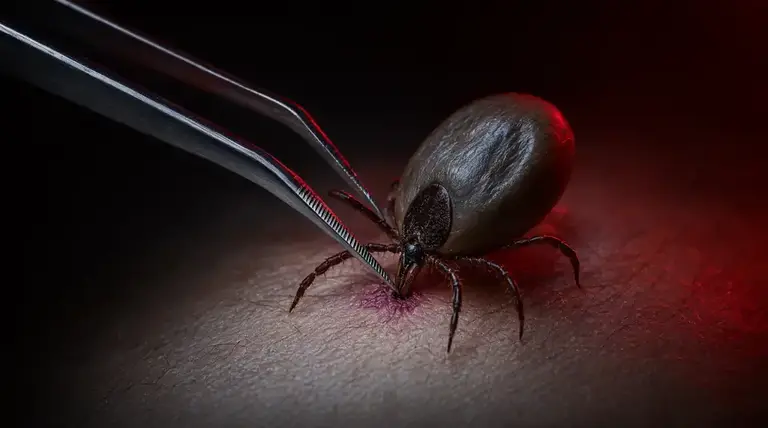
If you do find an attached tick, the removal method matters. For adult ticks, freeze it with an ether-containing spray rather than squeezing or pulling, which can inject more toxin — our guide on how to remove a tick safely walks through the correct method step by step. Keep searching afterwards, because pets often carry more than one tick, and remember ticks can hitch a ride indoors on clothing and bedding. Ticks can hitchhike indoors too, so the vigilance in our flea treatment guide for pets, home and yard applies just as much to ticks.
What tick protection and treatment costs in Australia (2025–26)
Budget for two streams of cost: vet products for the pet itself, and professional yard treatment for the environment. The figures below are typical Australian market rates — what the industry generally charges for 2025–26. Actual market pricing depends on property size, location and tick pressure.
| Service | Typical Australian market rate (AUD) | What’s included / notes |
|---|---|---|
| Tick preventive (chewable, spot-on or collar) | $60–$180 per course (typical market rate) | Vet-supplied, APVMA-registered; species-specific; typically 1–3 months per dose |
| Emergency vet treatment for tick paralysis | $1,500–$5,000+ (typical market rate) | Tick antiserum, hospitalisation, monitoring; severe cases cost more |
| Professional yard tick treatment | $180–$450 per visit (typical market rate) | Inspection plus licensed application to lawns, garden beds, subfloor and bush edges |
| Seasonal treatment plan (2–3 visits) | $400–$900 per season (typical market rate) | Timed to peak tick activity; covers spring through autumn in most regions |
Compared with the typical market cost of emergency paralysis treatment — or losing a pet — prevention and yard control are modest investments. See our dedicated page on tick control for homes & yards for what’s involved in a professional service.
Here’s the good news: Aussie Pest Strike typically comes in well under these typical Australian market rates, so you’re likely to pay less than the figures above. Call [aps_phone] for an exact, no-obligation quote for your property.
When ticks are most active across Australia
Paralysis tick activity peaks from late winter through summer along the east coast, but in warm, humid northern regions ticks can be active nearly all year — which is why vets recommend year-round prevention rather than a seasonal-only approach. The chart below shows typical relative activity by month.
Jan
Feb
Mar
Apr
May
Jun
Jul
Aug
Sep
Oct
Nov
Dec
Typical paralysis tick activity peaks from August through December along the eastern seaboard, with a smaller summer tail; northern coastal areas may see elevated activity year-round.
For regional detail on timing your prevention, see our overview of tick season in Australia: when and where.
“The callouts that stick with me are the ones where a family did everything right on the pet but nothing in the yard. You can have the best chewable on the market and still have a lawn full of ticks waiting on the grass seed heads. Treat the animal and the environment together, and the risk drops dramatically.”
Start with a vet-recommended, APVMA-registered preventive matched to your pet’s species and keep it going all year. Add daily coat searches from August through summer, tidy the yard, and book a professional tick treatment before the September–November peak. If your pet ever shows wobbliness, a changed voice, vomiting or laboured breathing, go straight to an emergency vet — every hour counts.
Frequently Asked Questions
How dangerous is a single paralysis tick to my dog or cat?
Extremely dangerous. The paralysis tick (Ixodes holocyclus) injects a neurotoxin as it feeds, and in eastern Australia one tick can cause life-threatening paralysis in a pet within just a few days. As the toxin takes hold, the animal weakens progressively until breathing itself can fail. This is why ticks on dogs and cats are treated as an emergency rather than a minor nuisance, and why prevention is considered essential in tick-prone areas.
How quickly can tick paralysis symptoms progress once they appear in my pet?
The earliest signs are subtle: a wobbly back end with weakness or staggering in the hind legs, and a changed voice such as a hoarse or different-sounding bark or meow. These progress over one to several days to vomiting or gagging, laboured breathing, and lethargy or reluctance to eat, drink or move. Because the toxin keeps circulating even after a tick is removed, any of these signs warrants an immediate emergency vet visit — do not wait to see if it passes.
How do I search my pet for ticks properly?
Run your fingers through your pet's coat daily during the warmer months, checking the head, ears, neck, between the toes and under the tail, as ticks often attach to the front half of the body where they are hard to spot under a thick coat. Keeping coats trimmed in summer makes ticks easier to feel. If you find one attached tick, keep searching afterwards, because pets often carry more than one.
What should I do if I find an attached tick on my pet?
For adult ticks, freeze it with an ether-containing spray rather than squeezing or pulling it off, which can inject more toxin into your pet. Keep searching the coat afterwards because pets often carry multiple ticks, and remember that ticks can hitch a ride indoors on clothing and bedding. If your pet shows any signs of wobbliness, a changed voice, vomiting or laboured breathing, go straight to an emergency vet, as every hour counts.
Why must I use species-specific tick preventives for dogs and cats?
Because some dog products are toxic to cats. Tick preventives such as chewables, spot-ons and collars should be APVMA-registered and always formulated for the correct species, so never apply a dog product to a cat. Vets can recommend a preventive matched to your pet's species, and year-round use combined with daily coat searches offers the strongest protection against paralysis ticks.
When are paralysis ticks most active in Australia?
Paralysis tick activity peaks from late winter through summer along the east coast, typically from August through December with a smaller summer tail. In warm, humid northern coastal regions, ticks can be active nearly all year. This is why vets recommend year-round prevention rather than a seasonal-only approach, along with daily coat searches from August through summer in tick-prone areas.
What yard conditions attract ticks around Australian homes?
Ticks thrive where there is warm, humid weather, dense vegetation and wildlife hosts such as bandicoots. Homes backing onto bush corridors, properties with long grass and leaf litter, shaded subfloor spaces that stay cool and damp, and garden beds near bushland all create ideal habitat right where pets spend their time. Mowing regularly, clearing leaf litter and debris, trimming vegetation and creating a buffer between lawn and bushland helps reduce this risk.
How does professional yard treatment complement my pet's tick prevention?
Pet products protect the animal itself, but they don't reduce the number of ticks waiting in the environment. A licensed pest control technician applies APVMA-registered products to tick habitat such as lawns, garden beds, subfloors and bush edges, following label directions with safe re-entry advice given. A full property assessment identifies harborage zones that are easy to miss with DIY methods, and seasonal treatment plans can be timed to local tick pressure so both animal and environment are protected together.
Can Aussie Pest Strike help me tell whether my pet problem is ticks or something else like fleas?
Yes. Ticks and fleas are often confused because both affect pets and both can hitchhike indoors on clothing and bedding, but they behave differently and need different treatment approaches. An Aussie Pest Strike technician can inspect your yard, subfloor and bush edges to identify what is actually present, distinguish tick harbourage from flea activity, and explain which environmental treatment suits the situation alongside your vet-recommended pet preventive.
What is the practical next step if my property backs onto bushland and my pets keep picking up ticks?
Book a professional yard inspection before the September–November peak season. An Aussie Pest Strike technician will assess your whole property, identify tick hotspots such as long grass, leaf litter, garden beds and damp subfloor areas, and apply registered treatments to those zones while advising on yard hygiene like mowing and clearing debris. Combined with a vet-recommended preventive and daily coat searches, treating the environment closes the gap that pet products alone leave open.
Found Something
Dangerous?
Don’t touch it. Don’t spray it. Keep kids and pets clear, take a photo from a safe distance, and call us — or book a free inspection and we’ll come to you.
02 7235 0050