How Much DoesTermite TreatmentCost in Australia?
How much does — termite treatment cost in Australia typically ranges from around $2,500 to $5,000 for a full chemical barrier on an average home, with...
How much does termite treatment cost in Australia? For most homes in 2025-26, a full chemical soil barrier runs roughly $2,500 to $5,000, baiting and monitoring systems typically sit between $3,000 and $4,500, and a professional inspection costs about $250 to $450. The final figure depends on your home’s size, construction, soil type and the treatment method chosen — which is why an on-site quote is the only accurate number.
Termite treatment cost is the total price a licensed pest control technician charges to inspect, treat and protect a property against termites, usually quoted per linear metre of barrier or as a packaged baiting program. Because termite damage is almost never covered by Australian home insurance, understanding what you’ll pay — and what you’re paying for — matters before you sign anything. This guide breaks down real-world pricing, what drives it up or down, and how to spot a quote that’s cheap for the wrong reasons.
- A full chemical termite barrier on an average Australian home typically costs $2,500–$5,000; baiting systems run $3,000–$4,500.
- Annual Termite Inspections & Reports usually cost $250–$450 and are the cheapest protection you’ll ever buy.
- Price is driven by linear metres treated, construction type (slab vs subfloor), treatment method and whether an active colony needs eliminating first.
- Termite damage is almost never covered by home insurance — treatment is a fraction of the typical repair bill.
- Compare warranties, chemical lifespans and AS 3660 compliance, not just the bottom-line figure.
Why Termite Treatment Cost Matters So Much in Australia
Australia has some of the most termite-prone conditions on earth, and what the industry generally charges for treatment is small next to the cost of repair. Warm temperatures, high humidity across Queensland and northern NSW, and timber-heavy construction give subterranean species like Coptotermes acinaciformis — the country’s most destructive termite — ideal conditions for much of the year.
Housing style plays a big role in both risk and the typical Australian market rates you’ll see quoted. Older Queenslanders and weatherboard homes on stumps offer easy subfloor access for termites but also for technicians, which tends to moderate the labour component of typical industry pricing. Slab-on-ground brick veneer homes — the dominant style in newer estates from Perth to the Gold Coast — hide termite entry points behind the slab edge and often require drilling through tiles, pavers or concrete to install a barrier, so typical market rates for these jobs generally sit higher. In tropical regions, year-round pressure means barriers work harder and inspections matter more; in cooler southern states, activity slows in winter but never truly stops. Whatever your postcode, skipping protection is a gamble where the house always loses.
While the figures above reflect what the Australian pest control industry generally charges, Aussie Pest Strike typically comes in well under these market rates for the same quality of work. For an exact quote tailored to your property, call us on [aps_phone] today.
Warning Signs You May Already Need Treatment
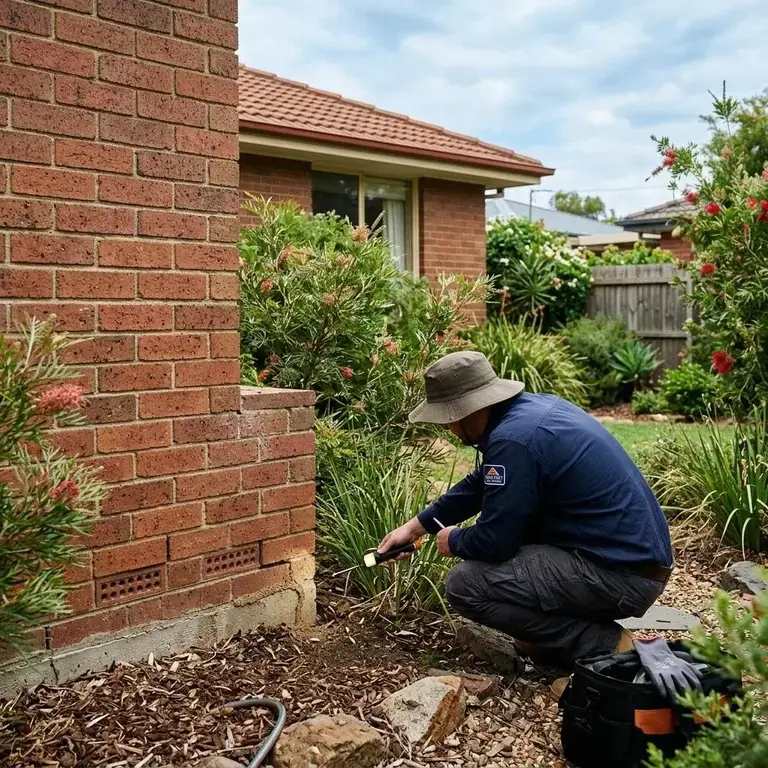
If you spot any of the signs below, the cost question shifts from “protection” to “elimination plus protection” — which is more expensive. Active infestations usually require a colony-elimination stage before any barrier goes in. For a deeper rundown, read our guide to the 10 Warning Signs of Termites in Australian Homes.
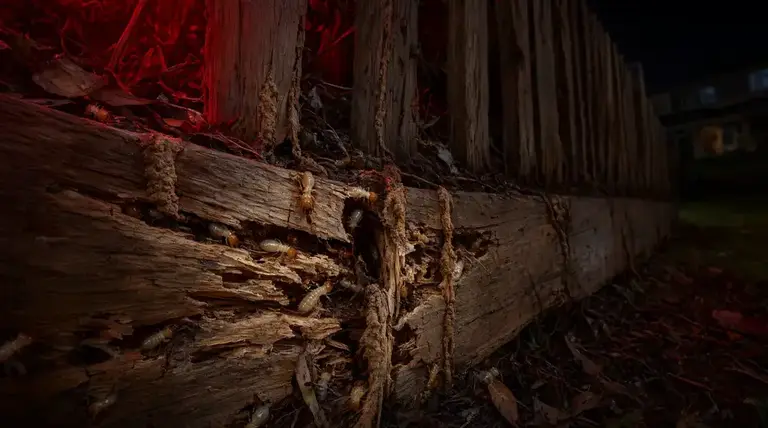
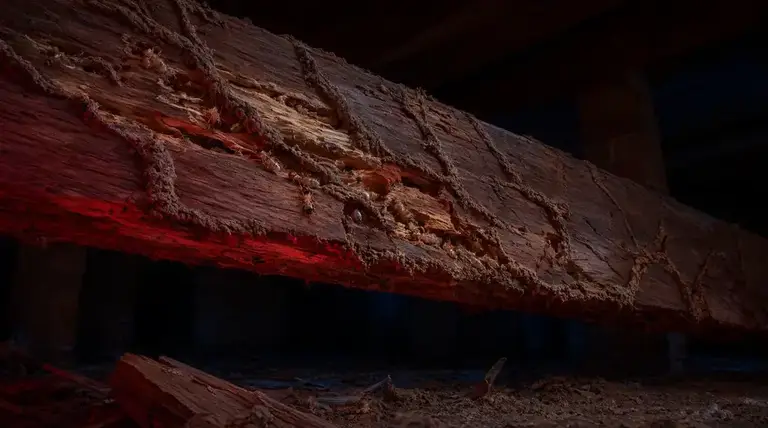
- Mud tubes — pencil-width earthen tunnels running up foundations, piers, walls or inside the subfloor.
- Hollow-sounding timber — skirting boards, door frames or floorboards that sound papery when tapped.
- Discarded wings — piles near windowsills or light fittings after a warm, humid evening, signalling a nearby nest.
- Tight doors and windows — frames warping as termites eat and introduce moisture into the timber.
- Bubbling or uneven paint — moisture damage under the surface that looks like water staining but isn’t.
- Soft or sagging floors — advanced structural damage that means the colony has been feeding for months or years.
Any one of these warrants an urgent inspection. Disturbing the area or spraying with supermarket insecticide often scatters the colony and makes professional treatment slower and dearer.
DIY vs Professional Termite Treatment
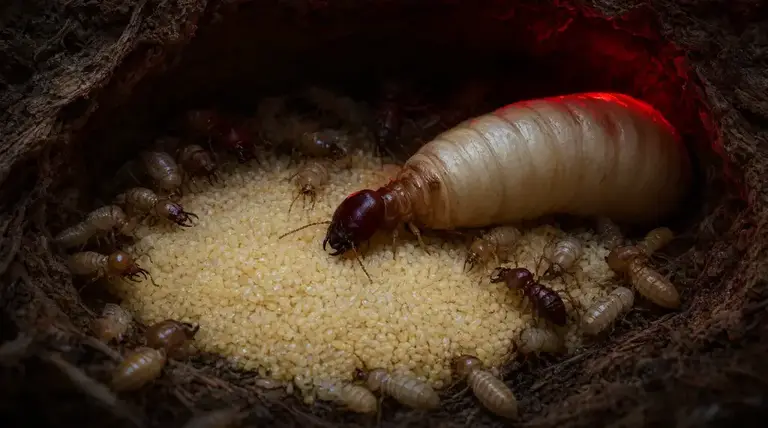
DIY termite treatment is rarely cheaper in the long run and is often ineffective against subterranean colonies. Over-the-counter sprays kill the termites you can see but leave the nest — sometimes housing hundreds of thousands of workers — untouched. Licensed technicians use APVMA-registered termiticides applied at regulated rates, with equipment to trench, drill and inject soil correctly, and their work is backed by warranties and Australian Standard AS 3660 compliance.
| Factor | DIY approach | Licensed professional |
|---|---|---|
| Upfront cost | $50–$300 in products | $2,500–$5,000 for a full barrier |
| Colony elimination | Unlikely — surface kill only | Targeted with transfer-effect termiticides or baiting |
| Chemical access | Consumer-grade products only | APVMA-registered professional termiticides, applied by licensed technicians |
| Warranty | None | Typically multi-year, conditional on annual inspections |
| Risk if it fails | Full repair bill, no recourse | Warranty claim and re-treatment pathways |
Termite Treatment Cost in Australia: 2025-26 Price Guide
The table below shows typical industry ranges for common termite services across Australia. These are budgeting figures, not fixed quotes — your actual termite treatment cost will be set by an on-site assessment of your property.
| Service | Typical cost (AUD) | What’s included/notes |
|---|---|---|
| Termite inspection | $250–$450 | Full internal, external, roof void and subfloor check with a written report — see Termite Inspection: What It Includes and Why It Matters |
| Chemical soil barrier | $2,500–$5,000 | Trenching/drilling and termiticide application around the full perimeter, priced per linear metre |
| Baiting/monitoring system | $3,000–$4,500 | In-ground stations installed and monitored, with ongoing service visits |
| Localised spot treatment | $300–$700 | Treatment of a single active area; rarely sufficient on its own |
Several factors move your quote within — or beyond — these ranges:
- Linear metres — barriers are priced by the perimeter and internal area treated, so larger homes cost more.
- Construction type — slab-on-ground, subfloor access and paving all affect labour; concrete cutting or drilling adds cost.
- Treatment method — chemical barrier, baiting system or a combination of both, as explained in our guide to Termite Treatment & Barrier Systems.
- Severity — an active infestation may need a colony-elimination stage before the protective barrier goes in.
A chemical barrier is usually the larger one-off outlay but delivers immediate, whole-of-home protection that lasts for years. A baiting system often has a lower entry cost but involves ongoing station checks, so total spend evens out over time with a lower-chemical footprint. Neither is universally cheaper — soil type, construction and any active infestation determine the right fit, which is why understanding what a termite barrier is and how it protects your home helps you compare quotes properly. For context, the average termite repair bill in Australia runs into the thousands and is rarely covered by insurance, making treatment a fraction of the cost of doing nothing. You can also see how termite work fits the wider market in our general pest control cost guide.
When Are Termites Most Active in Australia?
Termites are active year-round in Australia, but visible swarming and feeding pressure peak through the warmer, wetter months. Alates (winged reproductives) typically take flight on warm, humid evenings from late spring through summer, while colony foraging slows — but never stops — in the cooler southern winter.
Jan
Feb
Mar
Apr
May
Jun
Jul
Aug
Sep
Oct
Nov
Dec
Indicative termite activity across Australia: peaks through the humid months from October to March, easing over winter in southern states but remaining elevated year-round in Queensland and the Top End.
The practical takeaway: the best time to book treatment or a barrier is before the spring build-up, not after you find swarmers in December. Inspections booked in autumn or early spring often mean shorter wait times and a home that’s protected before peak pressure hits.
“The most expensive termite job is the one done twice. I’d rather a customer pay properly once for a full perimeter barrier with a solid warranty than save a few hundred dollars on a partial treatment that leaves a gap the colony finds within a year. Get the inspection first — every honest quote starts there.”
Start with a professional inspection, then compare at least two itemised quotes. Check the termiticide used and its expected lifespan, warranty length, whether follow-up inspections are included, and that the work complies with Australian Standard AS 3660. Treat any quote well below the market range with caution — ask in writing exactly what is and isn’t included. A slightly higher upfront termite treatment cost with a strong warranty almost always beats the cheapest quote over time.
Termite Treatment Cost: Frequently Asked Questions
Is termite treatment cost covered by home insurance?
No — termite treatment and termite damage are almost never covered by standard Australian home insurance policies. Insurers classify termite activity as preventable through regular inspections and maintenance, so the full cost of treatment and any structural repairs falls on the homeowner.
Why do termite quotes vary so much between companies?
Termite quotes vary widely because they depend on property size, construction type, treatment method, chemical quality and warranty length. Two quotes may cover very different scopes of work — one may exclude internal areas or follow-up visits — so always compare itemised inclusions, not just the bottom-line figure.
How much does an annual termite inspection cost in Australia?
An annual termite inspection in Australia typically costs between about $250 and $450, depending on property size and access. Annual inspections are usually a condition of keeping your treatment warranty valid, and they catch new activity early — before it becomes a costly structural repair.
Want an accurate price for pest control at your home, not a rough estimate? Aussie Pest Strike provides a free on-site inspection and a clear, itemised quote with no hidden extras — covering inspection findings, treatment options, warranties and exactly what’s included. Call Aussie Pest Strike on [aps_phone] to book your free inspection today and protect your home before the next swarming season hits.
Sources & further reading
Found Something
Dangerous?
Don’t touch it. Don’t spray it. Keep kids and pets clear, take a photo from a safe distance, and call us — or book a free inspection and we’ll come to you.
02 7235 0050