Subterranean Termites inAustralia: Species,Behaviour and Risk
Subterranean Termites in Australia — Subterranean termites in — Subterranean termites are the most destructive timber pests in Australia, nesting...
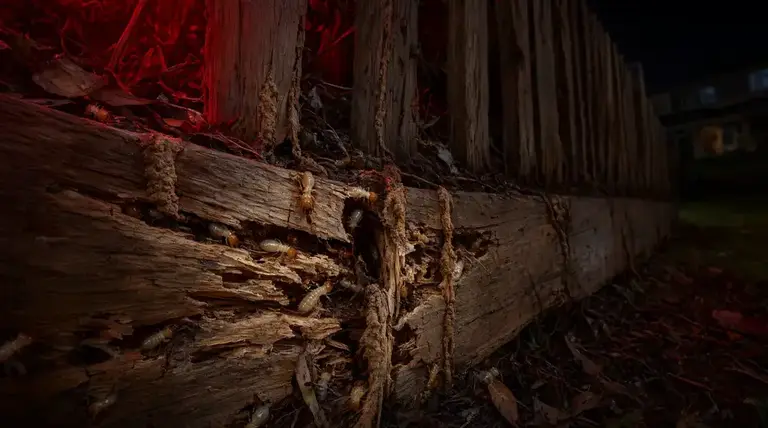
Subterranean termites are the most destructive timber pests in Australia, nesting underground and tunnelling up into homes to feed on structural wood. They cause more damage to Australian houses each year than fire, floods and storms combined — and because they work silently behind walls, most owners never see them until the damage is already extensive.
Put simply, subterranean termites are soil-dwelling termites that must maintain contact with ground moisture, building mud tubes to reach timber inside buildings. Whether you own a brick veneer in Melbourne, a post-war Queenslander in Brisbane or a slab-on-ground home in Perth, understanding how these pests behave — and what puts your property at risk — is the first step toward protecting it.
- Subterranean termites nest in soil and travel through mud tubes, sometimes foraging 50–100 metres from the colony.
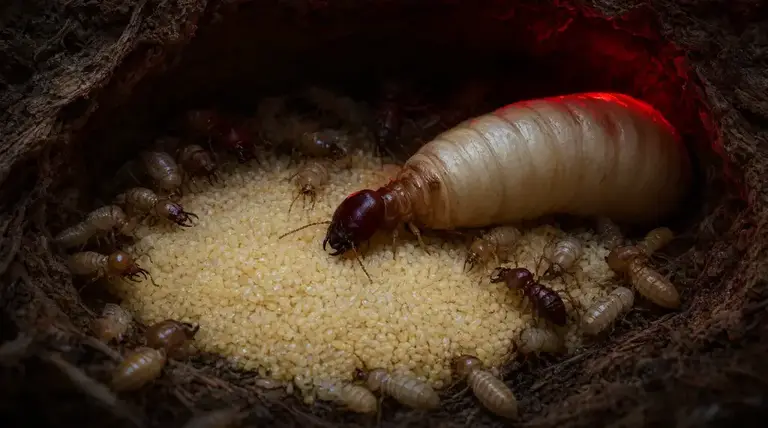
- A mature nest can hold several hundred thousand to over a million individuals, so untreated activity escalates fast.
- Industry estimates suggest roughly one in three Australian homes will experience some termite activity in its lifetime.
- Never break open mud tubes or spray a visible trail — disturbance makes professional treatment harder.
- Annual inspections and a compliant termite barrier are the most reliable long-term protection.
Why Subterranean Termites Are Australia’s Biggest Timber Pest
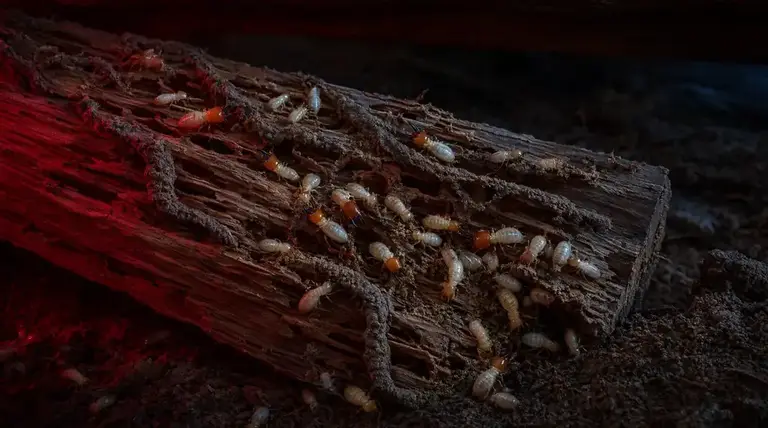
Subterranean termites dominate Australian pest risk because our climate and housing stock suit them perfectly. Unlike drywood termites, they need constant moisture and contact with the soil, so they build central nests below ground and travel through pencil-thin mud tubes to reach a food source — sometimes foraging up to 50–100 metres from the colony.
Warm, humid conditions across Queensland, northern NSW and coastal Western Australia create year-round pressure, while even temperate southern cities see heavy activity through spring and summer. Common Australian construction styles add to the exposure. Slab-on-ground homes can be entered through cracks and penetrations in the slab; homes with a subfloor offer cool, damp, dark voids that termites love; and older Queenslanders on stumps provide direct timber-to-ground pathways if ant capping has failed.
Everyday maintenance habits matter too. Garden beds built up over weep holes, mulch piled against brickwork, leaking taps, hot-water overflows discharging beside the footing and firewood stacked on the ground all create the moisture and concealed access subterranean termites need. Reducing these attractants is a core part of any sensible pest control plan.
The species that matter most
- Coptotermes acinaciformis — the single most economically damaging termite in the country, active from Perth to Sydney, and capable of hollowing structural timbers within months.
- Schedorhinotermes intermedius — common along the eastern seaboard and notoriously difficult to treat because of its cautious foraging behaviour.
- Nasutitermes species — often nesting in trees and fences, with distinctive “nose-shaped” soldiers.
- Mastotermes darwiniensis — the giant northern termite of tropical QLD and the NT, arguably the most aggressive termite in the world.
Warning Signs of Subterranean Termite Activity
The most reliable early clue is mud tubing — earthy tunnels about 5–8 mm wide running up brick piers, slab edges or inside wall cavities. Beyond that, use this checklist around your home, especially through spring and summer:
- Mud tubes — earthen tunnels on foundations, piers, slab edges or internal walls. Do not break them open.
- Hollow-sounding timber — skirting boards, door frames or floorboards that sound papery when tapped.
- Blistering or sagging paint — moisture and tunnelling behind the surface can distort paintwork.
- Jammed doors and windows — termite moisture warps frames so they stick or swell.
- Winged swarmers (alates) — in spring and early summer, reproductive termites leave the nest and shed their wings near windows and light fittings.
- Soft or crumbly timber — timber that collapses under light pressure from a screwdriver.
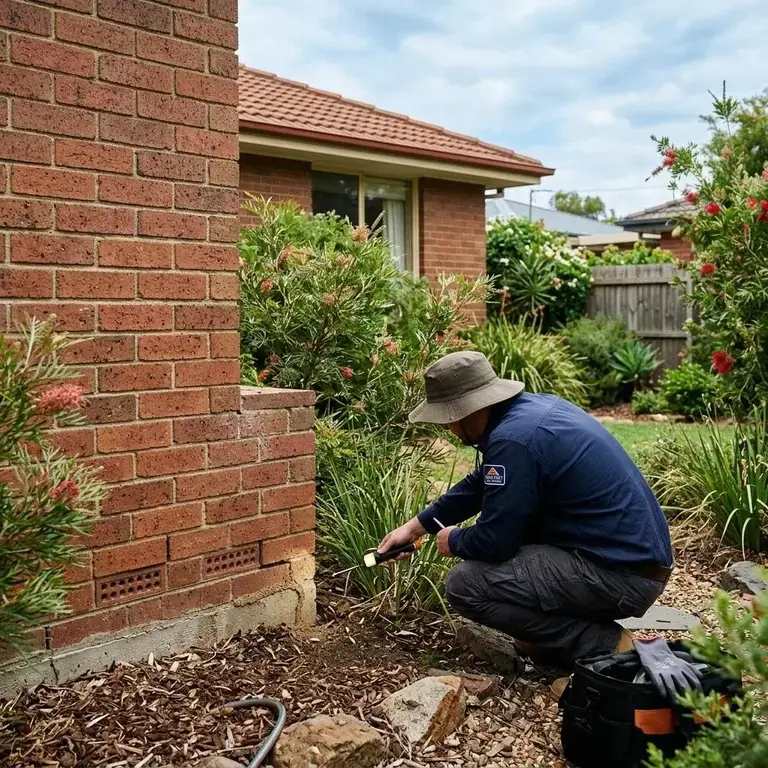
If you spot any of these, review the full list of warning signs of termites in Australian homes before disturbing anything. Breaking open tubes or spraying a visible trail usually causes the colony to retreat and re-route, which makes later treatment far harder. Leaving activity intact lets a technician install baits or a treated zone exactly where the termites are working.
DIY vs Professional Termite Management
DIY products can kill the termites you can see, but they almost never reach the underground nest — and that’s the whole problem. Colony elimination requires baiting systems or a professionally applied treated zone installed to Australian Standard AS 3660, which is licensed pest control work for good reason. Here’s how the two approaches compare:
| Factor | DIY approach | Professional treatment |
|---|---|---|
| Reaches the nest | Rarely — surface sprays only kill visible workers | Yes — baits and treated zones target the colony |
| Risk of disturbance | High — colony retreats and re-routes | Low — activity is used to deliver treatment |
| Standards compliance | None | Installed to AS 3660 by licensed technicians |
| Long-term protection | None — no residual barrier | Chemical zones and monitored baiting systems |
| Upfront cost | Low ($20–$100 in products) | Higher, but protects against five-figure repairs |
Chemical termiticides are regulated by the APVMA and should only be applied by licensed pest control technicians using approved products and methods. No treatment can honestly be called 100% guaranteed, which is why ongoing inspections remain part of every professional program.
What Does Termite Treatment Cost in Australia?
As a general 2025–26 guide to typical Australian market rates, the industry generally charges $250–$450 for a professional termite inspection, while full treatment and barrier installation across the market typically ranges from around $2,000 to $5,000 or more depending on the home. What the industry charges varies with house size, construction type (slab versus subfloor), soil conditions and the treatment method chosen.
| Service | Typical market rate (AUD) | What’s included/notes |
|---|---|---|
| Termite inspection & report | $250–$450 | Visual and moisture-metre inspection, written report, findings and recommendations |
| Spot treatment of active area | $300–$900 | Localised dusting or foaming; short-term control only |
| In-ground baiting system | $2,000–$3,500 (plus monitoring) | Stations installed around perimeter; ongoing monitoring visits |
| Chemical soil treated zone (barrier) | $2,500–$5,000+ | Trenching and treating around the full perimeter to AS 3660; drilling through slabs where required |
To understand exactly what these market rates are paying for, read our guide to what a termite inspection includes and why it matters, and see how a properly designed termite barrier protects your home over the long term. Our Termite Inspections & Reports and Termite Treatment & Barrier Systems pages outline our full service options.
Here’s the good news: Aussie Pest Strike typically comes in well under these market rates, without cutting corners on quality or compliance. For an exact quote tailored to your home, give us a call on [aps_phone] today.
Seasonal Activity: When Subterranean Termites Are Most Active
Subterranean termites are active all year, but pressure peaks in the warmer, wetter months from October through March. Spring and early summer bring swarming flights of winged reproductives, while winter sees slower but still significant feeding inside heated or sheltered structures.
Jan
Feb
Mar
Apr
May
Jun
Jul
Aug
Sep
Oct
Nov
Dec
Indicative activity pattern for subterranean termites across most of Australia: swarming and foraging peak from late spring through summer, easing through the cooler months — but colonies keep feeding year-round, especially in the tropical north.
The worst jobs we attend are the ones where the owner broke open a mud tube six months earlier and thought the problem had gone away. Termites don’t leave — they relocate. If you find activity, leave it alone and get a licensed technician in while we can still use that activity against the colony.
Book a professional termite inspection at least once a year — twice in high-pressure regions like coastal Queensland. If activity is confirmed, combine colony elimination (baiting or dusting) with a full perimeter treated zone installed to AS 3660, keep soil and mulch at least 75 mm below weep holes, fix leaks promptly and store firewood off the ground away from the house.
Frequently Asked Questions
What are subterranean termites and why are they so destructive in Australia?
Subterranean termites are soil-dwelling termites that must maintain contact with ground moisture. They nest underground and build pencil-thin mud tubes to reach timber in homes, sometimes foraging 50–100 metres from the colony. They cause more damage to Australian houses each year than fire, floods and storms combined, and because they work silently behind walls, most owners only discover them once damage is extensive.
Which subterranean termite species matter most in Australia?
The key species include Coptotermes acinaciformis, the most economically damaging termite nationwide, capable of hollowing structural timbers within months; Schedorhinotermes intermedius, common on the eastern seaboard and difficult to treat due to cautious foraging; Nasutitermes species, which often nest in trees and fences; and Mastotermes darwiniensis, the giant northern termite of tropical Queensland and the Northern Territory.
What warning signs indicate subterranean termite activity?
Look for mud tubes about 5–8 mm wide on foundations, piers or slab edges; hollow-sounding skirting boards, door frames or floorboards; blistering or sagging paint; jammed doors and windows caused by warped frames; winged swarmers (alates) shedding wings near windows in spring and early summer; and soft, crumbly timber that collapses under light pressure from a screwdriver.
What should I do if I find mud tubes around my home?
Leave them alone. Breaking open tubes or spraying a visible trail causes the colony to retreat and re-route, making later professional treatment far harder. Leaving activity intact lets a licensed technician install baits or a treated zone exactly where the termites are working, using their existing foraging paths against the colony.
Can I treat subterranean termites myself with DIY products?
DIY products can kill the termites you can see, but they rarely reach the underground nest, which is where colony elimination must happen. Effective control requires baiting systems or a professionally applied treated zone installed to Australian Standard AS 3660 by licensed technicians. Chemical termiticides are regulated by the APVMA and should only be applied by licensed pest controllers.
How do subterranean termites differ from drywood termites in their nesting and feeding behaviour?
Subterranean termites are active all year, but pressure peaks during warmer, wetter months from October through March. Spring and early summer bring swarming flights of winged reproductives, while winter sees slower but still significant feeding inside heated or sheltered structures. In tropical northern regions, colonies keep feeding year-round with little seasonal slowdown.
How often should my home be inspected for termites?
A professional termite inspection at least once a year is recommended, and twice yearly in high-pressure regions such as coastal Queensland. Annual inspections combined with a compliant termite barrier installed to AS 3660 are described as the most reliable long-term protection against subterranean termite damage.
What conditions around my home attract subterranean termites?
Garden beds built up over weep holes, mulch piled against brickwork, leaking taps, hot-water overflows discharging beside the footing, and firewood stacked on the ground all create the moisture and concealed access these termites need. Construction styles also matter: slab cracks, damp subfloor voids and failed ant capping on stumped homes all provide entry points.
Can Aussie Pest Strike help with suspected subterranean termite activity at my property?
Yes. Aussie Pest Strike provides professional termite inspections and reports, as well as treatment options including baiting systems and chemical treated zones installed to AS 3660. If you have spotted mud tubes, hollow-sounding timber or other warning signs, contact Aussie Pest Strike to arrange an inspection and discuss suitable management options for your home.
How do I get started with Aussie Pest Strike for a termite inspection?
The practical first step is booking a professional termite inspection, which includes a visual and moisture-metre inspection plus a written report with findings and recommendations. Contact Aussie Pest Strike to request a quote tailored to your home's size, construction type and conditions. Meanwhile, avoid disturbing any suspected termite activity so it can be used effectively during treatment.
Sources & further reading
Found Something
Dangerous?
Don’t touch it. Don’t spray it. Keep kids and pets clear, take a photo from a safe distance, and call us — or book a free inspection and we’ll come to you.
02 7235 0050