Clothes Moths:Protecting Your WardrobeFrom Damage
Clothes moths are small, secretive insects whose larvae feed on natural fibres such as wool, silk and cashmere, leaving irregular holes in clothing and...
Clothes moths are small, secretive insects whose larvae feed on natural fibres such as wool, silk and cashmere, leaving irregular holes in clothing and damage to carpets and upholstery — l — a problem that quietly costs Australian households hundreds of dollars each year. In Australia, the webbing clothes moth and the case-making clothes moth are the main culprits, and early detection combined with proper storage is the key to protecting your wardrobe.
Most infestations are discovered too late, when a favourite woollen jumper or tailored suit comes out of storage full of holes. This guide covers how to identify clothes moths, the warning signs to look for, realistic treatment costs in Australian dollars, and when a licensed pest control technician is worth the call.
- It’s the larvae, not the adult moths, that destroy wool, silk, fur, feathers and cashmere.
- The two main Australian species are the webbing clothes moth and the case-making clothes moth.
- Activity peaks from October to March, but humid coastal regions can see year-round breeding.
- Washing or dry-cleaning before storage, plus airtight containers, prevents most infestations.
- Professional treatment with APVMA-registered products by a licensed technician is the most reliable fix for established infestations.
What Are Clothes Moths? (l)
Clothes moths are small fabric-destroying insects whose larvae eat keratin, the protein found in animal fibres such as wool, silk, fur, feathers and mohair. Two species cause most of the damage in Australian homes: the webbing clothes moth (Tineola bisselliella) and the case-making clothes moth (Tinea pellionella).
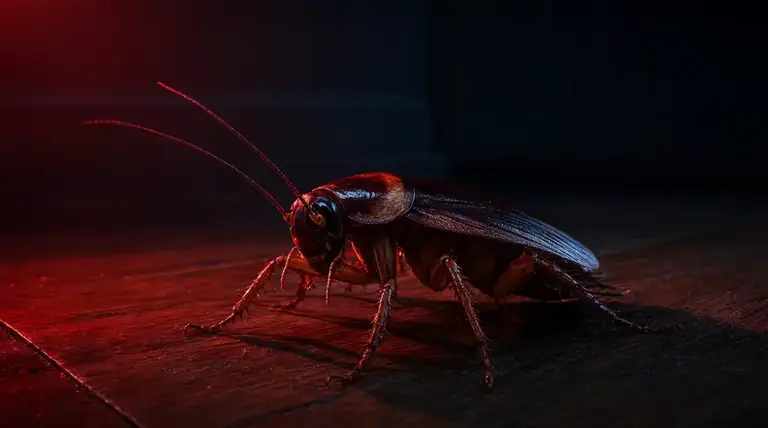
Adult moths are small, usually 6 to 8 millimetres long with a wingspan of around 12 millimetres, and are a pale buff or golden colour. They avoid light, so you’re unlikely to see them fluttering around like pantry moths. Instead, they scuttle away into dark corners when disturbed — a useful identification clue (l).
The creamy-white caterpillars do all the eating. Synthetic fabrics are usually safe unless blended with natural fibres or soiled with food, sweat or body oils, which make them attractive to larvae. This is why a “barely worn” jumper stored without washing is such a common casualty.
Why Clothes Moths Matter in Australian Homes
Clothes moths thrive across Australia because our warm climate accelerates their breeding cycle, and modern housing gives them plenty of dark, undisturbed harbourage. Activity peaks from October through to March, when higher temperatures speed up the life cycle from egg to adult.
In humid regions such as coastal Queensland and northern New South Wales, breeding can continue almost year-round. In cooler states like Victoria and Tasmania, infestations often become obvious in spring when moths emerge from winter storage areas. Housing style plays a role too: older Queenslanders with subfloor voids, brick veneer homes with wall cavities, and slab homes with walk-in robes all offer different hiding spots. Ducted heating keeps wardrobes warm through winter, and poorly ventilated walk-in robes create ideal conditions.
Second-hand furniture, vintage clothing and even bird nests in roof voids can introduce eggs and larvae into the house. Given that a single infestation can destroy suits, coats, heirloom textiles and wall-to-wall wool carpet, understanding how often you should schedule inspections matters — see our guide on how often you should book pest control in Australia for a sensible schedule.
Warning Signs: How to Spot a Clothes Moth Infestation
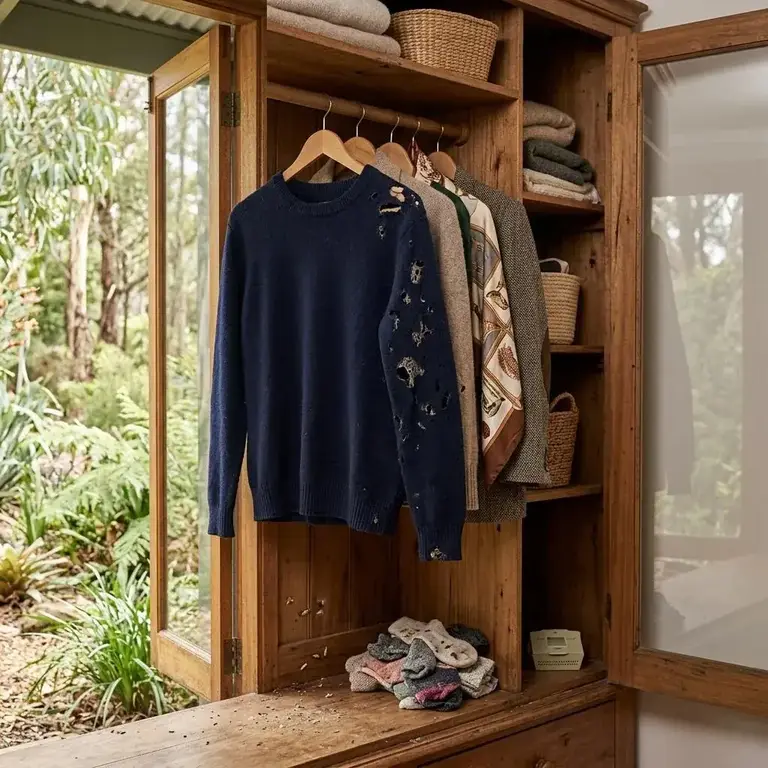
The clearest sign of clothes moths is irregular holes in natural-fibre garments, usually on items that are rarely worn or washed. Because these pests prefer dark, undisturbed areas, an infestation can go unnoticed for months — check wardrobes, drawers, under beds and storage boxes regularly for these warning signs:
- Irregular holes in woollen jumpers, suits, scarves and blankets
- Silky webbing, tubes or small cases attached to fabric
- Cream-coloured larvae or shed skins in the folds of clothing
- Fine, sand-like droppings (frass) near damaged items
- Adult moths crawling rather than flying in dark corners
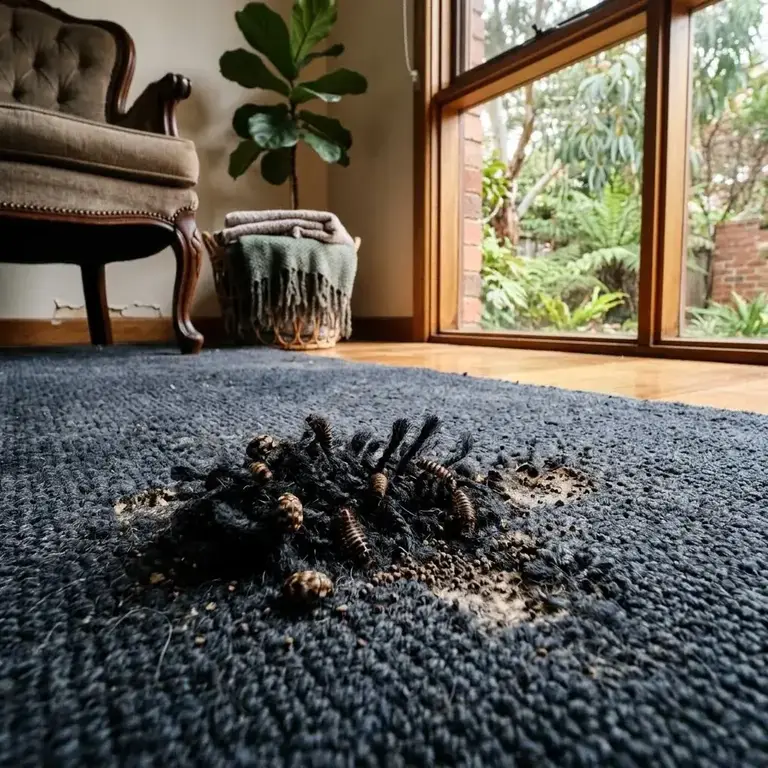
Damage is often concentrated in garments stored away over summer. If you find one damaged item, inspect everything nearby — larvae spread quietly between adjacent garments, drawers and carpet edges (l).
DIY vs Professional Clothes Moth Treatment
Light, localised activity can often be managed with thorough cleaning, freezing delicate items and airtight storage, but recurring damage or moths in multiple rooms usually calls for a licensed pest control technician. Here’s how the two approaches compare:
| Factor | DIY approach | Professional treatment |
|---|---|---|
| Best for | Early, light activity confined to a few garments | Recurring damage, multiple rooms, carpets and upholstery |
| Methods | Washing, dry-cleaning, 72-hour freezing, vacuuming, airtight storage, pheromone traps | Inspection, APVMA-registered residual insecticide to cracks, crevices and carpet edges, monitoring advice |
| Typical cost | $20–$120 for traps, containers and cleaning | $180–$450 depending on home size and severity |
| Limitations | Cedar and lavender deter but won’t kill an established infestation; hidden eggs often survive | Requires a licensed technician; follow-up visit sometimes needed |
If you’re weighing up treatment types more broadly, our article on gel vs spray vs dust pest control methods explains how professionals choose the right formulation for each pest and surface.
Clothes Moth Treatment Costs in Australia (2025–26)
Across the Australian market, professional clothes moth treatment generally runs between $180 and $450, depending on the size of the home, the number of affected rooms and whether carpets and upholstery need treating. The figures below are typical industry rates for 2025–26 — what most pest control providers charge — rather than a quote from any single company.
| Service | Typical market rate (AUD) | What’s included/notes |
|---|---|---|
| Inspection and quote | $0–$90 (industry range) | Locate the source, assess affected areas; many providers across the industry offer this free |
| Single-room treatment | $180–$260 (industry range) | Residual treatment to wardrobe, drawers and carpet edges in one room |
| Whole-home treatment | $280–$450 (industry range) | Multiple rooms, wall-to-wall wool carpet, monitoring advice and pheromone traps |
| Follow-up visit | $90–$150 (industry range) | Re-inspection and spot treatment if activity persists |
For a broader picture of what drives pricing across different pests and property types, read our guide on how much pest control costs in Australia. Keep in mind that a hidden infestation in wall-to-wall wool carpet or a wardrobe of suits can easily cause damage well beyond whatever the market rate for treatment happens to be.
It’s worth knowing that Aussie Pest Strike typically comes in well under these typical Australian market rates — often by a decent margin. For an exact, no-obligation quote tailored to your home, give us a call on [aps_phone].
Seasonal Activity: When Clothes Moths Strike in Australia
Clothes moths are most active in Australia from October to March, when heat and humidity accelerate breeding, and least active in the cooler southern winter months. In Queensland and northern New South Wales they can breed year-round; in southern states, spring is the peak as moths emerge from stored winter clothing and heated homes.
Jan
Feb
Mar
Apr
May
Jun
Jul
Aug
Sep
Oct
Nov
Dec
Typical clothes moth activity across Australia: activity builds from September, peaks over summer (December–February) and eases through the southern winter. Humid northern regions may see elevated activity all year.
Plan your prevention around this pattern: clean and seal winter woollens before autumn, and inspect storage areas in early spring before the first warm spell hatches eggs laid months earlier.
“Nine times out of ten, the moths aren’t coming from the wardrobe — they’re coming from a bird’s nest in the roof void or a second-hand rug that arrived with eggs in it. Find the source first, treat the harbourage properly, and the problem stays fixed. Spray the wardrobe without doing that and you’ll be back in six months.”
Wash or dry-clean every natural-fibre garment before storage, seal items in airtight containers, and vacuum wardrobe corners and carpet edges monthly. If you find fresh holes, larvae or frass in more than one spot, book a licensed technician — residual treatments registered with the APVMA should only be applied by qualified professionals. Families often ask whether pest control is safe for pets and children — the short answer is that licensed technicians select and apply products to minimise risk, and will give you clear re-entry advice.
Frequently Asked Questions
Which clothes moth species cause damage in Australian homes?
Two species are responsible for most fabric damage in Australian homes: the webbing clothes moth (Tineola bisselliella) and the case-making clothes moth (Tinea pellionella). Both have larvae that feed on keratin in animal fibres such as wool, silk, fur, feathers and mohair. Adults are small, pale buff or golden moths around 6 to 8 millimetres long that avoid light and scuttle into dark corners rather than flying.
Is it the adult moths or the larvae that eat clothing?
It is the creamy-white caterpillars (larvae) that do all the eating. Adult clothes moths do not feed on fabrics; their role is reproduction. The larvae consume keratin, the protein found in wool, silk, cashmere, fur and feathers, leaving irregular holes in garments, carpets and upholstery. This is why spotting a moth is a warning sign, but the damage itself is done quietly by hidden larvae over weeks or months.
How do clothes moth larvae damage different fabrics in a wardrobe?
Look for irregular holes in woollen jumpers, suits, scarves and blankets, especially items rarely worn or washed. Other signs include silky webbing, tubes or small cases attached to fabric, cream-coloured larvae or shed skins in garment folds, fine sand-like droppings (frass) near damaged items, and adult moths crawling rather than flying in dark corners. If you find one damaged item, inspect everything nearby, as larvae spread between adjacent garments, drawers and carpet edges.
When are clothes moths most active in Australia?
Clothes moth activity peaks from October through March, when heat and humidity accelerate breeding from egg to adult. In humid coastal regions such as Queensland and northern New South Wales, breeding can continue almost year-round. In cooler states like Victoria and Tasmania, infestations often become obvious in spring when moths emerge from winter storage areas and heated homes. Plan prevention by cleaning and sealing winter woollens before autumn and inspecting storage areas in early spring.
Can synthetic fabrics be damaged by clothes moths?
Synthetic fabrics are usually safe because clothes moth larvae feed on keratin, a protein found only in animal fibres like wool, silk, fur, feathers and mohair. However, synthetics can still be attacked if they are blended with natural fibres, or if they are soiled with food, sweat or body oils, which attract larvae. This is why a barely worn jumper stored without washing is such a common casualty — residual body oils make even mixed-fibre garments appealing.
How can I prevent clothes moths damaging my wardrobe?
Wash or dry-clean every natural-fibre garment before storage, then seal items in airtight containers so eggs and larvae cannot reach them. Vacuum wardrobe corners, drawers and carpet edges regularly — monthly is a good habit. Cedar and lavender may deter moths but will not kill an established infestation, and hidden eggs often survive DIY measures. Cleaning before storage combined with airtight containers prevents most infestations, according to the guide's key takeaways.
Where do clothes moth infestations usually come from?
Common sources include second-hand furniture, vintage clothing and bird nests in roof voids, which can introduce eggs and larvae into the house. Larvae also spread quietly between adjacent garments, drawers and carpet edges once established. Housing features matter too: subfloor voids in older Queenslanders, wall cavities in brick veneer homes, walk-in robes on slabs, ducted heating keeping wardrobes warm, and poorly ventilated robes all provide dark, undisturbed harbourage where moths thrive.
When should I call a professional for clothes moths instead of treating them myself?
Light, localised activity confined to a few garments can often be managed with thorough cleaning, freezing delicate items for 72 hours, vacuuming and airtight storage. However, recurring damage or moths appearing in multiple rooms, carpets or upholstery usually calls for a licensed pest control technician. Professionals use APVMA-registered residual insecticides applied to cracks, crevices and carpet edges, and these products should only be applied by qualified professionals rather than as DIY treatments.
What does an Aussie Pest Strike inspection for clothes moths involve?
An inspection focuses on finding the source rather than just spraying the wardrobe. A technician checks wardrobes, drawers, under beds, storage boxes, carpet edges and upholstery for larvae, frass, webbing and damaged fibres, and looks for likely entry points such as bird nests in the roof void or infested second-hand rugs. Many providers offer inspections free or at low cost, and you should receive a clear assessment of affected areas before any treatment begins.
What should I do next after finding holes in my stored woollens?
Start by isolating the damage: bag the affected garments, wash or dry-clean everything nearby, and freeze delicate items for 72 hours to kill larvae and eggs. Vacuum wardrobe corners, drawers and carpet edges thoroughly, then store clean items in airtight containers. If you find fresh holes, larvae or frass in more than one spot, contact Aussie Pest Strike for a no-obligation quote, as multiple activity points usually indicate an established infestation needing professional treatment.
Sources & further reading
Found Something
Dangerous?
Don’t touch it. Don’t spray it. Keep kids and pets clear, take a photo from a safe distance, and call us — or book a free inspection and we’ll come to you.
02 7235 0050