Building aYear-Round PestControl Plan
Building a year-round — a year-round pest control plan is a scheduled cycle of inspections and treatments timed to Australia's seasons, so pests are stopped...
Building a year-round pest control plan is the single smartest move an Australian homeowner can make, and it starts with understanding one simple idea: prevention beats reaction every time. A year-round pest control plan — what we’ll call plan “e” for easy reference throughout this guide — is a scheduled cycle of professional inspections and treatments timed to Australia’s seasons, so pests are stopped before they establish rather than chased after an infestation.
Across Australia, from humid Brisbane to cool-climate Hobart, the most effective plans combine one or two professional treatments a year with simple monthly homeowner habits. This guide walks you through why a plan works, what it should include, what it costs in 2025-26, and how to match the schedule to your property and climate.
- A year-round pest control plan costs less over 12 months than repeated emergency call-outs for established infestations.
- Most Australian homes need one to two professional treatments per year, plus an annual termite inspection in higher-risk areas.
- Timing matters: spring treatments protect you through the summer surge, autumn is for rodent-proofing, and winter is inspection season.
- Simple habits — airtight food storage, fixing leaks, sealing gaps over 6mm — multiply the value of every professional visit.
- Chemical treatments should always be applied by a licensed technician using APVMA-registered products.
Why “e” Plan-Style Pest Control Matters in the Australian Climate
A structured pest control plan works in Australia because our pests are seasonal and predictable, which means they can be intercepted before populations peak. Treating on a calendar keeps constant pressure on pest numbers instead of letting them build to crisis point.
Cockroaches, ants and spiders surge through the December to February heat, rodents push indoors as autumn cools, and termites stay active year-round in the warmer states. Housing style compounds the risk: a timber-framed Queenslander on stumps with a ventilated subfloor faces constant termite and borer pressure, while a brick-veneer home on a concrete slab in Sydney or Melbourne has fewer entry points but is far from immune. Slab-edge cracking, weep holes and garden beds built up against walls all create pathways for ants and termites.
Reacting only when you spot pests almost always costs more, because by the time an infestation is obvious it is well established. A German cockroach colony, for example, can double in weeks, turning a routine treatment into a multi-visit job. A plan keeps numbers low enough that a single annual treatment usually holds — which is why the guidance in how often you should book pest control in Australia recommends scheduled visits over reactive call-outs.
Warning Signs Your Current Approach Isn’t Working
If any of the signs below sound familiar, your home has moved past prevention and into active infestation territory, and a structured plan is overdue. Use this checklist as a quick self-audit each season.
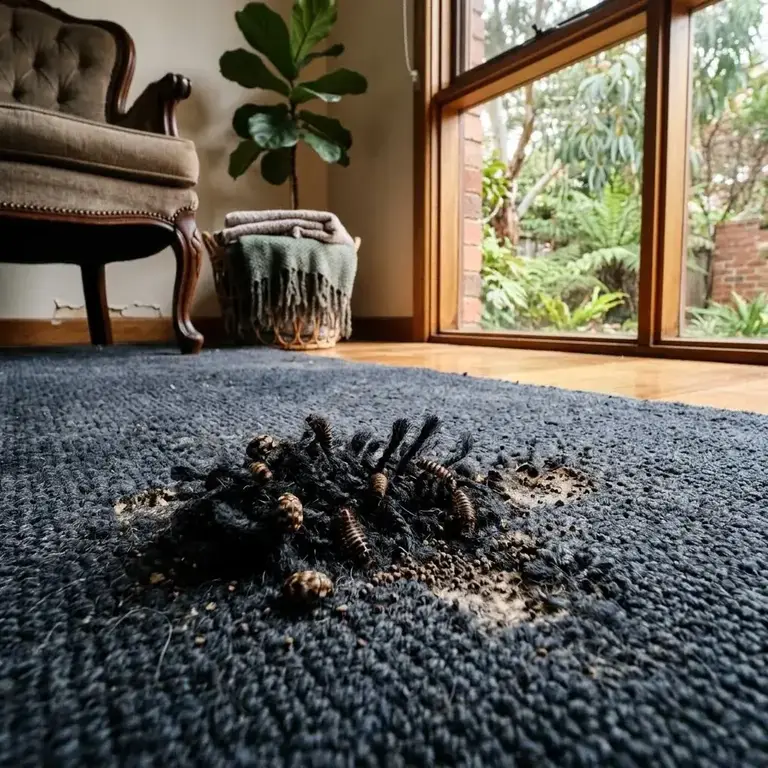
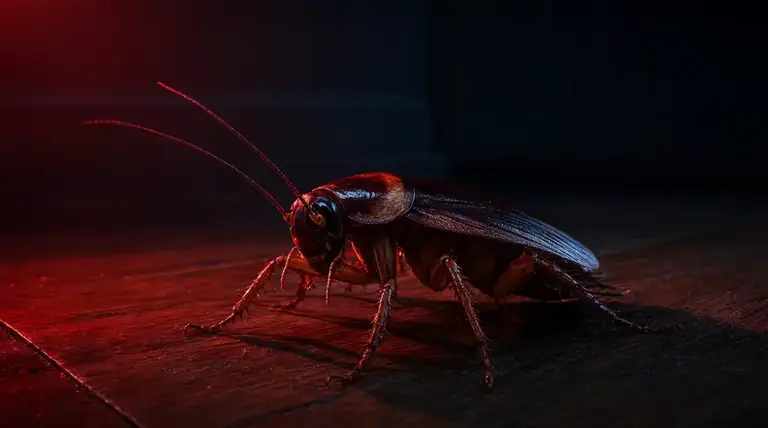
- Daytime cockroach sightings — roaches seen in daylight usually mean the hidden population is large enough to force individuals out of harbourage.
- Droppings in kitchens or pantries — small dark pellets near food storage, drawers or under sinks point to rodents or cockroaches.
- Ant trails that return within days — surface sprays kill the scouts but never the nest, so trails reappear without colony-level treatment.
- Mud tubes on foundations or stumps — pencil-width earthen leads on slab edges, piers or subfloor walls are a classic termite warning sign.
- Scratching or scurrying in the roof at night — especially in autumn and winter, this usually means rodents have moved into the roof void.
- Webbing building up around eaves and fences — heavy spider webbing signals a thriving insect food source around your home.
- Standing water lasting more than a week — bird baths, blocked gutters and pot-plant bases become mosquito breeding sites fast.
DIY vs Professional Pest Control: Where Each Fits in Your Plan
DIY habits handle prevention — the food, water and shelter pests rely on — while licensed professionals handle termite inspections and residual chemical treatments that need APVMA-registered products and proper training. The strongest plans are a hybrid of both.
| Factor | DIY approach | Professional service |
|---|---|---|
| Best for | Sanitation, exclusion, minor ant and spider activity | Cockroaches, rodents, termites, recurring infestations |
| Products | Supermarket sprays and baits, short residual life | APVMA-registered professional-grade products, longer residual |
| Termite work | Not recommended — detection needs training and tools | Licensed inspection with moisture meters and reporting |
| Typical annual spend | $50-$150 in products | $250-$600 for one to two visits |
| Safety | Label directions must be followed exactly around pets and kids | Technicians apply products to minimise exposure — see is pest control safe for pets and children |
The homeowner half of any plan costs nothing but does heavy lifting between visits: store food in airtight containers and clear crumbs nightly, fix leaks and empty standing water within seven days to disrupt mosquito breeding, trim vegetation away from walls, keep firewood off the ground, and seal any gap larger than 6mm — the width a young mouse can squeeze through.
What a Year-Round Pest Control Plan Costs in 2025-26
Across the Australian market, a typical annual plan for a standard home generally runs between $400 and $900, combining a main general treatment, a possible follow-up, and a termite inspection where needed. Industry pricing depends on property size, construction type and state, and our detailed breakdown in how much pest control costs in Australia covers the variables in depth.
The figures below reflect typical Australian market rates — what the industry generally charges for each service:
| Service | Typical market rate (AUD) | What’s included / notes |
|---|---|---|
| General pest treatment (spring) | $180-$350 | Internal and external residual spray for cockroaches, spiders, ants |
| Follow-up / summer treatment | $150-$300 | Targeted top-up where activity is high |
| Annual termite inspection | $250-$400 | Full inspection of subfloor, roof void, slab edge with written report |
| Rodent treatment | $200-$350 | Baiting or trapping plus entry-point advice |
| German cockroach program | $300-$600 | Multi-visit gel baiting program for established colonies |
These are the going rates across the industry — Aussie Pest Strike typically comes in well under these market figures. For an exact quote tailored to your property, give us a call on [aps_phone].
Seasonal Pest Activity Across the Australian Year
Pest pressure in Australia peaks through the summer months and dips in winter, but it never drops to zero — which is exactly why a plan runs all year. The chart below shows typical combined pest activity across a standard calendar year.
Jan
Feb
Mar
Apr
May
Jun
Jul
Aug
Sep
Oct
Nov
Dec
Typical combined pest activity across the Australian year. Activity peaks December-February with heat and humidity, then dips in winter — the ideal window for termite inspections and preventive work before the spring ramp-up.
Build your schedule around this curve. Spring (September-November) is for the main general treatment, sealing gaps and clearing breeding sites before the surge. Summer is monitoring season for ants, spiders, cockroaches and mosquitoes. Autumn is rodent-proofing time — seal entry points before they move indoors. Winter is inspection season: book the annual termite inspection and check roof voids and subfloors while activity is low. A timber-framed Queenslander needs heavier termite focus than a Melbourne unit, so match the plan to your risk profile.
The jobs that cost homeowners the most are the ones we could have prevented with one visit six months earlier. A spring treatment plus a winter termite check catches almost everything this climate throws at a house. Keep the plan simple, keep it on the calendar, and pest problems stop being emergencies.
Book your main general pest treatment in early spring, schedule a termite inspection every 12 months without fail, and run the homeowner habits — food storage, leak repairs, gap sealing — year-round. That combination covers the vast majority of Australian homes for a predictable, budget-friendly annual cost.
Frequently Asked Questions
What is a year-round pest control plan and how does it work?
A year-round pest control plan is a scheduled cycle of professional inspections and treatments timed to Australia's seasons, so pests are stopped before they establish rather than chased after an infestation. Most Australian homes need one to two professional treatments per year, plus an annual termite inspection in higher-risk areas. The schedule works because Australian pests are seasonal and predictable, allowing constant pressure on pest numbers instead of letting them build to crisis point.
How often should I book professional pest control for my home?
Most Australian homes need one to two professional treatments per year. A main general treatment in early spring protects through the summer surge, and a follow-up summer treatment can be added where activity is high. An annual termite inspection every 12 months is recommended without fail, particularly in higher-risk areas or for timber-framed homes. Winter is the ideal window for termite inspections because pest activity is low.
What should I do in each season as part of my pest control plan?
Spring (September to November) is for the main general treatment, sealing gaps and clearing breeding sites before the surge. Summer is monitoring season for ants, spiders, cockroaches and mosquitoes. Autumn is rodent-proofing time — seal entry points before rodents move indoors as the weather cools. Winter is inspection season: book the annual termite inspection and check roof voids and subfloors while activity is low.
How much does a year-round pest control plan cost in Australia?
A year-round pest control plan is usually priced as a package that bundles a main general treatment, one or more follow-up visits, and a termite inspection where needed. Costs vary with home size, construction type, location, and the pests involved, so most providers quote after an initial assessment. Bundling services into an annual plan often works out cheaper than booking each treatment separately, so it's worth comparing several quotes before committing.
Which warning signs show my current pest approach isn't working?
Key signs include daytime cockroach sightings, which usually mean the hidden population is large; droppings in kitchens or pantries pointing to rodents or cockroaches; ant trails that return within days after surface spraying; mud tubes on foundations or stumps, a classic termite sign; scratching in the roof at night during autumn and winter; heavy spider webbing around eaves; and standing water lasting more than a week, which breeds mosquitoes.
What DIY habits support a year-round pest control plan?
Homeowner habits do heavy lifting between professional visits: store food in airtight containers and clear crumbs nightly, fix leaks and empty standing water within seven days to disrupt mosquito breeding, trim vegetation away from walls, keep firewood off the ground, and seal any gap larger than 6mm — the width a young mouse can squeeze through. These habits cost little but multiply the value of every professional treatment.
When should I use DIY methods versus hiring a professional?
DIY suits sanitation, exclusion and minor ant or spider activity using supermarket sprays and baits. Professionals are best for cockroaches, rodents, termites and recurring infestations, using APVMA-registered products with longer residual life. Termite work should always be left to licensed technicians, who use moisture meters and provide written reports. Chemical treatments must be applied by licensed professionals — the strongest plans combine both approaches.
Does housing style affect my pest control plan?
Yes. A timber-framed Queenslander on stumps with a ventilated subfloor faces constant termite and borer pressure, so it needs heavier termite focus. A brick-veneer home on a concrete slab has fewer entry points but is far from immune — slab-edge cracking, weep holes and garden beds built up against walls all create pathways for ants and termites. Match your plan's intensity to your property's risk profile and local climate.
What should I discuss with an Aussie Pest Strike technician when building my plan?
A good starting conversation covers your property's construction type and risk profile — for example, whether you have a timber-framed home on stumps or a brick-veneer house on a slab — plus any warning signs you have noticed, such as ant trails, droppings or mud tubes. You can also discuss which seasonal services fit your situation, such as a spring general treatment, autumn rodent-proofing or a winter termite inspection, and how your household habits will support the plan.
How do I get started with Aussie Pest Strike on a seasonal pest control plan?
Begin by auditing your home against the seasonal checklist: note any daytime cockroach sightings, droppings, returning ant trails, mud tubes, roof noises or standing water. Then decide where your property sits on the risk scale based on construction type and climate. From there, contact Aussie Pest Strike for a quote tailored to your property, and aim to lock in a spring general treatment and an annual termite inspection as the backbone of your calendar.
Sources & further reading
Found Something
Dangerous?
Don’t touch it. Don’t spray it. Keep kids and pets clear, take a photo from a safe distance, and call us — or book a free inspection and we’ll come to you.
02 7235 0050