Pest ControlAfter Floods: ThePost-Flood Surge
Pest control after — Pest control floods — pests after floods surge because floodwater leaves behind moisture, displaced nests and vast pools of standing...
Floods don’t just damage homes — they drive pests after floods into suburbs, and knowing that pattern is the first step to protecting your property. When floodwater recedes, it leaves standing water, displaced nests and saturated materials that mosquitoes, rodents and cockroaches exploit within days. Across Australia’s flood-prone east coast, the biggest wave of activity usually arrives one to three weeks later, not while the water is still up.
In simple terms, a post-flood pest surge is the rapid increase in mosquito, rodent, cockroach and other pest activity that follows flooding, driven by new breeding habitat and displaced animals seeking dry shelter inside homes. Whether you live in a low-set brick veneer on a slab, a raised Queenslander with a subfloor, or a townhouse near a creek line, the pattern is the same — and acting early makes all the difference.
- Pest numbers typically peak one to three weeks after floodwater recedes — plan your response around that window.
- Mosquitoes can breed in water standing for as little as 7 days, raising Ross River and Barmah Forest virus risk.
- Rodents flushed from sewers and burrows can carry Leptospira bacteria, a genuine health risk during clean-up.
- Removing standing water in the first 48 hours is the single most effective DIY step you can take.
- Hidden moisture in subfloors and wall cavities keeps attracting pests for months — a licensed inspection finds what you can’t see.
Why pests after floods Surge Across Australia
Flooding resets the environment in favour of pests: standing water becomes breeding habitat, damp materials feed insects, and animals flushed from burrows and drains move into homes seeking dry shelter. The scale of the surge depends on your climate and construction, but the mechanics are the same from Brisbane to Bairnsdale.
Australia’s east coast flood season overlaps with the warm, humid months from December to March, which accelerates mosquito breeding dramatically. A single untended puddle can produce hundreds of adult mosquitoes in under two weeks. Housing type matters too: slab-on-ground homes cop cockroaches pushing up through flooded drains, while raised Queenslanders and homes with subfloors trap damp air underneath — ideal conditions for cockroaches, termites and mould-feeding insects long after the surface looks dry. It’s the same moisture-driven pattern behind humidity and pests on the Gold Coast, just compressed into a few chaotic weeks.
The main post-flood offenders include:
- Mosquitoes: species like Aedes and Culex breed rapidly in standing water, raising the risk of Ross River and Barmah Forest virus.
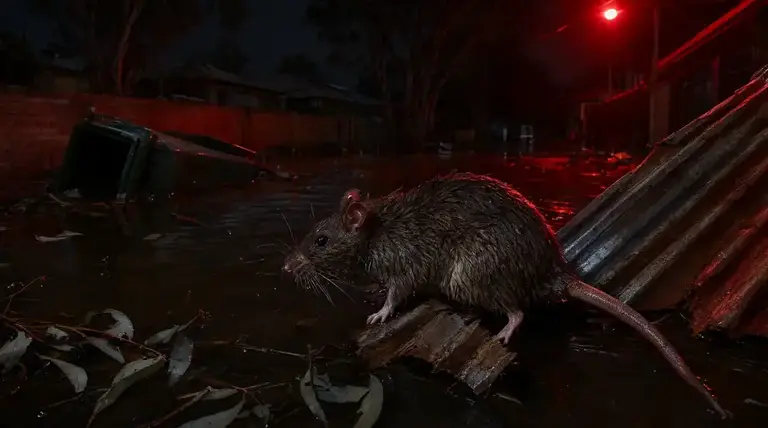
- Rodents: rats and mice displaced from sewers and burrows invade dry buildings, contaminating surfaces and gnawing wiring.
- Cockroaches: flooded drains push American cockroaches up into kitchens and bathrooms.
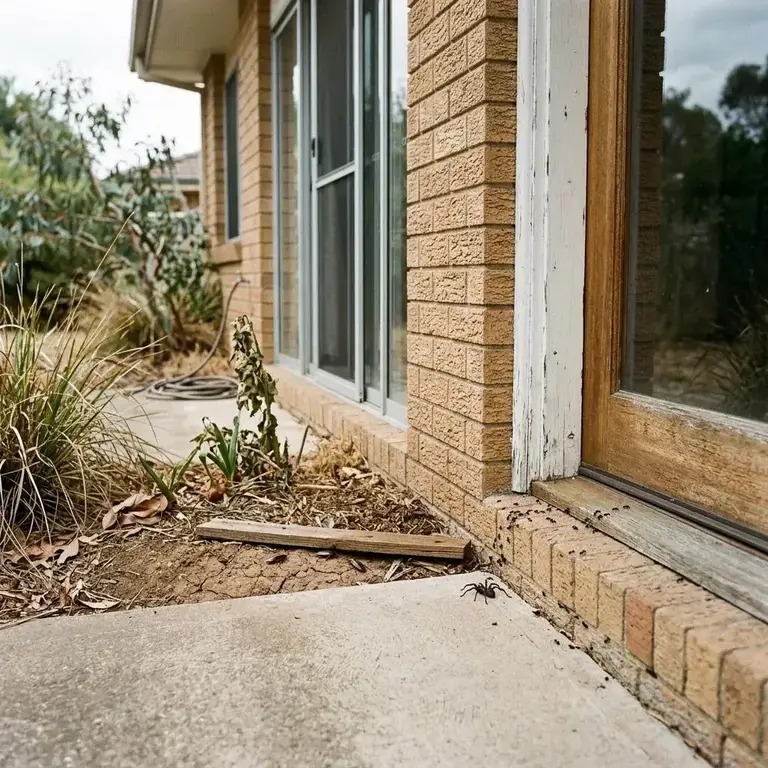
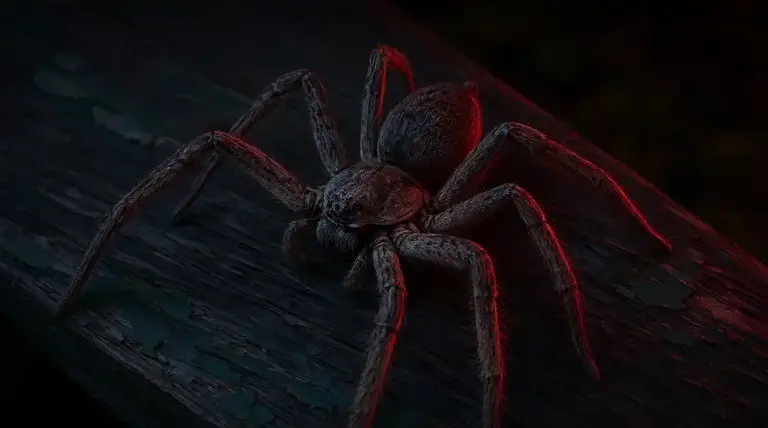
- Spiders and ants: both relocate nests to higher, drier ground — often inside your walls and roof void.
The health angle is what elevates pests after floods beyond a nuisance. Rodent urine in damp debris can carry Leptospira, and mosquito-borne disease notifications typically climb in the weeks after major flood events. Treat post-flood pest control as a health measure, not just a comfort one.
Warning Signs of a Post-Flood Pest Problem
The clearest warning signs are standing water that won’t drain, rodent droppings or gnaw marks, and cockroaches appearing in numbers during the day. Catching these early — before the one-to-three-week peak — keeps a manageable problem from becoming an infestation.
- Standing water anywhere on the property — blocked gutters, tarp pools, pot-plant bases, wheelie bin lids and uneven yard depressions.
- Rodent droppings, gnaw marks or scratching sounds in wall cavities, subfloors or the roof void, especially at night.
- Cockroaches in daylight — flooded drains push populations indoors, and daytime sightings usually mean numbers are building.
- A sudden spike in mosquito bites at dusk — a sure sign breeding sites are active nearby.
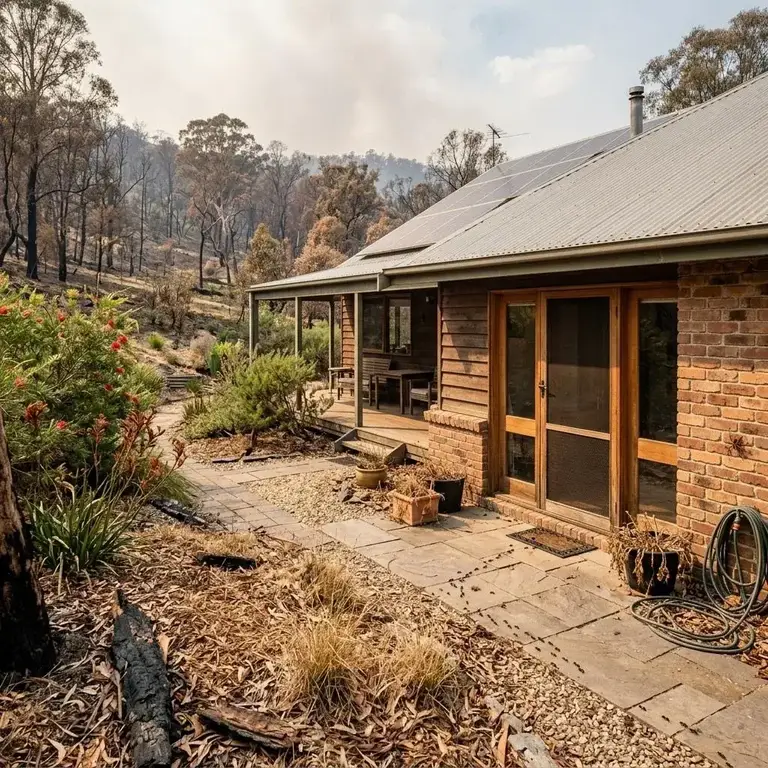
- Ant trails moving upward along walls, benchtops or power points as colonies flee saturated soil.
- Persistent musty smells or damp patches in subfloors and wall cavities — an open invitation to cockroaches and termites.
- Spiders appearing in unusual spots as ground-dwelling species relocate indoors.
If any of these sound familiar, work through a time-based response: tip out all standing water and remove sodden materials and food waste in the first 48 hours; dry out subfloors and cavities and check for displaced rodents between days three and seven; then book a professional inspection in weeks two to three as mosquito and cockroach numbers peak.
DIY vs Professional Pest Control After Floods
DIY works well for source reduction — draining water, removing debris and drying the home — but a serious post-flood surge needs licensed treatment, particularly for mosquito management across a whole yard. Chemical treatments should always be applied by a licensed technician, especially around wet, contaminated properties where product selection and placement matter.
| Factor | DIY | Professional |
|---|---|---|
| Standing water removal | Effective for containers and small pools | Can treat undrainable water with larvicides |
| Mosquito control | Repellents and coils offer personal relief only | Residual barrier treatments across the yard |
| Rodents | Traps for one or two intruders | Baiting programs and entry-point exclusion |
| Hidden moisture | Fans and dehumidifiers help surface drying | Moisture detection in subfloors and cavities |
| Safety | Low risk for cleaning tasks | APVMA-compliant products applied by licensed technicians |
Our backyard mosquito control guide explains why source reduction plus professional treatment works best. And because storms often follow floods, it’s worth reviewing storm damage and the hidden pest invasion as well. If pests do get established indoors, the patterns mirror what we see in winter pest problems and what moves indoors — moisture and shelter drive everything.
Post-Flood Pest Control Costs in Australia (2025-26)
Across Australia, the typical market rate for post-flood pest control sits between $150 and $700 depending on the service, property size and severity. These are general industry figures — prices vary by region and access, and subfloor treatments on raised homes generally cost more than slab properties. For a broader look at service options, you can check our pricing page.
| Service | Typical cost (AUD) | What’s included/notes |
|---|---|---|
| Post-flood inspection | $0–$150 | Often free with treatment booked; moisture and entry-point assessment |
| Mosquito yard treatment | $180–$350 | Residual barrier spray plus breeding-site treatment |
| Rodent control program | $250–$500 | Bait stations, trapping and follow-up visit |
| Cockroach treatment | $200–$400 | Internal gel baiting and external perimeter spray |
| Combined post-flood package | $400–$700 | Multi-pest treatment, often the best value after floods |
The figures above reflect typical Australian market rates across the industry — not what Aussie Pest Strike charges. We typically come in well under these market rates, so for an exact quote tailored to your property, give us a call on [aps_phone].
Seasonal Pest Activity After Floods
Post-flood pest pressure peaks in the warm, wet months from December to March, when east coast flood season overlaps with peak mosquito breeding conditions. Activity drops through winter but never disappears — damp subfloors can sustain cockroaches and rodents year-round after a major event.
Jan
Feb
Mar
Apr
May
Jun
Jul
Aug
Sep
Oct
Nov
Dec
Typical post-flood pest pressure across Australia’s east coast, peaking with summer storm and flood season (December–March) when warmth and humidity accelerate mosquito breeding, then easing through the cooler months.
This seasonal pattern also mirrors broader pest behaviour across the country — the same species that surge after floods are among the common summer pests in Sydney homes, so prevention work you do now pays off all season.
The biggest mistake people make after a flood is waiting until they see pests. By the time mosquitoes are biting and cockroaches are on the benches, the breeding cycle’s been running for a fortnight. Get the water out fast, dry the subfloor properly, and have a licensed tech walk the property in week two — that’s when we catch problems while they’re still cheap to fix.
Act in stages: remove all standing water and sodden materials within 48 hours, ventilate and dry subfloors over the first week, then book a licensed inspection in weeks two to three before mosquito and cockroach numbers peak. If you see rodent droppings, daytime cockroaches or water you can’t drain, call a professional immediately — chemical treatments around wet properties should only be applied by licensed technicians.
Pest Control After Floods: Frequently Asked Questions
How long after a flood do pests appear?
Pests usually appear one to three weeks after floodwater recedes, once standing water has had time to breed mosquitoes and damp conditions attract rodents and cockroaches. The surge typically peaks well after the visible flooding ends, which is why inspections booked in week two or three catch the most activity.
What pests are most common after flooding in Australia?
Mosquitoes, rodents and cockroaches are the most common post-flood pests in Australia, driven by standing water and displaced nests. Mosquito-borne diseases like Ross River virus and Barmah Forest virus make mosquito control the top priority, followed by rodent management due to contamination risks.
Can I handle post-flood pests myself?
You can manage the basics yourself by removing standing water, clearing debris and drying out the property. However, large mosquito and rodent surges need professional treatment — a licensed technician can safely target breeding sites across the whole property and apply residual products correctly around wet areas.
Recovering from a flood is hard enough without a pest invasion on top. Aussie Pest Strike provides fast, licensed post-flood inspections and treatments across Australia, with technicians who understand local housing, climate and pest behaviour. Don’t wait for the surge to peak — call Aussie Pest Strike on [aps_phone] today to book your free inspection and protect your family’s health.
Sources & further reading
Found Something
Dangerous?
Don’t touch it. Don’t spray it. Keep kids and pets clear, take a photo from a safe distance, and call us — or book a free inspection and we’ll come to you.
02 7235 0050