Bushfire Season andPests: WhatDrives Them Inside
Bushfire season drives pests indoors as smoke, extreme heat and destroyed habitat push rodents, spiders, cockroaches and ants towards the shelter, food...
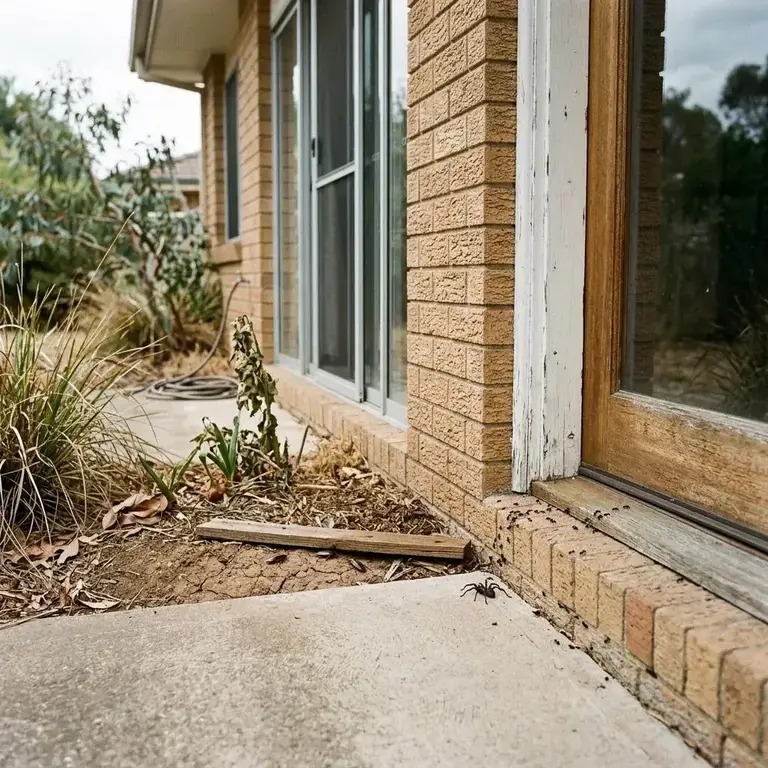
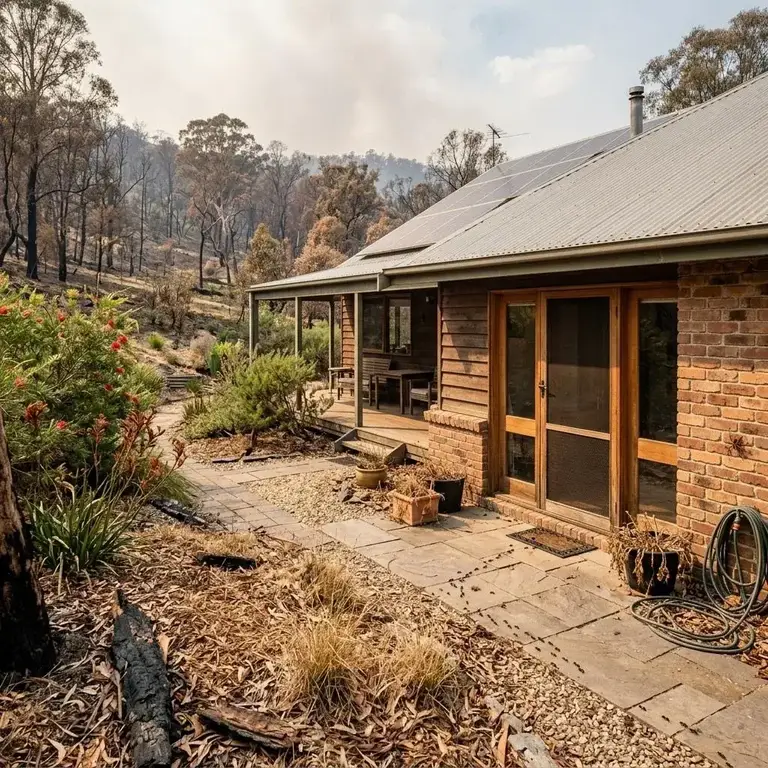
Bushfire season and pests go hand in hand across Australia: as smoke, extreme heat and destroyed habitat push rodents, spiders, cockroaches and ants out of the bush, they head straight for the shelter, food and water inside our homes — a pattern every Aussie homeowner in a fire-prone postcode, u, should plan for. Properties backing onto bushland, reserves or farmland are usually hit first, often within days of a fire passing through.
Put simply, bushfire-season pest pressure is the surge of displaced pests entering homes when fire, heat and drought destroy their outdoor habitat and food sources. Knowing why this happens — and preparing before fire danger peaks — is the most reliable way to keep your household protected through the hotter months, whether you live in a brick-veneer suburb on the urban fringe or a Queenslander with an open subfloor.
- Bushfire season displaces rodents, spiders, cockroaches and ants, driving them towards homes for shelter, food and moisture.
- The same gaps that admit embers admit pests — ember-resistant mesh (AS 3959) doubles as pest proofing.
- Properties near bushland, reserves or recently burnt ground see the sharpest rise in activity, often within days.
- Early-summer inspections and sealing entry points beat reactive spraying once infestations are established.
- Licensed technicians should handle chemical treatments, especially rodent baits near pets and native wildlife.
Why Bushfire Season Sends Pests Indoors Across Australia — u
Bushfire season sends pests indoors because fire, heat and smoke strip away their shelter and food almost overnight, leaving homes as the nearest reliable refuge. Across most of southern Australia, the season runs from late spring through autumn, peaking in January and February in New South Wales, Victoria, South Australia and Tasmania; in Queensland and the Northern Territory the danger period often starts earlier, from late winter into spring. Whenever it arrives, u, the pattern repeats.
Even small grassfires can strip ground cover across hectares. Rats, mice, spiders and ants that lived in leaf litter, logs and burrows suddenly have nowhere to hide, and fringe suburbs become prime targets. Extreme heat compounds the problem by drying out soil and vegetation, so pests hunt moisture — dripping taps, pet water bowls, condensation around air-conditioning units and damp bathrooms all become magnets. Smoke and ash irritate insects and arachnids, pushing them to move earlier and further than in a normal summer.
Housing style matters too. Homes on concrete slabs tend to see invasions through weep holes, door thresholds and pipe penetrations, while older weatherboard homes and Queenslanders with open subfloors give rodents and cockroaches easy harbourage underneath before they climb inside. If you’ve read our guides on common summer pests in Sydney homes or winter pest problems in Melbourne, you’ll recognise the same principle: weather extremes drive pests indoors, and bushfire season is the most extreme driver of all. Humid coastal regions face a double hit — see humidity and pests on the Gold Coast for how moisture compounds summer pressure.
The Pests Most Likely to Invade During Fire Season
The most common post-fire invaders are black rats, house mice, redback and huntsman spiders, American and Australian cockroaches, black house ants and European wasps. Each behaves differently, so correct identification matters before any treatment begins.
Rodents. Black rats and house mice need only a gap the width of a thumb to get inside. Once established they contaminate food, chew wiring — a genuine fire risk in itself — and breed quickly through summer.
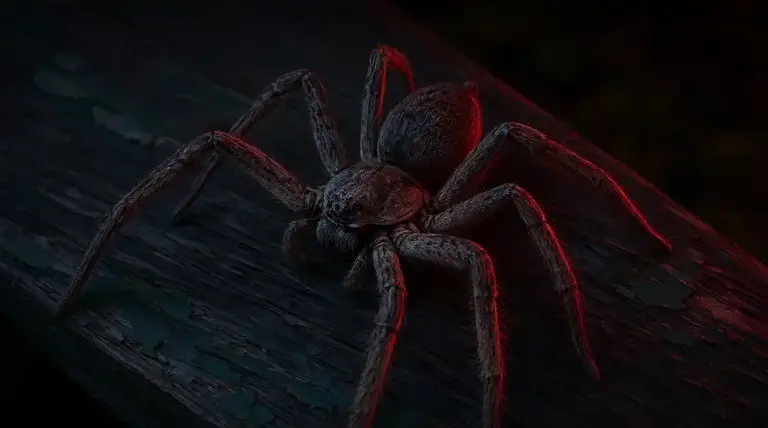
Spiders. Redbacks, white-tails and huntsmans move indoors when outdoor habitat is disturbed. Huntsmans are harmless but alarming; redbacks and white-tails are a medical concern, particularly for children and pets. Expect them in sheds, garages, shoes and folded laundry.
Cockroaches and ants. American and Australian cockroaches flee dry, burnt ground and enter through drains and subfloor vents. Black house ants and coastal brown ants trail inside after water and sweet foods, and European wasps — already aggressive in late summer — become more problematic around outdoor entertaining areas when their usual food sources disappear.
Warning Signs Pests Have Moved In After a Fire
The clearest warning signs are new noises, droppings and a sudden spike in visible pest activity in the days or weeks after fire or extreme heat near your property. Check for the following, u, especially if you back onto bushland or burnt ground:
- Scratching or scurrying in the roof or walls — classic sign of rats or mice nesting in roof voids and wall cavities, often heard at night.
- Droppings in the pantry, garage or along skirting — small, dark pellets indicate active rodent or cockroach activity and should trigger immediate action.
- Chewed wiring, insulation or food packaging — gnaw marks confirm rodents and signal a genuine electrical fire hazard.
- More spiders than usual — webs appearing quickly in sheds, garages, window frames and outdoor furniture after hot, smoky weather.
- Ant trails to water sources — lines of black house ants heading for sinks, pet bowls, bathrooms or air-conditioning condensation.
- Cockroaches near drains and subfloor vents — daytime sightings of large cockroaches usually mean significant numbers nearby.
DIY Pest Proofing vs Professional Pest Control
Sealing entry points and removing attractants is solid DIY work, but established infestations in roof voids, wall cavities and subfloors almost always need a licensed technician. Supermarket baits and sprays rarely reach nesting sites, and misused rodent baits can endanger native wildlife and pets — a serious concern in post-fire landscapes where displaced native animals are already stressed. In bushfire-prone areas, Australian Standard AS 3959 already requires ember-resistant mesh over vents and weep holes; fitting it properly also blocks rodents and larger insects, so bushfire preparation and pest proofing go hand in hand.
| Task | DIY | Professional |
|---|---|---|
| Sealing gaps, door sweeps, flyscreens, 2 mm mesh over vents and weep holes | Yes — straightforward weekend work | Optional; pros spot entry points you’ll miss |
| Clearing leaf litter, firewood and debris from walls | Yes — also reduces ember fuel load | No |
| Rodent infestation in roof void or subfloor | Not recommended — bait risks to pets and wildlife | Yes — licensed baiting and exclusion program |
| Cockroach or spider treatment in wall cavities | Surface sprays only reach visible pests | Yes — targeted, APVMA-compliant treatments |
| Ongoing seasonal management plan | Hard to time around fire bans and access limits | Yes — scheduled around total fire ban days |
What Does Bushfire-Season Pest Control Cost in Australia?
Across the Australian pest control industry, homeowners are generally quoted between roughly $180 and $450 for a general pest treatment in 2025-26, with rodent programs and combined treatments typically sitting higher depending on property size and severity. Market rates vary by state, access (subfloor and roof-void work costs more across the board) and whether you book a one-off visit or an ongoing seasonal plan — the ranges below reflect typical industry figures, not any one provider’s pricing.
| Service | Typical cost (AUD) | What’s included/notes |
|---|---|---|
| Pre-season inspection and report | $0–$150 | Entry-point and activity assessment; some providers charge, others include it free |
| General pest spray (spiders, cockroaches, ants) | $180–$350 | Internal/external treatment of an average 3–4 bedroom home |
| Rodent baiting and monitoring program | $250–$450 | Lockable stations, roof void/subfloor placement, follow-up visit |
| Combined seasonal treatment + exclusion advice | $350–$600 | Multi-pest treatment with proofing recommendations for fire-prone areas |
| Ongoing quarterly plan | $120–$200 per visit | Year-round cover timed around fire season peaks |
It’s worth knowing that Aussie Pest Strike typically comes in well under these market rates for the same scope of work. For an exact quote tailored to your property, give us a call on [aps_phone].
Seasonal Pest Activity Through Fire Season
Post-fire pest pressure climbs sharply from late spring, peaks through January and February, and tapers off as autumn rains restore outdoor habitat. Northern Australia sees the surge earlier — often from late winter — while southern states peak in mid-summer, u, as the chart below shows for typical southern-region activity.
Jan
Feb
Mar
Apr
May
Jun
Jul
Aug
Sep
Oct
Nov
Dec
Typical indoor pest pressure linked to bushfire season in southern Australia: activity builds from October, peaks in January–February as fires displace pests, then eases through autumn as habitat recovers.
After every big fire season we see the same thing — homes within a kilometre or two of burnt ground cop a wave of rats and spiders within a fortnight. The owners who fare best are the ones who sealed up and booked an inspection in November, not the ones ringing us in February with mice in the pantry. Ember mesh and door sweeps cost very little compared with a rodent program after the fact.
Treat bushfire preparation and pest proofing as one job. Before December, seal gaps around doors, windows, pipes and the roofline, fit 2 mm corrosion-resistant mesh over subfloor vents, weep holes and gutters, clear leaf litter and firewood away from walls, fix leaking taps and store food — including pet food — in sealed containers. Then book a professional inspection in late spring or early summer so any treatment is in place before fire danger peaks, and can be scheduled around total fire ban days and access restrictions.
Frequently Asked Questions
Why does bushfire season drive pests into homes?
Fire, extreme heat and smoke strip away the shelter and food that rodents, spiders, cockroaches and ants rely on in leaf litter, logs and burrows. Once their outdoor habitat is destroyed, homes become the nearest reliable source of shelter, food and moisture. Properties near bushland or recently burnt ground are usually hit first, often within days of a fire passing through.
Which pests are most likely to invade after a bushfire?
The most common post-fire invaders are black rats, house mice, redback and huntsman spiders, American and Australian cockroaches, black house ants and European wasps. Each behaves differently — rodents chew wiring and contaminate food, redbacks and white-tails pose a medical concern, cockroaches enter through drains and subfloor vents, and ants trail indoors after water and sweet foods.
What warning signs show pests have moved in after a fire?
Look for scratching or scurrying in the roof or walls at night, droppings in the pantry, garage or along skirting boards, chewed wiring, insulation or food packaging, a sudden increase in spider webs around sheds and window frames, ant trails heading to sinks or pet bowls, and daytime sightings of large cockroaches near drains and subfloor vents.
When is bushfire season in Australia and when is pest pressure highest?
Across most of southern Australia, bushfire season runs from late spring through autumn, peaking in January and February in New South Wales, Victoria, South Australia and Tasmania. Queensland and the Northern Territory often start earlier, from late winter into spring. Post-fire pest pressure climbs sharply from late spring, peaks mid-summer, then eases as autumn rains restore outdoor habitat.
How does my housing style affect pest risk during fire season?
Homes on concrete slabs tend to see invasions through weep holes, door thresholds and pipe penetrations. Older weatherboard homes and Queenslanders with open subfloors give rodents and cockroaches easy harbourage underneath before they climb inside. Properties backing onto bushland, reserves or farmland generally face the sharpest rise in activity after fire or extreme heat.
Can ember protection also help keep pests out?
Yes. In bushfire-prone areas, Australian Standard AS 3959 requires ember-resistant mesh over vents and weep holes, and the same gaps that admit embers admit pests. Fitting 2 mm mesh properly blocks rodents and larger insects as well as embers, so bushfire preparation and pest proofing work hand in hand when done before fire danger peaks.
What pest proofing can I do myself before fire season?
Sealing gaps, fitting door sweeps and flyscreens, installing 2 mm mesh over vents and weep holes, and clearing leaf litter, firewood and debris away from walls are all straightforward weekend jobs. Clearing debris also reduces your ember fuel load. However, established infestations in roof voids, wall cavities and subfloors almost always need a licensed technician.
Why should rodent baits be handled by licensed technicians after a fire?
Misused rodent baits can endanger native wildlife and pets, which is a serious concern in post-fire landscapes where displaced native animals are already stressed. Supermarket baits and sprays rarely reach nesting sites hidden in roof voids, wall cavities and subfloors. Licensed technicians use targeted, APVMA-compliant treatments and lockable bait stations placed safely, with follow-up visits built in.
How can Aussie Pest Strike help me prepare for bushfire-season pests?
Aussie Pest Strike can assess entry points and current pest activity around your property, then recommend sealing, mesh fitting and treatment options suited to fire-prone conditions. Because Aussie Pest Strike typically comes in well under typical market rates for the same scope of work, it is worth contacting them for an exact quote tailored to your property and its proximity to bushland or burnt ground.
Should I book an inspection before fire season peaks?
Yes. Homeowners who seal up and book an inspection early in the season fare far better than those reacting once infestations are established. Aussie Pest Strike offers pre-season inspections covering entry-point and activity assessments, which some providers charge for and others include free. Booking ahead lets treatments be scheduled around total fire ban days and access limits.
Sources & further reading
Found Something
Dangerous?
Don’t touch it. Don’t spray it. Keep kids and pets clear, take a photo from a safe distance, and call us — or book a free inspection and we’ll come to you.
02 7235 0050