Drought and Pests:Why Dry SpellsDrive Them Indoors
Drought and pests go hand in hand across Australia. When rain disappears, ants, cockroaches, spiders, rodents and termites abandon parched soil and head...
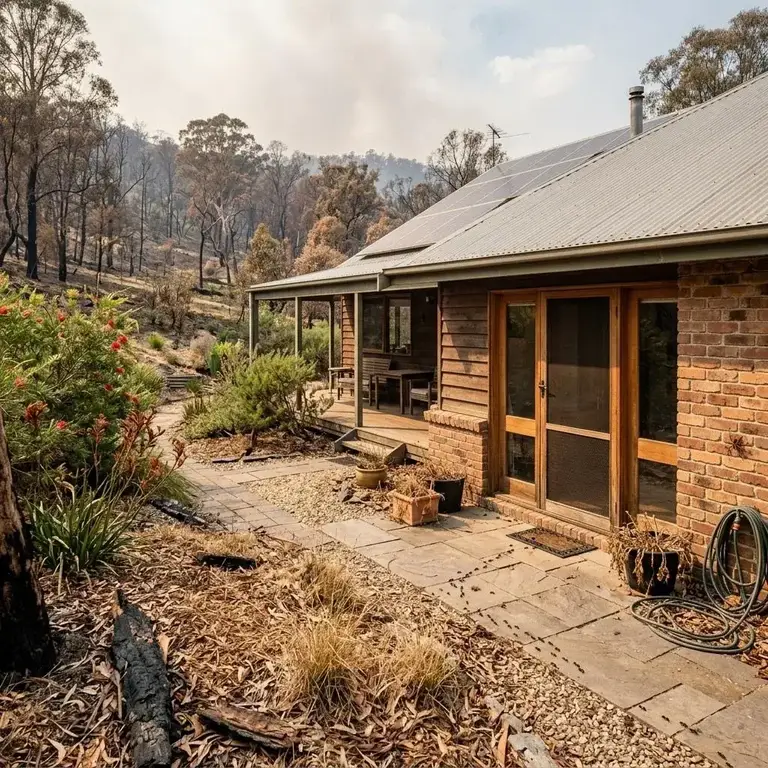
Drought and pests is a stubborn pairing right across Australia, and understanding the link between the two can save your home from a costly invasion. When rain disappears for weeks or months, ants, cockroaches, spiders, rodents and termites abandon parched soil and head indoors in search of water, food and shelter — and your kitchen, bathroom and subfloor become prime targets.
In simple terms, drought-driven pest invasions happen because dry conditions strip away the moisture and food pests rely on outdoors, forcing them to migrate towards the reliable water sources inside Australian homes. Knowing why dry spells trigger infestations — and what to do about it — helps you act before a few scouts become a full-blown invasion that needs serious pest control work to fix.
- Drought shrinks outdoor water and food sources, pushing ants, cockroaches, rodents, spiders and termites into homes.
- Water is the number-one drawcard — kitchens, bathrooms, laundries and subfloors are usually hit first.
- Termites don’t slow down in dry weather; they tunnel deeper and target damp timber around leaks and air-conditioning overflow.
- DIY sprays often scatter stressed colonies deeper into wall voids rather than eliminating them.
- A professional inspection before summer peaks is the most reliable defence during extended dry spells.
Why drought and pests invade Australian homes
Drought drives pests indoors because it removes the moisture and food they depend on outside, while our homes offer dripping taps, pet bowls, drains and stocked pantries. Australia’s climate swings hard between El Niño dry spells and La Niña wet years, and pest populations respond fast to those shifts.
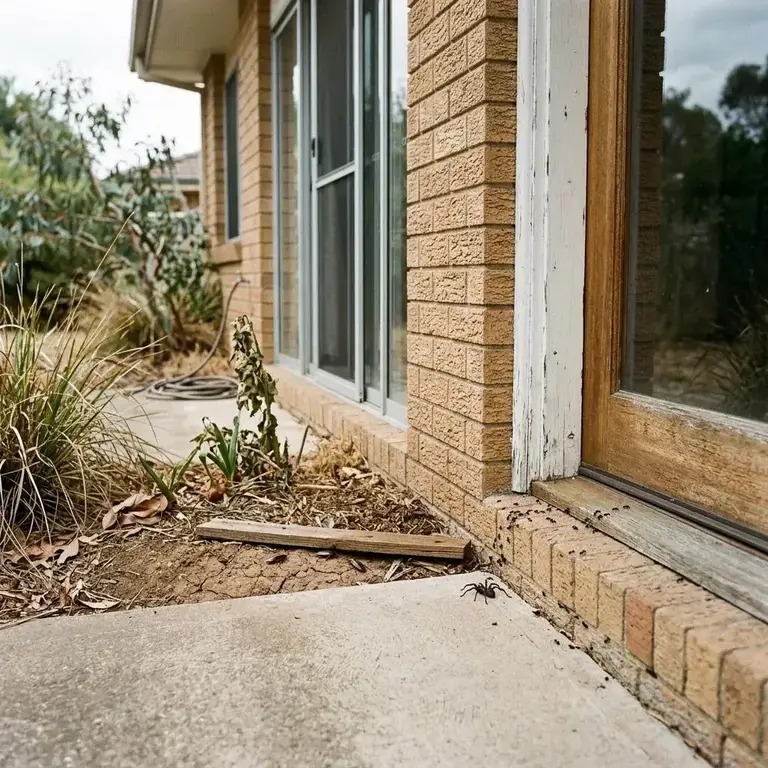
As soil dries and cracks, plants die back and outdoor water sources vanish. Insects, spiders and rodents lose moisture and food at the same time, and your home becomes an oasis in a parched landscape. Housing style matters too. Homes on concrete slabs often see ants entering through weep holes and expansion joints, while older Queenslanders and homes with subfloors provide cool, sheltered voids that cockroaches and rodents love. Brick veneer walls with unsealed penetrations give pests easy entry points around pipes and wiring.
Water is the main drawcard. Many pests survive weeks without food but only days without moisture, which is why kitchens, bathrooms, laundries and subfloors are usually the first places homeowners spot trouble when conditions turn dry. It’s a pattern we see right across the country — the same pressure that drives common summer pests in Sydney homes also pushes pests indoors during Melbourne’s colder months, just for different reasons. And where dry heat combines with bushfire weather, the pressure intensifies further, as covered in our guide to bushfire season and pests.
Which Pests Invade During a Dry Spell?
The most common drought invaders are ants, cockroaches, rodents and termites, with spiders and millipedes close behind. Each species behaves slightly differently, so knowing what you’re dealing with shapes the right response.
Ants. Black house ants and coastal brown ants are notorious drought invaders across New South Wales, Victoria and Queensland. Colonies in dry soil send scouts inside searching for water, and one dripping tap can sustain thousands of workers. Look for trails along benchtops, splashbacks and bathroom vanities.
Cockroaches. German cockroaches thrive in warm kitchens year-round, but dry weather pushes larger species such as American and Australian cockroaches in from gardens, drains and mulch beds. They favour humid hiding spots and can contaminate food preparation surfaces and spread bacteria. Interestingly, the opposite extreme causes problems too — as our article on humidity and pests on the Gold Coast explains, cockroaches exploit moisture wherever they find it.
Rodents. House mice and black rats breed outdoors through spring, then move into roof voids, wall cavities and garages when seed and water dry up over summer. Rodents chew wiring, damage insulation and spread disease, so early control matters.
Termites. Drought doesn’t stop termites. Subterranean species like Coptotermes acinaciformis simply tunnel deeper for moisture and are drawn to damp timber around leaking pipes, air-conditioning overflow and poorly drained areas. Dry conditions can actually make an undetected termite attack more likely, because homeowners assume the risk has dropped.
Warning Signs of a Drought-Driven Infestation
The earliest warning signs are ant trails, droppings, gnaw marks and unusual insect activity around water sources. Catching these early is the difference between a quick fix and a full infestation, so check the following regularly during dry spells:
- Ant trails along benchtops and splashbacks — scouts mapping routes to taps, sinks and pet bowls.
- Cockroach droppings or egg cases — small dark specks in cupboards, behind fridges and under sinks.
- Gnaw marks on packaging or wiring — rodents testing entry points in pantries, garages and roof voids.
- Scratching sounds in ceilings or walls at night — a classic sign of rats or mice nesting indoors.
- Mud tubes on foundations or piers — termite workings, especially near leaking pipes or air-conditioning overflow.
- Spiders and millipedes clustering near doors and windows — often the first wave when soil dries out.
DIY vs Professional Pest Control During Drought
DIY products can knock down visible pests, but during drought they rarely reach the nest — and stressed, highly mobile colonies often scatter deeper into wall voids when hit with repellent sprays. Licensed technicians use APVMA-approved, non-repellent treatments that pests carry back to the colony, achieving control at the source. Professional treatment is also safer around children, pets and native wildlife, and in most states only licensed technicians may legally apply certain rodenticides and termiticides.
| Factor | DIY approach | Professional treatment |
|---|---|---|
| Reach | Kills visible pests only; nests usually survive | Non-repellent products carried back to the colony |
| Risk during drought | Repellent sprays can scatter pests into wall voids | Targeted placement based on pest behaviour |
| Safety | Misuse risks around kids, pets and wildlife | APVMA-approved products applied by licensed technicians |
| Legal limits | Some rodenticides and termiticides restricted | Full access to registered professional products |
| Long-term result | Often short-lived; reinfestation common | Source elimination plus prevention advice |
What Does Drought-Season Pest Control Cost in Australia?
Across the Australian pest control industry, typical market rates range from around $150 for a basic general treatment through to several thousand dollars for termite barriers, depending on property size, pest type and location. The table below shows realistic 2025–26 industry-wide ranges — what the market generally charges, not what any single provider bills. Always get a written quote for your specific property.
| Service | Typical market rate (AUD) | What’s included/notes |
|---|---|---|
| General pest spray (ants, cockroaches, spiders) | $150–$350 | Internal and external treatment of a standard home |
| Rodent control program | $200–$450 | Bait stations, placement and follow-up visits |
| Termite inspection | $200–$400 | Full inspection with moisture meters and written report |
| Termite chemical barrier | $2,000–$5,000+ | Treated zone around the perimeter; varies with home size |
| Combined pest and termite package | $350–$600 | Annual service bundling general treatment and inspection |
Those figures reflect what the broader Australian market typically charges. Aussie Pest Strike typically comes in well under these industry rates, so for an exact quote tailored to your property, give the team a call on [aps_phone] today.
Seasonal Pest Activity Through the Year
Pest pressure from drought conditions typically builds through late spring, peaks over summer and stays elevated into autumn while soils remain dry. The chart below shows typical indoor pest pressure across the year during an extended dry spell.
Jan
Feb
Mar
Apr
May
Jun
Jul
Aug
Sep
Oct
Nov
Dec
Typical indoor pest pressure during drought conditions: activity climbs from spring, peaks across December–February as heat and dryness bite, and eases through winter — though established indoor infestations persist year-round.
Every long dry spell, we see the same pattern: ants first, then cockroaches, then the rodents move into roof voids once the seed runs out. Homeowners often assume drought means fewer pests, but it’s the opposite — your house becomes the only reliable water source for streets. The earlier we treat, the smaller the problem.
Don’t wait for visible trails and droppings. Fix leaking taps and air-conditioning overflow, seal entry points around doors, windows and pipe penetrations, store food in airtight containers, and keep mulch and firewood away from external walls. Then book a professional inspection before summer peaks — particularly if your property has any history of termite or rodent activity.
Frequently Asked Questions
Why do drought conditions drive pests into Australian homes?
Drought removes the moisture and food pests rely on outdoors. As soil dries and cracks, plants die back and outdoor water sources vanish, so ants, cockroaches, spiders, rodents and termites migrate towards the reliable water inside homes — dripping taps, pet bowls, drains and stocked pantries. Many pests survive weeks without food but only days without moisture, which is why kitchens, bathrooms, laundries and subfloors are usually hit first during extended dry spells.
Which pests are most likely to invade during a dry spell?
The most common drought invaders are ants, cockroaches, rodents and termites, with spiders and millipedes close behind. Black house ants and coastal brown ants send scouts indoors for water, German cockroaches thrive in warm kitchens while larger American and Australian species move in from gardens and drains, house mice and black rats shift into roof voids when seed dries up, and subterranean termites tunnel deeper to reach damp timber.
How does drought affect termites?
Drought doesn't stop termites. Subterranean species like Coptotermes acinaciformis simply tunnel deeper into soil searching for moisture, and they are drawn to damp timber around leaking pipes, air-conditioning overflow and poorly drained areas. Dry conditions can actually make an undetected termite attack more likely, because homeowners assume the risk has dropped when the weather turns dry, leaving infestations unnoticed until damage is well advanced.
What warning signs indicate a drought-driven pest infestation?
Early signs include ant trails along benchtops, splashbacks and bathroom vanities; small dark cockroach droppings or egg cases in cupboards, behind fridges and under sinks; gnaw marks on packaging or wiring in pantries, garages and roof voids; scratching sounds in ceilings or walls at night from rats or mice; mud tubes on foundations or piers indicating termite workings; and spiders or millipedes clustering near doors and windows as soil dries out.
Why can DIY sprays make a drought pest problem worse?
DIY products can knock down visible pests, but during drought they rarely reach the nest. Stressed, highly mobile colonies often scatter deeper into wall voids when hit with repellent sprays, making the problem harder to locate and treat. Licensed technicians instead use APVMA-approved, non-repellent treatments that pests carry back to the colony, achieving control at the source rather than just displacing it elsewhere in the home.
What legal restrictions apply to drought-season pest control products?
In most states, only licensed technicians may legally apply certain rodenticides and termiticides, so some products are restricted from general public use. Professionals also have full access to registered professional products that aren't available over the counter. Beyond legality, professional treatment is generally safer around children, pets and native wildlife because products are APVMA-approved and placed in targeted locations based on pest behaviour.
When is pest pressure highest during an extended dry spell?
Pest pressure typically builds through late spring, peaks across December to February as heat and dryness bite hardest, and stays elevated into autumn while soils remain dry. The usual pattern sees ants arrive first, then cockroaches, then rodents moving into roof voids once outdoor seed runs out. Established indoor infestations persist year-round even after conditions ease, so early treatment keeps problems smaller.
How does housing style affect drought pest invasions?
Housing construction shapes where pests enter and shelter. Homes on concrete slabs often see ants entering through weep holes and expansion joints. Older Queenslanders and homes with subfloors provide cool, sheltered voids that cockroaches and rodents love. Brick veneer walls with unsealed penetrations give pests easy entry points around pipes and wiring, so sealing these gaps matters during dry spells when pressure to get indoors is high.
How would Aussie Pest Strike assess the signs of a drought-driven infestation in my home?
A technician would inspect the areas this article highlights: tracing ant trails along benchtops and splashbacks back to entry points, checking cupboards, behind fridges and under sinks for cockroach droppings or egg cases, looking for gnaw marks and listening for scratching in roof voids, and examining foundations and piers for termite mud tubes near leaks or air-conditioning overflow. Moisture meters and a written report help pinpoint where dry-weather pests are entering and nesting.
What should I do before booking Aussie Pest Strike during a dry spell?
Take practical steps first: fix leaking taps and air-conditioning overflow, seal entry points around doors, windows and pipe penetrations, store food in airtight containers, and keep mulch and firewood away from external walls. These changes remove the water and shelter drawing pests indoors. Then arrange a professional inspection before summer peaks, particularly if your property has any history of termite or rodent activity, so treatment targets the source early.
Sources & further reading
Found Something
Dangerous?
Don’t touch it. Don’t spray it. Keep kids and pets clear, take a photo from a safe distance, and call us — or book a free inspection and we’ll come to you.
02 7235 0050