Heatwaves and Pests:Why Extreme HeatDrives Them Inside
Heatwaves and pests — Heatwaves pests — heatwave pests move indoors because extreme heat dries out their outdoor food and water sources, pushing insects and...
Heatwave pests are the insects and rodents pushed indoors when extreme heat dries out their outdoor food and water sources, driving them toward the cool, moist shelter of your home as the mercury climbs past 40°C across Australia. Every summer, from Adelaide’s scorchers to western Sydney’s heat domes, pest behaviour shifts fast — and homeowners feel it within days. In this guide, we break down why heat drives pests inside, which species to watch for, and what practical steps protect your property.
Put simply, heatwave pest invasions occur when extreme outdoor temperatures strip pests of water and shelter, forcing ants, cockroaches, spiders and rodents to migrate indoors toward moisture and stable temperatures. Think of it as an “e” grade for outdoor liveability — when conditions outside fail, your home tops the class. Understanding this pattern is the first step in effective pest control during Australia’s brutal summer months.
- Heatwaves push pests indoors because extreme heat evaporates their outdoor water sources and bakes their shelter.
- Ants, cockroaches, spiders and rodents are the most common heatwave invaders in Australian homes.
- Controlling indoor moisture — leaks, condensation, pet bowls — is the single most effective deterrent.
- Heat alone rarely kills pests in a home setting; they simply relocate to cooler cavities.
- A licensed technician’s targeted treatment, typically $180–$450, is the fastest way to reset after a heatwave surge.
Why Heatwave Pests Invade Australian Homes
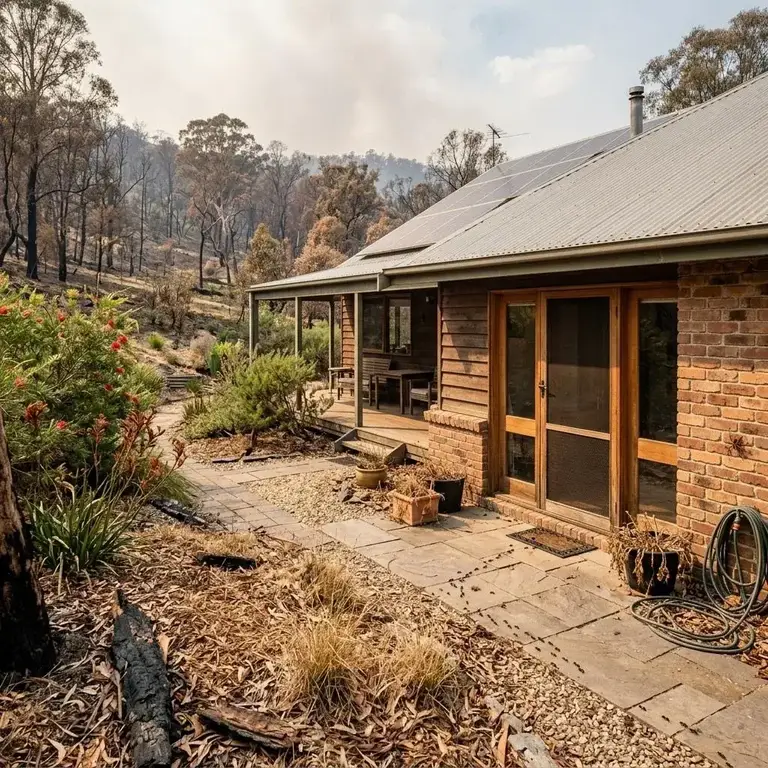
Heat pushes pests indoors because it destroys the two things they need most outside: water and tolerable shelter. During a heatwave, exposed ground bakes, puddles evaporate and vegetation wilts, stripping pests of the moisture they depend on. Ants, cockroaches and spiders follow moisture gradients straight into kitchens, bathrooms and laundries, while rodents seek the coolest available shelter — often subfloors and wall cavities.
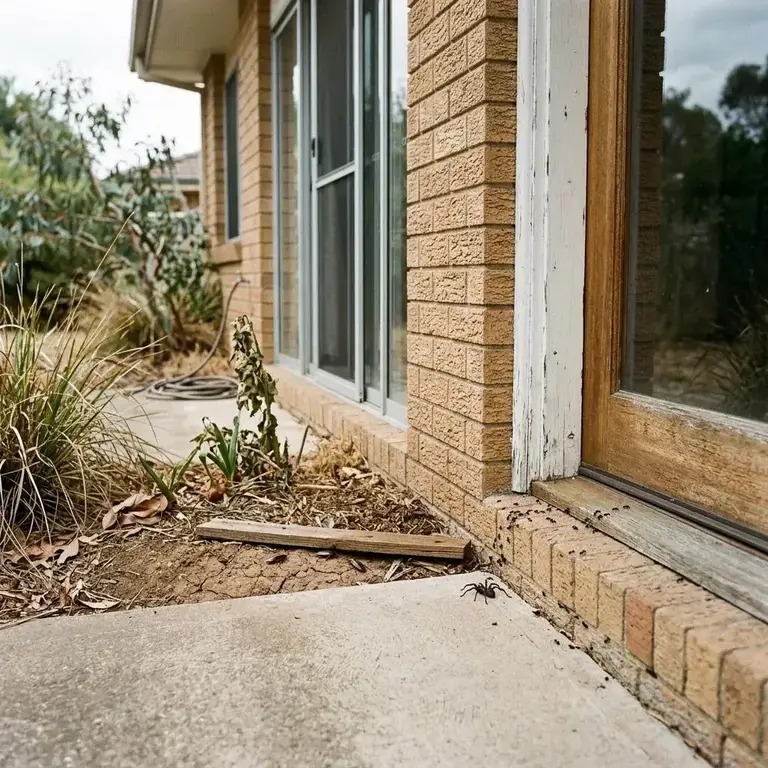
Australian housing makes this worse. Older homes on stumps, like Queenslanders and weatherboard cottages, offer shaded, breezy subfloors that stay dramatically cooler than the outside air. Brick veneer homes on concrete slabs retain cooler internal temperatures along slab edges and behind appliances. Add air conditioning condensation, dripping garden taps and pet water bowls, and your property becomes an oasis in a dead landscape.
This behaviour overlaps heavily with the broader summer surge covered in our guide to common summer pests in Sydney homes, but heatwaves compress that activity into sudden, intense pushes indoors. Instead of a gradual build-up over weeks, you can go from no ants to a full trail across the benchtop in a single 42°C afternoon. It’s the inverse of the cool-weather migration described in our article on winter pest problems in Melbourne — in winter pests chase warmth, in a heatwave they chase coolth and water.
Warning Signs of a Heatwave Pest Invasion
The clearest warning sign of heatwave pest activity is a sudden appearance of insects around water sources during or immediately after a run of hot days. Check for these indicators around your home:
- Ant trails to water: lines of ants marching to sinks, taps, pet bowls, fridge drip trays or bathroom vanities — the classic heatwave invader behaviour.
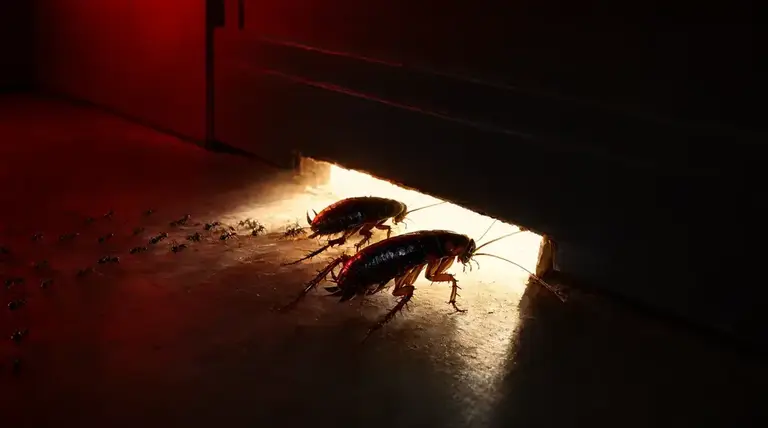
- Cockroaches in daylight: roaches spotted during the day near drains, sinks or dishwashers signal overcrowding driven indoors by heat.
- Spider webs in new places: webs appearing quickly in garages, laundries, window frames and under outdoor furniture as spiders follow prey inside and shelter from radiant heat.
- Scratching in walls or under the floor: rodents retreating to cool cavities and subfloors during the hottest part of the day, often heard at dawn and dusk.
- Wasps hovering at water: wasps defending pools, birdbaths, dripping taps and pet bowls, growing noticeably more aggressive as the heat builds.
- Droppings in cool zones: small dark droppings behind the fridge, around the hot water system or in the laundry where microclimates stay liveable.
If you’re ticking more than one of these during a hot spell, the heatwave has effectively rerouted the local pest population through your house. Don’t wait for the weather to break — the infestation often stays after the temperature drops.
DIY vs Professional Pest Control During a Heatwave
DIY prevention is genuinely effective for heatwave pests because moisture control is the core of the problem — but once pests have established inside wall cavities or subfloors, professional treatment reaches what sprays and baits from the hardware store can’t. Because moisture is the magnet, the same principles that fuel the humidity and pest connection on the Gold Coast apply in reverse during a heatwave: control water and you control the pests. Here’s how the two approaches compare.
| Factor | DIY approach | Professional treatment |
|---|---|---|
| Fix dripping taps and leaks | Easy DIY; removes the indoor water pests seek | Technician identifies hidden moisture sources you’d miss |
| Seal gaps and door sweeps | Cheap and effective for obvious entry points | Full inspection finds subfloor vents, weep holes and roof gaps |
| Wipe up condensation and spills | Daily habit; denies moisture at kitchen and bathroom hotspots | Advice on ventilation and drainage for lasting results |
| Cover pet bowls between feeds | Cuts an easy water and food source | Combined with gel baits and barriers where activity persists |
| Treating established nests/colonies | Surface sprays kill visible pests but rarely the source | Licensed technicians use APVMA-approved products targeted at nests, voids and harbourages |
A quick note on safety: no chemical treatment should ever be described as completely risk-free. For anything beyond basic baits and barrier sprays, use a licensed pest control technician who applies APVMA-registered products at the correct rates, particularly in homes with kids, pets or fish tanks.
What Does Heatwave Pest Treatment Cost in Australia?
Across the Australian market, most general heatwave pest treatments typically cost between $180 and $450, depending on property size, pest type and access. The figures below reflect typical 2025–26 industry rates charged by operators in metro and regional areas — severe infestations or difficult subfloor access generally sit at the higher end of the market.
| Service | Typical cost (AUD) | What’s included/notes |
|---|---|---|
| General pest spray (ants, cockroaches, spiders) | $180–$330 | Internal and external barrier treatment for a standard 3–4 bedroom home |
| Rodent treatment program | $220–$450 | Bait stations in subfloor/roof void, follow-up visit, entry-point advice |
| Wasp nest removal | $150–$300 | Nest treatment and removal; higher for roof voids or aggressive colonies |
| Ant colony treatment (gel baiting) | $180–$350 | Targets the nest rather than trailing workers; often includes service warranty |
| Subfloor/roof void dusting | $120–$250 (add-on) | Treats the cool cavities where heatwave pests harbour |
Many operators across the industry offer a free inspection and quote, so you can confirm the species and severity before spending a dollar. Be wary of quotes well below these typical market ranges — they often mean a splash-and-dash spray with no warranty.
Here’s the good news: Aussie Pest Strike typically comes in well under these general market rates, without cutting corners on treatment quality or warranty. For an exact quote tailored to your property and pest problem, give us a call on [aps_phone] today.
Seasonal Pest Activity Across the Year
Heatwave-driven indoor pest activity peaks from December through February, when extreme temperature days are most frequent across southern and inland Australia. Activity stays elevated into March, dips through winter as pests switch to warmth-seeking behaviour, then ramps up again from October as the first hot spells hit. The chart below shows typical relative indoor pest pressure during hot-weather events, month by month.
Jan
Feb
Mar
Apr
May
Jun
Jul
Aug
Sep
Oct
Nov
Dec
Indicative heatwave-driven indoor pest activity across Australia. Peaks align with December–February extreme heat events; winter lows reflect a shift to warmth-seeking rather than moisture-seeking behaviour.
The Danger Overlap: When Heat Pushes Risky Species Your Way
Extreme heat doesn’t just relocate nuisance pests — it pushes dangerous species into closer contact with people. Snakes and spiders both seek cool, sheltered spots during heatwaves, so garages, laundries and subfloors see more activity exactly when you’re ducking in and out of those spaces.
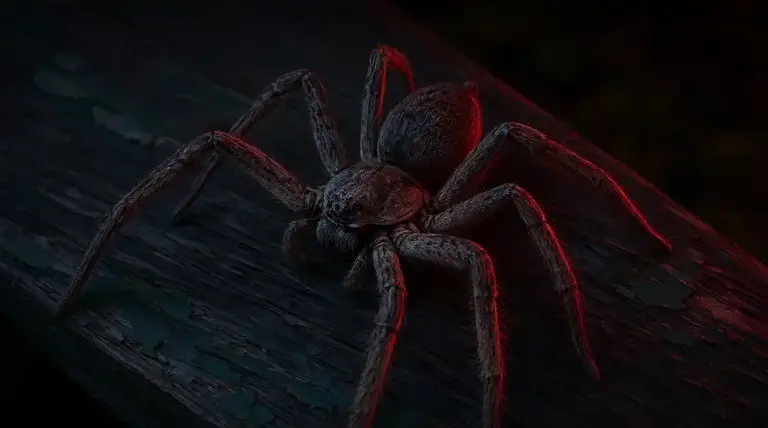
Redback spiders in particular favour dry, protected nooks such as under outdoor furniture, in letterboxes and around garden edging, all of which become more attractive when the ground bakes. Wasps also grow more aggressive around any water source in a heatwave, defending pools, pet bowls and dripping taps, which raises the sting risk precisely when families spend more time outdoors chasing relief from the heat.
Prioritise the cool, damp zones pests target first: check under the house, behind the fridge, around the hot water system and in the laundry. These microclimates stay liveable when the outside world is unbearable, and they are where a heatwave-driven infestation usually takes hold. One related question we hear often is whether heat kills pests outright. Sustained temperatures above about 45°C can be lethal to some insects — that’s the principle behind professional heat treatment for bed bugs — but in a normal home, pests simply avoid the extremes by moving indoors, so a heatwave rarely reduces numbers on its own.
After every big heat event we see the same pattern: phones ringing two days later because the ants and roaches have already settled in. People think the hot weather will wipe pests out, but the house is their escape plan. Fix your leaks before summer and you’ll be ahead of ninety per cent of the calls we take.
Before the next heatwave, walk your property and eliminate every easy water source: repair dripping taps, fit door sweeps, cover pet bowls between feeds and clear weep holes. If pests have already moved in, book a licensed technician for a targeted treatment of kitchens, wet areas, subfloor and roof void — treating the source, not just the trails you can see. A general treatment in the $180–$330 range, timed in late spring, is the best-value defence for most Australian homes.
Frequently Asked Questions
Why do pests come inside during a heatwave?
Extreme heat strips pests of the two things they need outdoors: water and tolerable shelter. Puddles evaporate, ground bakes and vegetation wilts, so ants, cockroaches, spiders and rodents follow moisture gradients into kitchens, bathrooms and laundries. Rodents seek cool cavities such as subfloors and wall spaces. Your home, with its air conditioning condensation, dripping taps and pet bowls, becomes an oasis in an otherwise dried-out landscape.
Which pests are most likely to invade my home in extreme heat?
The article identifies ants, cockroaches, spiders and rodents as the most common heatwave invaders in Australian homes. Ants form trails to water sources, cockroaches appear near drains and sinks, spiders build webs in garages and laundries while following prey indoors, and rodents retreat to cool subfloors and wall cavities. Wasps also become more aggressive around pools, birdbaths and dripping taps during hot spells.
What are the warning signs of a heatwave pest invasion?
Key indicators include ant trails marching to sinks, taps, pet bowls or fridge drip trays; cockroaches spotted in daylight near drains or dishwashers; new spider webs appearing quickly in garages, laundries and window frames; scratching sounds in walls or under floors at dawn and dusk; wasps hovering defensively at water sources; and small dark droppings behind fridges, around hot water systems or in laundries where microclimates stay liveable.
Does extreme heat kill pests instead of driving them inside?
Heat alone rarely kills pests in a home setting — they simply relocate to cooler cavities. During a heatwave, exposed outdoor conditions destroy their water sources and shelter, so pests migrate toward stable temperatures and moisture rather than dying off. This is why infestations often persist even after the temperature drops: once pests have established themselves inside your walls, subfloor or roof void, they tend to stay unless actively treated.
How does Australian housing style affect heatwave pest problems?
Older homes on stumps, such as Queenslanders and weatherboard cottages, offer shaded, breezy subfloors that stay dramatically cooler than outside air, making them attractive rodent shelters. Brick veneer homes on concrete slabs retain cooler internal temperatures along slab edges and behind appliances. Combined with air conditioning condensation, dripping garden taps and pet water bowls, these features turn many Australian properties into refuges when the surrounding landscape bakes.
What DIY steps help prevent heatwave pests?
Moisture control is the core of prevention. Fix dripping taps and leaks, seal gaps and fit door sweeps, wipe up condensation and spills daily in kitchen and bathroom hotspots, and cover pet bowls between feeds. These habits remove the indoor water that draws pests inside. However, once pests have established colonies within wall cavities or subfloors, surface sprays and hardware-store baits rarely reach the source, and professional treatment becomes necessary.
When is professional pest control needed during a heatwave?
DIY moisture control works well for prevention, but established nests and colonies hidden in wall voids, subfloors or roof spaces require professional treatment. Licensed technicians can identify hidden moisture sources you would miss, inspect subfloor vents, weep holes and roof gaps, and apply APVMA-approved products targeted at nests and harbourages. For anything beyond basic baits and barrier sprays, especially in homes with children, pets or fish tanks, use a licensed technician.
When is heatwave pest activity highest through the year?
Heatwave-driven indoor pest activity peaks from December through February, when extreme temperature days are most frequent across southern and inland Australia. Activity stays elevated into March, then dips through winter as pests switch to warmth-seeking behaviour rather than chasing coolth and water. Pressure ramps up again from October as the first hot spells hit, compressing what would normally be a gradual summer build-up into sudden, intense pushes indoors.
What should I discuss with a technician about heatwave pests?
Aussie Pest Strike technicians will typically want to know which warning signs you have noticed — ant trails to water, daytime cockroach sightings, scratching in walls, or droppings in cool zones — and when they started relative to the hot spell. Expect discussion of your property's moisture sources, such as leaks, condensation and pet bowls, plus access points like subfloor vents and weep holes. They can confirm the species involved and recommend targeted treatment for any established nests.
What is a practical next step after noticing heatwave pest activity?
Start with a free inspection and quote from Aussie Pest Strike so you can confirm the species and severity before committing to treatment. Meanwhile, begin moisture control immediately: fix dripping taps, cover pet bowls between feeds and wipe up condensation, since water is the magnet drawing pests inside. Avoid relying on splash-and-dash surface sprays, which kill visible pests but rarely reach nests hidden in wall cavities or subfloors.
Sources & further reading
Found Something
Dangerous?
Don’t touch it. Don’t spray it. Keep kids and pets clear, take a photo from a safe distance, and call us — or book a free inspection and we’ll come to you.
02 7235 0050