La Niña andWet Weather: ThePest Explosion Explained
La nia and — La nia wet — Wet weather pests — la Niña pests explode because the weather pattern brings above-average rainfall and humidity to eastern...
When people search for la nina pests, they’re usually seeing the same pattern on the ground: the Bureau of Meteorology declares La Niña, rain and humidity surge across eastern Australia, and licensed pest controllers brace for one of the busiest years on record. Soggy soils, warm nights and swollen waterways create ideal breeding conditions for mosquitoes, termites, cockroaches and rodents all at once.
La Niña and wet weather pest explosion is the compounding surge in pest activity caused when a La Niña climate pattern delivers sustained rain, flooding and high humidity, triggering accelerated breeding across multiple pest species simultaneously. This article explains exactly why wet weather drives such dramatic surges, which pests to watch, and what practical steps protect your home before, during and after the rain.
- La Niña brings above-average rain and humidity, fuelling breeding for mosquitoes, termites, cockroaches, rodents and ants at the same time.
- Mosquitoes respond fastest — larvae can complete their cycle in about a week in warm, standing water.
- Pest pressure often peaks after the rain, as floodwater recedes and displaced pests seek dry ground inside homes.
- Consistent water management — draining, gutter clearing, subfloor ventilation — is the single most effective defence through a wet season.
- Budget roughly $180–$450 for general pest treatments and $250–$400 for termite inspections during high-pressure wet years.
la nina pests: why wet weather matters for Australian homes
La Niña matters because it shifts warm ocean water toward Australia, boosting cloud, rain and humidity along the east coast — and every one of those conditions supercharges pest breeding around Australian housing. The knock-on effect is enormous: standing water for mosquito larvae, damp soil that keeps subterranean termites foraging, lush vegetation feeding insect populations, and abundant seed and growth fuelling rodent breeding. La Niña pests are essentially a chain reaction that starts with excess water.
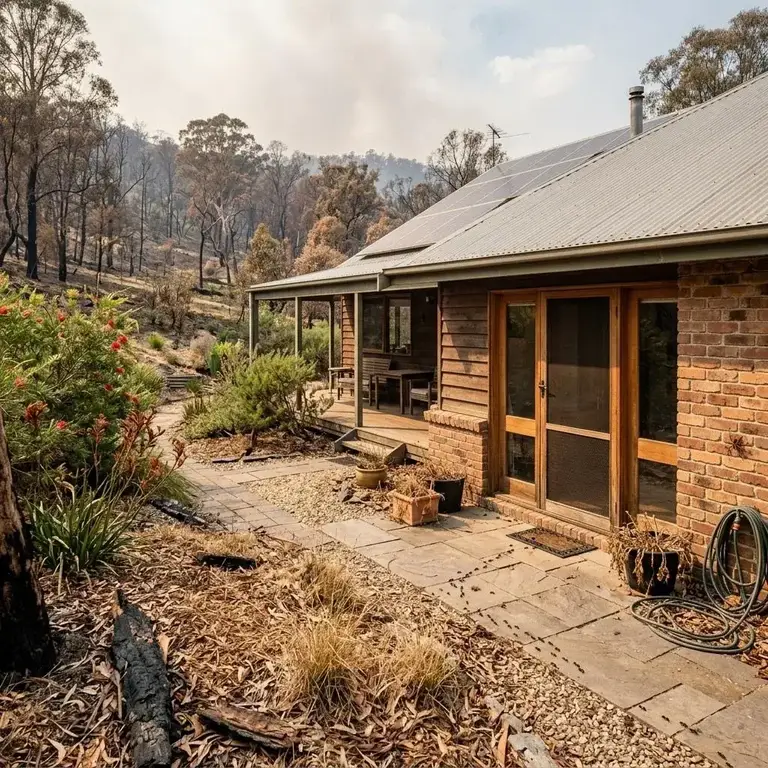
Australian housing styles amplify the problem. Homes on concrete slabs can trap moisture at the slab edge where termites enter unseen, while older subfloor homes — including Queenslanders and weatherboard cottages — develop damp, poorly ventilated voids that termites and cockroaches love. Brick veneer homes hold humid air in wall cavities after sustained rain. Whether you’re dealing with the surge of common summer pests in Sydney homes, the issues covered in our guide to humidity and pests on the Gold Coast, or soggy conditions further south, wet weather rewires pest behaviour across the country.
The Pests That Boom in Wet Years
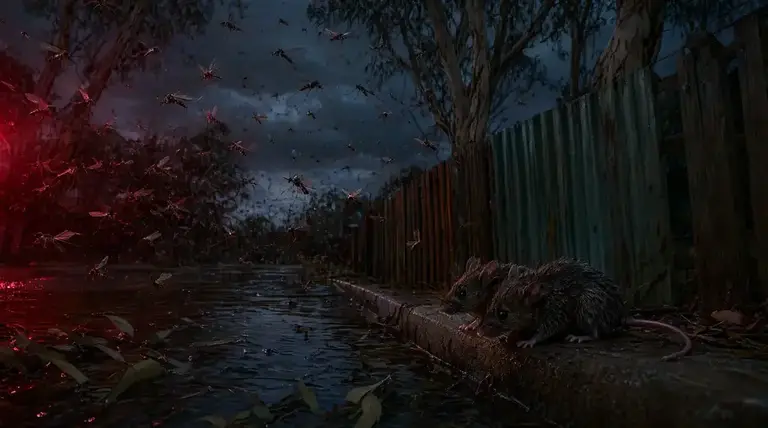
The fastest and most visible wet-weather boomers are mosquitoes, followed by termites, cockroaches, rodents and ants as conditions compound. Each rain event leaves pools where mosquitoes can complete their life cycle in about a week in warm weather, and wet La Niña summers have historically driven spikes in mosquito-borne illness, making backyard control critical — our backyard mosquito control guide is a good starting point.
Damp conditions are a gift to subterranean termites, keeping soil moist and expanding their foraging range toward homes. High humidity drives cockroach and silverfish activity indoors, while waterlogged ground pushes rodents toward sheds, garages and kitchens. Lush growth also feeds booming ant colonies, which is why a wet season rarely produces just one pest problem — it produces several at once.
Warning Signs: Your Wet Weather Pest Checklist
The key warning signs of a wet-weather pest build-up are standing water, damp soil against the house, swarming insects after rain and pests appearing indoors where they don’t belong. Act on this checklist after every downpour:
- Standing water — drain and tip out pot plant saucers, tarps, buckets and toys after every downpour; mosquito larvae need only about a week.
- Blocked gutters and drains — clear them so water cannot pool against the roofline or foundations.
- Leaks and subfloor dampness — fix leaking taps and pipes and improve subfloor ventilation to deter termites.
- Food left accessible — store food securely as rodents move indoors from waterlogged ground.
- Mud tubes, swarming or damp patches — watch for termite mud leads, alate swarms and new ant trails after rain.
- Unfamiliar pests indoors — spiders, ants and cockroaches turning up suddenly often signal displacement from saturated ground.
After the Rain: The Second Wave
Pest pressure often peaks weeks after the rain stops, as floodwater recedes and displaced pests seek higher, drier ground — frequently your home. This is closely linked to the surge covered in our pest control after floods guide, and it means vigilance should continue well past the last storm.
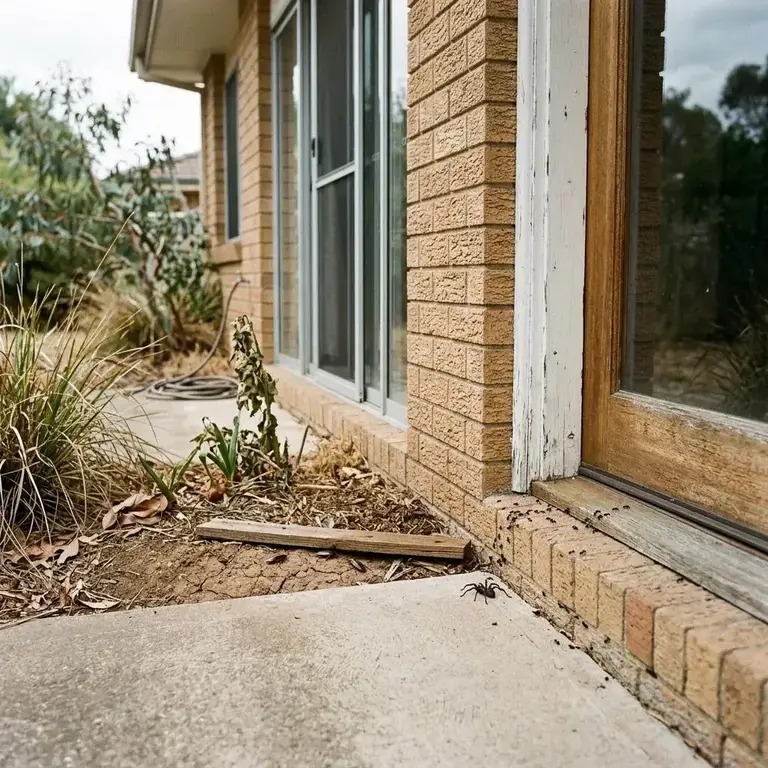
Flooding evicts ground-dwelling pests from their burrows and nests, sending them climbing walls, fences and into homes on higher ground. Redback spiders and various ant species are notorious for turning up indoors in the days after heavy rain, and even funnel-web spiders become more visible on the ground in saturated Sydney and Newcastle soils. This displacement effect is why a wet spell can produce a wave of la nina pests appearing all at once, well away from where they normally live — and why pests moving indoors isn’t just a cold-weather problem.
DIY vs Professional Pest Control in a Wet Season
DIY steps — draining water, clearing gutters, storing food securely — are genuinely effective as prevention, but established infestations of termites, rodents or cockroaches in a La Niña year typically need a licensed technician. Chemical treatments should always be applied by a licensed pest control professional in line with APVMA-registered label directions; no treatment can be called completely safe or guaranteed, and wet conditions can change how products perform.
| Factor | DIY approach | Professional treatment |
|---|---|---|
| Best for | Prevention, minor mosquito and ant issues | Termites, rodents, established infestations |
| Typical cost | $20–$80 in hardware-store products | $180–$450+ per treatment |
| Effectiveness in wet weather | Reduced — rain washes away surface sprays | Timed and placed by a technician for wet conditions |
| Safety | Label directions must be followed exactly | APVMA-registered products applied by licensed technicians |
| Long-term protection | Ongoing effort needed all season | Scheduled treatments across the whole event |
How Long the Boom Lasts — and What It Costs
A La Niña event can persist for months, and because breeding compounds, pest populations late in a wet season can be many times larger than at the start — so early, consistent effort pays off across the whole event. The Bureau of Meteorology often confirms the pattern well before its peak, giving households useful warning. Keep draining water weekly, keep gutters clear and monitor subfloor dampness right through the wet period rather than treating each downpour as a one-off.
To help you budget, here’s what the Australian pest control industry generally charges in 2025–26. These are typical market rates — figures vary by property size, pest pressure and location:
| Service | Typical market rate (AUD) | What’s included/notes |
|---|---|---|
| General pest treatment (cockroaches, ants, spiders) | $180–$350 | Internal/external spray, dusting of voids; larger homes higher |
| Mosquito treatment | $200–$400 | Barrier treatment of foliage and resting areas; repeat visits in wet years |
| Termite inspection | $250–$400 | Full inspection with moisture readings and written report |
| Rodent control program | $250–$450 | Baiting/trapping plus follow-up visits; lockable stations |
| Post-flood pest treatment | $300–$550 | Multi-pest treatment for displaced spiders, ants and cockroaches |
Those figures are what’s typical across the Australian market — but Aussie Pest Strike typically comes in well under these rates. For an exact quote tailored to your property, give us a call on [aps_phone].
Seasonal Pest Activity During a La Niña Year
In a La Niña year, pest activity climbs sharply from late spring, peaks through the wet summer months and stays elevated into autumn as displaced pests linger. The chart below shows typical relative activity across the calendar year in an above-average rainfall season:
Jan
Feb
Mar
Apr
May
Jun
Jul
Aug
Sep
Oct
Nov
Dec
Activity builds from October, peaks in late summer as breeding compounds, and stays elevated into autumn as flood-displaced pests seek shelter indoors — then eases through the cooler, drier months.
In a La Niña year we see termite moisture readings spike around slab edges and subfloors weeks before homeowners notice anything. The biggest mistake is relaxing once the rain stops — that’s exactly when displaced spiders, ants and rodents start turning up inside. Manage the water consistently through the whole event and you’ll avoid the worst of the surge.
As soon as a La Niña or heavy wet season is forecast, book a professional inspection, clear gutters, drain all standing water weekly and check subfloor ventilation. Schedule general pest and termite treatments early in the season rather than waiting for the post-rain second wave — prevention through the first rains is far cheaper than treating a compounded infestation later.
Frequently Asked Questions
Why does La Niña cause a surge in pests around Australian homes?
La Niña shifts warm ocean water toward Australia, bringing above-average rain and humidity along the east coast. That excess water creates standing pools for mosquito larvae, keeps soil damp so subterranean termites can forage further, fuels lush vegetation that feeds insects and ants, and supports rodent breeding. The result is a compounding chain reaction where several pest species boom at the same time rather than one at a time.
Which pests increase the most during wet La Niña conditions?
Mosquitoes respond fastest, completing their life cycle in about a week in warm, standing water. Termites thrive as damp soil expands their foraging range toward homes. High humidity drives cockroaches and silverfish indoors, waterlogged ground pushes rodents into sheds, garages and kitchens, and lush growth feeds booming ant colonies. A wet La Niña season rarely produces just one pest problem — it produces several simultaneously.
Why do pests keep appearing inside my home after the rain has stopped?
Pest pressure often peaks weeks after rainfall ends. As floodwater recedes, it evicts ground-dwelling pests from burrows and nests, sending them climbing walls, fences and into homes on higher ground seeking dry shelter. The practical next step is to note the signs, inspect the relevant area carefully, and seek property-specific advice if the issue continues.
What warning signs should I look for after heavy rain?
After every downpour, check for standing water in pot plant saucers, tarps, buckets and toys; blocked gutters and drains; leaking taps and damp subfloors; accessible food that could attract rodents; termite mud tubes or alate swarms; new ant trails; and unfamiliar pests like spiders, ants or cockroaches indoors. Sudden indoor appearances often signal displacement from saturated ground outside.
Do different home styles affect wet weather pest risk?
Yes. Homes on concrete slabs can trap moisture at the slab edge where termites enter unseen. Older subfloor homes such as Queenslanders and weatherboard cottages develop damp, poorly ventilated voids that termites and cockroaches favour. Brick veneer homes hold humid air in wall cavities after sustained rain, extending the damp conditions pests need well beyond the rain event itself.
Can I handle wet season pest prevention myself?
DIY steps are genuinely effective for prevention: drain standing water weekly, clear gutters, fix leaks, improve subfloor ventilation and store food securely. However, established infestations of termites, rodents or cockroaches during a La Niña year typically need a licensed technician. Rain also washes away surface sprays, reducing DIY effectiveness, and chemical treatments should always be applied by licensed professionals following APVMA-registered label directions.
How long does a La Niña pest boom last?
A La Niña event can persist for months, and because breeding compounds over time, pest populations late in the wet season can be many times larger than at the start. Activity typically builds from October, peaks through the wet summer months, and stays elevated into autumn as flood-displaced pests seek shelter indoors before easing in cooler, drier months. Consistent effort across the whole event matters more than one-off treatments.
What is the single most effective defence against La Niña pests?
Consistent water management is the most effective defence throughout a wet season. That means draining and tipping out anything holding water weekly, keeping gutters and drains clear so water cannot pool against the roofline or foundations, fixing leaks, and improving subfloor ventilation to deter termites. Manage the water consistently through the entire event rather than treating each downpour as a separate problem.
How can Aussie Pest Strike tell whether my pest problem is linked to wet weather displacement?
Wet weather pests can be confusing because spiders, ants and rodents appearing indoors after rain are often displaced from saturated ground rather than nesting in your home. Aussie Pest Strike can inspect your property, read moisture levels around slab edges and subfloors, and distinguish between pests simply sheltering from floodwater and those establishing inside. That difference shapes whether you need exclusion work, targeted treatment or ongoing monitoring through the rest of the wet season.
When should I contact Aussie Pest Strike during a La Niña season?
The best time is as soon as a La Niña pattern or heavy wet season is forecast, before populations compound — late-season pest numbers can be many times larger than early-season ones. Aussie Pest Strike can arrange an inspection with moisture readings, identify vulnerable areas like slab edges and subfloor voids, and set up scheduled treatments timed for wet conditions. Booking early means monitoring continues right through the event instead of reacting to each downpour.
Sources & further reading
Found Something
Dangerous?
Don’t touch it. Don’t spray it. Keep kids and pets clear, take a photo from a safe distance, and call us — or book a free inspection and we’ll come to you.
02 7235 0050