Winter Pests inAustralia: WhatSurvives the Cold
Winter pests in Australia hide rather than die: rodents breed in roofs and termites keep feeding. See what survives the cold and book a free winter inspection.
When winter rolls across Australia, many homeowners assume the cold will finish off whatever pests the summer left behind. It won’t. Winter pests in Australia do not disappear; they hide, slow down and move deeper into the warm parts of your home, from roof voids in Sydney brick veneers to the subfloors of elevated Queenslanders. Rodents, termites and cockroaches all survive the cold, and some even thrive while you’re not watching.
Put simply, winter pests are the pest species that survive Australia’s colder months by relocating indoors, sheltering in temperature-buffered soil or timber, or continuing to breed in the stable warmth of wall and roof cavities. The myth that cold kills pests leaves many households complacent from June to August — exactly when rodents breed overhead and termites keep feeding out of sight. This guide separates myth from fact and shows you what to do about it.
- Most Australian pests survive winter by moving indoors or into insulated soil and timber — they relocate rather than die off.
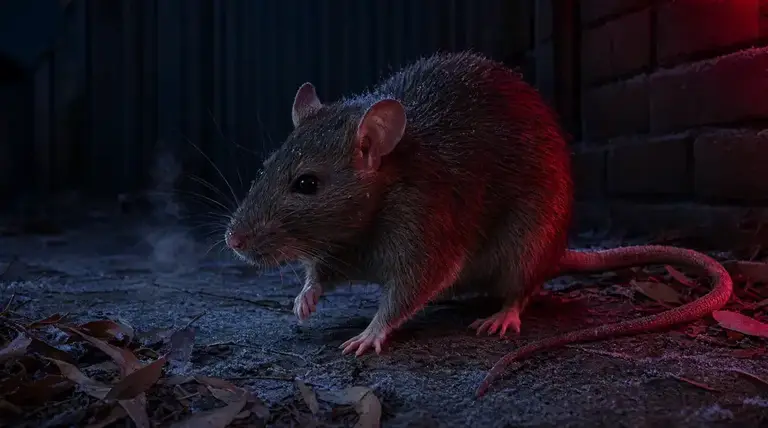
- Rodents are the defining winter pest, breeding year-round in roof voids that hold a stable 20°C or more.
- Subterranean termites stay active all winter, especially in Queensland, NSW and WA.
- German cockroaches breed continuously indoors near dishwashers, fridges and hot water systems.
- Winter is an excellent time for termite inspections because lower vegetation and clutter improve access.
Why Winter Pests Matter Across Australia
Winter pest pressure matters because Australia’s mild winters rarely get cold enough to kill pests, so activity simply shifts from the garden to the structure of your home. The result is a season where infestations grow quietly, hidden behind walls, under floors and above ceilings.
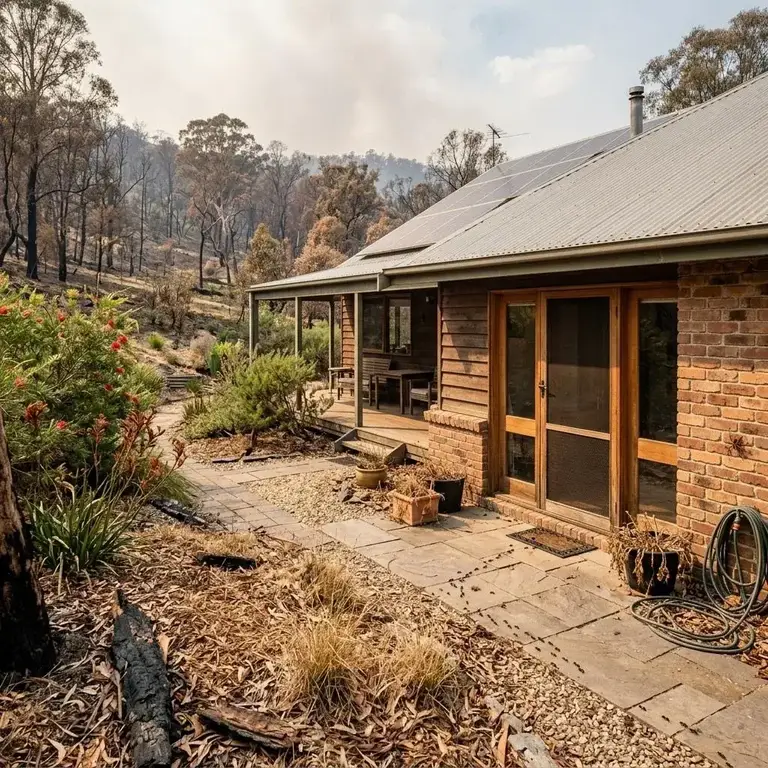
Housing style plays a big role. Homes on concrete slabs offer fewer entry points but still allow rodents in through weep holes, garage doors and pipe penetrations. Older homes on stumps with open subfloors — common in Melbourne’s inner suburbs and Brisbane’s Queenslander belt — give rats and mice sheltered, draft-free harbourage within metres of your living space. Brick veneer construction creates a cavity that insulates beautifully, which is great for energy bills and equally great for nesting rodents.
Regional variation is sharp. In tropical Queensland and the Northern Territory, mild dry-season winters barely slow pests at all, so termites, cockroaches and mosquitoes stay active — a pattern we also see on the coast, where humidity drives pest pressure on the Gold Coast well beyond summer. In Melbourne, Canberra, Hobart and the alpine regions, genuine cold pushes almost everything indoors, concentrating rodents and spiders in the warmest parts of the home — something we cover in detail in our guide to winter pest problems in Melbourne. Sydney, Perth and Adelaide sit in between, with cool but rarely freezing winters that keep subterranean termites feeding steadily underground. If you’re used to battling common summer pests in Sydney homes, winter is not a reprieve — it’s the same pests, harder to see.
Myth vs Fact: What Survives the Cold
The short answer: almost everything survives, because Australian winters are too mild to deliver a genuine knockdown. Here are the two most damaging myths we hear every June.
Myth: pests die off in winter. Fact: most simply relocate. Rodents move indoors and continue breeding year-round in the stable 20°C-plus warmth of a roof void. Cockroaches cluster around hot water systems and appliance motors. Spiders tuck into quiet corners, garages and sheds. The pests are still there; you just see fewer of them outside.
Myth: termites are inactive until spring. Fact: subterranean termites stay active through winter, especially in Queensland, NSW and WA, because they live in temperature-buffered soil and timber. A colony feeding inside a bearer or wall frame experiences almost none of the temperature swing you feel outdoors. Winter is not termite off-season — it’s termite season you can’t see.
Warning Signs of a Winter Infestation
The clearest signs of winter pests are indoor clues: noises after dark, droppings, rub marks and damaged packaging. Because pests concentrate indoors through the colder months, these signs are often more obvious in winter than at any other time of year. Check for the following:
- Scratching or scurrying after dark in the ceiling or walls — the classic sign of rodents breeding in the roof void.
- Greasy rub marks along skirting boards and around entry points, left by rats and mice travelling the same routes nightly.
- Gnawed food packaging, timber or cabling in pantries, garages and subfloors.
- A persistent musky odour in the ceiling or built-in wardrobes, indicating an established rodent nest.
- Cockroach sightings near heat sources — dishwashers, fridges, hot water systems — especially small German cockroaches in the kitchen.
- Mud leads on foundations or stumps, hollow-sounding skirtings, or sagging floors, which point to termites feeding through winter.
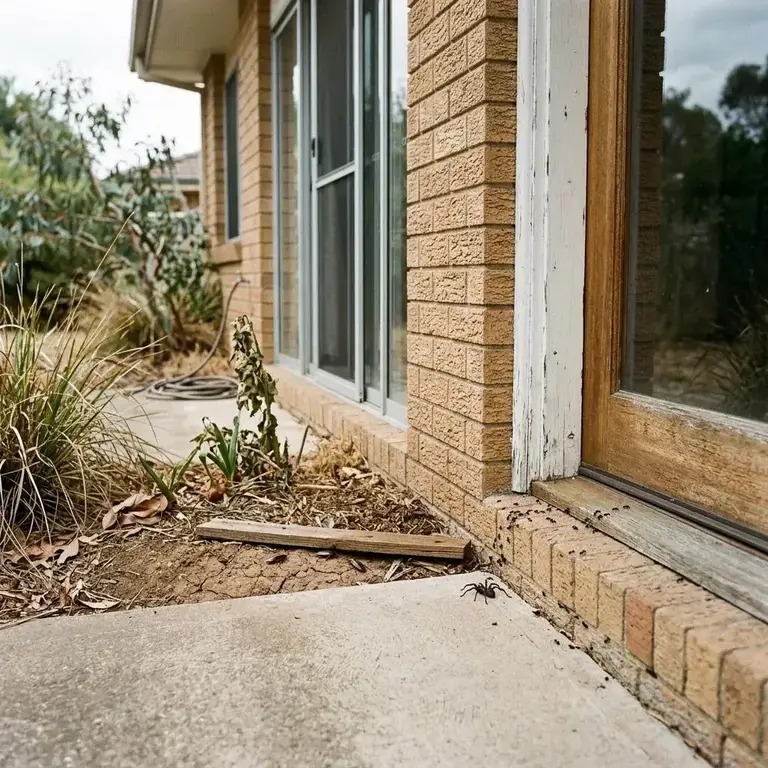
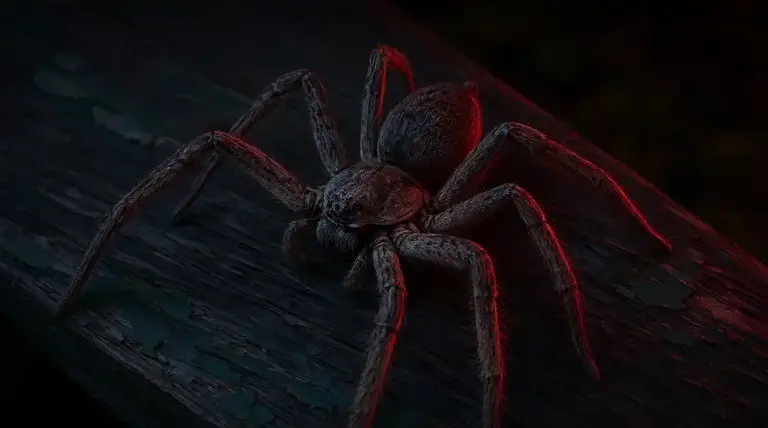
- Webbing and egg sacs in quiet corners of garages, sheds and window frames as spiders shelter from the cold.
DIY vs Professional Winter Pest Control
Basic hygiene, sealing and store-bought traps can manage light winter pressure, but established rodent colonies and any termite activity need a licensed technician. Chemical treatments should always be applied by licensed professionals who follow APVMA-registered label directions — no product is a guaranteed fix, and misuse risks your family, pets and the environment.
| Factor | DIY approach | Professional treatment |
|---|---|---|
| Rodents | Snap traps and sealed food storage help with one or two intruders; entry points often missed. | Tamper-proof bait stations, trapping program and proofing of entry points. |
| Termites | Not a DIY job — disturbance can cause colonies to relocate and spread. | Full inspection, barrier check and treatment to Australian Standards. |
| Cockroaches | Gel baits and strict hygiene can suppress light activity. | Targeted gel baiting, dusting of harbourages and growth regulators. |
| Cost risk | Low upfront cost but high risk of the problem rebounding in spring. | Higher upfront cost with structured follow-up and service warranties. |
What Does Winter Pest Control Cost in Australia?
As a general 2025–26 guide to typical Australian market rates, the pest control industry generally charges between $150 and $350 for a general winter pest treatment, while termite inspections and rodent programs sit in their own ranges. What the market charges varies with property size, construction type, pest pressure and location, so treat the figures below as typical industry rates across Australia rather than fixed quotes from any one provider.
| Service | Typical market rate (AUD) | What’s included/notes |
|---|---|---|
| General pest treatment (cockroaches, spiders, ants) | $150–$350 (typical market range) | Internal and external spray, gel baiting, roof void and subfloor dusting where accessible. |
| Rodent control program | $220–$450 (typical market range) | Bait stations, trapping, entry-point advice and one follow-up visit. |
| Termite inspection | $250–$450 (typical market range) | Full inspection to Australian Standards with written report; moisture metre and thermal tools where suited. |
| Termite barrier (if required) | $2,500–$5,500+ (typical market range) | Chemical soil barrier or baiting system; depends on perimeter length and construction. |
| Combined general pest + rodent package | $300–$550 (typical market range) | Common winter bundle for rodents, cockroaches and spiders. |
These are the going rates you’ll see quoted across the Australian pest control industry. The good news: Aussie Pest Strike typically comes in well under these market rates for the same standard of work. For an exact quote tailored to your property, give us a call on [aps_phone] and we’ll sort you out.
Seasonal Activity: When Winter Pests Peak
Winter pest activity — measured by indoor sightings and treatment demand — climbs from May, peaks through June to August, and tapers as spring warmth spreads pests back outdoors. The chart below shows a typical Australia-wide pattern for indoor winter pest pressure across the calendar year.
Jan
Feb
Mar
Apr
May
Jun
Jul
Aug
Sep
Oct
Nov
Dec
Indoor winter pest pressure — driven mainly by rodents and cockroaches — builds through autumn, peaks in July, and eases as spring arrives. Termite feeding continues steadily underneath this curve all year.
Every winter we pull up to homes where the owners assumed the cold had sorted the problem out. Then we open the roof hatch and find an established rodent nest, or mud leads running up a stump that’s been feeding termites all through June. Winter isn’t the off-season — it’s the season pests stop showing themselves, and that’s exactly when an inspection earns its keep.
Book a combined winter inspection and treatment: a rodent program with bait stations and proofing advice, plus a termite inspection while low vegetation gives clear access to subfloors and exteriors. If you didn’t seal up in autumn, do it now — treat rodents before spring turns a pair into a colony, and never disturb suspected termite workings yourself.
Frequently Asked Questions
Do pests actually die off in winter in Australia?
No. Australia's winters are generally too mild to deliver a genuine knockdown of pest populations. Most pests simply relocate rather than die: rodents move into roof voids and wall cavities, cockroaches cluster around hot water systems and appliance motors, and spiders shelter in garages, sheds and quiet corners. You see fewer pests outside in winter, but the infestations are still there, growing quietly inside the structure of your home.
Are termites active during winter?
Yes. Subterranean termites stay active all through winter, especially in Queensland, NSW and WA, because they live in temperature-buffered soil and timber. A colony feeding inside a bearer or wall frame experiences almost none of the outdoor temperature swing. Winter is not termite off-season — it is termite season you cannot see, which is why inspections remain important through the colder months.
Why are rodents the defining winter pest in Australian homes?
Rodents thrive in winter because roof voids hold a stable temperature of 20°C or more, allowing rats and mice to breed year-round overhead. Homes on stumps with open subfloors, common in Melbourne's inner suburbs and Brisbane's Queenslander belt, offer sheltered harbourage close to living spaces, while brick veneer cavities insulate nests beautifully. Warning signs include scratching after dark, greasy rub marks, gnawed packaging and a musky odour.
Where do German cockroaches go in winter?
German cockroaches move indoors and breed continuously near heat sources such as dishwashers, fridges and hot water systems, particularly in kitchens. Because they stay hidden around appliances and warm harbourages, activity often goes unnoticed until numbers build. Strict hygiene and gel baits can suppress light activity, but established infestations usually need targeted professional treatment with gel baiting, dusting of harbourages and growth regulators.
What are the warning signs of a winter pest infestation?
Look for scratching or scurrying after dark in ceilings or walls, greasy rub marks along skirting boards, gnawed food packaging, timber or cabling, and a persistent musky odour indicating an established rodent nest. Cockroach sightings near dishwashers, fridges and hot water systems, mud leads on foundations or stumps, hollow-sounding skirtings, sagging floors, and spider webbing or egg sacs in garages and sheds are also key indicators.
When does winter pest activity peak in Australia?
Indoor winter pest pressure, driven mainly by rodents and cockroaches, builds from May, peaks through June to August — typically peaking in July — and tapers as spring warmth spreads pests back outdoors. Termite feeding continues steadily underneath this pattern all year. Tropical regions like Queensland and the Northern Territory barely see any slowdown, while colder southern cities concentrate pests indoors.
How do winter temperatures change the behaviour of spiders around Australian homes?
Light rodent pressure can be managed with snap traps and sealed food storage, and cockroach activity can be suppressed with gel baits and strict hygiene. However, established rodent colonies need tamper-proof bait stations, trapping programs and entry-point proofing, and termite activity is never a DIY job because disturbance can cause colonies to relocate and spread. Chemical treatments should always be applied by licensed professionals following APVMA-registered label directions.
Why is winter a good time for a termite inspection?
Winter is an excellent time for termite inspections because lower vegetation and reduced clutter improve access to subfloors and the exterior of your home. Since subterranean termites keep feeding through winter in Queensland, NSW and WA, an inspection can catch active colonies before structural damage worsens. A full inspection to Australian Standards typically includes a written report, with moisture metres and thermal tools used where suited.
I have tried the prevention steps in this guide but still hear noises in my roof. What should I do next?
If scratching or scurrying continues despite sealing food, setting traps and tidying up, you likely have an established colony rather than one or two intruders. Aussie Pest Strike can arrange a rodent program using tamper-proof bait stations, trapping and proofing advice for entry points, along with a follow-up visit to confirm results. Mention what you have already tried so the technician can focus on the routes and harbourages you may have missed.
How do I book a combined winter inspection and treatment for my home?
The article recommends booking a combined winter service that pairs a rodent program with a full termite inspection, taking advantage of low vegetation for clear access to subfloors and exteriors. Aussie Pest Strike offers combined general pest and rodent packages covering rodents, cockroaches and spiders, and can tailor a quote to your property's size, construction type and pest pressure. Contact the team to discuss what suits your home and arrange a suitable time.
Sources & further reading
Found Something
Dangerous?
Don’t touch it. Don’t spray it. Keep kids and pets clear, take a photo from a safe distance, and call us — or book a free inspection and we’ll come to you.
02 7235 0050