Christmas Beetles:Australia’sFestive Visitor
Christmas beetles australia's — christmas beetles are large, brightly coloured native scarab beetles (genus Anoplognathus , around 35 species) that appear...
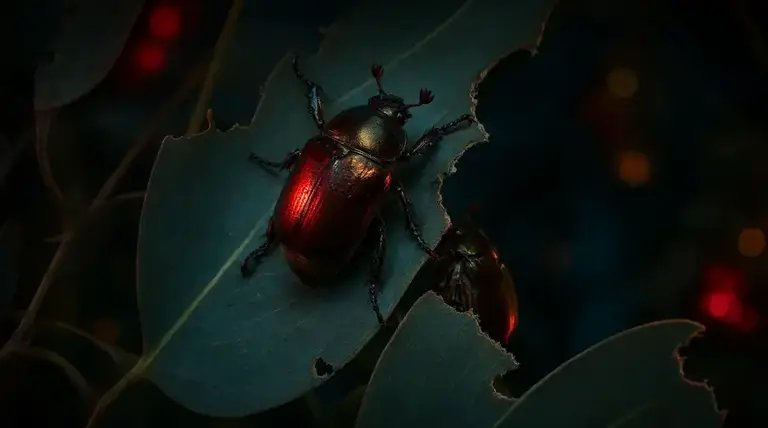
Every December, homes right across Australia light up with unexpected guests — and we’re not talking about relatives. Christmas beetles are large, brightly coloured native scarab beetles (genus Anoplognathus, around 35 species) that appear across eastern and southern Australia from late November through the summer months, drawn to homes at night by outdoor lighting. The good news: they are harmless to people and pets, do not bite or sting, and need no chemical treatment indoors — they are a seasonal nuisance, not an infestation. (A quick note on search intent h: most Australians searching this topic simply want to know whether the beetles bouncing off their windows are a threat — they’re not.)
That said, Christmas beetles aren’t entirely innocent. Their larvae — the white curl grubs living under your lawn — can cause genuine turf damage, and heavy adult numbers can strip young gum trees. This guide covers how to tell a harmless festive visitor from a real lawn problem, what you can handle yourself, and when a licensed pest control technician is worth the call.
- Christmas beetles are native scarabs (20–30 mm) that emerge from late November through February and are attracted to lights at night.
- Adults don’t bite, sting or infest homes — the real damage comes from curl-grub larvae feeding on lawn roots.
- Warm-white or yellow LED globes and flyscreens dramatically reduce how many beetles end up inside.
- Lawn damage typically only warrants treatment when grub numbers are high — a simple soak test confirms it.
- Professional lawn pest treatments in Australia typically range from about $150–$450 AUD depending on lawn size and severity.
Why Christmas Beetles Matter Across Australia (h: the seasonal picture)
Christmas beetles matter because they signal the start of Australia’s peak summer pest season, and their larvae can quietly destroy lawns while the adults grab all the attention. They occur widely from Queensland through New South Wales, Victoria and Tasmania, into South Australia and the south-west of Western Australia.
You’re most likely to see them in suburbs bordering bushland or lined with mature eucalyptus street trees, where they gather in numbers on warm, still December nights. Housing style plays a role too: older Queenslanders on stumps and homes with large established lawns give curl grubs plenty of soil to develop in, while brick-veneer homes on slabs with small gardens tend to see fewer lawn problems but just as many beetles at the windows.
Many older Australians recall clouds of Christmas beetles every summer. Habitat loss — particularly the clearing of woodland where adults feed on eucalyptus foliage — has reduced urban sightings over recent decades. A good beetle year still follows wet springs that boost soil moisture and grass growth, which is why La Niña summers often bring a noticeable rebound. Their arrival tracks the same warm, humid conditions that drive other summer invaders, from the common summer pests in Sydney homes to the moisture-loving insects covered in our guide to humidity and pests on the Gold Coast.
Warning Signs: Nuisance or Genuine Lawn Problem?
The key warning sign of a real problem is spreading brown patches in your lawn, not the beetles themselves. Adults crashing into your windows are harmless; grubs eating your turf from below are not. Use this checklist to sort one from the other:
- Beetles swarming lights at dusk — dozens bouncing off windows and outdoor globes on warm nights. Annoying, but harmless.
- Dead lawn patches that lift like carpet — the classic sign of curl grubs severing grass roots below the surface.
- Birds tearing at the turf — magpies and ibis digging into your lawn are usually hunting grubs, and their damage confirms a population worth acting on.
- Striped or chewed eucalyptus foliage — heavy adult numbers can defoliate young gum trees.
- Beetles indoors at night — they’ve blundered in through open doors; no treatment needed, just screens and lighting changes.
If your lawn shows spreading brown patches, the grubs are the culprit rather than the adults. Treat the cause, not just what you see — the same integrated thinking applies whether you’re managing curl grubs or the pests that move indoors during a Melbourne winter.
DIY vs Professional: What Actually Works
Most Christmas beetle issues are pure DIY territory — lighting swaps and screens handle the adults, and only confirmed heavy grub infestations justify treatment. Chemical soil treatments should always be applied by a licensed technician using APVMA-registered products, never as a blanket spray against the harmless adults.
| Approach | DIY | Professional |
|---|---|---|
| Adult beetles indoors | Warm-white LEDs, screens, close doors at dusk — fully effective | Not required; no spraying needed |
| Minor grub activity | Keep lawn well-watered and healthy so grass outgrows root feeding | Optional inspection to confirm grub density |
| Heavy grub infestation | Soak test to confirm (flood 1 m²; grubs surfacing within an hour = act) | Targeted soil treatment in late summer to break the breeding cycle |
| Tree defoliation | Monitor young gums; healthy trees usually recover | Advice for severe or repeat defoliation |
Should you kill the adults? No — Christmas beetles are native, short-lived and ecologically valuable as food for birds, reptiles and bats. Blanket spraying is both unnecessary and counterproductive.
How Much Does Christmas Beetle and Curl Grub Treatment Cost?
Across the Australian pest control industry, professional treatment for curl grubs typically runs between $150 and $450 AUD in 2025–26, while the adult beetles themselves should never cost you a cent in pest control fees. What the market charges generally depends on lawn size, severity and whether a follow-up visit is included.
| Service | Typical market rate (AUD) | What’s included/notes |
|---|---|---|
| Inspection and grub identification | $0–$120 | Often free with treatment quote; confirms species and density |
| Curl grub soil treatment (small lawn, under 150 m²) | $150–$250 | Targeted APVMA-registered treatment applied by licensed technician |
| Curl grub treatment (large lawn or severe infestation) | $250–$450 | May include follow-up visit and lawn-recovery advice |
| General summer pest treatment (bundled) | $220–$400 | Covers seasonal pests like ants, spiders and cockroaches alongside lawn assessment |
Be wary of anyone quoting to spray for the flying adults — that’s money spent on a problem that solves itself within weeks.
These figures reflect typical Australian market rates across the industry. Aussie Pest Strike typically comes in well under these market rates, so give us a call on [aps_phone] for an exact quote tailored to your lawn.
Seasonal Activity: When Christmas Beetles Appear
Christmas beetles peak sharply in December, with activity building from late November and tapering off through January and February. The chart below shows typical adult beetle activity across the Australian calendar year.
Jan
Feb
Mar
Apr
May
Jun
Jul
Aug
Sep
Oct
Nov
Dec
Adult Christmas beetles live only a few weeks — long enough to mate and lay eggs in soil under lawns and pasture. Activity spikes hard in December, fades through late summer, and stays dormant while larvae develop underground through autumn and winter. Wet springs (La Niña years) typically produce stronger emergences. Note this h seasonal pattern is broadly consistent Australia-wide, with slightly earlier emergences in subtropical Queensland.
Every summer we get calls from homeowners wanting the beetles at their windows sprayed. Our advice is always the same: change your globes, keep your screens shut, and save your money. The only time we reach for treatment is when the curl grubs underneath are genuinely wrecking the lawn — and even then, it’s targeted, not a blanket spray.
Swap exterior globes to warm-white or yellow LEDs, turn off unnecessary outdoor lighting on peak December evenings, and fit flyscreens — that solves 90% of the problem. Then run the soak test on any brown lawn patches: flood a square metre, and if grubs surface within an hour, book a licensed technician for a targeted late-summer soil treatment. Never spray the adults; they’re native, short-lived and feed the local birdlife.
Frequently Asked Questions
Are Christmas beetles dangerous to people or pets?
No. Christmas beetles are harmless native scarabs that do not bite or sting, and they pose no threat to people or pets. They are simply drawn to outdoor lighting on warm December nights and may blunder indoors through open doors or unscreened windows. They are a short-lived seasonal nuisance rather than an infestation, so no chemical treatment is needed for the adults themselves.
Why are there so many Christmas beetles around my house in December?
Adult Christmas beetles emerge from late November and peak sharply in December, tapering off through January and February. They are strongly attracted to lights at night, which is why dozens can gather at windows and outdoor globes on warm, still evenings. Suburbs near bushland or mature eucalyptus street trees see the biggest numbers, and wet La Niña springs typically produce stronger emergences.
How do I know if I have a real lawn problem or just harmless beetles?
The beetles themselves are harmless; the warning sign of a genuine problem is spreading brown patches in your lawn. Other signs include turf that lifts like carpet, and birds such as magpies or ibis digging into the grass hunting grubs. If you only see beetles swarming lights at dusk with a healthy lawn, it is a nuisance, not an infestation.
What is the soak test for curl grubs under my lawn?
Flood one square metre of the affected lawn area with water and wait up to an hour. If curl grubs — the white larvae of Christmas beetles — surface within that time, numbers are high enough to justify action. This simple test confirms whether brown patches are caused by grubs feeding on grass roots before you consider any treatment.
Should I spray or kill adult Christmas beetles?
No. Christmas beetles are native, live only a few weeks, and are valuable food for birds, reptiles and bats. Blanket spraying adults is unnecessary and counterproductive, because the problem solves itself within weeks as their natural season ends. Instead, swap exterior globes to warm-white or yellow LEDs, turn off unneeded outdoor lighting on peak evenings, and keep flyscreens closed.
When does lawn damage from Christmas beetle grubs warrant professional treatment?
Only when grub numbers are confirmed high, typically via a soak test showing grubs surfacing within an hour, combined with spreading brown patches or bird damage to turf. In that case, a licensed technician can apply a targeted APVMA-registered soil treatment in late summer to break the breeding cycle. Minor grub activity usually needs nothing more than a healthy, well-watered lawn.
Can Christmas beetles damage trees as well as lawns?
Yes, but differently. While curl-grub larvae feed on lawn roots underground, heavy numbers of adult beetles can strip or chew eucalyptus foliage, particularly on young gum trees. Healthy established trees usually recover on their own, so monitoring is often enough. For severe or repeat defoliation of young gums, advice from a licensed pest control technician is worth seeking.
Where in Australia are Christmas beetles most common?
Christmas beetles occur widely across eastern and southern Australia, from Queensland through New South Wales, Victoria and Tasmania into South Australia and the south-west of Western Australia. You are most likely to notice them in suburbs bordering bushland or lined with mature eucalyptus street trees. Older homes on stumps with large lawns also tend to see more curl-grub problems beneath the surface.
I have tried swapping lights and using screens but still want help with Christmas beetles — how do I arrange it?
If prevention steps like warm-white LED globes and flyscreens have not settled things, Aussie Pest Strike can assess whether the real issue is curl grubs damaging your lawn rather than the harmless adults at your windows. Contact us to discuss your situation and arrange an inspection or quote for targeted soil treatment if the soak test confirms heavy grub numbers.
My soak test showed plenty of curl grubs — what should I do next?
Once the soak test confirms grubs surfacing within an hour, the practical next step is booking a licensed technician for a targeted late-summer soil treatment that breaks the breeding cycle. Aussie Pest Strike can inspect your lawn, confirm grub density, and recommend appropriate APVMA-registered treatment along with lawn-recovery advice. Get in touch for a quote tailored to your lawn size and severity.
Found Something
Dangerous?
Don’t touch it. Don’t spray it. Keep kids and pets clear, take a photo from a safe distance, and call us — or book a free inspection and we’ll come to you.
02 7235 0050