Do Silverfish Bite?Facts, Mythsand Real Risks
Do Silverfish Bite? Facts, Myths and Real Risks — many homeowners ask us: do silverfish bite? The short answer is no. Silverfish do not bite people or pets,...
Do silverfish bite? It’s one of the most common questions we hear from Australian homeowners, and the short answer is no — silverfish do not bite people or pets, sting, or transmit disease. If you’ve spotted one darting across the bathroom floor and wondered whether you’re at risk, you can relax on that front; the real risk of a silverfish problem is damage to your belongings, not harm to your body.
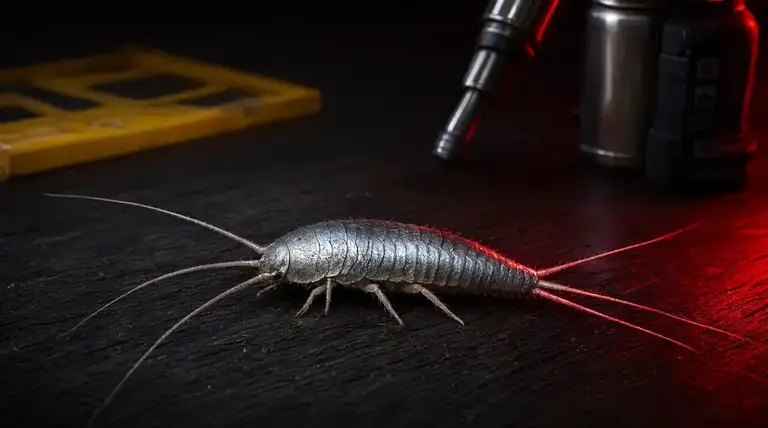
Silverfish are small, wingless, nocturnal insects that feed on starches and sugars found in paper, glue, fabric and stored food — they are physically incapable of biting humans, but they are fully capable of destroying books, clothing, wallpaper and pantry goods if left unchecked. This guide separates the facts from the myths, explains the genuine risks, and shows you when DIY is enough and when professional pest control is the smarter call.
- Silverfish do not bite, sting or spread disease — their mouthparts are built for scraping starchy materials, not piercing skin.
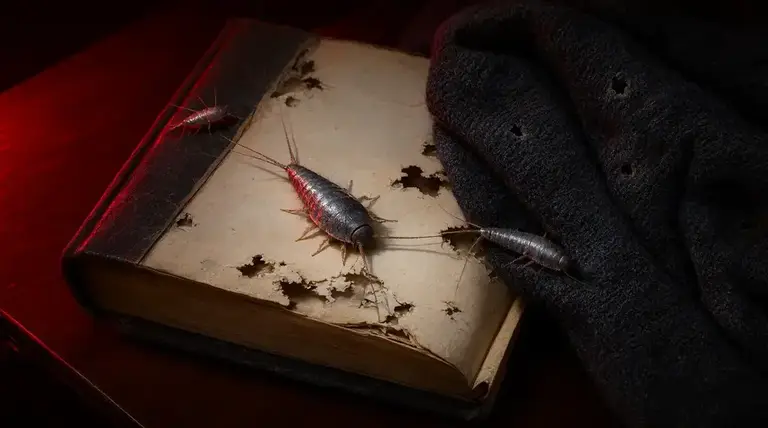
- The real risk is property damage: books, clothing, wallpaper, photographs and pantry food are all on the menu.
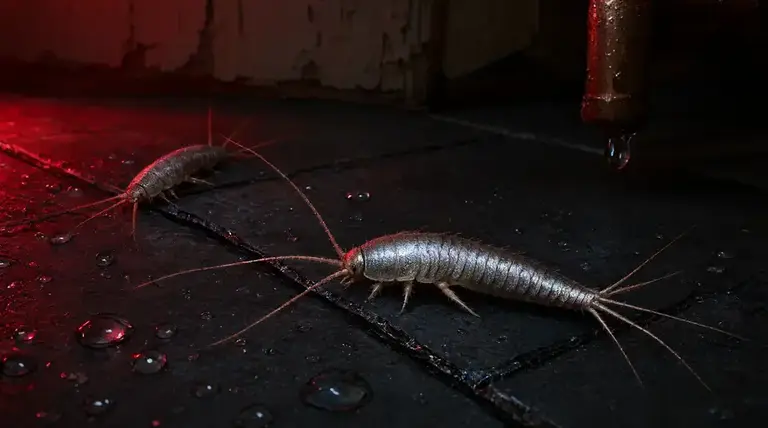
- Silverfish need humidity above roughly 75 per cent, so bathrooms, laundries, roof voids and subfloors are prime territory in Australian homes.
- DIY sprays and traps kill visible insects but rarely reach eggs hidden in wall cavities — established infestations need professional treatment.
- A heavy silverfish population often signals a moisture problem worth fixing, such as a leak or poor ventilation.
do silverfish bite: why they are a problem in Australian homes
Australia’s warm, humid climate is close to ideal for silverfish, which is why they turn up in homes from coastal Queensland to Sydney’s older suburbs and Perth’s brick veneer builds. They thrive wherever moisture lingers and dark hiding spots are plentiful.
Silverfish need humidity levels above about 75 per cent to survive and reproduce, and much of the Australian coastline delivers exactly that for large parts of the year. Housing style matters too. Older Queenslander-style homes with timber construction and open subfloors give silverfish cool, damp harbourage directly beneath living areas. Brick veneer homes on concrete slabs tend to trap humid air in roof voids and wall cavities, especially where ventilation is poor. Bathrooms, laundries and kitchens provide the steam and plumbing penetrations they love — if you’re regularly spotting them near the shower, our guide on silverfish in the bathroom explains why and how to stop them. Because these insects are nocturnal and hide during the day, an infestation can build quietly for months or even years before you notice the damage.
Warning Signs of a Silverfish Infestation
The clearest signs of silverfish are irregular feeding damage, shed skins and sightings of the insects themselves, usually at night. Because they stay hidden, you’ll often spot the evidence before you spot the pest. Check for the following:
- Irregular holes and yellow staining on paper, books, documents and photographs, especially in garages, studies and storage boxes.
- Small holes in clothing made of cotton, linen, silk or rayon, particularly items stored in dark wardrobes — see our advice on silverfish in books and clothing for protecting your stuff.
- Bubbling or peeling wallpaper caused by silverfish feeding on the paste behind it.
- Contaminated pantry goods — flour, cereals and oats fouled with scales and droppings.
- Pepper-like droppings and shed skins along skirting boards, in wardrobes and inside cupboards.
- Live sightings of a silvery-grey, carrot-shaped insect (12–19 mm) moving in a fish-like wiggle when you switch on a light at night.
Seeing silverfish during daylight hours usually means the population is large enough that hiding spots are crowded — a strong signal the infestation is established. For a deeper look at what to look for, read Silverfish: Identification and the Damage They Cause.
DIY vs Professional Silverfish Treatment
DIY methods can reduce silverfish numbers and are a sensible first step for light activity, but they rarely eliminate an established infestation because eggs sit hidden deep in wall voids, roof spaces and subfloors. Professional pest control targets those harbourages directly and addresses the moisture conditions driving the problem.
| Factor | DIY approach | Professional treatment |
|---|---|---|
| Upfront cost | Low ($20–$80 for sprays, traps, dehumidifier running costs) | Moderate (see pricing below) |
| Reaches eggs in wall voids and roof spaces | Rarely | Yes — dusts and targeted treatments applied to cavities |
| Identifies moisture sources | Up to you to investigate | Technician assesses leaks, ventilation and drainage |
| How long results last | Weeks; populations often rebound | Months to years with correct preparation |
| Best for | Occasional sightings, prevention | Recurring or widespread infestations |
If you are searching “do silverfish bite”, any chemical treatment should still be carried out by a licensed technician using APVMA-registered products applied according to the label — no treatment can be called 100 per cent safe or guaranteed, but professional application keeps risk to people and pets low while maximising effectiveness.
How Much Does Silverfish Treatment Cost in Australia?
Across the Australian pest control industry, professional silverfish treatment generally runs between $150 and $450 AUD depending on property size, construction type and severity. The table below shows the typical 2025–26 market rates charged by pest controllers around the country.
| Service | Typical market rate (AUD) | What’s included/notes |
|---|---|---|
| Inspection and quote | Free – $120 | Assessment of harbourages, moisture sources and infestation extent |
| Standard internal treatment (unit/small home) | $150 – $250 | Skirting boards, wardrobes, bathrooms, kitchen and cracks and crevices |
| Full treatment incl. roof void (3–4 bed home) | $250 – $450 | Internal treatment plus roof void dusting and wall cavity application |
| Subfloor treatment (Queenslanders/older homes) | $150 – $300 (add-on) | Treating damp subfloor harbourage beneath the home |
| Follow-up visit | $100 – $180 | Re-treatment of stubborn areas if activity persists |
These are general industry figures — market rates vary with access, infestation severity and region, so treat them as a guide to what Australian pest control companies typically charge rather than a quote. Our Silverfish & Pantry Pest Control service page outlines exactly what’s covered in a proper treatment.
Here’s the good news: Aussie Pest Strike typically comes in well under these market rates, without cutting corners on the treatment itself. For an exact quote tailored to your property, give us a call on [aps_phone] and we’ll sort you out.
Seasonal Silverfish Activity in Australia
Silverfish are active year-round indoors, but activity peaks through the warmer, more humid months from late spring to early autumn. Heating, hot showers and poor ventilation also keep them busy inside during winter, which is why they never fully disappear.
Jan
Feb
Mar
Apr
May
Jun
Jul
Aug
Sep
Oct
Nov
Dec
Indicative silverfish activity across a typical Australian year: sightings and breeding climb with summer humidity (November–March) and ease in the cooler, drier months, though heated, steamy bathrooms keep populations ticking over all winter.
In fifteen years of treating Australian homes, I’ve never once seen a silverfish bite anyone — but I’ve seen plenty of family photo albums and first-edition books ruined beyond repair. The insects you spot at night are a fraction of what’s living in the roof void. Treat the moisture problem and the harbourage together, or they’ll be back within the season.
Start with prevention: run exhaust fans, fix leaks, store dry food in airtight containers and move books and clothing from cardboard boxes into sealed plastic tubs. If you’re seeing silverfish in multiple rooms, finding damage, or spotting them during the day, skip the supermarket sprays and book a professional inspection — treating the roof void, wall cavities and subfloor is the only reliable way to break the breeding cycle.
Frequently Asked Questions
Do silverfish bite humans or pets?
No. Silverfish do not bite people or pets, sting, or transmit disease. Their mouthparts are built for scraping starchy materials such as paper, glue and fabric, not piercing skin, so they are physically incapable of biting humans. If you spot one darting across the bathroom floor at night, there is no risk to your body — the genuine concern is the damage they can do to your belongings over time.
What is the real risk of having silverfish in my home?
The real risk is property damage rather than harm to people. Silverfish feed on starches and sugars found in paper, glue, fabric and stored food, so books, clothing, wallpaper, photographs and pantry goods are all on the menu. Because they are nocturnal and hide during the day, an infestation can build quietly for months or even years before you notice holes, staining or contamination.
How do I know if silverfish are damaging my belongings?
Look for irregular holes and yellow staining on paper, books, documents and photographs; small holes in cotton, linen, silk or rayon clothing stored in dark wardrobes; bubbling or peeling wallpaper from feeding on the paste behind it; pantry goods fouled with scales and droppings; pepper-like droppings and shed skins along skirting boards; and live sightings of a silvery-grey, carrot-shaped insect about 12–19 mm long moving in a fish-like wiggle.
Why am I seeing silverfish during the day?
Silverfish are nocturnal and normally stay hidden while it is light. Seeing them during daylight hours usually means the population has grown large enough that hiding spots are crowded, which is a strong signal that the infestation is established. At that stage, DIY sprays and traps are unlikely to be enough, because eggs sit hidden deep in wall voids, roof spaces and subfloors where supermarket products rarely reach.
Why does humidity matter for silverfish?
Silverfish need humidity above roughly 75 per cent to survive and reproduce, which makes bathrooms, laundries, roof voids and subfloors prime territory in Australian homes. Australia's warm, humid climate suits them well, particularly along the coast. A heavy silverfish population often signals an underlying moisture problem worth fixing, such as a leak or poor ventilation, so addressing damp conditions is a key part of controlling them.
Can DIY methods get rid of a silverfish problem?
DIY sprays and traps can reduce numbers and are a sensible first step for light activity, but they rarely eliminate an established infestation because eggs sit hidden deep in wall cavities, roof spaces and subfloors. Results typically last only weeks before populations rebound. Professional treatment targets those harbourages directly with dusts and cavity applications, and also addresses the moisture conditions driving the problem.
Is a silverfish problem ever too big to handle on my own?
Book a professional inspection if you are seeing silverfish in multiple rooms, finding damage to books, clothing or wallpaper, or spotting insects during the day. These signs point to an established breeding population hiding in roof voids, wall cavities and subfloors. Treating those harbourages directly is the only reliable way to break the breeding cycle, alongside fixing any leaks or ventilation issues.
How can I prevent silverfish in my home?
Start with prevention: run exhaust fans in bathrooms and laundries, fix leaks promptly, store dry food in airtight containers, and move books and clothing out of cardboard boxes into sealed plastic tubs. Reducing humidity and removing their food sources makes your home far less attractive. These steps help prevent occasional sightings from turning into an established infestation hidden in wall voids and roof spaces.
Can Aussie Pest Strike tell whether I have silverfish or another pest?
Yes. Damage from silverfish can look similar to damage caused by other pests, so correct identification matters before treating. The team at Aussie Pest Strike can inspect the affected areas, identify the insect responsible, and assess harbourages and moisture sources. That way you avoid spending money on the wrong treatment and get a plan targeted at the actual pest and the conditions supporting it.
What happens during a professional silverfish inspection by Aussie Pest Strike?
Aussie Pest Strike will assess the extent of the infestation, check common harbourages such as wardrobes, skirting boards, roof voids and subfloors, and look for the moisture sources driving the problem, like leaks or poor ventilation. Based on what they find, they can recommend whether treatment of cavities and harbourages is needed and what preparation on your part will give the best long-term result.
Sources & further reading
Found Something
Dangerous?
Don’t touch it. Don’t spray it. Keep kids and pets clear, take a photo from a safe distance, and call us — or book a free inspection and we’ll come to you.
02 7235 0050