Silverfish in Booksand Clothing:Protecting Your Stuff
Silverfish in books and clothing feed on starch and cellulose. Learn how to protect your belongings with sealed storage and humidity control today.
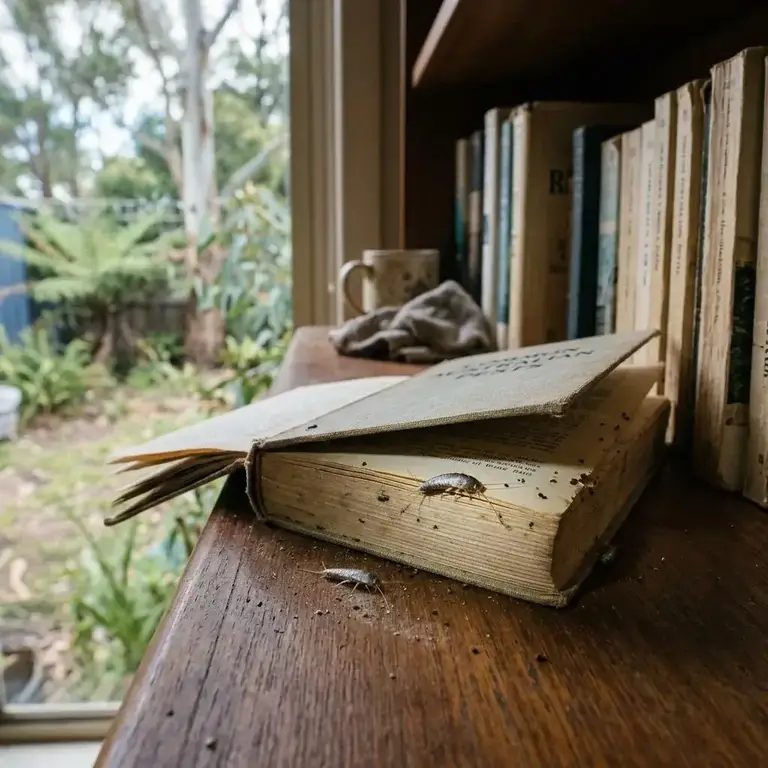
In Australian homes, silverfish books and clothing can become a genuine problem: these insects feed on the starch, cellulose and glue in paper, bindings and natural fibres, leaving irregular holes, notched edges and yellow stains. Whether you live in a humid Queenslander, a brick veneer on a slab or an older place with a subfloor, the defence is the same — lower humidity, airtight storage and removing food sources. This guide covers why silverfish target your stuff, how to spot an infestation early, when DIY is enough, and when to call professional pest control.
Put simply: silverfish damage books and clothing because those items contain the starches and glues silverfish digest, and the most reliable protection is keeping stored items dry, sealed and regularly inspected. Below we cover identification, prevention, costs in AUD, seasonal activity and answers to common questions — item by item (i) books, (ii) clothing and (iii) documents — so you can protect what matters.
- Silverfish digest starches and cellulose most insects can’t, so books, photos, documents and natural-fibre clothing are prime targets.
- Humidity is the driver — keep storage areas below 50% relative humidity to stop feeding and prevent eggs hatching.
- Sealed plastic tubs beat cardboard every time, especially in roof voids and garages.
- Silverfish live up to 8 years and feed slowly, so damage accumulates on items left undisturbed for months.
- Established infestations across multiple rooms usually need a licensed technician to treat wall voids and roof spaces.
Why silverfish books and clothing matter in Australian homes
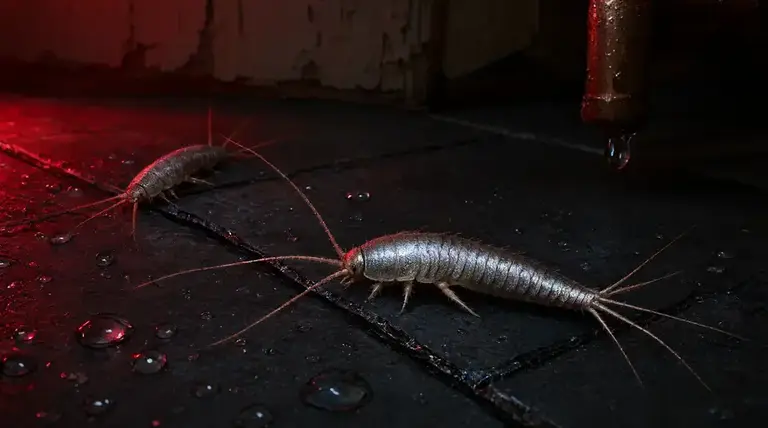
Australian conditions suit silverfish perfectly: long humid summers, coastal moisture and housing styles that trap damp air. The common silverfish (Lepisma saccharinum) thrives wherever humidity stays high and starchy food is close at hand — which describes the average Australian roof void, garage or wardrobe in December.
Housing style plays a big part. Elevated Queenslanders and older homes on subfloors can hold damp air underneath that wicks up into wardrobes and skirtings, while brick veneer homes on concrete slabs often have poorly ventilated roof spaces where stored boxes bake in humid heat. Add in our subtropical north and humid coastal cities, and you have year-round conditions where a silverfish population can quietly grow. The moisture link is covered in depth in our Silverfish Prevention: The Humidity Connection guide, and if you’re also seeing them in wet areas, our article on silverfish in the bathroom explains why those rooms act as a base camp for the rest of the house.
Warning Signs: How to Tell Silverfish Are Eating Your Stuff
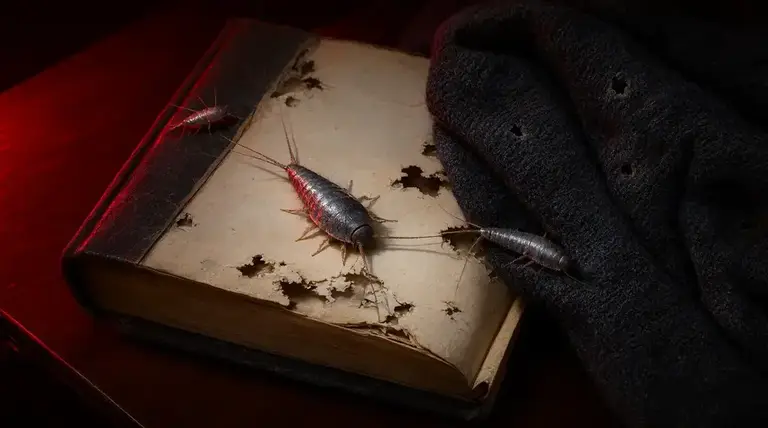
The clearest sign of silverfish damage is irregular holes, notched edges and yellow staining on paper or fabric, usually on items that haven’t been touched for months. Because they feed slowly and avoid light, you often find the damage before you ever see an insect. Run through this checklist:
- Irregular holes and notched page edges in books, especially along spines and bindings where starchy glue sits.
- Yellowish stains or grazing marks on paper, photographs, wallpaper and stored documents.
- Small holes in cotton, linen, silk or rayon garments, particularly starched or soiled items.
- Tiny black pepper-like droppings in drawers, boxes and along bookshelf edges.
- Shed skins and faint scales — silverfish moult throughout their long lives and leave shimmering debris.
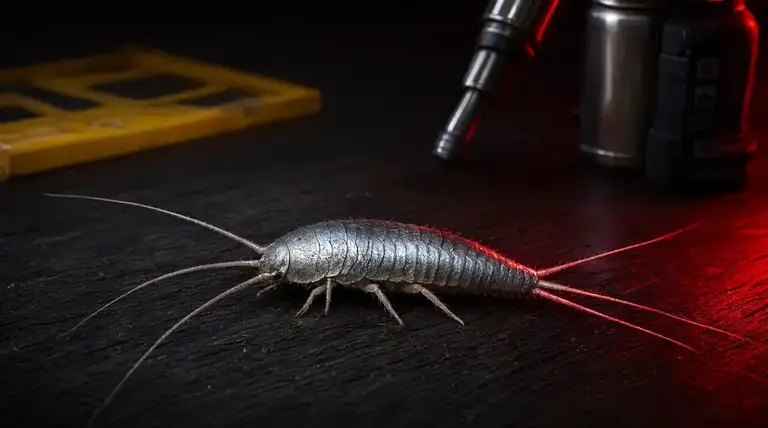
- Live sightings at night — fast, fish-shaped insects darting away when you switch on a light.
- Eggs tucked into cracks, book bindings and fabric folds, which is how infested items seed new hiding spots.
If several of these sound familiar, confirm the culprit with our Silverfish: Identification and the Damage They Cause guide before deciding on treatment.
DIY vs Professional Silverfish Control
Light, localised activity can often be managed yourself with humidity control and sealed storage; widespread or recurring damage points to a breeding population that needs professional pest control. The honest dividing line is this: (i) if the problem is confined to one storage area, DIY is reasonable — if you’re finding damage in multiple rooms, the insects are established in wall voids or the roof space and surface sprays from the hardware store won’t reach them.
| Factor | DIY approach | Professional treatment |
|---|---|---|
| Best for | Early signs, one cupboard or bookshelf | Recurring damage across multiple rooms |
| Methods | Dehumidifier, silica gel, sealed tubs, sticky traps, vacuuming | Residual treatments to wall voids, roof spaces, skirtings and harbourage |
| Reaches the source | Rarely — treats symptoms | Yes — targets breeding sites |
| Cost | $30–$150 in products | $150–$400 typical, with warranty options |
| Chemical safety | Consumer products, follow label exactly | APVMA-registered products applied by licensed technicians |
For chemical treatments, always use a licensed pest-control technician — they select APVMA-registered products and apply them where silverfish actually live, including near silverfish books and paper, rather than where you happen to see them.
How to Protect Books, Documents, Clothing and Linen
The short answer: wash and dry everything before storage, use airtight containers instead of cardboard, and keep humidity below 50%. Starch, sweat and food residue are magnets for silverfish, so clean storage is your best defence.
- Books and papers: store valuable items in sealed plastic tubs, keep shelves away from damp external walls, and add silica gel packs to enclosed shelving.
- Clothing and linen: never store worn or starched garments; use sealed containers or vacuum bags, rotate linen seasonally and keep wardrobes ventilated. Cedar or lavender offers mild deterrence but is not a fix.
- Roof voids and garages: the two worst storage spots in Australian homes. If you must use them, choose hard-plastic tubs, keep boxes off the floor on shelving and add a moisture absorber to each container.
- Inspect regularly: check collections every few months — ideally at the start of the humid summer, before activity peaks.
Silverfish Treatment Costs in Australia (2025–26)
Across the Australian pest control industry, silverfish treatment generally sits between $150 and $450 depending on home size and severity, with ongoing protection plans commonly offered for humid regions. The figures below are typical industry market rates for 2025–26 — a guide to what the trade generally charges, not fixed quotes from any one provider.
| Service | Typical market rate (AUD) | What’s included/notes |
|---|---|---|
| Inspection and assessment | Free–$120 | Industry-wide, many operators charge up to $120 to identify harbourage, moisture sources and extent of activity; some waive the fee |
| Standard internal treatment | $150–$280 | Typical market rate for residual treatment to skirtings, wardrobes, shelving and cracks |
| Roof void and wall void treatment | $220–$400 | What the industry generally charges for dusting/treatment of voids where populations breed; suited to larger homes |
| Combined silverfish & pantry pest service | $250–$450 | Typical market range for whole-home coverage — see our Silverfish & Pantry Pest Control service for what’s involved |
| Annual protection plan | $300–$600/yr | Industry-standard pricing for scheduled re-treatments with service warranty; good value in humid coastal areas |
It’s worth knowing that Aussie Pest Strike typically comes in well under these typical Australian market rates, without cutting corners on products or warranty. For an exact quote tailored to your home, give us a call on [aps_phone] — we’ll talk you through the options and lock in a price on the spot.
Seasonal Silverfish Activity in Australia
Silverfish activity peaks through the humid Australian summer — roughly November to March — and dips in the cooler, drier winter months, though heated homes and damp subfloors keep them active year-round. The chart below shows typical relative activity by month.
Jan
Feb
Mar
Apr
May
Jun
Jul
Aug
Sep
Oct
Nov
Dec
Activity climbs from October and peaks across the humid Dec–Feb summer — exactly when stored boxes in roof voids and garages are most at risk. Inspect stored items in late spring, not after the damage is done.
Nine times out of ten, when a customer shows me a box of ruined photos or a chewed first edition, the silverfish have been in that roof void or wardrobe for years. Spraying the shelf won’t fix it — you have to drop the humidity and treat the voids where they breed. Do both, and the problem stays gone.
Start with the free wins: move everything valuable into sealed plastic tubs, wash and fully dry clothing before storage, run a dehumidifier or moisture absorbers to keep storage areas under 50% humidity, and inspect every few months. If you’re finding damage in more than one room, book a licensed technician to treat the roof void and wall cavities — that’s where the breeding population lives, and DIY products won’t reach it.
Frequently Asked Questions
Why do silverfish eat books and clothing?
Silverfish digest starches and cellulose that most insects cannot, and books, photographs, documents and natural-fibre clothing are full of exactly those materials. Paper, bindings, glue and fabrics such as cotton, linen, silk and rayon all contain the starches silverfish feed on. Because they feed slowly and avoid light, damage usually appears on items that have been left undisturbed for months.
What does silverfish damage look like on books and clothes?
The clearest signs are irregular holes, notched page edges and yellowish stains or grazing marks on paper or fabric. On books, damage often appears along spines and bindings where starchy glue sits. Clothing may show small holes in cotton, linen, silk or rayon, particularly starched or soiled garments. You may also find tiny black pepper-like droppings, shed skins and faint scales near stored items.
How can I tell if I have a silverfish infestation?
Look for irregular holes and notched edges on paper or fabric, yellow staining, pepper-like droppings in drawers and boxes, shed skins and shimmering scales, eggs tucked into cracks, book bindings and fabric folds, and live sightings at night — fast, fish-shaped insects darting away when you switch on a light. Often you find the damage before you ever see an insect.
How do I protect books and documents from silverfish?
Store valuable items in sealed plastic tubs rather than cardboard boxes, keep shelves away from damp external walls, and add silica gel packs to enclosed shelving. Inspect collections every few months, ideally at the start of the humid summer before activity peaks. Keeping storage areas below 50% relative humidity is the key to stopping feeding and preventing eggs from hatching.
How should I store clothing and linen to prevent silverfish?
Never store worn, starched or soiled garments — wash and fully dry everything first, as starch, sweat and food residue attract silverfish. Use sealed containers or vacuum bags instead of cardboard, rotate linen seasonally and keep wardrobes ventilated. Cedar or lavender offers mild deterrence but is not a complete fix on its own.
Are roof voids and garages bad places to store books and clothes?
Yes — roof voids and garages are the two worst storage spots in Australian homes because they trap humid heat. If you must use them, choose hard-plastic tubs with tight lids, keep boxes off the floor on shelving, and add a moisture absorber to each container. Brick veneer homes on slabs often have poorly ventilated roof spaces where stored boxes are especially at risk.
When should I call a professional for silverfish instead of doing it myself?
If the problem is confined to one cupboard or bookshelf, DIY measures such as dehumidifiers, sealed tubs and sticky traps are reasonable. If you are finding damage across multiple rooms, the insects are likely established in wall voids or the roof space, and surface sprays from the hardware store will not reach them. A licensed technician can treat those breeding sites directly.
When are silverfish most active in Australia?
Silverfish activity peaks through the humid Australian summer, roughly November to March, and dips during cooler, drier winter months. However, heated homes and damp subfloors keep them active year-round. Activity climbs from October, which is exactly when stored boxes in roof voids and garages are most at risk — inspect stored items in late spring rather than after damage appears.
Can Aussie Pest Strike help me work out whether it is silverfish or another pest damaging my belongings?
Yes. Silverfish damage can be confused with other pests such as clothes moths or carpet beetles, but each leaves different evidence. Aussie Pest Strike can inspect your books, clothing and storage areas, identify the culprit from the damage patterns, droppings and harbourage sites, and confirm whether humidity or storage habits are contributing. Getting the identification right means the treatment targets the actual pest rather than guessing.
What should I do if silverfish damage keeps coming back after DIY treatment?
Recurring damage across multiple rooms usually points to a breeding population hidden in wall voids or roof spaces that hardware-store products cannot reach. Aussie Pest Strike can assess your home, identify the moisture sources and harbourage areas driving the problem, and treat those voids directly. In the meantime, moving valuable items into sealed plastic tubs and lowering humidity below 50% helps protect your belongings.
Sources & further reading
Found Something
Dangerous?
Don’t touch it. Don’t spray it. Keep kids and pets clear, take a photo from a safe distance, and call us — or book a free inspection and we’ll come to you.
02 7235 0050