Silverfish Prevention:TheHumidity Connection
Silverfish prevention the — Myth: silverfish are impossible to keep out. Fact: silverfish prevention is largely a humidity problem, and dropping indoor...
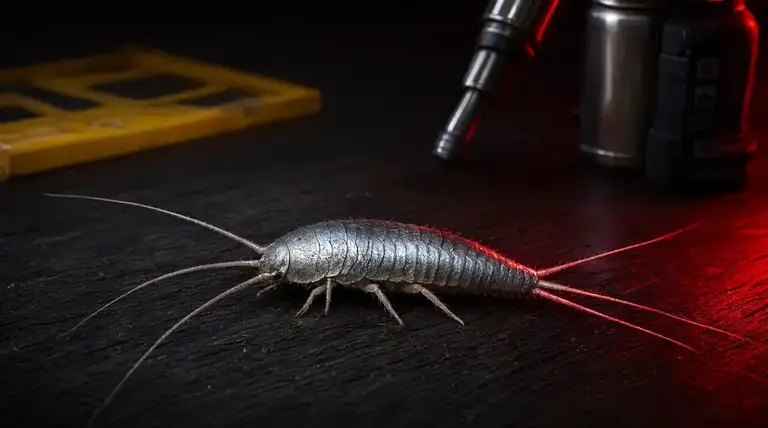
If you keep spotting silverfish in the bathroom, laundry or wardrobe, the real battle is not against the insect — i t is against moisture. Silverfish prevention is, at its core, a humidity problem, and Australian homes from Brisbane to Perth give these pests exactly the damp conditions they need. Control the moisture and you control the pest.
Here is the definition worth remembering: silverfish prevention is the practice of keeping indoor relative humidity below roughly 50 per cent so silverfish eggs fail to hatch and adults cannot thrive. No amount of spraying beats that single lever. This guide explains the humidity connection, the warning signs to watch for, what DIY can realistically achieve, and when licensed pest control is the smarter spend.
- Silverfish need relative humidity of roughly 75-95% to feed, breed and hatch eggs; below 50% they struggle to survive.
- Exhaust fans, dehumidifiers, leak repairs and subfloor ventilation are your four biggest prevention tools.
- Coastal and subtropical Australia (Queensland, northern NSW) needs year-round humidity control, not just seasonal effort.
- Sprays alone will not fix an established infestation — the breeding source is usually a damp wall cavity or roof void.
- Recurring silverfish despite dry living areas means a hidden moisture source; a free professional inspection can find it.
Why humidity drives silverfish prevention needs across Australia
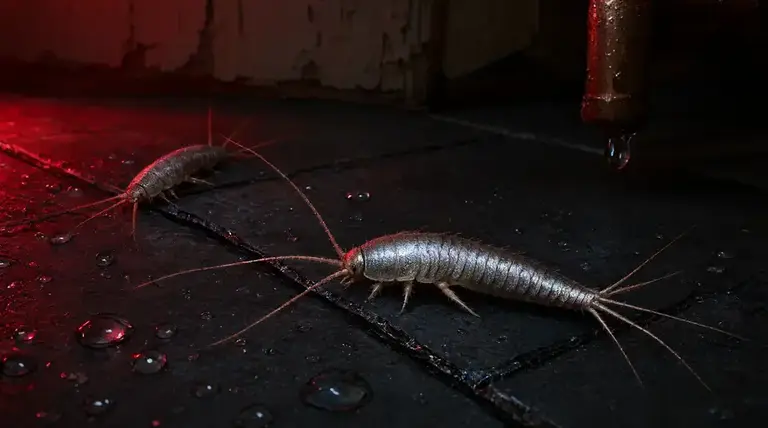
Silverfish matter in Australia because our climate and housing stock hand them ideal breeding conditions for much of the year. The common silverfish (Lepisma saccharinum) needs humidity of roughly 75-95% to feed, breed and hatch eggs — in dry air its eggs simply fail to develop. That is why they cluster in bathrooms, laundries, kitchens and poorly ventilated roof voids.
Housing style makes a difference too. Older Queenslanders on stumps often have subfloor spaces that never fully dry out after rain, creating permanent breeding refuges. Brick veneer homes on concrete slabs can trap moisture in wall cavities when weep holes block or gardens are over-watered against the wall. Homes in Brisbane, the Gold Coast and northern NSW commonly sit above 60% relative humidity for months on end, which is why residents there report silverfish regardless of how clean or new the house is. In drier climates such as Adelaide or inland Victoria, silverfish tend to be a bathroom-and-laundry problem confined to the rooms that generate their own moisture. For a deeper look at the pest itself, see our guide on silverfish identification and the damage they cause.
Myth vs fact
Myth: silverfish are dangerous and mean your home is dirty. Fact: they are harmless to people, thrive in humidity, and eat paper, glue, and fabrics—not food crumbs alone. Reduce moisture, seal cracks, store dry goods airtight, and vacuum often; traps and targeted treatments work better than random sprays.
| Common belief | Reality |
|---|---|
| Silverfish mean a dirty home | They target moisture and cellulose, not mess |
| Sprays alone will fix them | Without moisture control they return |
| They come in from outside constantly | Most infestations breed indoors in damp voids |
| Only old homes get them | Any home above 50% humidity is at risk |
Warning Signs i n Your Home: A Silverfish Checklist
The clearest warning sign of a silverfish problem is seeing live insects in damp rooms at night, but the subtler evidence often appears first. Check for the following:
- Live silverfish at night — fast-moving, carrot-shaped, silvery insects scattering when you switch on a bathroom or laundry light.
- Yellowish stains and scales — tiny pepper-like droppings and shed skins along skirting boards, in drawers and inside wardrobes.
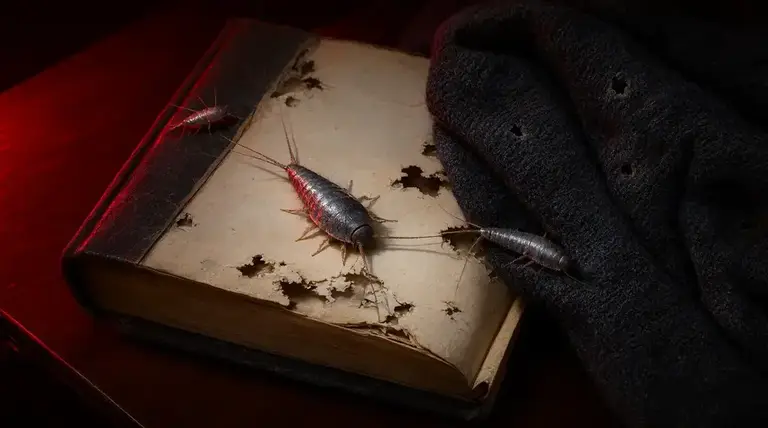
- Feeding damage on paper — irregular holes, notches and surface grazing on book bindings, photographs and cardboard boxes. Our article on silverfish in books and clothing covers protecting stored items in detail.
- Damage to fabrics — small holes in cotton, linen and rayon garments stored in damp cupboards or off-season storage.
- Pantry contamination — silverfish in cereal boxes and flour bags signal both moisture and accessible cellulose; our Silverfish & Pantry Pest Control service deals with both together.
- Persistently humid rooms — condensation on windows, musty smells or a hygrometer reading above 60% means conditions suit them even if you have not seen one yet.
DIY vs Professional Silverfish Control
DIY humidity management handles the majority of mild silverfish pressure, but established infestations breeding in wall cavities or roof voids usually need a licensed technician. DIY works when the problem is room-level moisture; professional pest control is warranted when silverfish keep appearing despite your drying efforts, because the source is somewhere you cannot reach with a dehumidifier.
| Factor | DIY approach | Professional treatment |
|---|---|---|
| Best for | Prevention and light, room-level activity | Established or recurring infestations |
| Methods | Ventilation, dehumidifier, leak repairs, airtight storage | Registered desiccant dusts and targeted treatments in voids |
| Reaches breeding sites? | Rarely — wall cavities and roof voids stay damp | Yes — voids are dusted directly |
| Typical cost | $0-$400 (fans, dehumidifier, storage containers) | $180-$450 depending on scope |
| Safety | Low risk; follow label directions on any product | APVMA-registered products applied by licensed technicians |
How to Lower Humidity and Keep Silverfish Out
The most effective silverfish prevention plan is a short list of moisture-control habits, done consistently. Work through these steps:
- Ventilate: run exhaust fans in bathrooms, kitchens and laundries, and open windows on dry days. Bathroom-specific tactics are covered in our guide to silverfish in the bathroom.
- Dehumidify: use a dehumidifier in damp rooms to hold humidity at 40-50%. A cheap hygrometer tells you whether you are winning.
- Fix leaks: repair dripping taps, leaking roofs and blocked gutters — even slow leaks keep wall cavities damp.
- Improve subfloor airflow: clear vents so the space under the house can dry out, especially after wet weeks.
- Seal food sources: store paper, cereals and off-season clothing in airtight containers.
These same steps deter many damp-loving pests, echoing our broader pest prevention tips for Australian homes.
Silverfish Treatment Costs in Australia (2025-26)
Across the Australian pest control industry, professional silverfish treatment generally costs between $180 and $450 depending on property size and how many voids need dusting. Market rates vary by state and access, but the ranges below reflect what the industry typically charges in 2025-26:
| Service | Typical cost (AUD) | What’s included/notes |
|---|---|---|
| Inspection and moisture assessment | Free – $120 | Industry rate for identifying harbourage, humidity sources and entry points; some operators charge for this, others don’t |
| Standard silverfish treatment (unit/small home) | $180 – $280 | Typical market rate for targeted treatment of wet areas, skirtings and accessible voids |
| Whole-house treatment with roof void dusting | $280 – $450 | Standard industry pricing for desiccant dust in roof and wall voids plus interior treatment; the usual recommendation for recurring infestations |
| Combined silverfish and pantry pest service | $250 – $400 | Typical Australian market rate for treating kitchen and pantry harbourage alongside general silverfish control |
Chemical treatments should always be applied by licensed technicians using APVMA-registered products, with label directions followed exactly. No reputable operator will promise any product is completely risk-free — and you should be wary of anyone who does.
The figures above are typical Australian market rates — and Aussie Pest Strike typically comes in well under them. For an exact quote tailored to your property, give us a call on [aps_phone].
Seasonal Silverfish Activity in Australia
Silverfish activity peaks in the humid December-to-February summer and after wet spells, so it pays to run dehumidifiers and check roof voids before the warm season arrives. In northern and coastal climates, humidity control needs to be year-round rather than seasonal.
Jan
Feb
Mar
Apr
May
Jun
Jul
Aug
Sep
Oct
Nov
Dec
Indicative silverfish activity across Australia. Activity peaks December-February with summer humidity, dips through the cooler, drier winter months, and climbs again from spring. In subtropical Queensland and northern NSW, baseline activity stays higher year-round, and wet spells can spike activity in any month.
Rainfall matters as much as temperature. After a wet week, indoor humidity can stay high for days, and subfloor spaces that never fully dry out become permanent breeding refuges.
When Prevention Is Not Enough
If you have reduced humidity but still find silverfish, they are almost certainly breeding in a wall cavity or roof space where the air stays damp regardless of what you do to the living areas. Confirm the pest against our silverfish identification guide, then consider professional treatment.
Recurrence in the bathroom is especially common, so review our bathroom silverfish guide for room-specific fixes. A technician can dust hidden voids with a registered desiccant that keeps working for months, breaking the breeding cycle at its source rather than just knocking back the adults you happen to see.
Nine times out of ten, when a customer tells me they have sprayed everything and the silverfish keep coming back, the answer is a damp roof void or a slow leak behind a vanity. Treat the void and fix the moisture, and the problem ends. Skip either step and you will see them again within the season.
Buy a hygrometer this week and check every wet room, wardrobe and the subfloor. If any space sits above 50% relative humidity, run a dehumidifier and fix ventilation before spending a cent on sprays. If silverfish persist after four to six weeks of genuine humidity control, book a free inspection — the breeding source is hidden, and that is a job for licensed pest control.
Frequently Asked Questions
What humidity level prevents silverfish?
Silverfish need relative humidity of roughly 75-95 per cent to feed, breed and hatch eggs, so the prevention target is keeping indoor humidity below about 50 per cent. In air that dry, their eggs fail to develop and adults struggle to survive. A cheap hygrometer lets you monitor rooms such as bathrooms, laundries and wardrobes, and a dehumidifier can help hold levels in the 40-50 per cent range.
Why do silverfish keep appearing in my bathroom and laundry?
Bathrooms and laundries generate their own moisture, creating the humid conditions silverfish need even in otherwise dry homes. In drier cities like Adelaide or inland Victoria, silverfish are often confined to these damp rooms. Running exhaust fans, fixing dripping taps and using a dehumidifier to hold humidity at 40-50 per cent removes the conditions they depend on.
How can I tell if humidity is attracting silverfish to my home?
Look for live silverfish scattering when you switch on bathroom or laundry lights at night; yellowish stains, pepper-like droppings and shed skins along skirting boards, drawers and wardrobes; irregular holes or surface grazing on book bindings, photographs and cardboard; small holes in cotton, linen and rayon garments stored in damp cupboards; and condensation, musty smells or hygrometer readings above 60 per cent.
Do silverfish mean my home is dirty?
No. Silverfish are harmless to people and are drawn to moisture and cellulose rather than mess. They feed on paper, glue and fabrics, not food crumbs alone. Even clean, new homes get them if indoor humidity sits above 50 per cent for long periods, which is common in Brisbane, the Gold Coast and northern NSW for months at a time.
Will spraying insecticide fix a silverfish infestation on its own?
No. Sprays alone will not fix an established infestation because the breeding source is usually a damp wall cavity or roof void you cannot reach with a spray can. Without moisture control, silverfish return. DIY ventilation, dehumidifiers and leak repairs handle mild, room-level activity, while established infestations usually need a licensed technician to dust voids directly.
Which rooms in a home are most vulnerable to silverfish due to moisture buildup?
Older Queenslanders built on stumps often have subfloor spaces that never fully dry after rain, creating permanent breeding refuges. Brick veneer homes on concrete slabs can trap moisture in wall cavities when weep holes block or gardens are over-watered against the wall. Clearing subfloor vents so the space under the house can dry out is one of the key prevention steps.
When is professional silverfish control worth it instead of DIY?
If silverfish keep appearing despite your drying efforts, they are almost certainly breeding in a wall cavity or roof space where the air stays damp regardless of what you do to living areas. DIY rarely reaches those sites. Professional treatment uses registered desiccant dusts applied directly into voids by licensed technicians, which is why it suits established or recurring infestations.
When is silverfish season in Australia?
Activity peaks during the humid December-to-February summer and after wet spells, dipping through cooler, drier winter months and climbing again from spring. Rainfall matters as much as temperature: after a wet week, indoor humidity can stay high for days. In subtropical Queensland and northern NSW, baseline activity stays higher year-round, so humidity control there needs to be continuous rather than seasonal.
What happens during an Aussie Pest Strike inspection for recurring silverfish?
An inspection focuses on finding what DIY cannot reach: the hidden moisture sources and harbourage where silverfish actually breed. The technician checks likely damp zones such as roof voids, wall cavities, subfloor areas, bathrooms and laundries, and assesses humidity sources and entry points. If reduced humidity has not stopped the sightings, this assessment identifies whether a cavity or void is the breeding source before any treatment is recommended.
How can Aussie Pest Strike help with Silverfish Prevention: The Humidity Connection?
Start with the moisture basics the article recommends: run exhaust fans, use a dehumidifier to hold humidity around 40-50 per cent, repair leaks and blocked gutters, clear subfloor vents, and store paper, cereals and off-season clothing in airtight containers. Confirming the pest against a silverfish identification guide also helps. These steps reduce the conditions silverfish rely on, making any professional treatment of damp voids more effective and longer lasting.
Sources & further reading
Found Something
Dangerous?
Don’t touch it. Don’t spray it. Keep kids and pets clear, take a photo from a safe distance, and call us — or book a free inspection and we’ll come to you.
02 7235 0050