Silverfish in theBathroom: Why and Howto Stop Them
Silverfish in the bathroom thrive on humidity and darkness. Learn why they gather there and the step-by-step fix, then book a free inspection today.
A silverfish bathroom infestation usually boils down to two essentials: high humidity and darkness. Bathrooms deliver both in spades, and right across Australia — from steamy Queensland summers to damp Melbourne winters — this is the number-one room for activity. The good news is that cutting moisture below 50% relative humidity and sealing their hiding spots is the fastest way to stop them, because silverfish cannot breed or survive long in dry conditions.
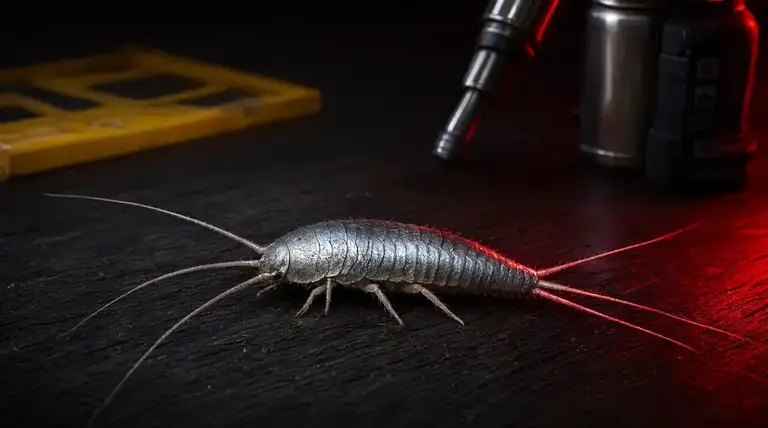
Silverfish in the bathroom are small, wingless, silver-grey insects that feed on starchy materials and thrive in warm, humid, dark environments — and the bathroom is the most humid room in almost every Australian home. This guide explains why they move in, how to spot an infestation early, what you can fix yourself, and when professional pest control is the smarter call.
- Silverfish thrive at 75–95% relative humidity — a bathroom after a hot shower sits squarely in that range.
- Dropping humidity below 50% and sealing cracks is the fastest DIY fix; silverfish eggs fail to hatch in dry air.
- They feed on toilet paper, soap residue, skin flakes, damp grout and cosmetic starches.
- Persistent sightings often mean breeding in the wall cavity or roof void above the bathroom — that’s a job for a licensed technician.
- Professional silverfish treatment in Australia typically costs $180–$450 depending on scope.
Why do I get silverfish bathroom infestations in Australia?
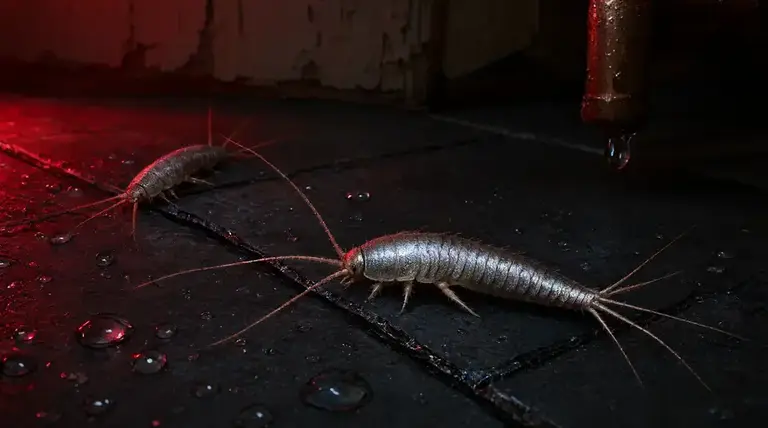
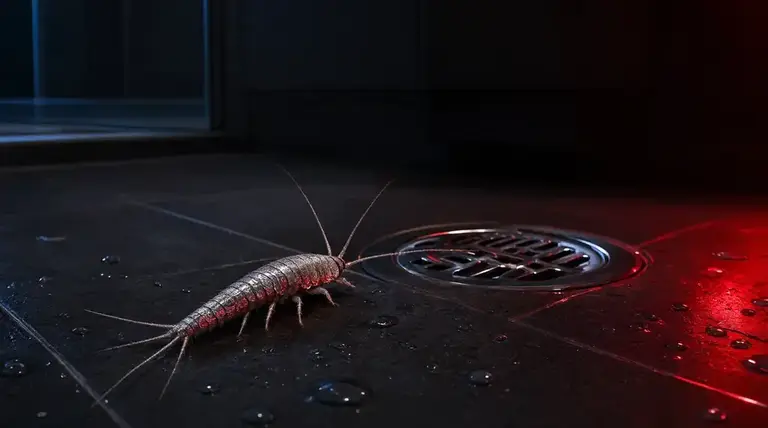
Bathrooms attract silverfish because they combine warmth, darkness, moisture and food — everything the common silverfish (Lepisma saccharinum) needs to live and breed. After a hot shower, bathroom humidity easily climbs into the 75–95% range these insects prefer, and it can stay elevated for hours in a poorly ventilated room.
Australian housing makes the problem worse in a few predictable ways. Older Queenslanders and weatherboard homes with subfloor voids trap damp air that rises through wall cavities into wet areas. Brick veneer homes on concrete slabs can develop condensation behind tiled bathroom walls, especially on south-facing walls. Units and townhouses with internal bathrooms often rely on a weak exhaust fan — or none at all — so steam simply has nowhere to go. Through the humid December-to-February summer, conditions in Darwin, Brisbane, Sydney and coastal New South Wales are close to ideal for silverfish year-round, while southern states see spikes whenever heaters and hot showers push warm, moist air into cool cavities.
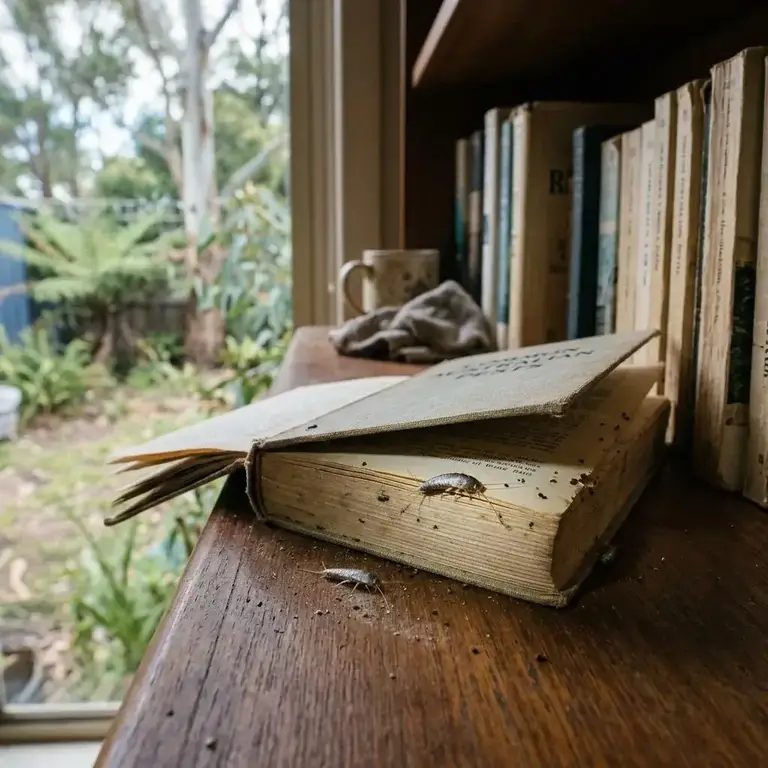
As for food, the bathroom is a buffet. Silverfish feed on toilet paper, tissue and cardboard packaging; soap residue, skin flakes and hair; and damp grout, wallpaper paste and the starches in many cosmetics. Add stored spare toilet rolls and a stack of damp towels, and a single pair of silverfish can establish a breeding population within one season. For a broader look at the species and what it does to a home, see our guide on silverfish identification and the damage they cause.
Warning signs of a bathroom silverfish problem
The clearest sign of a bathroom silverfish problem is seeing live insects scatter when you switch the light on at night — but there are earlier, subtler clues worth checking for. A torch inspection after dark is the most revealing test, since silverfish hide during the day and emerge to feed overnight.
- Live insects at night — fast-moving, carrot-shaped silver insects darting for cover when the light comes on, usually near the vanity, bath or skirting.
- Yellow stains and pepper-like droppings — tiny dark specks and yellowish marks on shelves, in drawers or along skirting boards.
- Damage to paper and packaging — irregular scraped patches or small holes in toilet rolls, tissue boxes and cardboard stored in the room.
- Cast skins — delicate, translucent shed skins in cupboard corners; silverfish moult throughout their lives, so skins accumulate where they harbour.
- Activity in classic hiding spots — behind and under the vanity, in wall and skirting cracks, around the bath surround, inside stored towels and cardboard, and around leaking pipe collars under the sink.
- Spread beyond the bathroom — silverfish found in bedrooms, wardrobes or the study suggest a wider infestation, which we cover in silverfish in books and clothing: protecting your stuff.
DIY fixes vs professional pest control for silverfish
DIY moisture control solves most mild, early-stage bathroom silverfish problems, but professional treatment is warranted when sightings persist, when the infestation has spread to other rooms, or when breeding is happening inside wall cavities or the roof void. The honest dividing line is reach: you can dry out a room yourself, but you can’t safely treat a cavity you can’t see.
Start with the five core steps: run the exhaust fan during showers and for 15–20 minutes afterwards; fix dripping taps and leaking pipe seals; store spare paper and toiletries in sealed tubs; seal cracks in skirting, tiles and grout; and vacuum corners and cabinets weekly to remove eggs and juveniles. A dehumidifier or improved ventilation makes the single biggest difference, because silverfish eggs fail to hatch in dry air — the principle behind our guide to silverfish prevention and the humidity connection. Small habits help too: wipe down the shower recess, leave the door open after use, keep spare toilet rolls in a sealed cupboard, and check the silicone seals around the bath and basin, since failed seals trap water in the cavity behind and turn an ordinary washroom into a silverfish bathroom.
| Factor | DIY approach | Professional treatment |
|---|---|---|
| Best for | Mild, localised activity in one bathroom | Persistent, recurring or multi-room infestations |
| Typical cost | $0–$80 (dehumidifier running costs, sealant, storage tubs) | $180–$450 depending on scope |
| Reach | Accessible surfaces and harbourage only | Wall cavities, roof voids, subfloor and hidden breeding sites |
| Methods | Ventilation, dehumidification, sealing, vacuuming, sticky traps | APVMA-registered residual treatments, dusts to voids, insect monitors |
| Diagnosis | Visual checks; hidden leaks easy to miss | Technician confirms moisture sources and entry points |
| Timeframe | Weeks of consistent effort | Usually one visit plus follow-up monitoring |
Any chemical treatment should be carried out or directed by a licensed pest-control technician using APVMA-registered products, applied strictly to label directions. Our Silverfish & Pantry Pest Control service combines targeted residual treatment with monitoring and moisture advice, so the fix lasts rather than masking the symptoms.
How much does silverfish treatment cost in Australia?
Across the Australian pest control market, professional silverfish treatment generally runs between $180 and $450 in 2025–26, depending on the size of the home, how many rooms are affected and whether cavity or roof-void treatment is needed. What the industry charges varies by region and property type, so treat the figures below as typical market ranges rather than fixed quotes from any one provider.
| Service | Typical cost (AUD) | What’s included / notes |
|---|---|---|
| Inspection and quote | $0–$120 | Assessment of harbourage, moisture sources and extent; often free with treatment booked |
| Single-room silverfish treatment | $180–$260 | Residual application to bathroom/laundry harbourage plus monitors |
| Whole-home silverfish treatment | $280–$450 | Multiple rooms, roof void or wall cavity dusting, follow-up monitoring |
| Follow-up visit (if required) | $90–$150 | Re-treatment of persistent sites and monitor checks |
These figures reflect what the wider industry typically charges. Aussie Pest Strike typically comes in well under these market rates, so call [aps_phone] for an exact quote tailored to your property.
When are silverfish most active in Australia?
Bathroom silverfish are active year-round indoors, but activity peaks through the warm, humid months from late spring to early autumn, when heat and moisture accelerate breeding. The chart below shows typical relative activity across the year for most Australian homes.
Jan
Feb
Mar
Apr
May
Jun
Jul
Aug
Sep
Oct
Nov
Dec
Indicative activity pattern: silverfish peak in the humid December–February summer and dip through the cooler, drier winter months, though heated bathrooms keep them active all year. Tropical northern Australia sees high activity in every month.
Nine times out of ten, when a customer says “i’ve cleaned everything and they’re still coming back”, the answer is a moisture source they can’t see — a failed silicone seal, a slow leak at a pipe collar, or warm humid air pooling in the roof void above the bathroom. Treat the insects without fixing the moisture and they’ll be back within a season. That’s why we always trace the water before we treat the harbourage.
Start with moisture: run the exhaust fan during and 15–20 minutes after every shower, repair any drips or failed seals, and get humidity below 50% with a dehumidifier if needed. Seal cracks and store paper goods in sealed tubs. If you still see silverfish after two to three weeks of consistent effort, book a professional inspection — the breeding site is almost certainly inside a wall cavity or roof void that DIY cannot reach.
Frequently Asked Questions
Why do silverfish infest bathrooms more than other rooms?
Bathrooms combine warmth, darkness, moisture and food, which is everything the common silverfish needs to live and breed. After a hot shower, humidity can climb into the 75–95% range silverfish prefer and stay elevated for hours in a poorly ventilated room. They also find plenty to eat there, including toilet paper, soap residue, skin flakes, hair and damp grout.
What are the warning signs of a bathroom silverfish problem?
Look for live insects darting for cover when you switch the light on at night, yellow stains and pepper-like droppings on shelves or skirting boards, irregular scraped patches or holes in toilet rolls and cardboard packaging, and translucent cast skins in cupboard corners. A torch inspection after dark is the most revealing test, since silverfish hide during the day and feed overnight.
What DIY steps stop silverfish in the bathroom?
Run the exhaust fan during showers and for 15–20 minutes afterwards, fix dripping taps and leaking pipe seals, store spare paper goods and toiletries in sealed tubs, seal cracks in skirting, tiles and grout, and vacuum corners and cabinets weekly. A dehumidifier or improved ventilation makes the biggest difference, because silverfish eggs fail to hatch in dry air below about 50% relative humidity.
Can silverfish in the bathroom damage towels, toilet paper, or wallpaper?
Professional treatment is warranted when sightings persist despite your own moisture control, when silverfish have spread to bedrooms or wardrobes, or when breeding is happening inside wall cavities or the roof void above the bathroom. The dividing line is reach: you can dry out a room yourself, but you cannot safely treat a hidden cavity you cannot see.
Why do silverfish keep coming back after I clean the bathroom?
Nine times out of ten the answer is a moisture source you cannot see, such as a failed silicone seal around the bath or basin, a slow leak at a pipe collar under the sink, or warm humid air pooling in the roof void above the bathroom. Treating the insects without fixing the underlying moisture means they will return within a season.
What do silverfish eat in a bathroom?
Silverfish feed on starchy materials, and a bathroom offers plenty: toilet paper, tissue and cardboard packaging; soap residue, skin flakes and hair; damp grout, wallpaper paste; and the starches in many cosmetics. Stored spare toilet rolls and stacks of damp towels give them both food and harbourage, allowing a breeding population to establish within one season.
When are silverfish most active in Australian homes?
Southern states see spikes whenever heaters and hot showers push warm, moist air into cool cavities, and heated bathrooms keep them active through winter. The practical next step is to note the signs, inspect the relevant area carefully, and seek property-specific advice if the issue continues.
How do Australian housing styles affect bathroom silverfish problems?
Older Queenslanders and weatherboard homes with subfloor voids trap damp air that rises through wall cavities into wet areas. Brick veneer homes on concrete slabs can develop condensation behind tiled bathroom walls, especially on south-facing walls. Units and townhouses with internal bathrooms often rely on weak or missing exhaust fans, so steam has nowhere to go and humidity stays high.
What information should I provide when booking Aussie Pest Strike for a bathroom silverfish problem?
Be ready to describe how long you have seen silverfish, where they appear (such as the vanity, bath surround or skirting), whether they have spread beyond the bathroom, and any known moisture issues like dripping taps, failed silicone seals or a weak exhaust fan. Mentioning your housing type, such as a Queenslander, brick veneer home or unit with an internal bathroom, helps the technician plan inspection of cavities and roof spaces.
What is the practical next step if my own silverfish fixes have not worked?
If you still see silverfish after two or more weeks of consistent moisture control, sealing and vacuuming, arrange an inspection with Aussie Pest Strike. A technician can trace hidden water sources such as leaks at pipe collars or humid air pooling in the roof void, confirm where breeding is occurring, and apply APVMA-registered treatments to wall cavities and other harbourage you cannot safely reach yourself.
Sources & further reading
Found Something
Dangerous?
Don’t touch it. Don’t spray it. Keep kids and pets clear, take a photo from a safe distance, and call us — or book a free inspection and we’ll come to you.
02 7235 0050