Do Cockroaches SurviveWinter inAustralia? The Truth
Do Cockroaches Survive Winter in Australia? The Truth — Yes, cockroaches survive winter in Australia. Cold weather slows their breeding and activity, but...
Do cockroaches survive winter in Australia? Yes — and understanding why (call it the big “o” of overwintering) is the key to beating them. Cold weather slows cockroaches down, but common species such as the German, American and Australian cockroach simply move indoors, sheltering in warm wall cavities, roof voids and appliances while they wait out the cooler months.
Many homeowners assume a frosty July will wipe cockroaches out, only to spot one scuttling across the kitchen floor mid-winter. Winter infestations are common across Australia, and the cooler months are actually the ideal time to treat them before numbers surge in spring. Here’s the truth about cockroaches and winter — and how to use the season to your advantage.
- Cockroaches are cold-blooded, but Australian winters rarely get cold enough to kill them — they simply relocate indoors.
- Below about 15°C cockroaches become sluggish and breed more slowly, but in a heated home at 20°C or more, breeding continues all year.
- A single German cockroach egg case carries 30 to 40 eggs, so a small winter population can explode by October.
- Winter is the best time to treat: colonies are smaller, localised and clustered around predictable warm spots.
- Always use a licensed technician for chemical treatments — licensing is required in every Australian state and territory.
Why cockroaches survive winter across Australia year-round
Cockroaches survive winter everywhere in Australia because our climate and housing give them everything they need. In the north, winters are mild enough for year-round outdoor activity; in the south, heated homes provide perfect refuge. No matter where you live, winter doesn’t solve a cockroach problem — it just moves it inside.
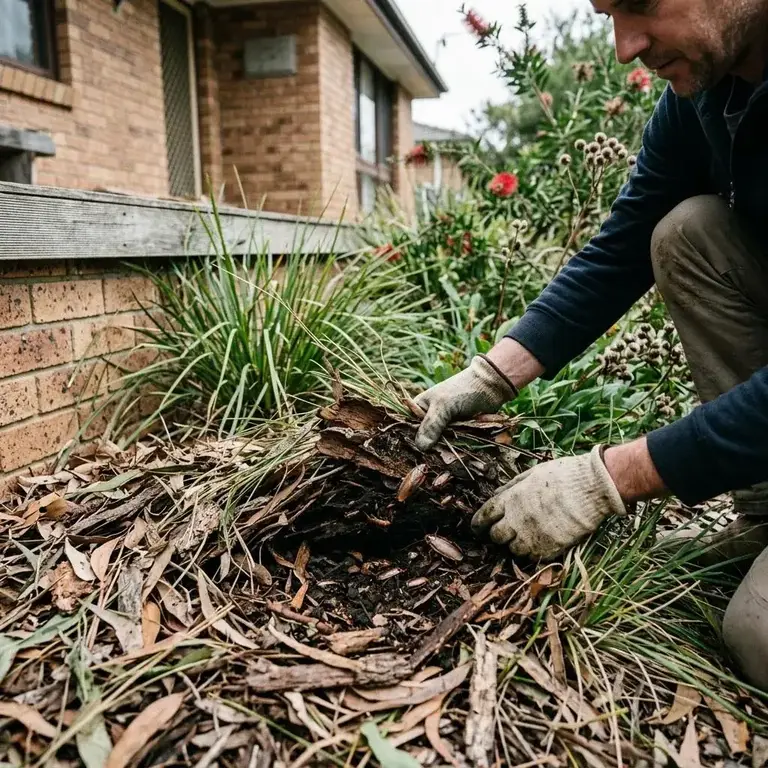
In Darwin, Cairns and northern Queensland, winter temperatures stay warm enough for cockroaches to remain active outdoors in gardens, drains and mulch beds. Further south — Melbourne, Hobart, Canberra and the cooler parts of New South Wales and South Australia — survival depends on finding warmth, which usually means your kitchen, bathroom or roof void.
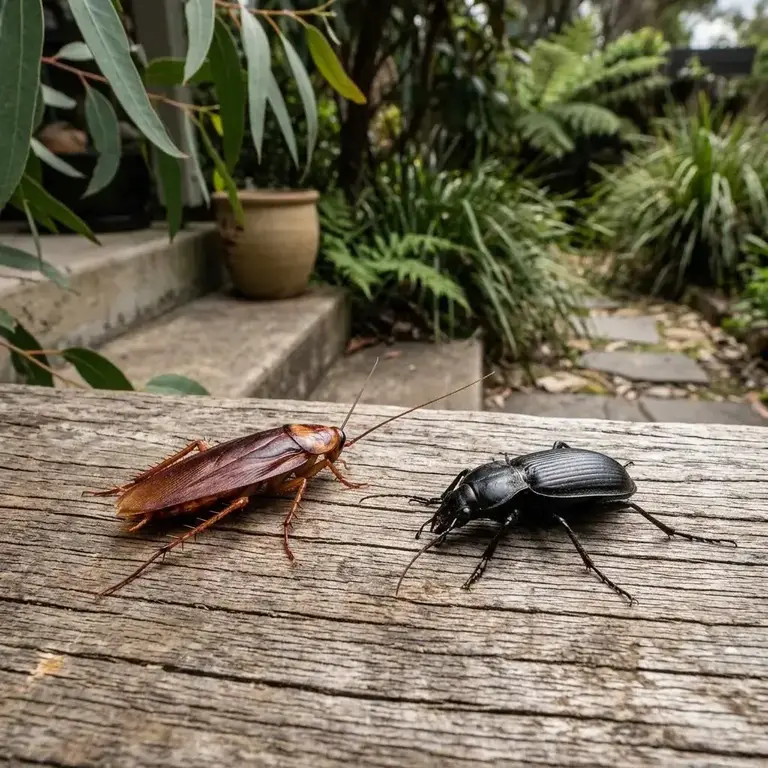
Housing style matters too. Older Queenslanders on stumps have ventilated subfloors that larger species love, brick veneer homes offer weep holes and wall cavities as entry points, and slab-on-ground construction still leaves gaps around pipes and expansion joints. German cockroaches cluster around fridge motors, dishwashers, ovens and hot water systems, while American, Australian and smoky brown cockroaches retreat into wall cavities, subfloors and drains. If you’re not sure which species you’re dealing with, our guide to American cockroaches in Australia covers identification, and our article on why German cockroach infestations are so hard to kill explains why the small ones are often the bigger headache.
Warning Signs Cockroaches Are Overwintering in Your Home
The clearest sign of a winter cockroach problem is seeing live roaches indoors during the cooler months — especially during the day, which usually means harbourages are overcrowded. Because winter colonies hide in predictable warm spots, the evidence tends to concentrate around kitchens, laundries and bathrooms.
- Daytime sightings — cockroaches are nocturnal, so seeing one in daylight points to an established nest nearby.
- Droppings like ground pepper — small dark specks in cupboards, along skirting boards or behind appliances.
- Egg cases (oothecae) — brown, capsule-shaped casings tucked into cracks, hinges and cardboard.
- A musty, oily odour — noticeable in enclosed spaces such as pantries and under-sink cupboards.
- Smear marks — dark streaks along walls, benchtop edges and around water sources.
- Activity near warm appliances — roaches scattering when you move the fridge, microwave or dishwasher.
For a fuller checklist, see our rundown of the 7 signs of a cockroach infestation you shouldn’t ignore.
DIY vs Professional Cockroach Control in Winter
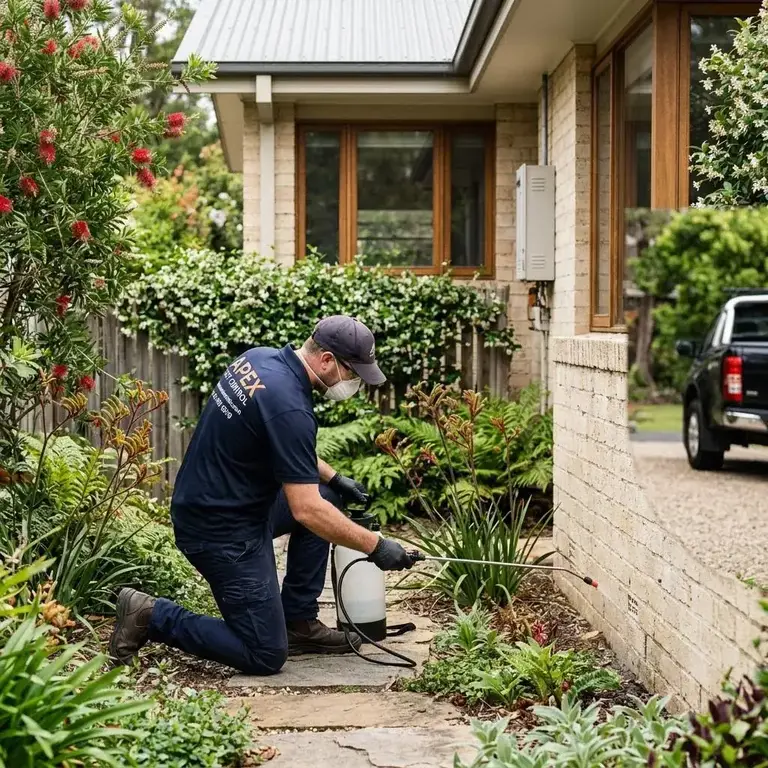
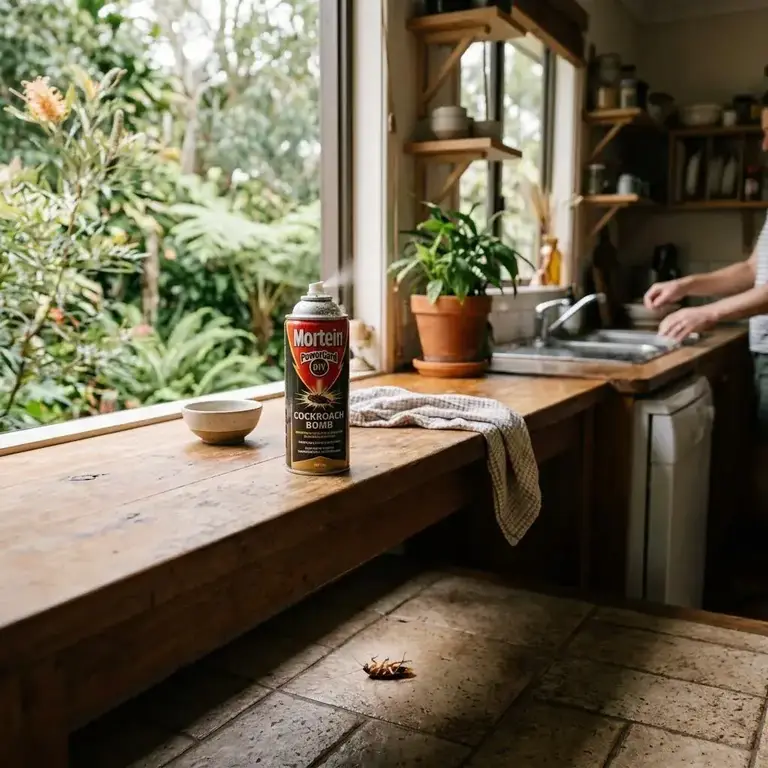
DIY sprays and supermarket baits can knock down the odd roach, but they rarely reach the harbourages where winter colonies actually hide — and misusing them can scatter the infestation deeper into wall voids. Professional pest control targets the nest with APVMA-registered gel baits, insect growth regulators and residual treatments applied by licensed technicians.
| Factor | DIY approach | Professional treatment |
|---|---|---|
| Reach | Surface-level; misses wall cavities and roof voids | Targets harbourages cockroaches actually use |
| Products | Low-strength retail sprays and traps | APVMA-registered gel baits, IGRs and residuals |
| Breeding cycle | Egg cases usually survive and hatch | Growth regulators break the cycle before spring |
| Typical cost | $20–$80 in products, often repeated | From around $150–$350 for most homes |
| Outcome | Temporary relief; spring rebound likely | Colony elimination with follow-up options |
Good prevention still matters alongside any treatment. Seal gaps around pipes, door frames, skirting boards and weep holes; fix leaking taps and improve subfloor ventilation; store pantry food in sealed containers; empty kitchen bins daily; and reduce cardboard clutter in garages, sheds and laundries — all favourite winter harbourages.
How Much Does Winter Cockroach Treatment Cost in Australia?
Across the Australian pest control industry, standard residential cockroach treatments typically cost between $150 and $350, with severe infestations or larger homes running higher. Market rates vary by city, property size, species and whether follow-up visits are included, so treat the figures below as typical industry ranges for 2025–26 — not a quote from any one provider.
| Service | Typical market rate (AUD) | What’s included/notes |
|---|---|---|
| Standard internal cockroach treatment | $150–$250 | Gel baiting and residual spray to kitchens, bathrooms and harbourages in an average home |
| Severe or German cockroach infestation | $250–$450 | Intensive baiting program, insect growth regulator, one or more follow-up visits |
| Internal + external perimeter treatment | $250–$400 | Adds external barrier, weep hole and subfloor treatment — useful for American and smoky brown roaches |
| Annual pest control plan | $300–$600/yr | Scheduled seasonal treatments, often booked in winter to pre-empt the spring surge |
Whoever you hire, always confirm your technician holds a current pest management licence — licensing requirements apply in every state and territory, and chemical treatments should only ever be carried out by licensed professionals using APVMA-registered products.
It’s worth noting that Aussie Pest Strike typically comes in well under these typical Australian market rates, without cutting corners on licensing, products or follow-up service. For an exact quote tailored to your property and infestation, give us a call on [aps_phone] today.
Cockroach Activity by Month in Australia
Cockroach activity peaks from late spring through summer and dips in winter — but it never drops to zero, because indoor colonies keep ticking along in heated homes. The chart below shows typical relative activity across the year for most of southern Australia; in tropical northern regions, activity stays high all year.
Jan
Feb
Mar
Apr
May
Jun
Jul
Aug
Sep
Oct
Nov
Dec
Typical relative cockroach activity in southern Australia: peak activity runs from November to March, with a winter dip from June to August when colonies concentrate indoors — the ideal window for treatment.
Why Winter Is the Best Time to Treat Cockroaches
Winter is the best time to treat cockroaches because infestations are smaller, more localised and concentrated in predictable warm spots. Gel baits, insect growth regulators and residual sprays all work harder when cockroaches are clustered, and treating in June or July breaks the breeding cycle before the spring population boom.
Remember: cold slows the development of egg cases, but it doesn’t stop breeding inside a heated home. A professional cockroach control and treatment service applied now means you’re eliminating a small, static colony — rather than fighting an explosion of new nymphs come October. Think of it as the “o” in a smart homeowner’s overwintering plan.
Winter jobs are honestly my favourite cockroach jobs. The roaches are all huddled around the fridge motor or the hot water system, so when we bait those harbourages we hit the whole colony at once. Treat in July and you’re not chasing your tail when spring hits.
Don’t wait for winter to kill your cockroaches — it won’t. Book a professional treatment in June or July while colonies are small and concentrated, seal entry points around pipes and weep holes, and keep kitchens clean and dry. One winter treatment now is worth three in summer.
Frequently Asked Questions
Do cockroaches survive winter in Australia?
Yes. Australian winters are rarely cold enough to kill cockroaches outright. Cold-blooded species such as German, American and Australian cockroaches slow down below about 15°C, but they survive by relocating into warm indoor spaces like wall cavities, roof voids, subfloors and around appliances. In heated homes at 20°C or more, they can even keep breeding through winter, so a frosty July does not wipe out an infestation.
Where do cockroaches hide inside my home during winter?
Winter colonies cluster in predictable warm spots. German cockroaches gather around fridge motors, dishwashers, ovens and hot water systems, while larger species such as American, Australian and smoky brown cockroaches retreat into wall cavities, subfloors, drains and roof voids. Housing style matters too: ventilated subfloors under older Queenslanders, weep holes in brick veneer walls, and gaps around pipes and expansion joints in slab-on-ground homes all provide entry points and shelter.
How can I tell if cockroaches are nesting in my home during the colder months?
Key warning signs include seeing cockroaches during the day, which usually means an established nest is nearby; droppings that look like ground pepper in cupboards or along skirting boards; brown capsule-shaped egg cases (oothecae) tucked into cracks, hinges and cardboard; a musty, oily odour in enclosed spaces; dark smear marks along walls and benchtop edges; and roaches scattering when you move the fridge, microwave or dishwasher.
Why is winter the best time to treat cockroaches?
In winter, infestations are smaller, more localised and concentrated around predictable warm spots, so gel baits, insect growth regulators and residual treatments can hit whole colonies at once. Treating in June or July also breaks the breeding cycle before spring, when numbers surge. A single German cockroach egg case carries 30 to 40 eggs, so eliminating a small static colony now prevents an explosion of nymphs come October.
Does cold weather stop cockroaches from breeding indoors?
No. Cold slows cockroaches down — below about 15°C they become sluggish and breed more slowly, and egg case development slows too. But inside a heated home at 20°C or more, breeding continues all year round. That is why winter infestations still grow quietly indoors, and why waiting for cold weather to solve the problem usually backfires once spring arrives and populations boom.
Why do DIY sprays often fail against winter cockroach problems?
DIY sprays and supermarket baits only reach surface-level activity and rarely penetrate the harbourages where winter colonies actually hide, such as wall cavities and roof voids. Misusing them can scatter the infestation deeper into wall voids, making it harder to treat. Egg cases often survive retail treatments and hatch later, whereas professional products like APVMA-registered gel baits and insect growth regulators target the nest and break the breeding cycle.
How do I prevent cockroaches moving indoors over winter?
Seal gaps around pipes, door frames, skirting boards and weep holes, and fix leaking taps while improving subfloor ventilation to remove moisture sources. Store pantry food in sealed containers, empty kitchen bins daily, and reduce cardboard clutter in garages, sheds and laundries, which are favourite winter harbourages. These steps support any treatment you have done and make your home far less attractive to cockroaches seeking warmth.
How does cockroach activity change across the year in Australia?
Activity peaks from late spring through summer, typically November to March across southern Australia, with a dip from June to August when colonies concentrate indoors. It never drops to zero because indoor colonies keep ticking along in heated homes. In tropical northern regions such as Darwin, Cairns and northern Queensland, winters stay mild enough for cockroaches to remain active outdoors year-round in gardens, drains and mulch beds.
How do professional pest controllers find cockroach hiding spots during winter?
When contacting Aussie Pest Strike about a suspected winter infestation, describe what you have seen: where the cockroaches appear (kitchen, bathroom, laundry), whether you have spotted them during the day, any droppings, egg cases or musty odours, and which appliances or rooms seem affected. Mention your housing style if relevant, such as brick veneer or a home on stumps, as this helps identify likely harbourages before a licensed technician inspects.
Should I seal entry points before or after booking Aussie Pest Strike?
You can start sealing obvious gaps around pipes, weep holes and skirting boards straight away, as exclusion supports any professional treatment. However, avoid disturbing or spraying suspected harbourages yourself first, since this can scatter cockroaches deeper into wall voids. Contact Aussie Pest Strike to arrange a licensed technician to assess the colony, then combine professional baiting with your sealing, cleaning and decluttering efforts for the best winter result.
Sources & further reading
Found Something
Dangerous?
Don’t touch it. Don’t spray it. Keep kids and pets clear, take a photo from a safe distance, and call us — or book a free inspection and we’ll come to you.
02 7235 0050