German Cockroach Infestations:Why They’re SoHard to Kill
German cockroach infestations — german cockroaches are so hard to kill because they breed explosively, hide in tiny inaccessible harbourage, and rapidly...
If there’s one pest that defeats more DIY attempts than any other in Australia, it’s the german cockroach. From Sydney apartments to Brisbane Queenslanders, this small invader breeds explosively, hides where sprays can’t reach, and shrugs off insecticides that kill other species. Understanding why it’s so persistent is the first step to actually beating it.
German cockroach infestations are defined as established indoor populations of Blattella germanica that reproduce faster than casual treatment can suppress, typically centred on kitchens, bathrooms and warm appliance voids. A single female can lead to tens of thousands of descendants within a year, which is why supermarket sprays only ever scratch the surface. This guide explains the biology behind the problem, what control actually costs in Australia, and when professional pest control becomes the only realistic option.
- One female german cockroach can produce a lineage exceeding 30,000 individuals in a year under warm indoor conditions.
- Egg cases are carried by the mother until hatching, shielding the next generation from surface sprays.
- Thigmotactic behaviour drives them deep inside fridges, dishwashers and wall voids where DIY products can’t reach.
- Documented insecticide resistance and bait aversion make repeated spraying counterproductive.
- Integrated professional treatment — gel baits, growth regulators and sanitation — is the proven fix, typically $180–$450 per visit in 2025-26.
Why the German Cockroach Thrives in Australian Homes
The german cockroach thrives in Australia because our warm climate and heated kitchens give it ideal breeding conditions twelve months a year. Unlike the larger American cockroach, which often lives outdoors and wanders in, this species is almost entirely an indoor pest — it lives, breeds and dies inside your walls and appliances.
Housing style matters. High-set Queenslanders with enclosed subfloors, brick veneer homes with wall cavities, and modern apartments with shared service ducts all offer warm, undisturbed harbourage. In units and townhouses, infestations commonly spread between adjoining kitchens through wall voids and pipe penetrations, which is why one treated flat can be reinfested by the one next door. Slab-on-ground construction reduces subfloor access but pushes activity into cabinetry and appliance voids instead. For a broader look at treatment options, see our Cockroach Control & Treatment service page.
Warning Signs of a German Cockroach Infestation
The clearest warning sign is seeing small, pale-brown roaches scattering when you switch on the kitchen light at night. Catching an infestation early — before numbers compound — makes treatment faster and cheaper. Check for these indicators:
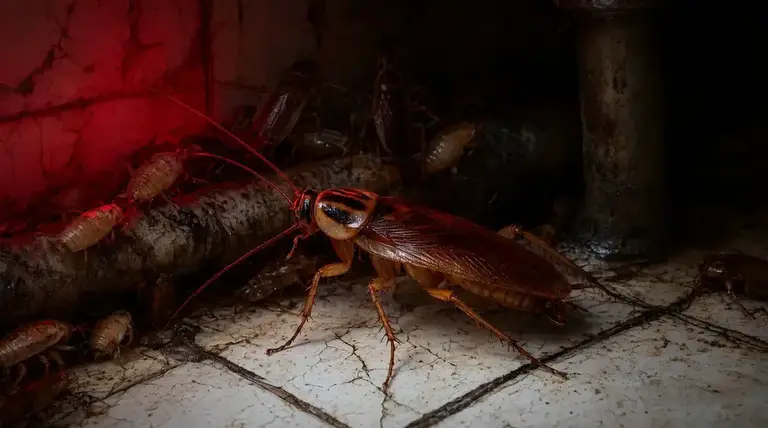
- Live sightings at night — adults are 12–15 mm, pale brown, with two dark stripes behind the head; daytime sightings suggest a large population.
- Droppings like ground pepper — dark specks concentrated in cupboard hinges, drawer runners and behind appliances.
- Egg cases (oothecae) — tan, ridged capsules around 8 mm long, found in cracks or dropped near harbourage.
- A musty, oily odour — noticeable in heavy infestations, especially inside cupboards and pantries.
- Smear marks — brown streaks along bench edges, splashbacks and around water sources.
- Activity inside appliances — roaches or droppings in fridge motor housings, dishwashers and microwaves.
If any of these sound familiar, our detailed guide to the 7 signs of a cockroach infestation you shouldn’t ignore walks through each one with photos and next steps.
DIY vs Professional German Cockroach Treatment
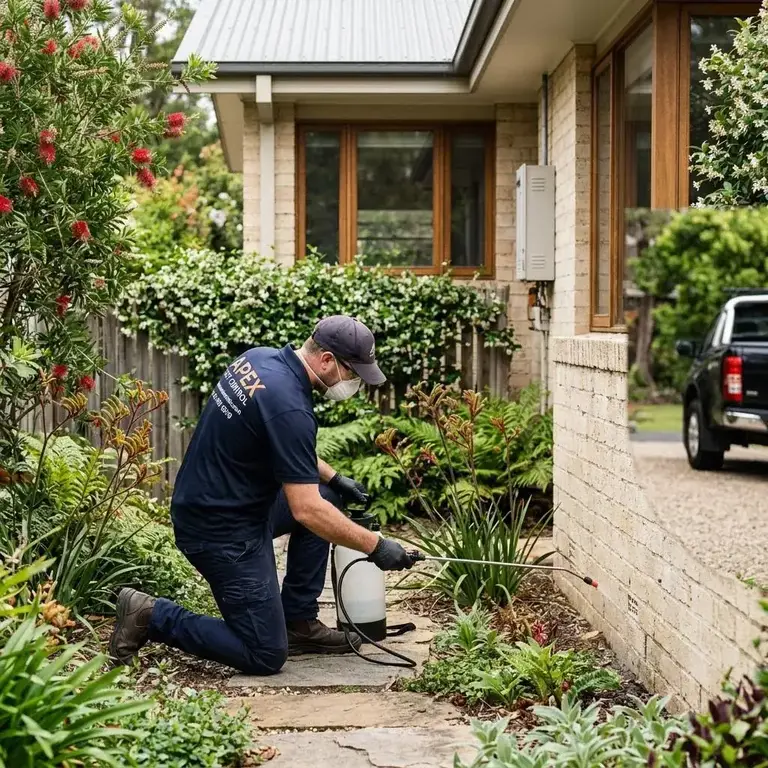
DIY products can knock down visible roaches but rarely eliminate the colony, because they miss hidden harbourage and can’t overcome resistance. Professional pest control combines gel baiting, insect growth regulators and harbourage treatment to break the breeding cycle at its source.
| Approach | Why it struggles | Realistic outcome |
|---|---|---|
| Surface spray | Misses hidden harbourage; can repel and scatter the colony into new voids | Temporary knockdown; reinfestation within weeks |
| Single bait station | Can’t service a large, spread population; older baits face aversion | Partial reduction at best |
| Professional gel baiting + IGR | Requires correct placement and follow-up visits | Carried back to harbourage; breaks the breeding cycle |
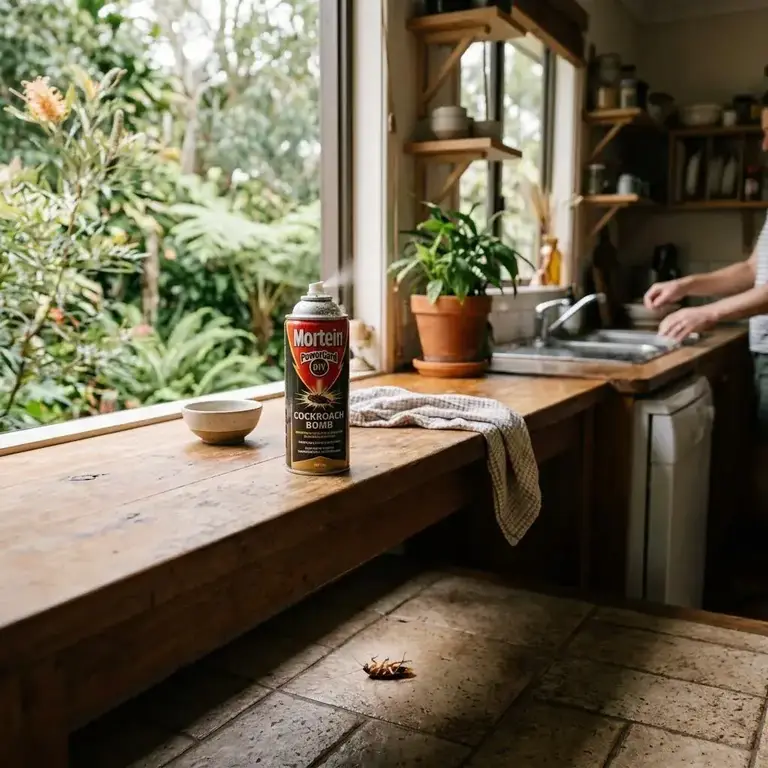
Repeated DIY spraying often makes things worse by scattering the colony — a trap explained in our article on why cockroaches keep coming back. Chemical treatments should always be applied by licensed technicians in line with APVMA-approved label directions.
How Much Does German Cockroach Treatment Cost in Australia?
Across the Australian pest control industry, professional german cockroach treatment typically runs between $180 and $600 in 2025-26, depending on property size, infestation severity and the number of follow-up visits required. As a general market benchmark, severe infestations in commercial kitchens sit at the higher end of what the industry charges, while a light residential problem may be resolved in one or two visits. The figures below reflect typical Australian market rates — what providers across the industry generally charge.
| Service | Typical market rate (AUD) | What’s included/notes |
|---|---|---|
| Initial inspection & assessment | $0–$120 | Often free with treatment booking; identifies harbourage and severity |
| Standard residential treatment | $180–$320 | Gel baiting, IGR application, harbourage treatment for a house or unit |
| Follow-up visit (2–4 weeks later) | $90–$180 | Targets newly hatched nymphs; usually essential for full control |
| Severe infestation program | $400–$600+ | Multi-visit program for heavy or long-established infestations |
| Commercial kitchen treatment | Quoted per site | Ongoing service plans with documentation for food-safety compliance |
The rates above are typical Australian market benchmarks. Aussie Pest Strike typically comes in well under these market rates for the same thorough, licensed treatment. For an exact quote tailored to your property, call us on [aps_phone] today.
Seasonal German Cockroach Activity in Australia
German cockroaches breed indoors year-round, but activity visibly peaks in the warmer months from October through March when heat accelerates their 6–8 week breeding cycle. Winter slows reproduction in unheated homes, though heated kitchens and appliances keep populations ticking over.
Jan
Feb
Mar
Apr
May
Jun
Jul
Aug
Sep
Oct
Nov
Dec
Typical relative german cockroach activity in Australian homes. Warm months accelerate breeding; winter dips are smaller than for outdoor species because populations live indoors near heat sources.
Nine times out of ten, when a customer says they’ve “tried everything”, they’ve been spraying the roaches they can see while the real colony sits untouched inside the dishwasher motor. Gel bait placed correctly, plus a growth regulator, does what a dozen cans of spray never will. The follow-up visit isn’t optional — that’s when we catch the nymphs that hatched after the first treatment.
If you’ve seen german cockroach activity more than once, skip the aerosol aisle. Book a licensed inspection, commit to both the initial treatment and the follow-up visit, and back it up with nightly sanitation — sealed food containers, wiped surfaces, fixed leaks and an empty bin. That combination is what actually ends an infestation.
Frequently Asked Questions
Why are german cockroach infestations so hard to kill?
German cockroaches breed explosively, hide deep inside fridges, dishwashers and wall voids where sprays cannot reach, and carry their egg cases until hatching, which shields the next generation from surface treatments. Documented insecticide resistance and bait aversion also mean repeated spraying often fails. A single female can produce a lineage exceeding 30,000 individuals in a year, so casual DIY treatment only scratches the surface of an established population.
What do german cockroaches look like?
Adult german cockroaches are small, pale-brown insects measuring 12–15 mm long, with two distinctive dark stripes behind the head. Their egg cases (oothecae) are tan, ridged capsules around 8 mm long. Seeing them scatter when you switch on the kitchen light at night is a classic warning sign, and daytime sightings usually suggest a large, well-established population inside the home.
What are the warning signs of a german cockroach infestation?
Key indicators include live sightings at night, droppings resembling ground pepper concentrated in cupboard hinges and drawer runners, tan ridged egg cases in cracks, a musty oily odour inside cupboards, brown smear marks along bench edges and splashbacks, and activity or droppings inside appliances such as fridge motor housings, dishwashers and microwaves. Catching an infestation early makes treatment faster and cheaper.
Why doesn't supermarket spray work on german cockroaches?
Surface sprays only knock down the roaches you can see while the main colony sits hidden inside appliance voids and wall cavities. Sprays can also repel and scatter the colony into new harbourage, making the problem worse. Combined with documented insecticide resistance and bait aversion, repeated DIY spraying typically delivers temporary knockdown followed by reinfestation within weeks.
How does professional german cockroach treatment differ from DIY?
Professional treatment combines correctly placed gel baits, insect growth regulators and harbourage treatment to break the breeding cycle at its source. Roaches carry the gel bait back to hidden harbourage, and growth regulators stop nymphs from maturing. Chemical treatments should always be applied by licensed technicians in line with APVMA-approved label directions, with follow-up visits targeting newly hatched nymphs.
How much does german cockroach treatment cost in Australia?
German cockroach treatment costs vary with property size, infestation severity and how many follow-up visits are needed. A standard residential job usually covers inspection, gel baiting and residual treatment, while heavier infestations require a multi-visit program targeting harbourages in kitchens and bathrooms. Commercial food premises are typically quoted individually because of their complexity. For an accurate figure, request quotes from several licensed pest controllers who can assess the extent of your specific infestation.
When is german cockroach activity highest in Australia?
German cockroaches breed indoors year-round, but visible activity peaks during the warmer months from October through March, when heat accelerates their six-to-eight-week breeding cycle. Winter slows reproduction in unheated homes, but the dip is smaller than for outdoor species because these roaches live indoors near heat sources such as heated kitchens and warm appliance motors.
Can german cockroaches spread between apartments or units?
Yes. In units and townhouses, infestations commonly spread between adjoining kitchens through wall voids and pipe penetrations, which is why one treated flat can be reinfested by the unit next door. Shared service ducts in modern apartment buildings provide connected warm harbourage, meaning effective control may need to consider how the infestation moves between dwellings.
How would Aussie Pest Strike assess the signs of a german cockroach infestation in my home?
A technician would inspect the areas this article highlights: checking cupboard hinges, drawer runners and behind appliances for pepper-like droppings, looking for tan ridged egg cases in cracks, noting any musty odour or smear marks along bench edges, and examining fridge motor housings, dishwashers and microwaves for activity. This inspection identifies harbourage points and severity, which shapes whether a standard treatment or a multi-visit program is appropriate for your property.
What practical next step should I take if I keep seeing german cockroaches after spraying?
If you have seen german cockroach activity more than once, skip further aerosol sprays, as they can scatter the colony into new hiding spots. The recommended next step is booking a licensed inspection with a provider such as Aussie Pest Strike, committing to both the initial gel bait and growth regulator treatment plus the essential follow-up visit, and backing it up with nightly sanitation including sealed food containers, wiped surfaces, fixed leaks and an empty bin.
Sources & further reading
Found Something
Dangerous?
Don’t touch it. Don’t spray it. Keep kids and pets clear, take a photo from a safe distance, and call us — or book a free inspection and we’ll come to you.
02 7235 0050